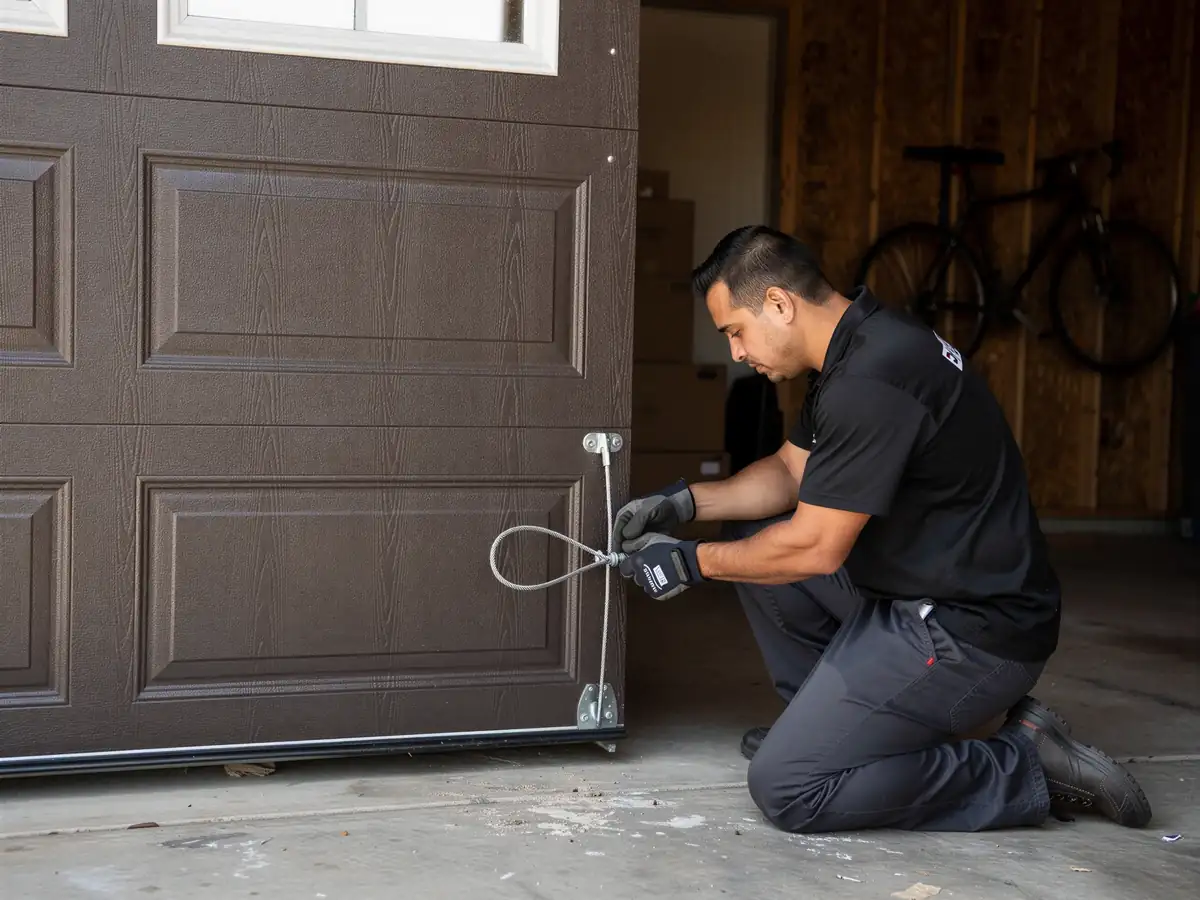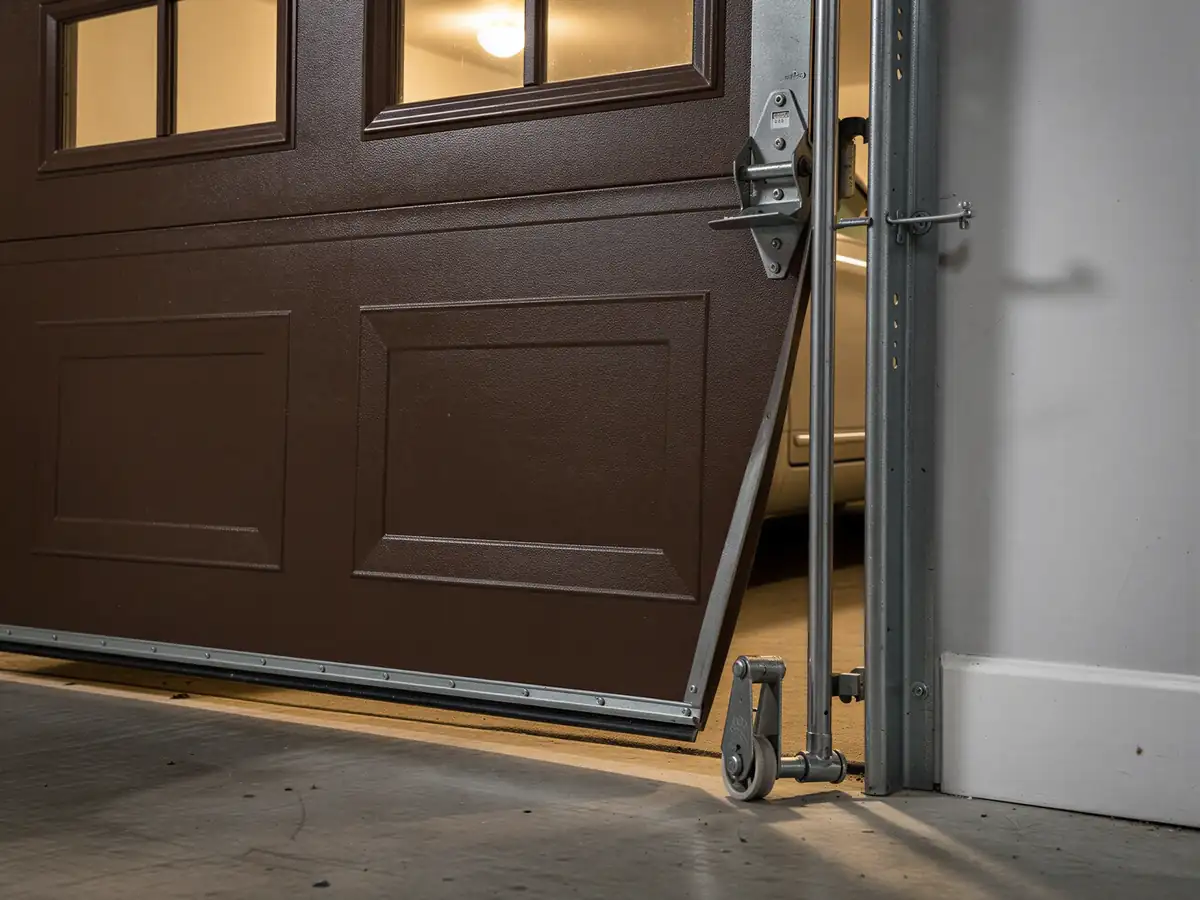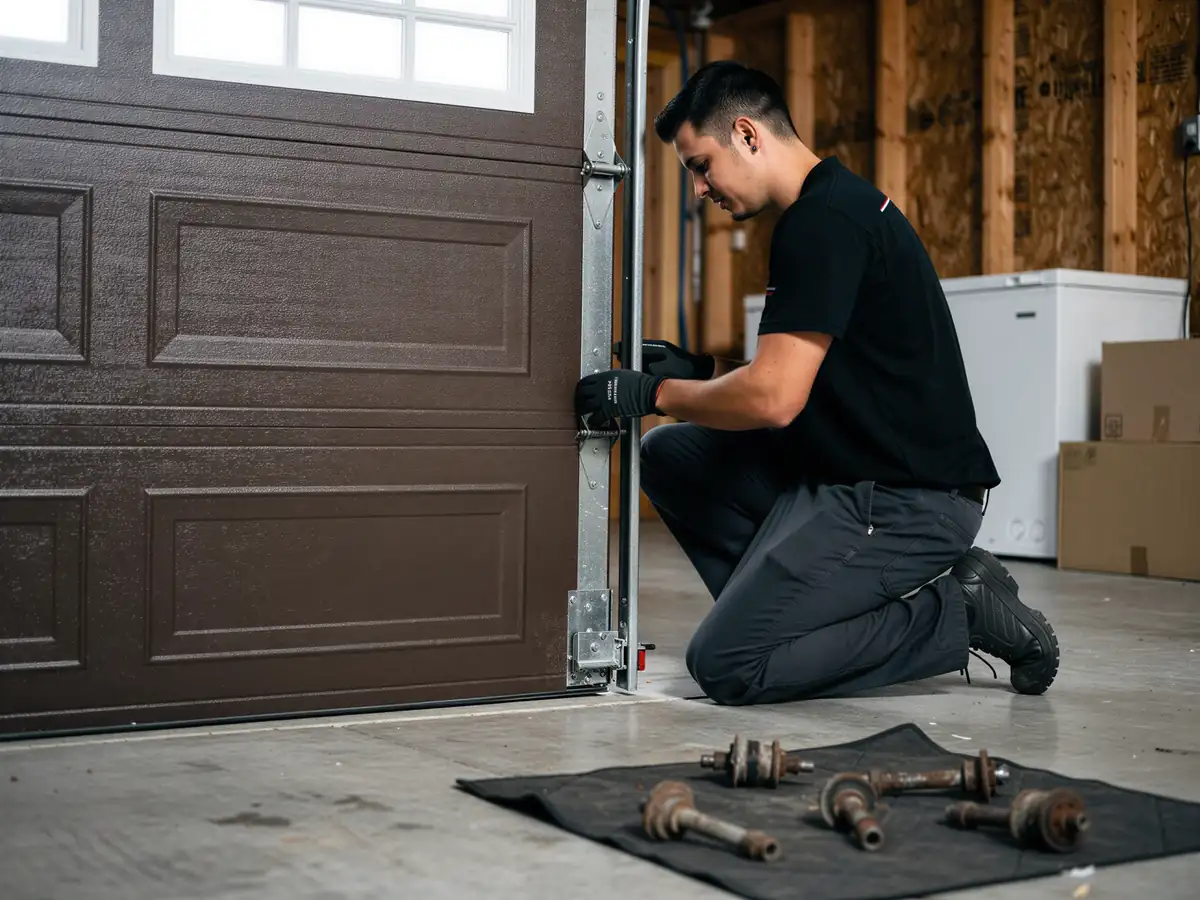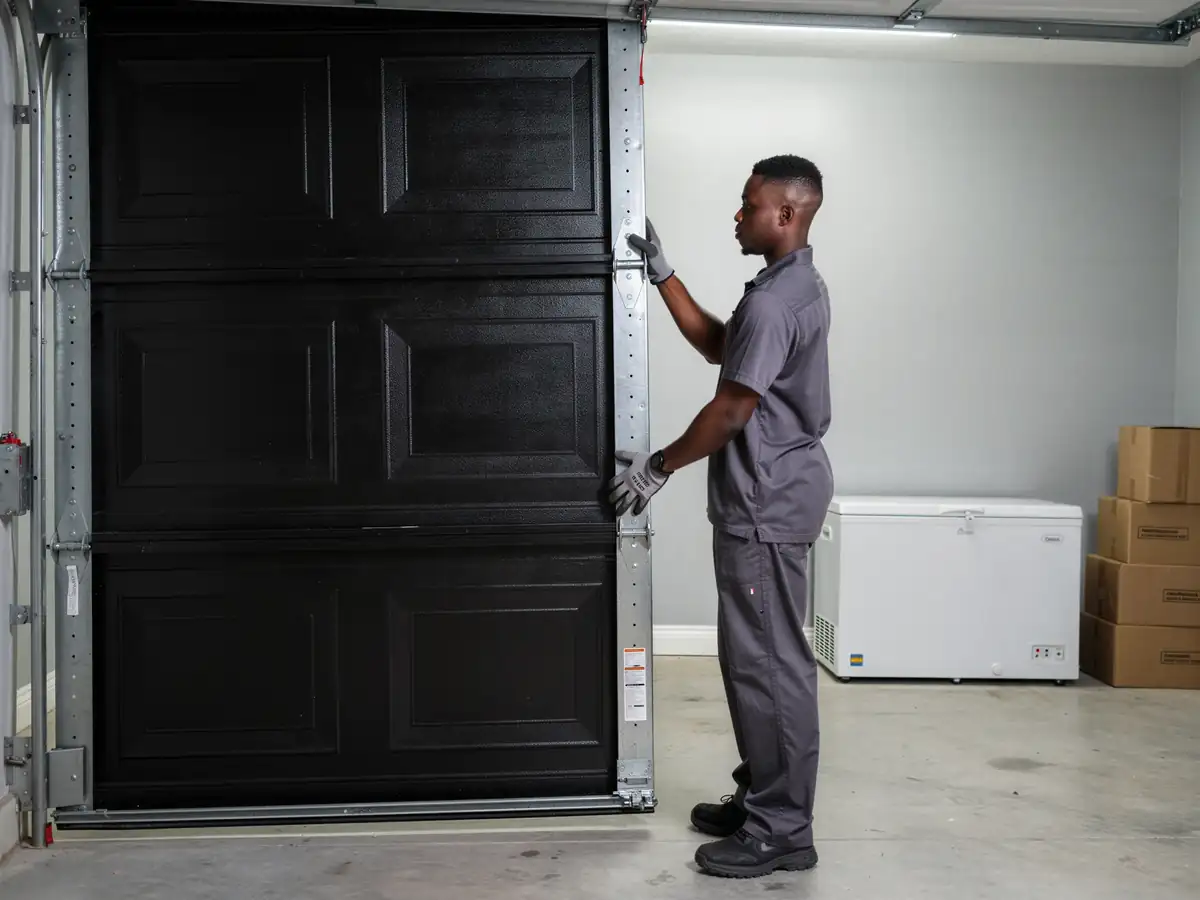
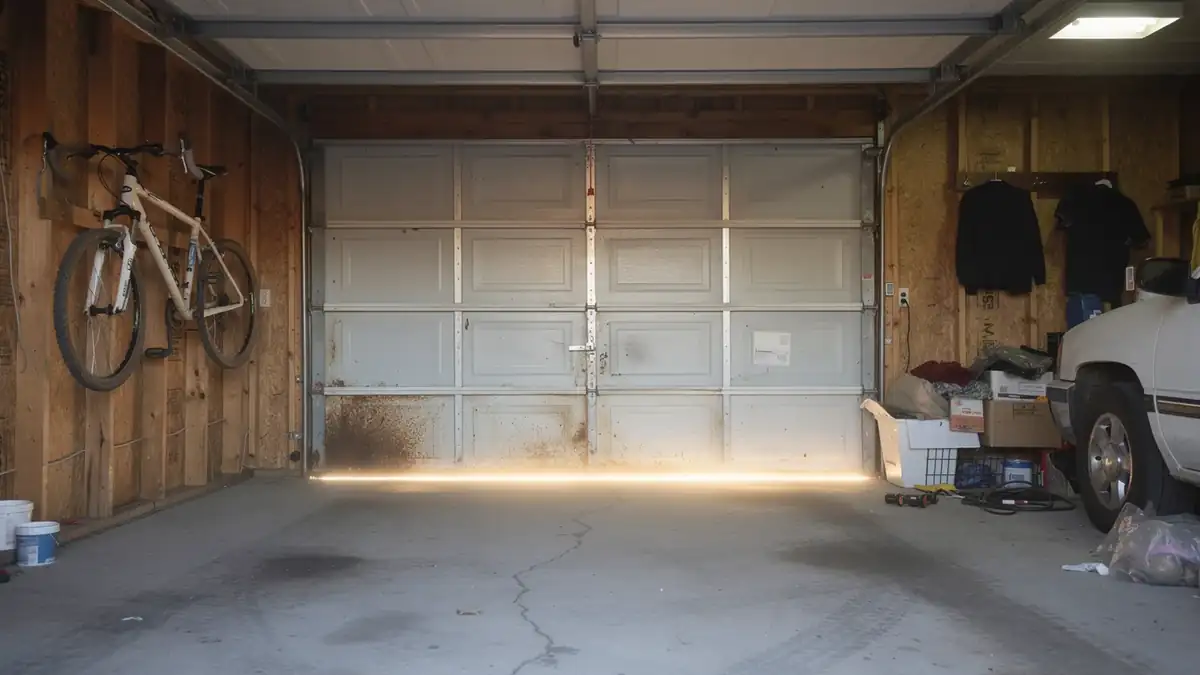
The Situation
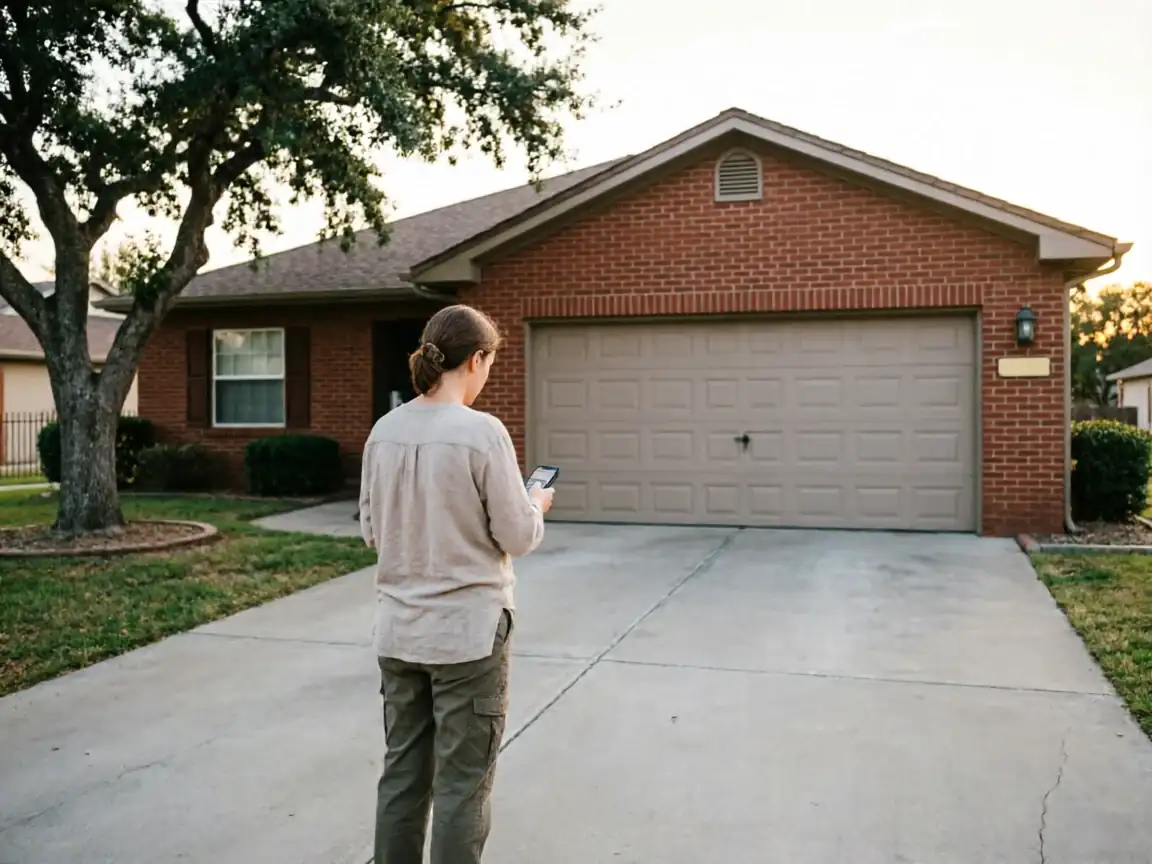
Friendswood's housing stock runs from 1956 up through 2014, with the median build year landing around 1987. Most of the 24 named subdivisions in this service area filled in through the 1980s and 90s, which means a huge share of the garage doors out there went up before the energy codes that now require foam-backed, insulated panels. A lot of those original doors are still hanging on the same tracks they shipped with. They're thin steel skins, no foam core, no thermal break at the bottom seal - fine for the era they were built in, not built for what a garage does today.
If your house falls in that 1980s-90s band, there's a decent chance your door is either the original single-layer unit or a like-for-like replacement nobody upgraded. You can usually tell by weight - lift the door by hand with the opener disconnected. If it feels light and hollow, it's not insulated. That's not a defect. It's just what the code allowed when the house went up.
The Common Mistake
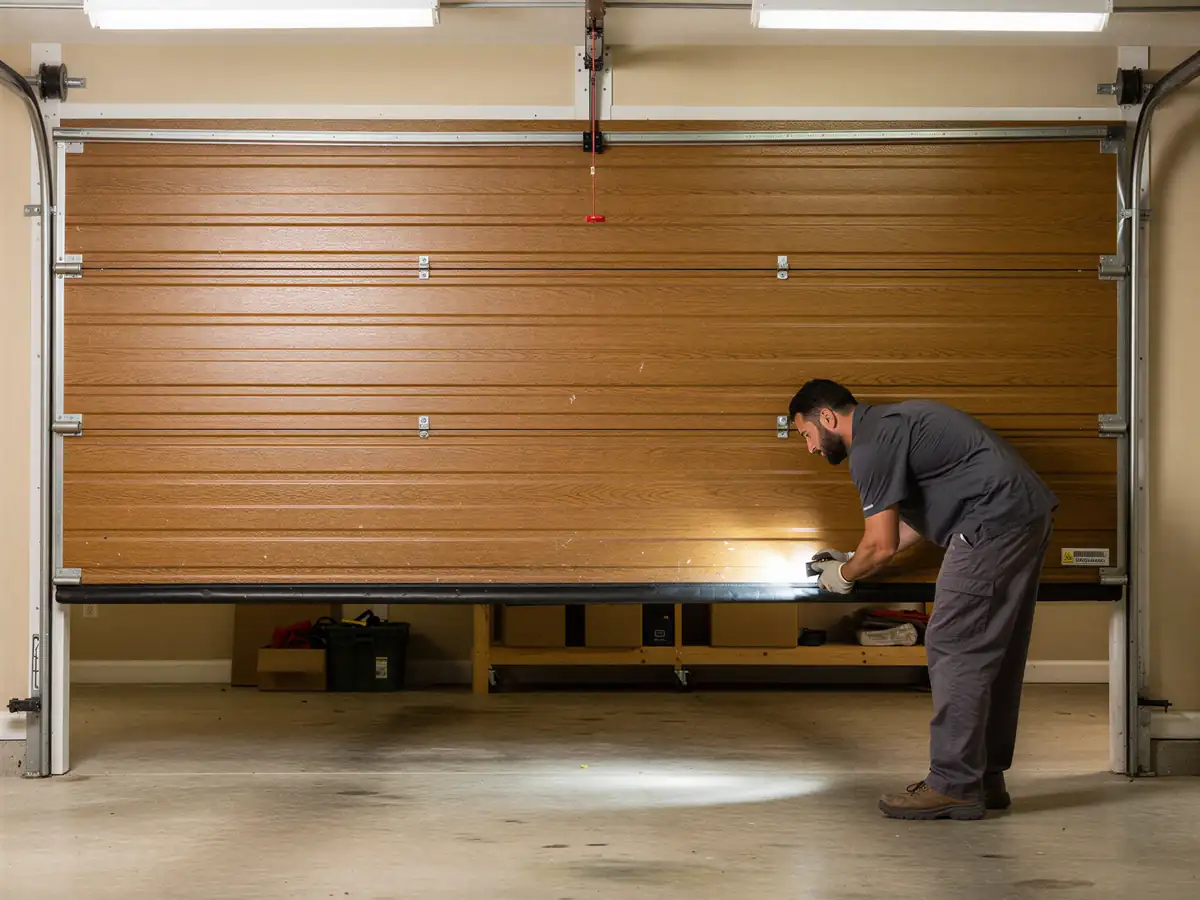
The mistake we see most is treating an uninsulated door as a weatherstripping problem. Someone adds new bottom seal, maybe foam tape along the frame, and wonders why the garage still runs hot in summer and feels damp in winter. Weatherstripping only closes gaps - it does nothing for a steel panel with no insulating layer behind it. On a house from the 1980s-90s stock that makes up most of this area, that panel is the actual problem, not the seal around it.
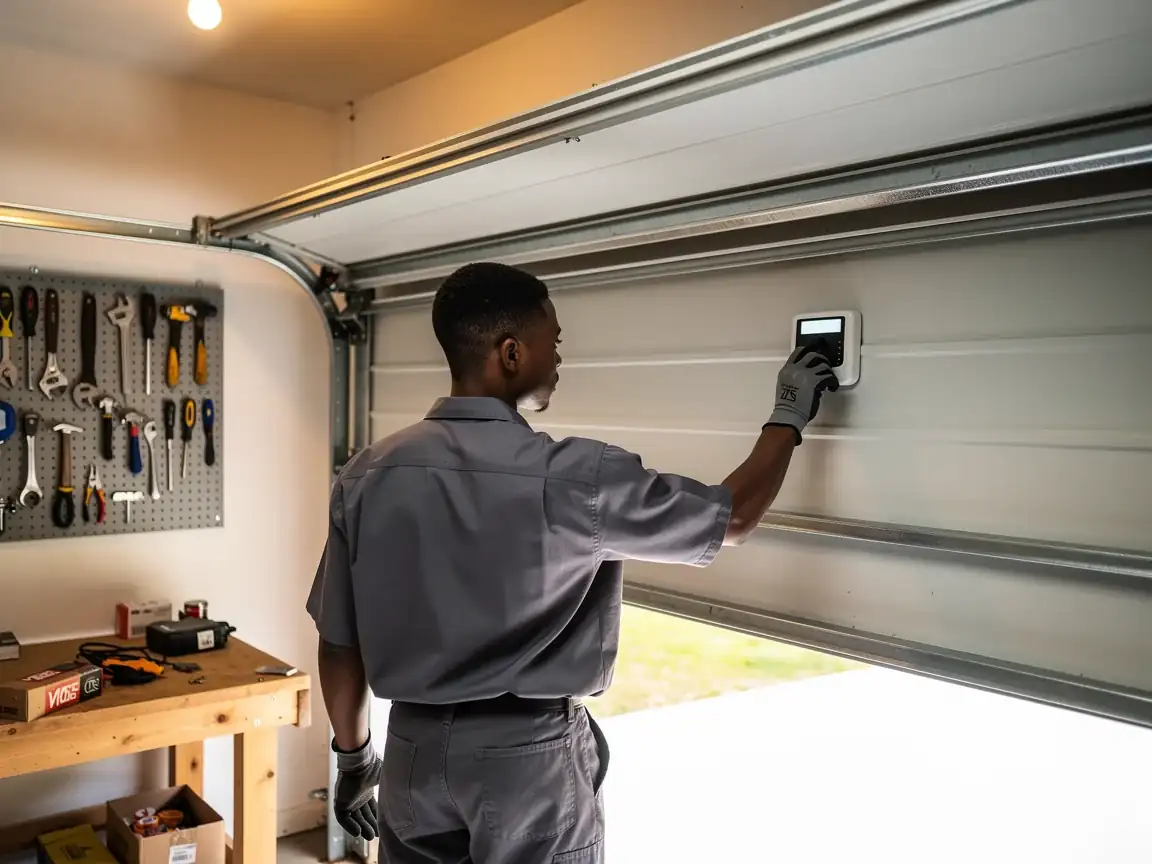
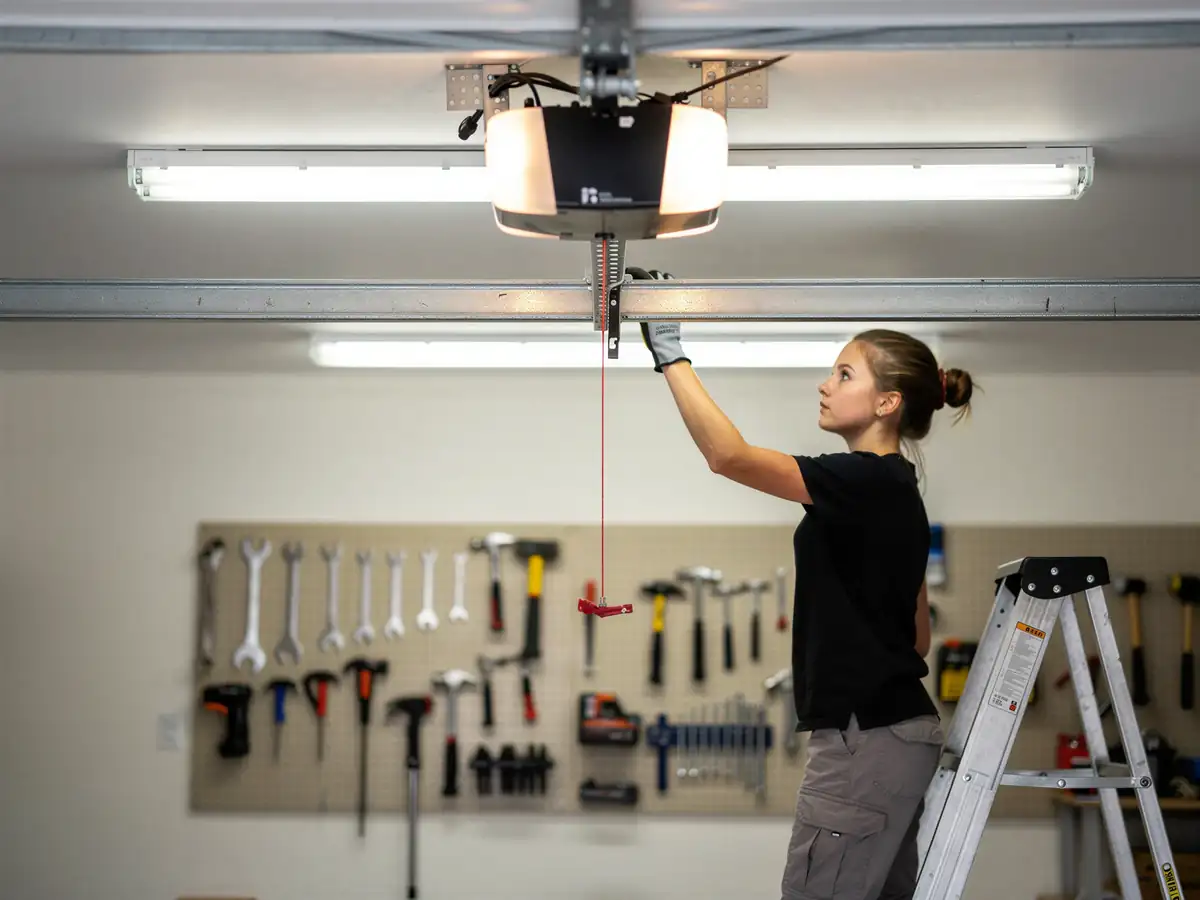
The other version of this mistake is spending money on a smart opener or a quieter belt drive while the door itself still radiates heat straight through. Those upgrades are fine on their own, but they don't fix what an uninsulated panel does to a garage that shares a wall with living space - which is common in homes built in this window, since attached garages became standard well before insulated doors did.
What Local Conditions Do
This area sits in a mild climate band with occasional freeze risk
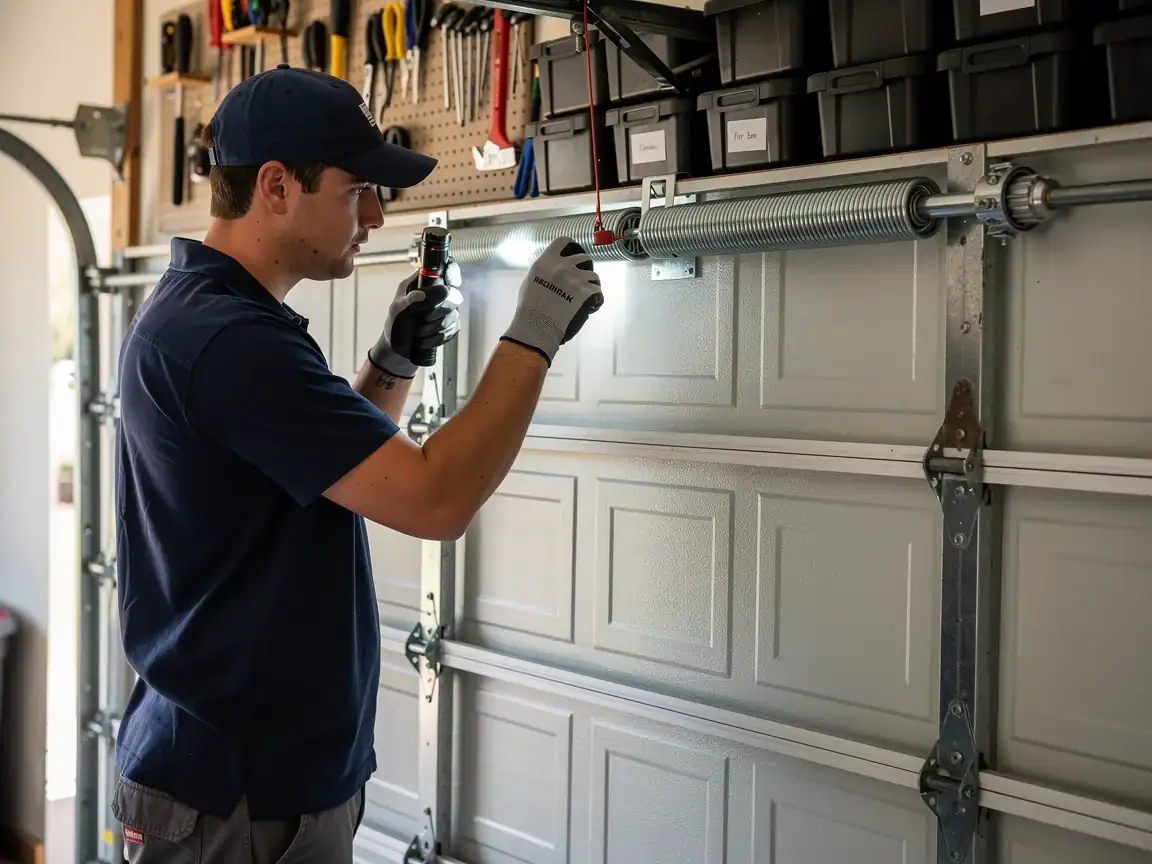
Not the deep-freeze swings that crack hardware outright, but enough temperature swing across a year to matter on an uninsulated panel. A thin steel door expands and contracts with every hot afternoon and cool night, and on houses from the 1956-2014 build range, that cycling has had decades to work on original hardware - hinges, rollers, the seams where panels meet.
The freeze risk here is occasional, not constant, which is actually the trickier case
A door built for a genuinely cold climate has insulation and sealing designed for it. A door built for Gulf Coast mild-with-occasional-freeze conditions often has neither, because the code at the time didn't ask for it. When a cold front does come through, an uninsulated panel from that era is the first thing in the house to show it - condensation on the inside face, a draft at the bottom seal, sometimes a panel that's gone slightly out of square from years of thermal flex.
What You Pay
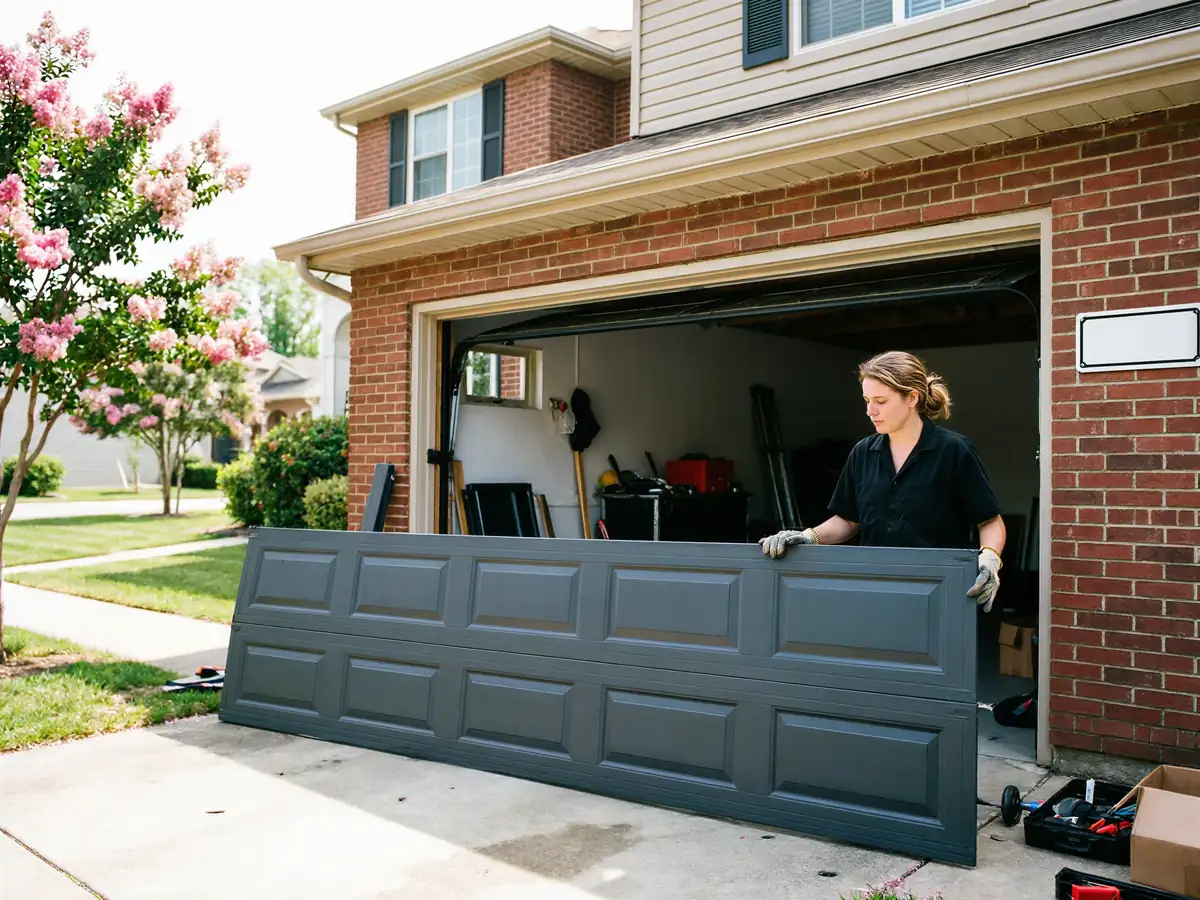
We don't have a flat number to quote here without seeing the door, and we're not going to invent one. What we can tell you is the honest trade-off: on a door from the 1980s-90s stock that makes up most of this service area, insulated panel replacement almost always costs less over time than patching an uninsulated original door section by section. A single replacement panel for an obsolete design can be hard to source and, once you add labor, sometimes costs close to what a new insulated section would run.
The limitation worth saying plainly: if your door is structurally sound - square, tracking straight, hardware in good shape - full replacement isn't automatically the right call just because it's uninsulated. Sometimes the fix is a new bottom seal and better weatherstripping, and we'll tell you that instead of selling you a door you don't need.