What the Fix Involves
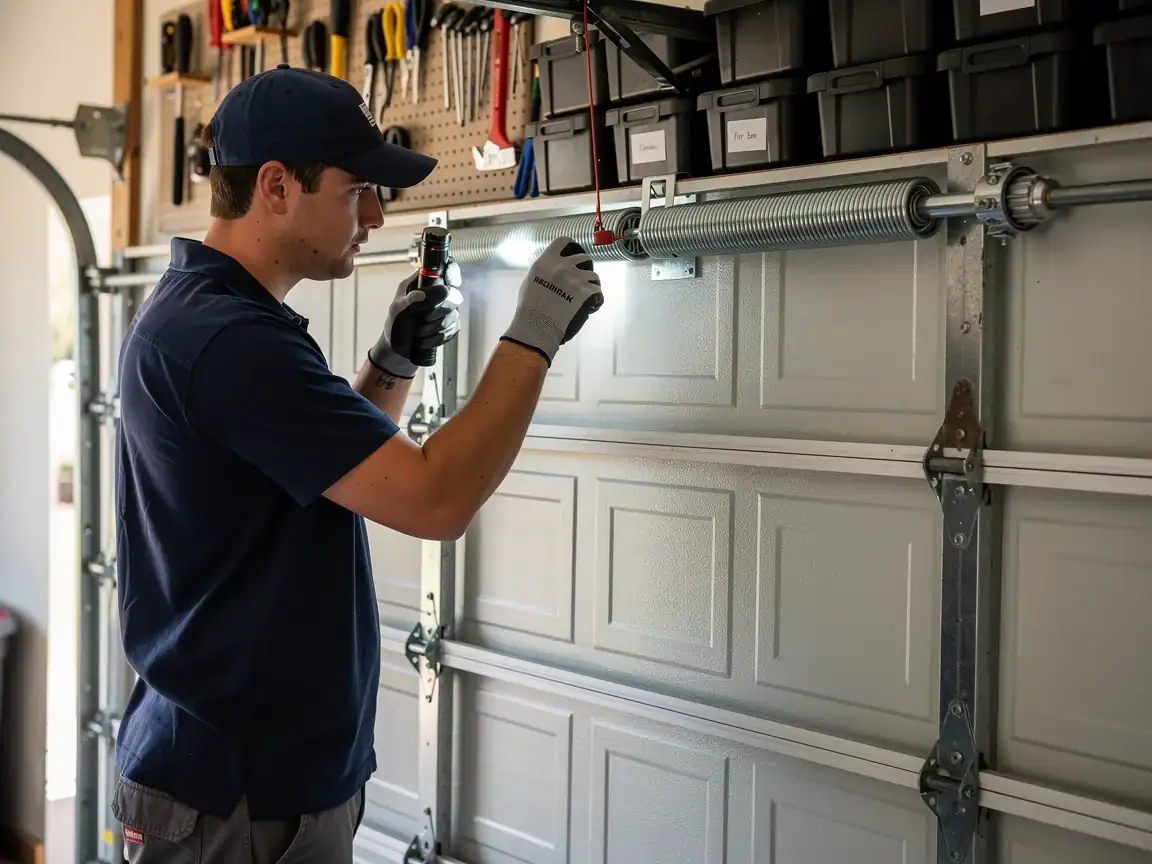
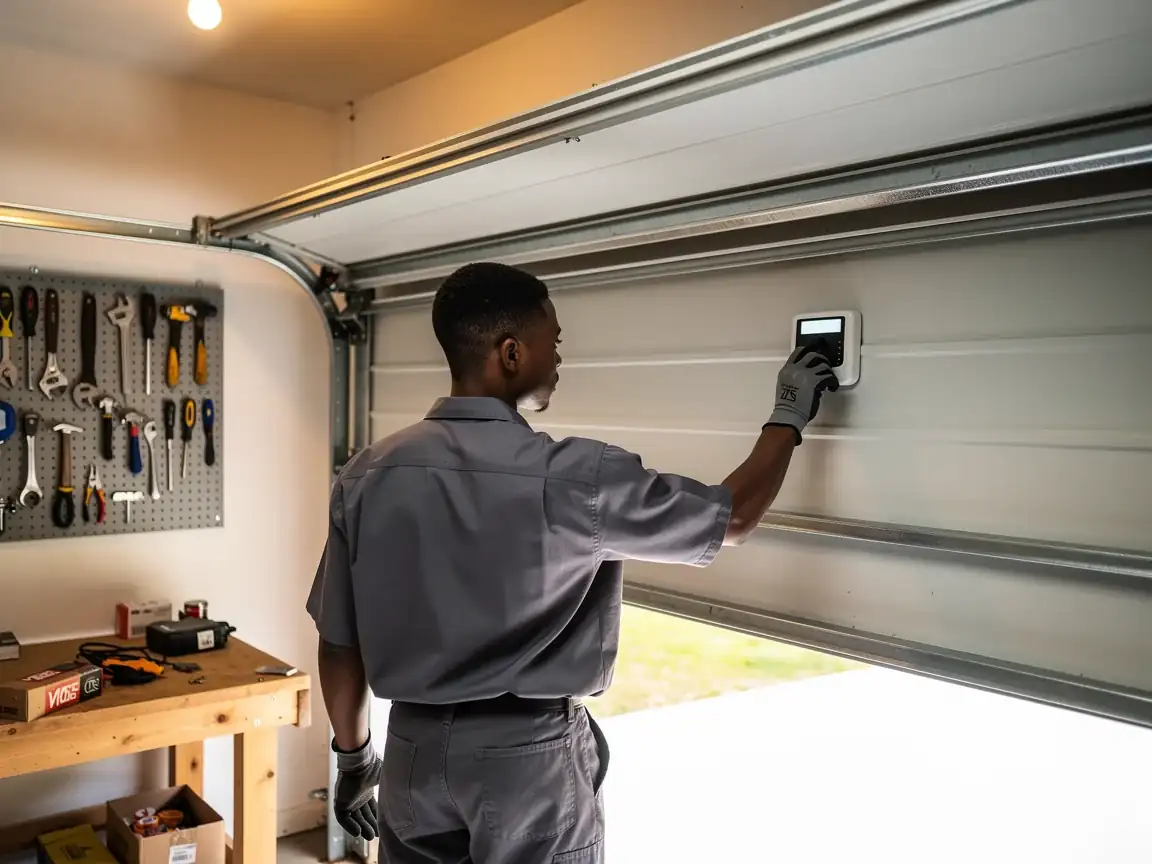
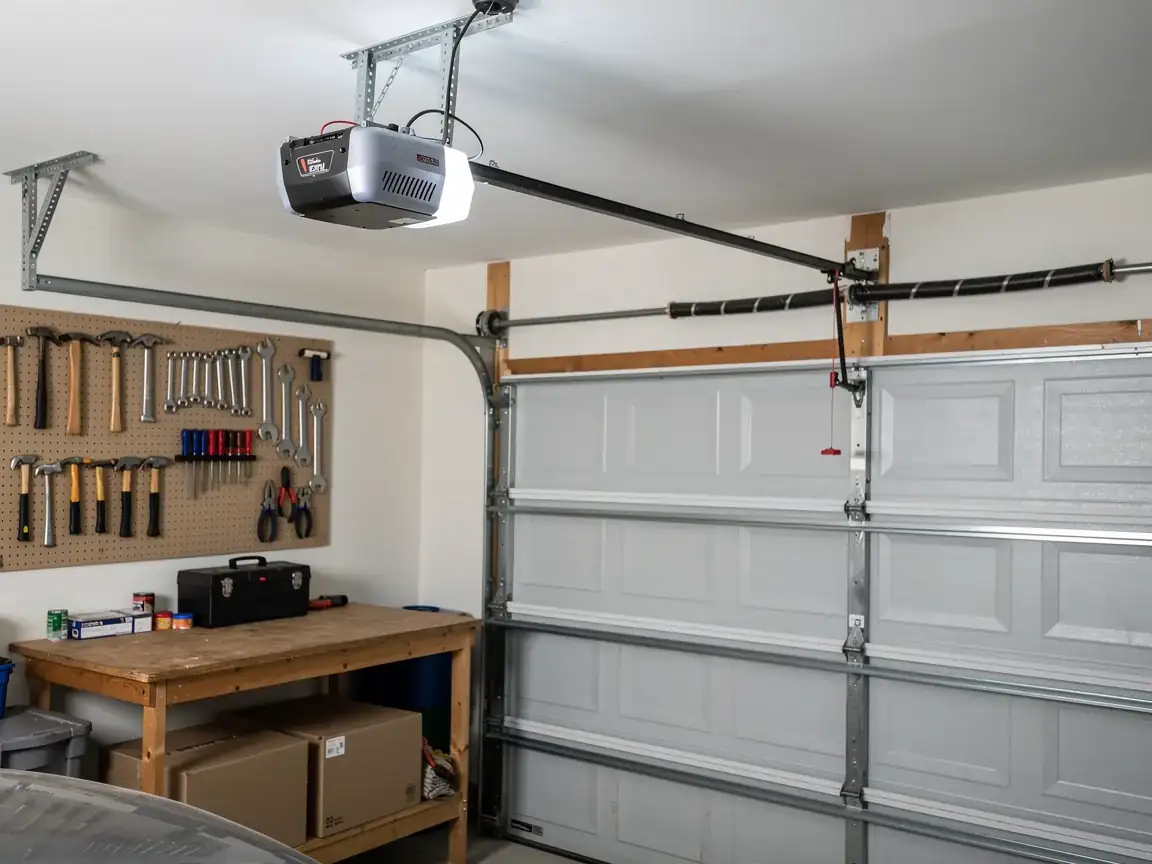
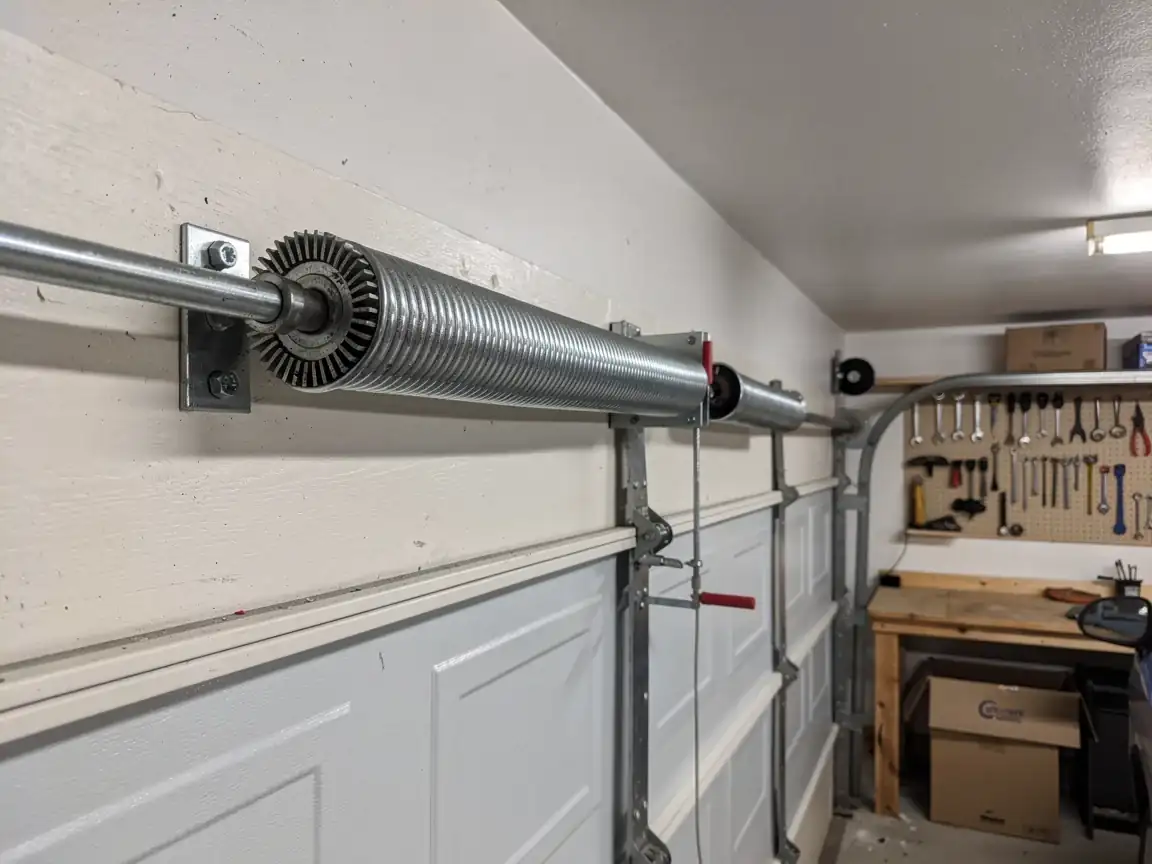
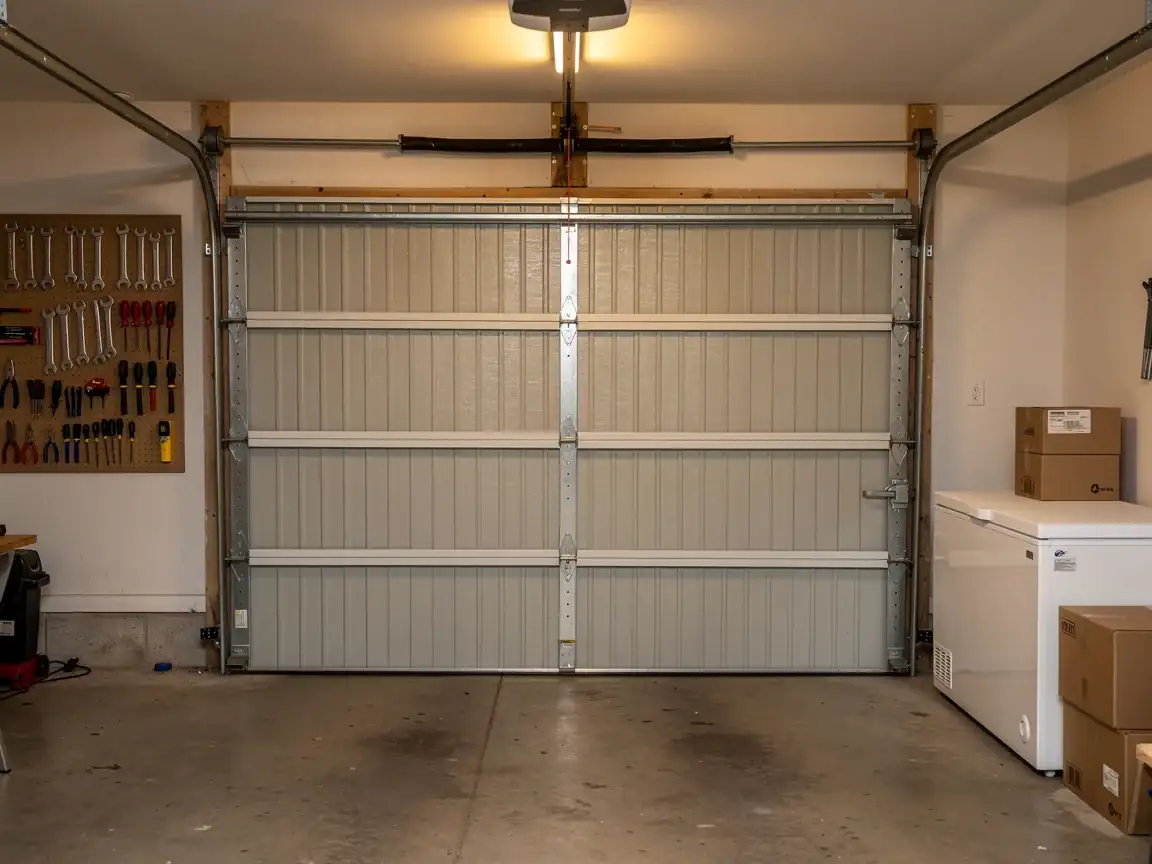
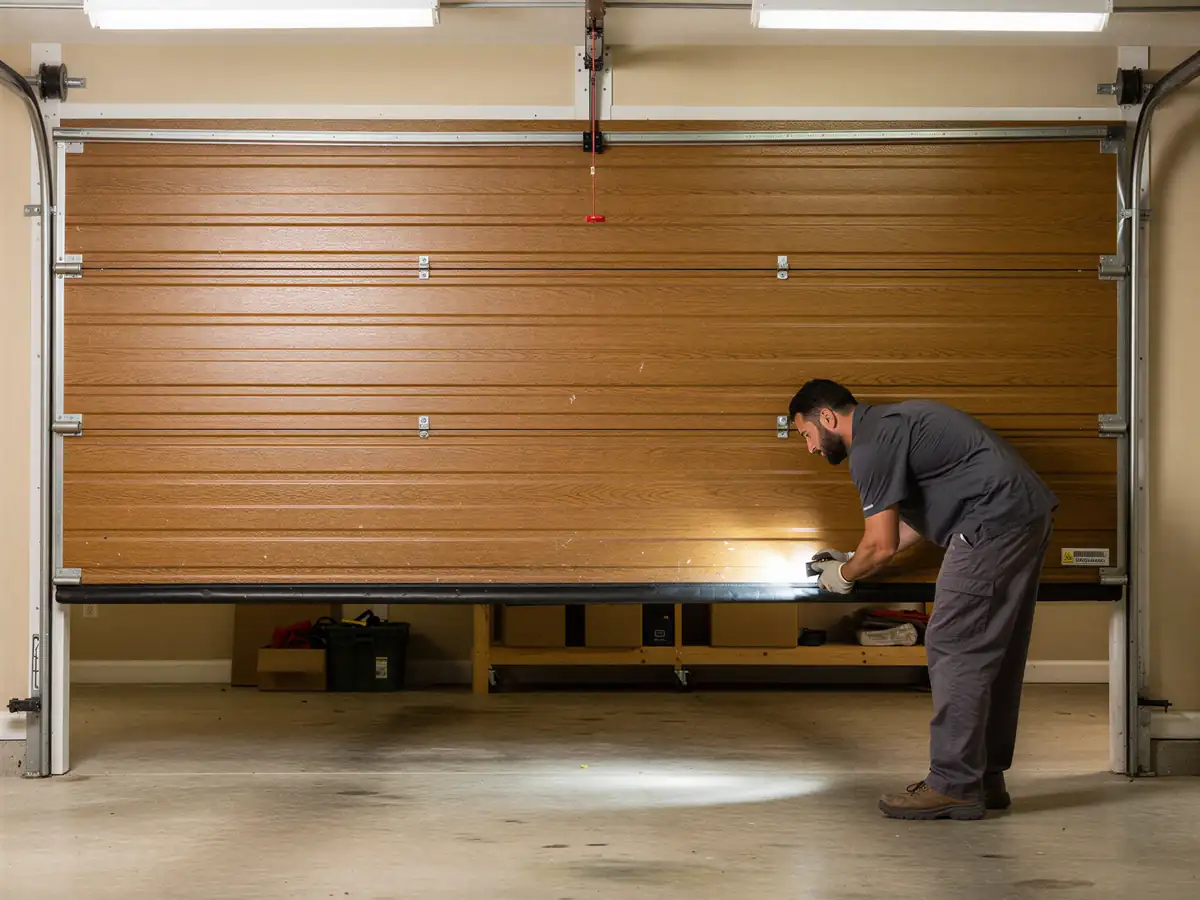
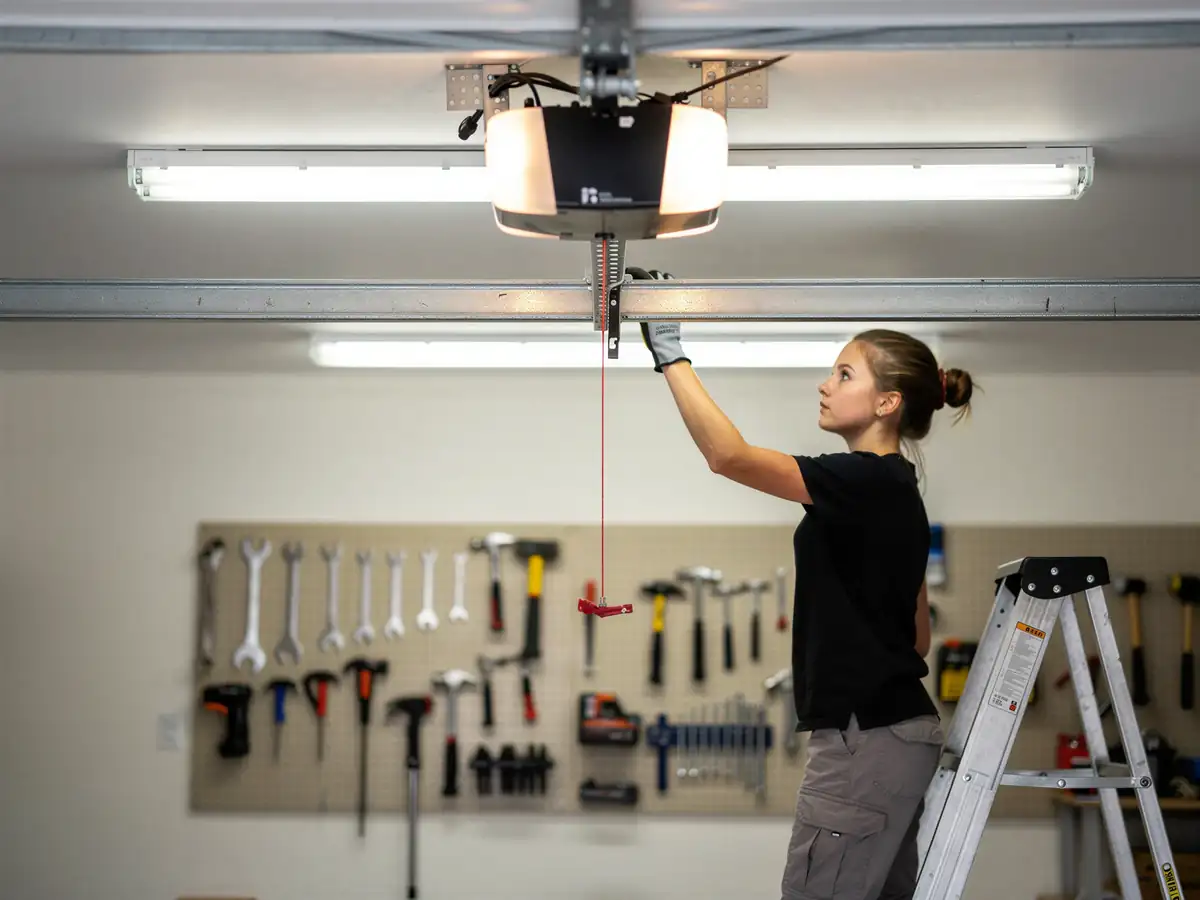
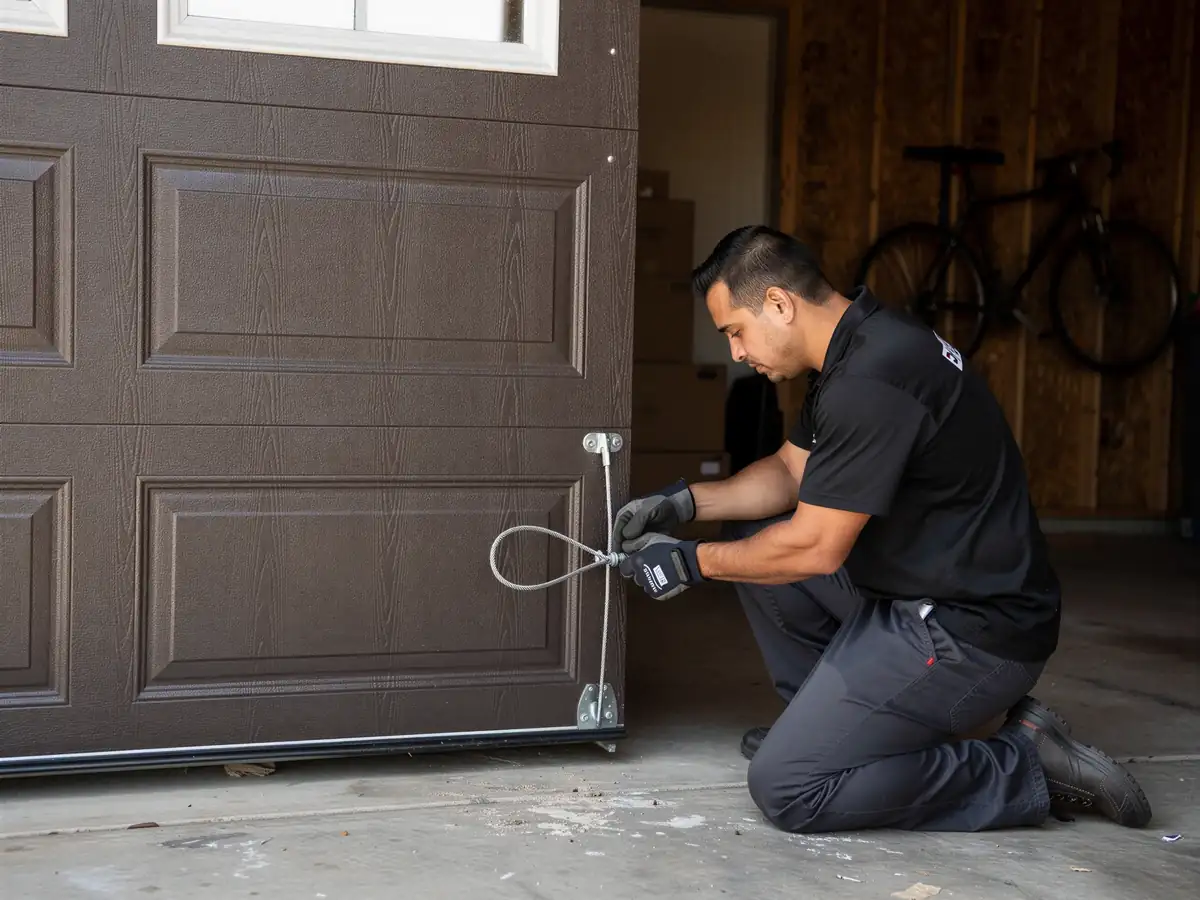
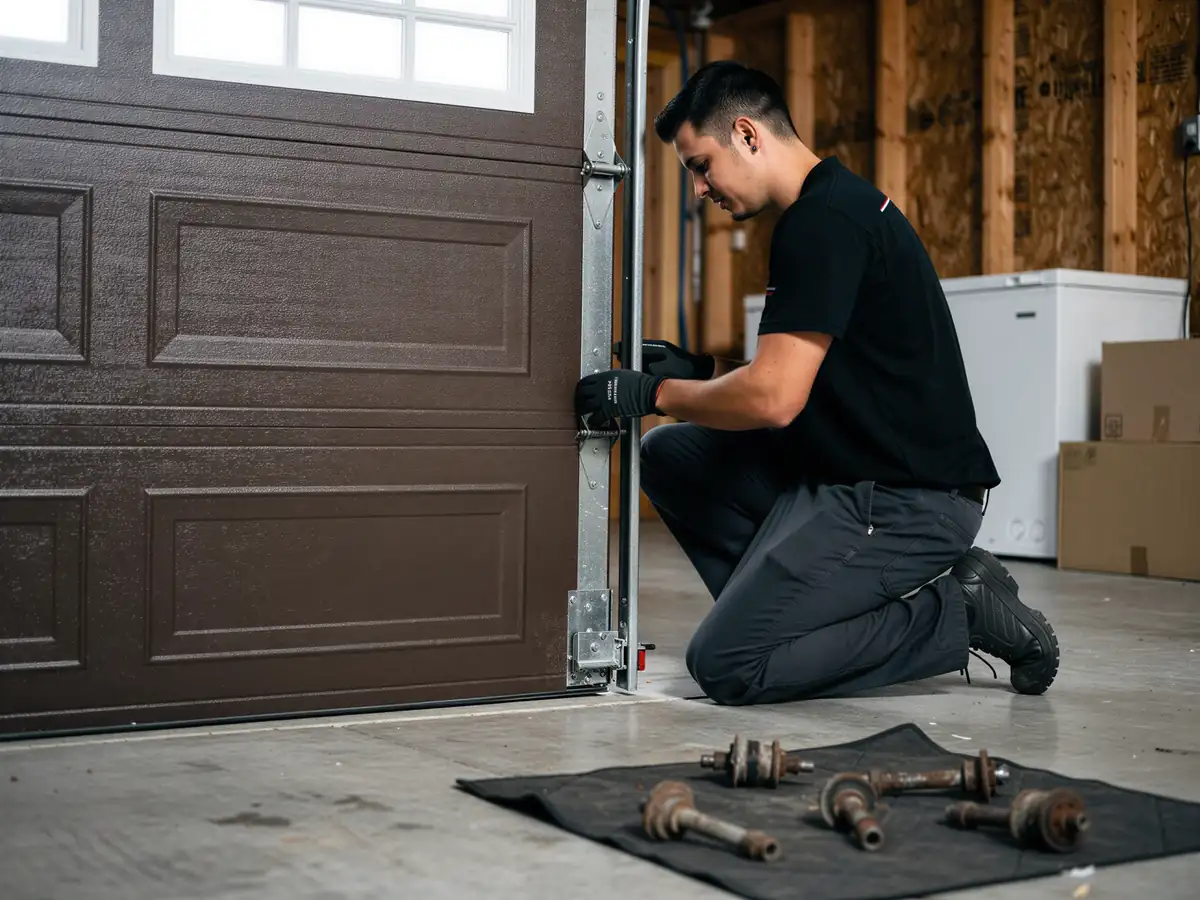
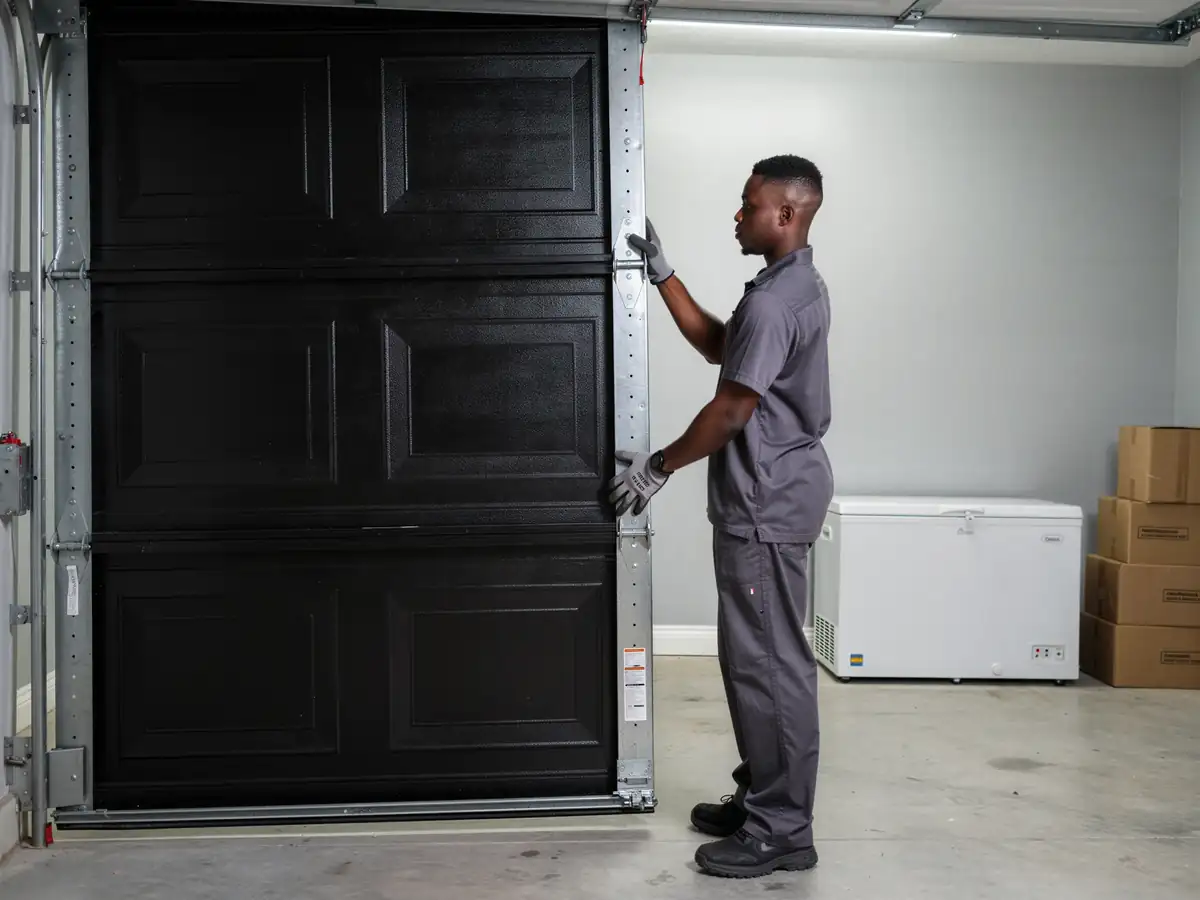
Maintenance on a residential garage door is not one task, it's a short list of checks that catch a failure before it strands your car in the driveway. We look at spring tension and coil wear, lubricate rollers and hinges, check cable fraying at the drum, inspect the track for alignment, and test the opener's force and travel limits against the safety reversal. On doors from the newer end of the local stock we also check the circuit board and wall control wiring, since those units depend more on electronics than the older torsion-and-pulley setups.
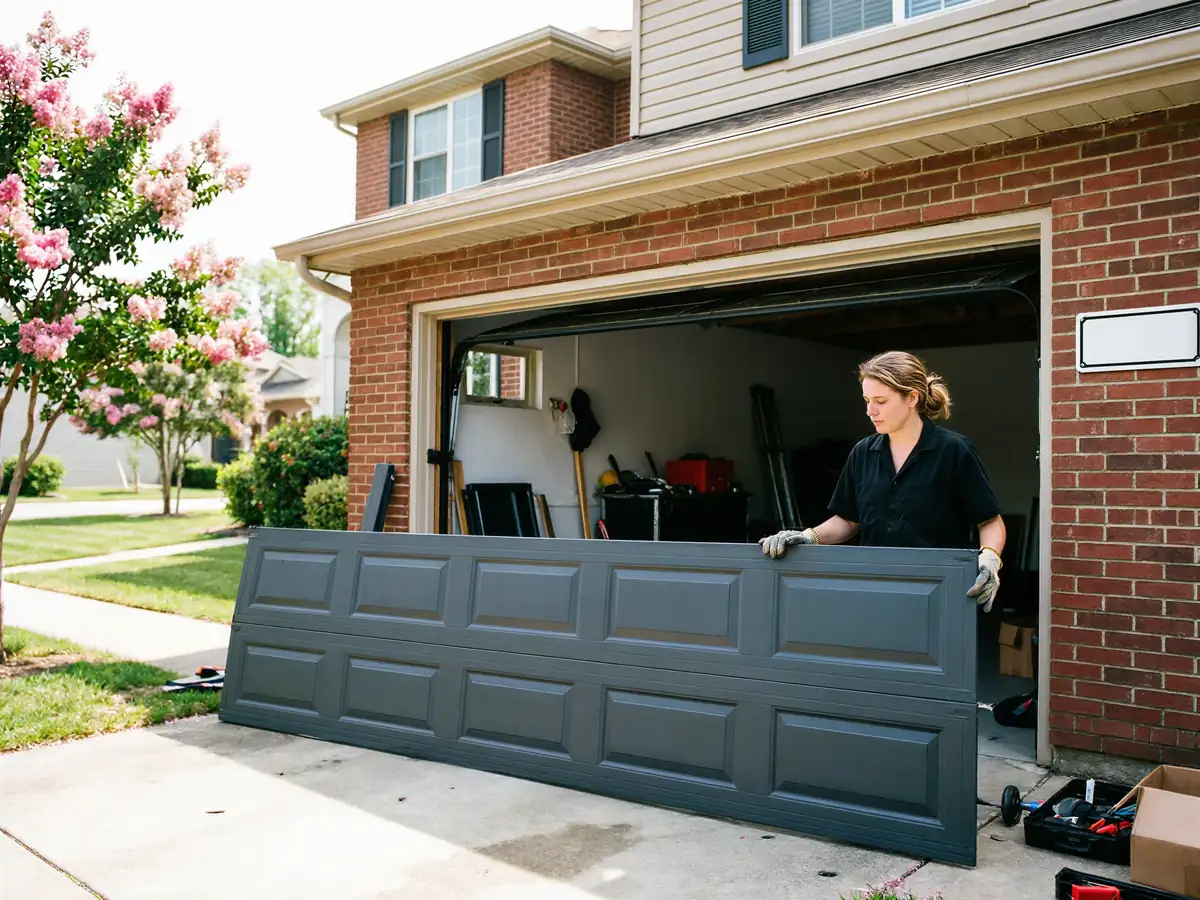
We don't replace parts that pass inspection just to pad a ticket. If a spring has life left in it, we say so and tell you roughly how much. That's also the honest limit of maintenance: it extends a door's working life and catches cheap problems before they become expensive ones, but it won't rescue a spring that's already fatigued past its wind count or an opener board that's already failing intermittently. Those need replacement, not a tune-up, and we'll tell you which one you're looking at before we touch anything.
Across the service area - which runs from towns like Nassau Bay and Taylor Lake Village out to Manvel, Santa Fe, and Iowa Colony - the maintenance checklist stays the same even though the housing stock and weather exposure shift a little town to town.
Why It Happens Here
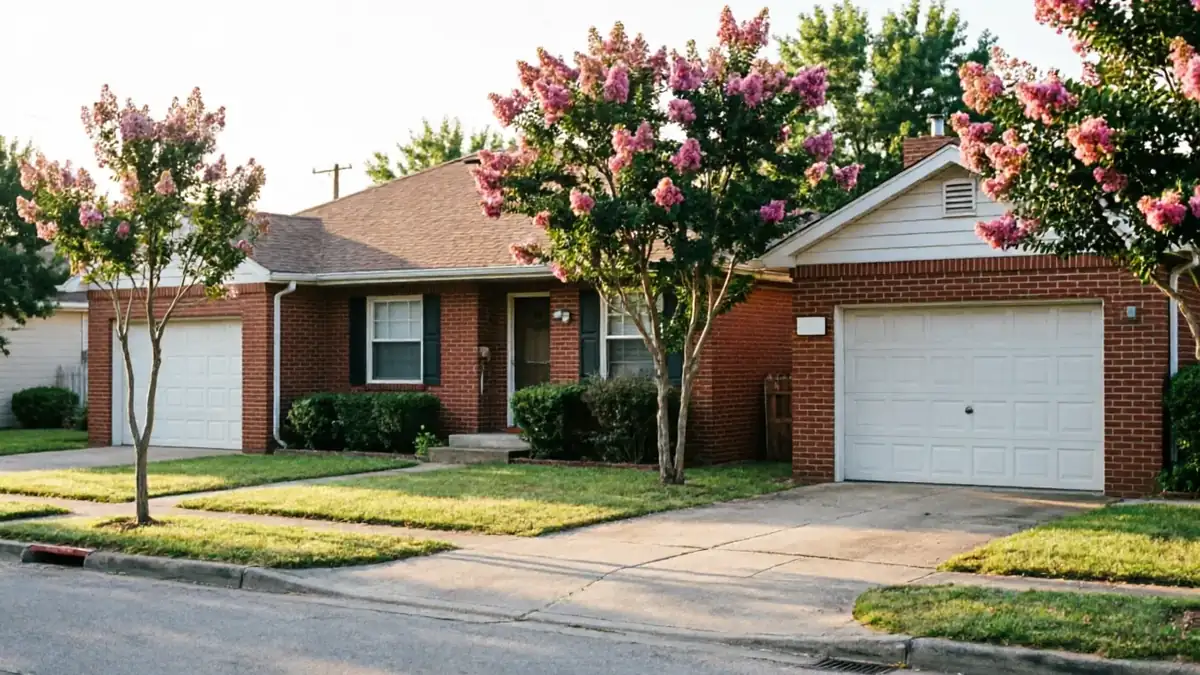
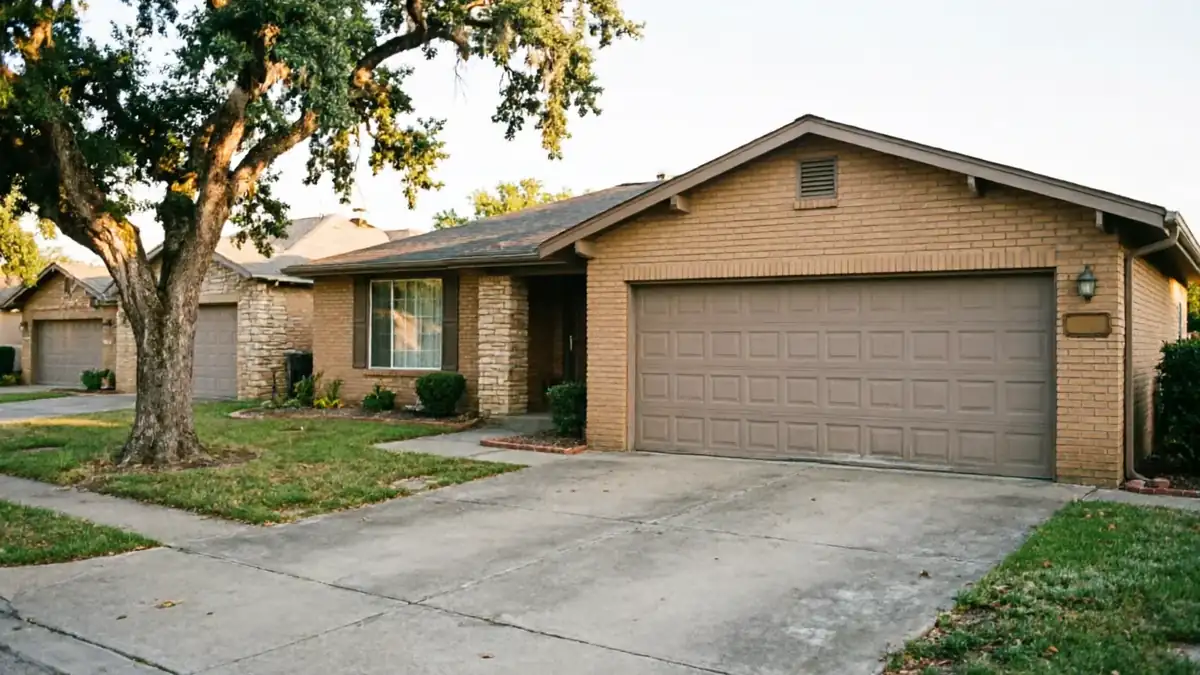
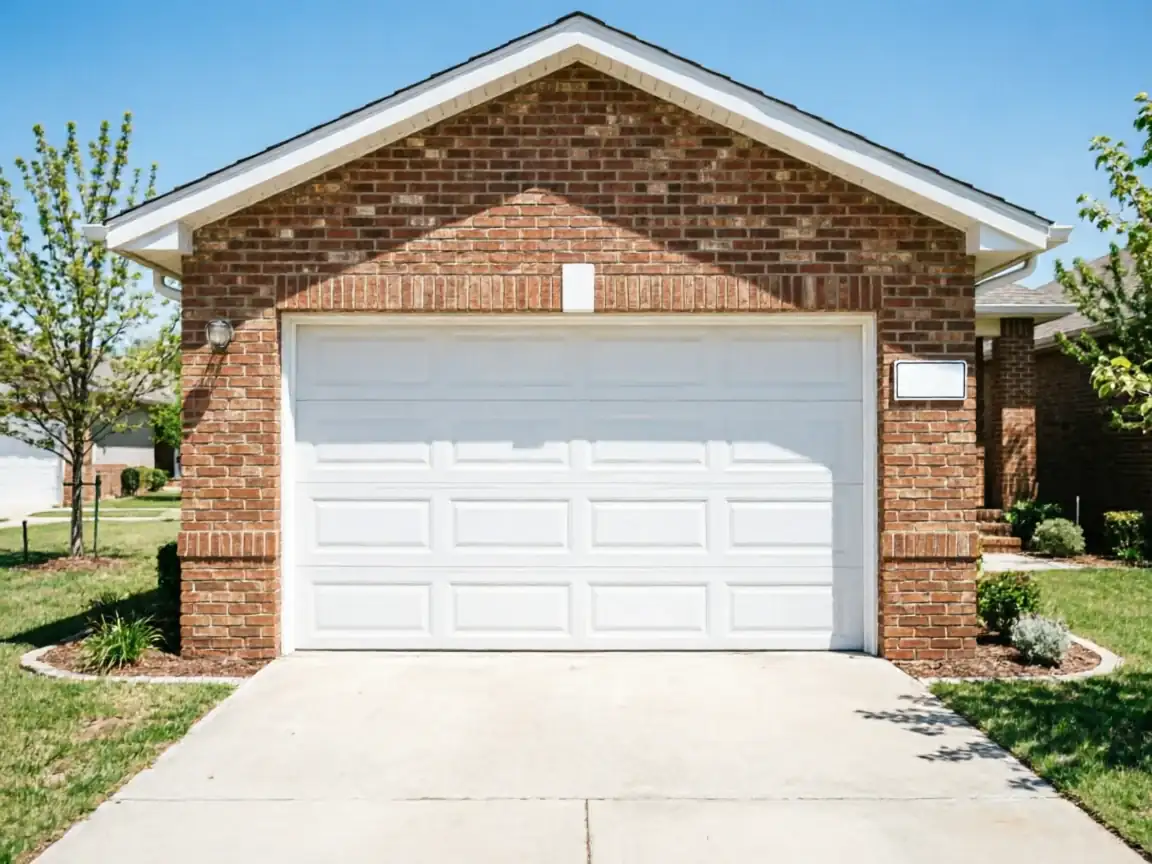
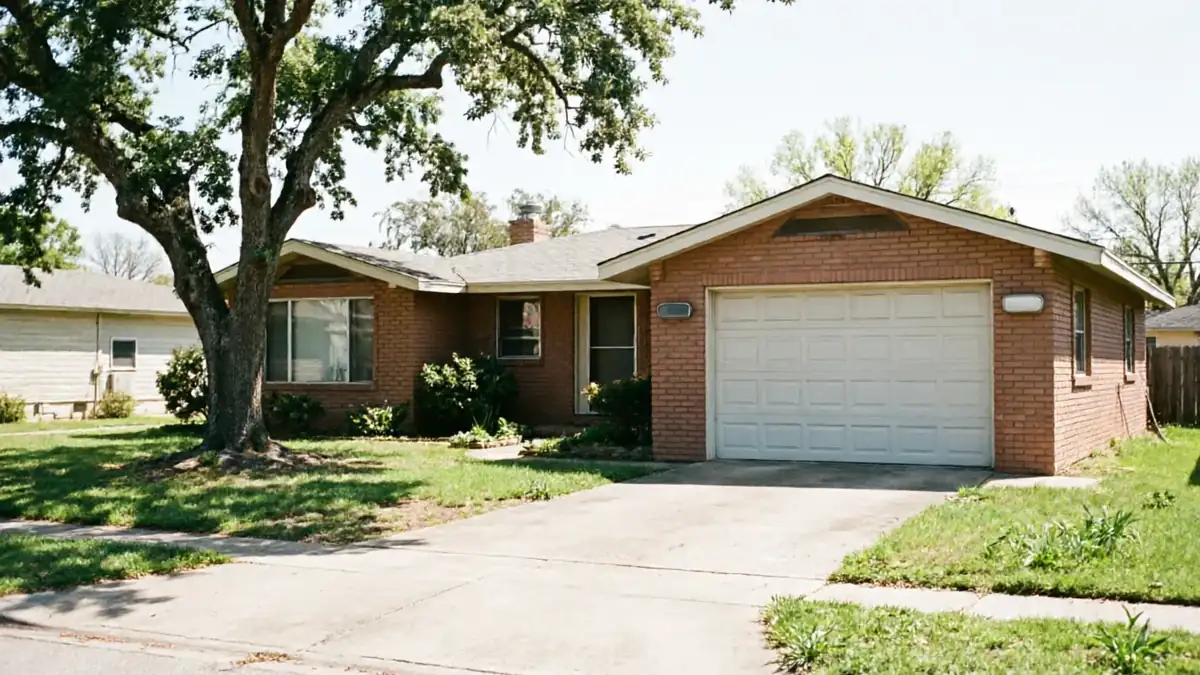
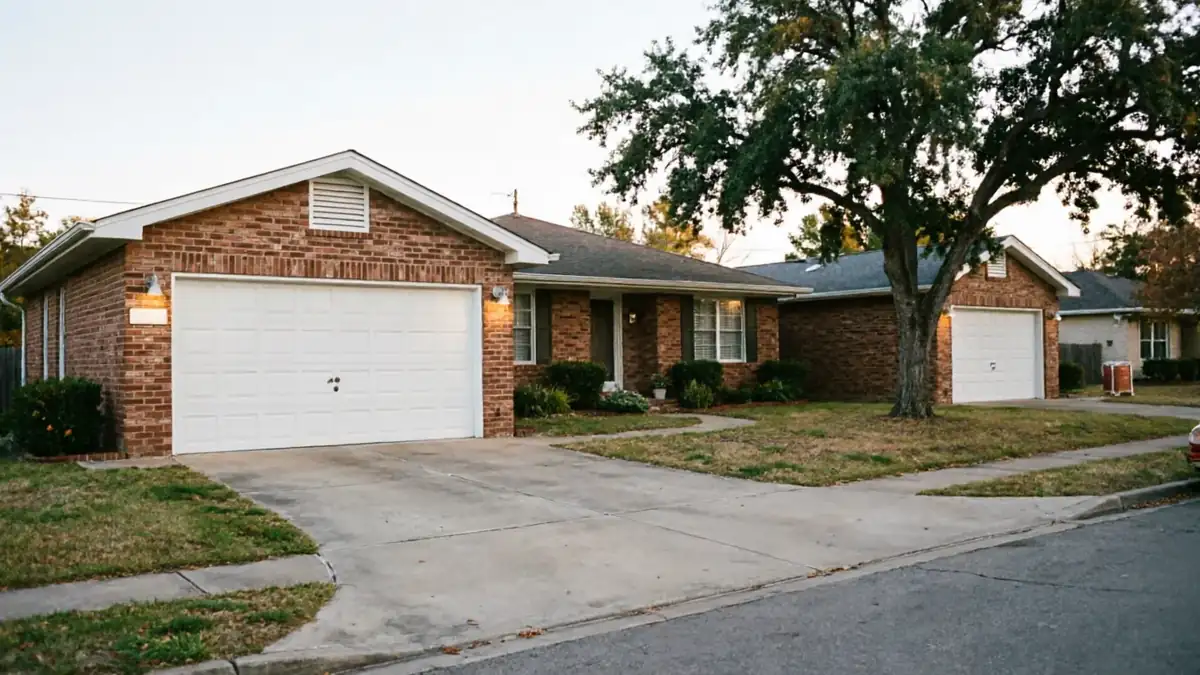
Housing across this service area was mostly built between 1956 and 2014, with the bulk of it going up in the 1980s and 90s. That matters for maintenance because doors and openers installed during that build-out window are now old enough that lubrication has dried out, torsion springs are well into their rated cycle count, and galvanized hardware is starting to show surface rust at the mounting brackets - but the stock isn't old enough that most owners have had a failure yet, so a lot of doors are maintained for the first time only after something squeaks loud enough to notice.
The climate band here is mild with occasional freeze events. That's a different stress profile than a true freeze-thaw region: you don't get ice jacking foundations or cracking slabs, but you do get humidity swings that gum up lubricant into a paste on tracks and rollers, plus the occasional hard freeze that stiffens grease and tightens metal tolerances just enough to strain a spring that was already marginal. A door that's fine in August can bind in a January cold snap for exactly that reason.
Across the 24 named communities in this service area, the mix of 1980s-90s builds with mild-but-not-mild-enough weather is the common thread, even where the exact housing age shifts by a few years from one town to the next.
Time on the Job
A standard maintenance visit
Spring check, lubrication, track and cable inspection, opener force test - runs on the shorter side of a service call, since nothing gets disassembled unless we find a problem during inspection. If we do find something, like a cable starting to fray at the drum or a roller that's cracked rather than just worn, we'll walk you through it on the spot rather than scheduling a second trip for something we could have fixed while we were already there.
Households across the service area skew owner-occupied
Roughly two out of every three homes among the area's households are owner-occupied rather than rented - and owners are the ones who tend to book maintenance proactively rather than waiting for a breakdown, since they're the ones paying for the eventual spring replacement either way. That's part of why a maintenance visit here is built around inspection first: most of what we check is still within normal range, and the visit is about confirming that and catching the small percentage that isn't.
We don't stock every opener circuit board on the truck
So if a newer electronic opener needs a part rather than a tune-up, that's a return trip once the part is in - we won't pretend otherwise just to make the first visit sound more complete than it is.
What You Are Seeing
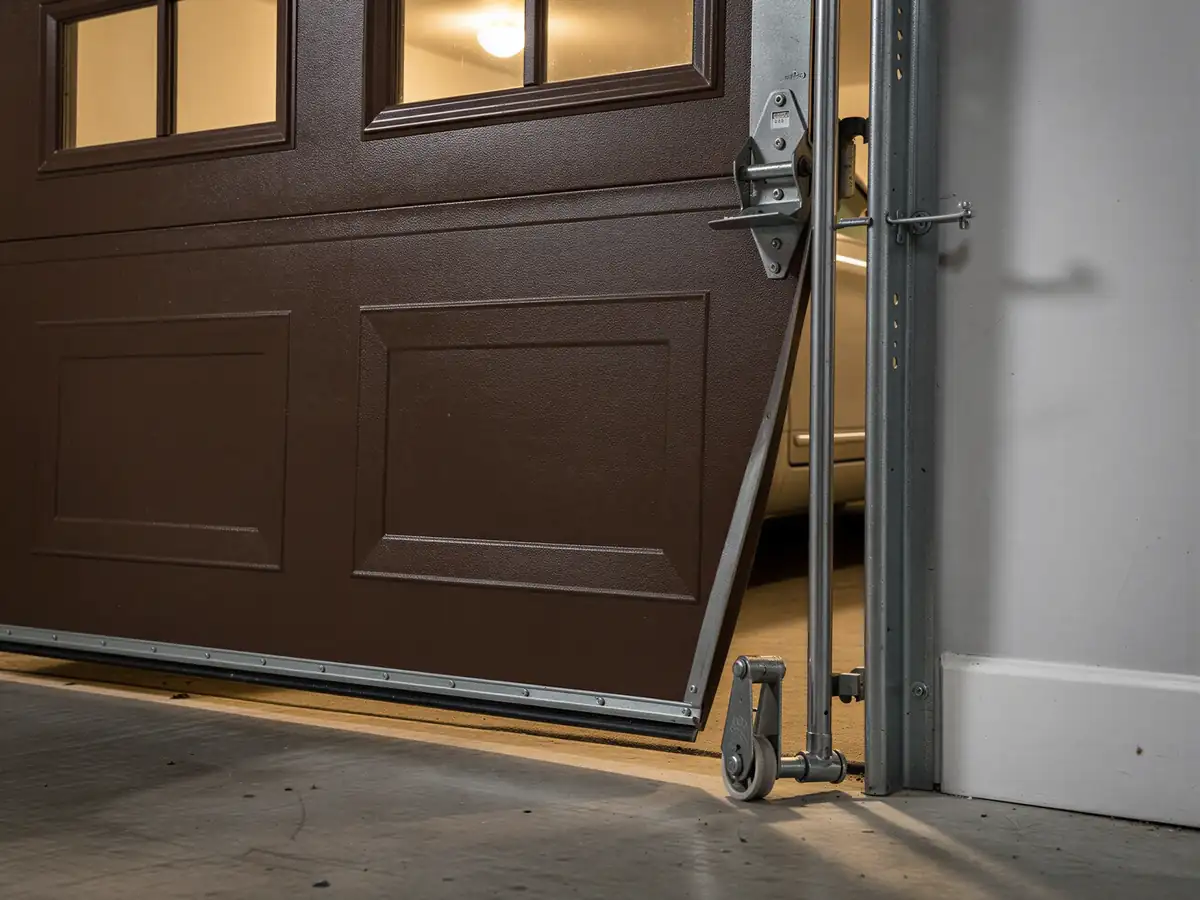
The early signs are usually small. A door that used to run quiet now has a grinding or popping noise at one spot on the track - that's often a roller going flat, not yet a spring problem. An opener that strains or reverses partway up is telling you the spring is losing tension and the opener is compensating, which is exactly the kind of thing a maintenance check catches before the spring finishes failing. Visible rust streaks on the torsion bar or cable ends are common in this climate band's humidity, even without the door being near water, and it's worth having that checked rather than assumed cosmetic.
If the door feels heavier to lift by hand than it used to, that's not your imagination - it's the spring. A door that's properly balanced should lift with one hand and stay wherever you leave it. One that slams down or won't stay halfway is overdue for a look, especially on homes built in the earlier part of the 1956 to 2014 range where original hardware may never have been serviced.
If you're not sure whether what you're hearing is routine wear or something closer to failure, that call is worth making before the door gets stuck in the closed or open position, which is a worse day for everyone.