The Situation
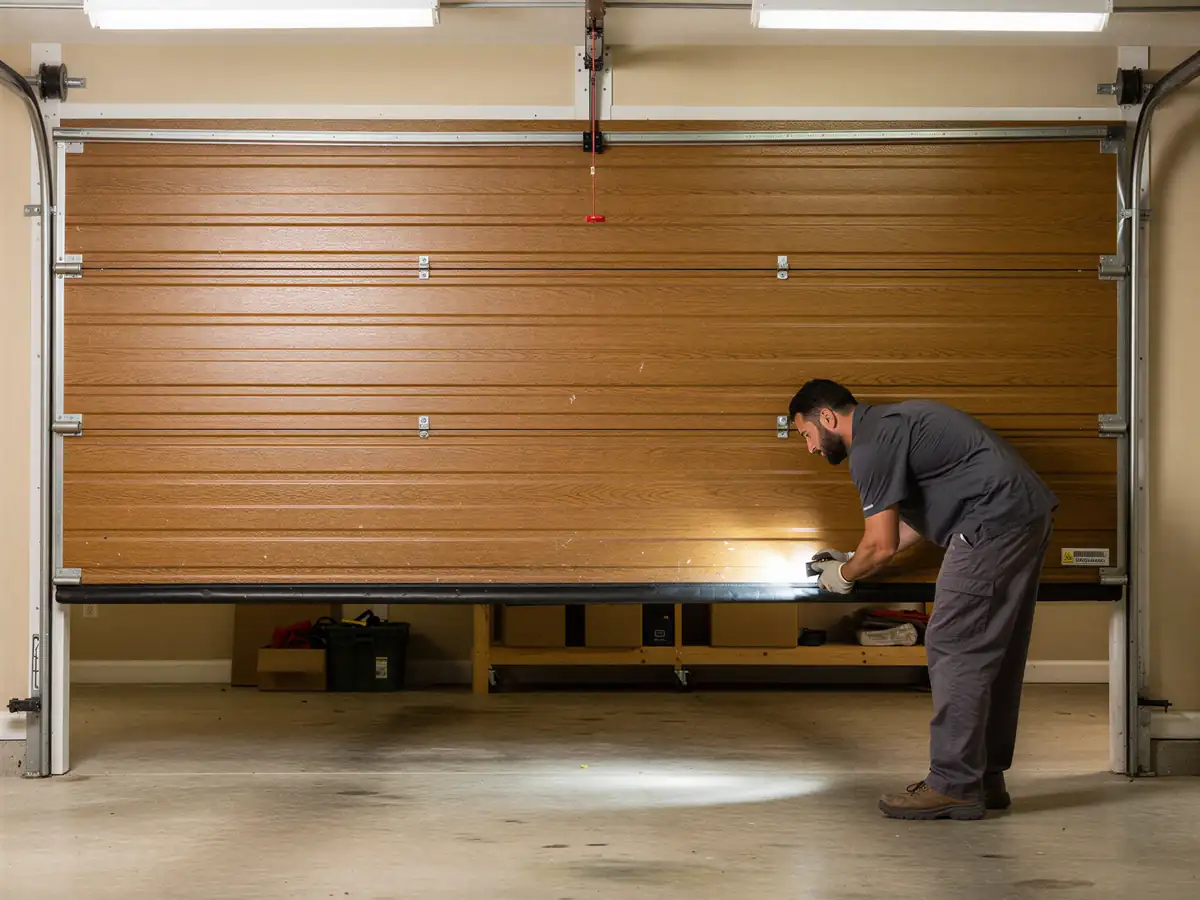
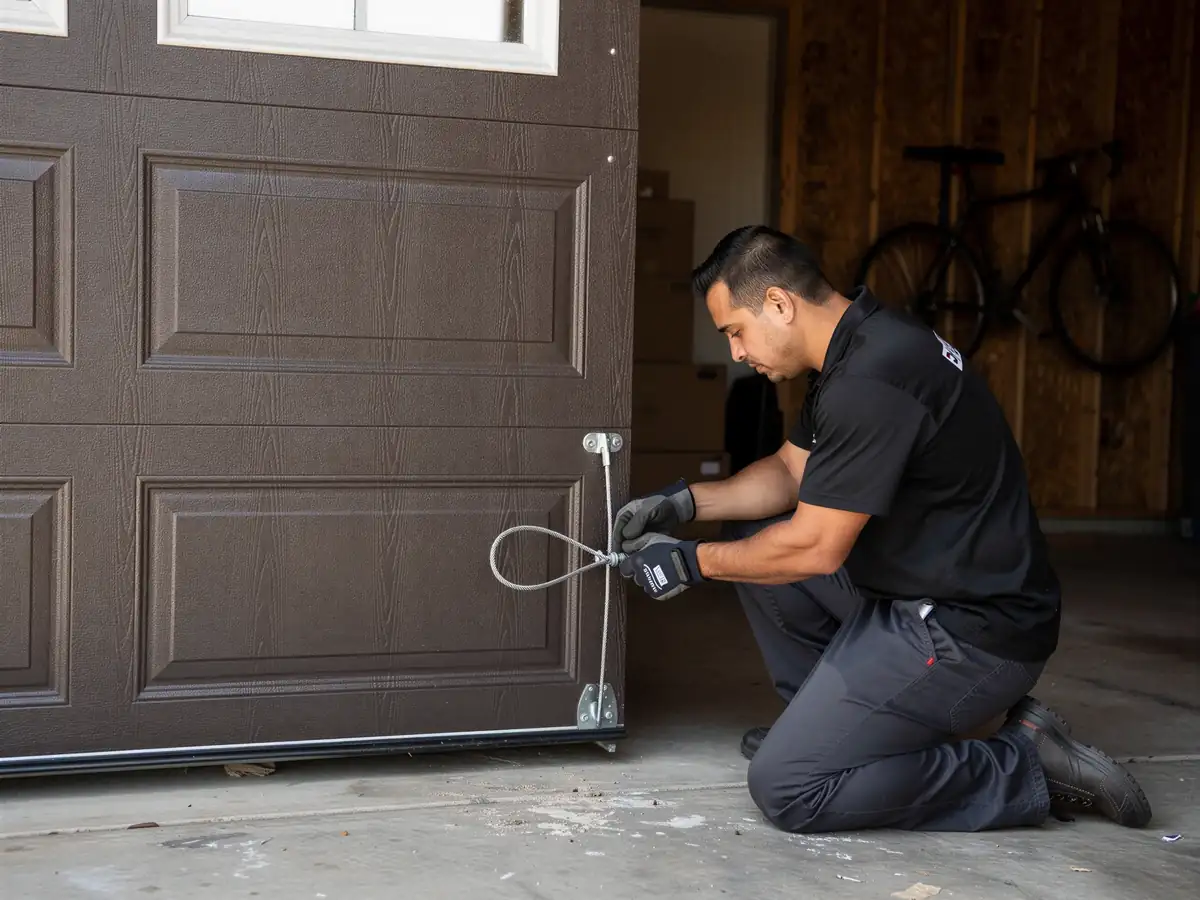
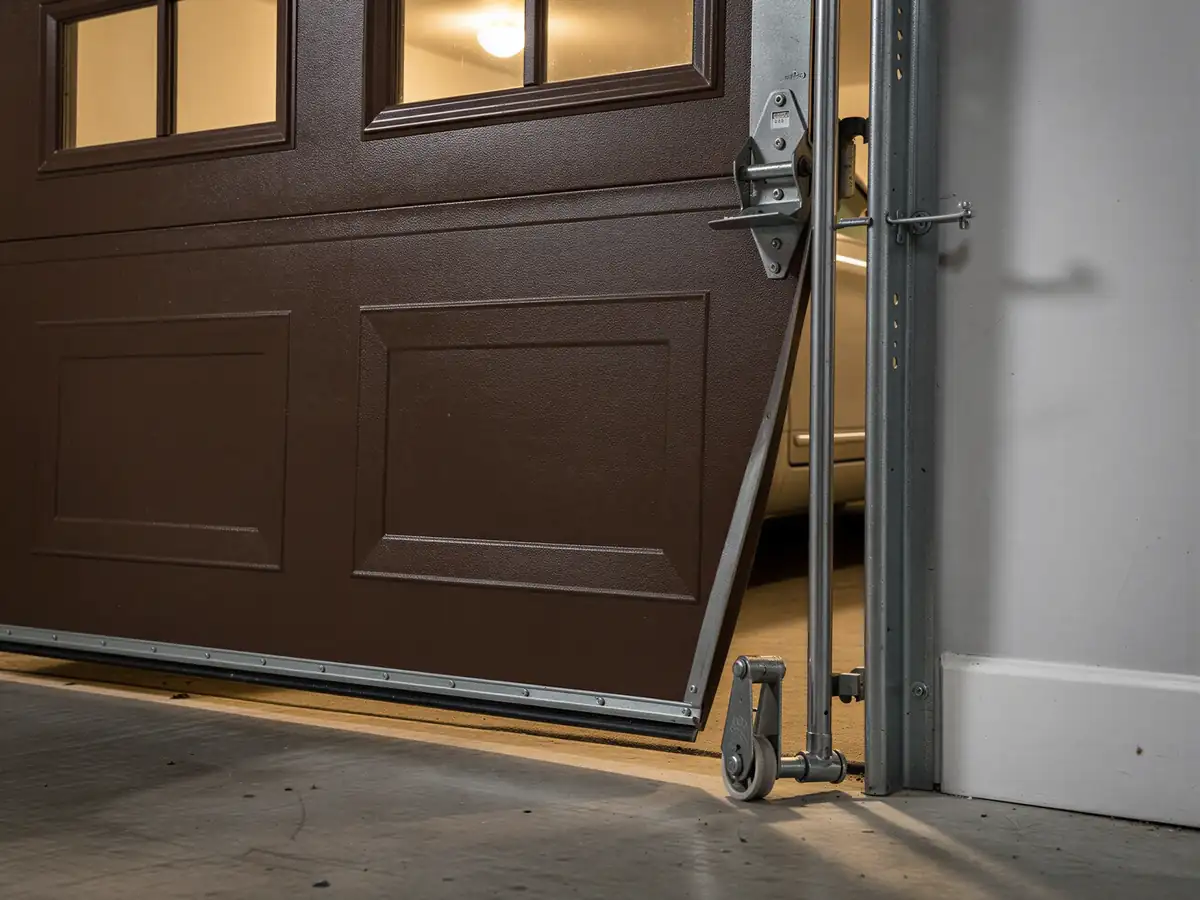
Most of the housing across the Friendswood service area went up between 1956 and 2014, with the median build year sitting around 1987. That's not a trivia point - it means a big share of the torsion springs holding up garage doors right now were wound sometime in the 1980s or 90s and have been doing their job, uninspected, ever since. Steel springs are rated for a set number of open-close cycles, and age alone wears them down even without a dramatic event. Then a cold morning hits. The area sits in a mild climate band, but it still gets occasional freeze nights, and that's exactly the kind of temperature swing that finds the weak spot in a spring that was already near the end of its life. You go to open the door before work, hear a bang or a loud twang, and the door won't budge - or worse, slams down. That's a spring that gave out on a cold morning, not a spring that broke because of the cold itself.
The Common Mistake
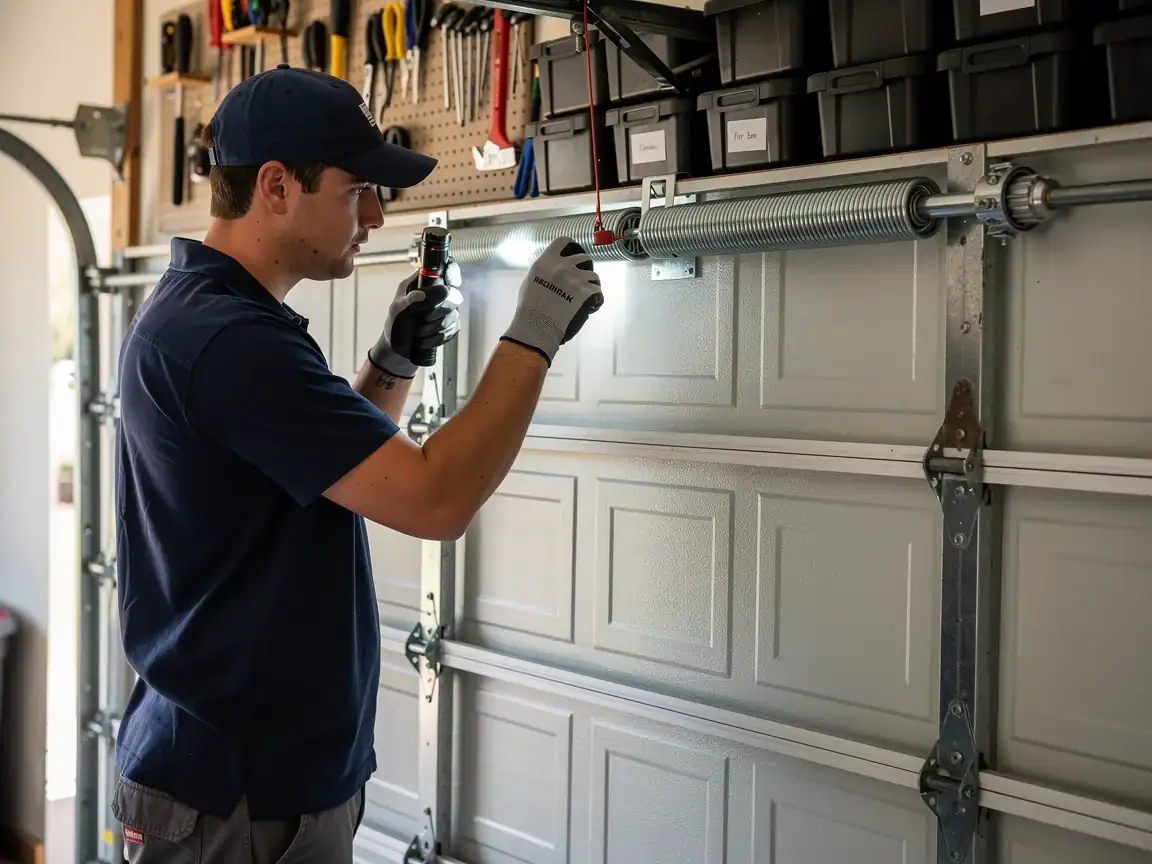
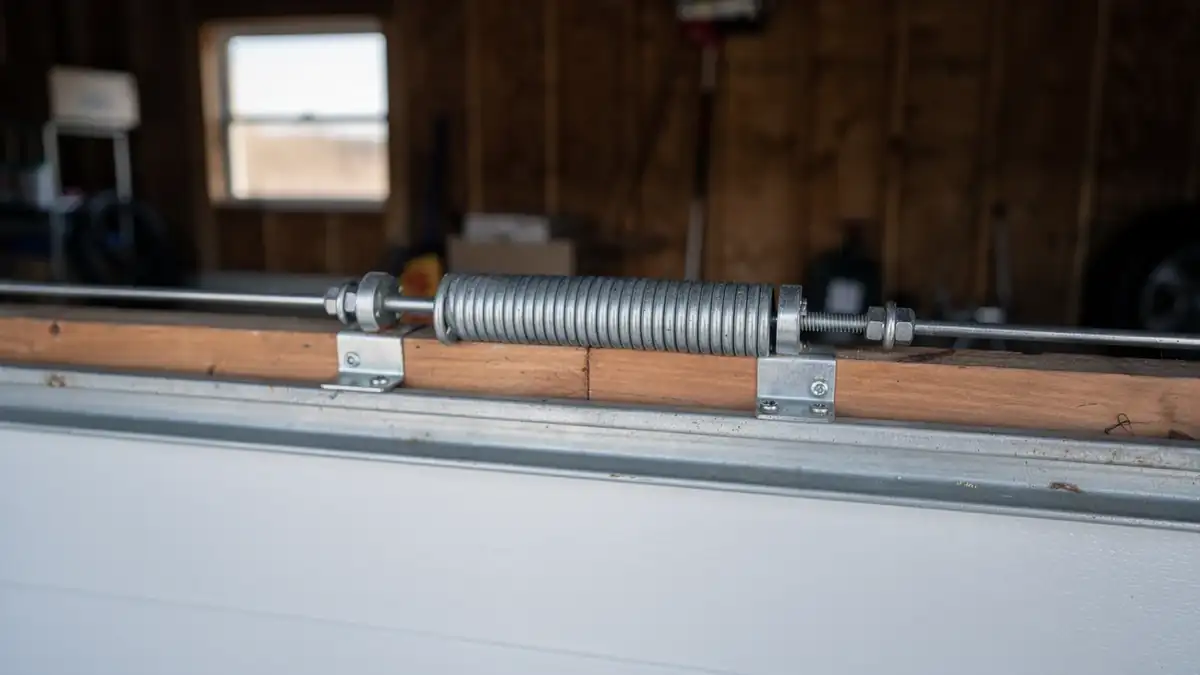
Because this part of Texas rarely sees hard freezes, a lot of homeowners figure cold weather just isn't something their garage door has to deal with. So the spring gets ignored - no lubrication, no visual check for rust or gaps in the coils, nothing - for years at a stretch. That's the mistake. It's not that cold breaks springs that would otherwise last forever; it's that a spring already near the end of its rated cycles, installed back when a lot of these subdivisions were built in the 1980s and 90s, gets pushed past its limit by one cold, dry morning when the steel is stiffer and less forgiving. Owners also tend to wait until the door won't open at all before calling anyone, by which point the cables or the opener gears have usually taken damage too from trying to lift against a dead spring. A five-minute look at the spring coils twice a year catches most of this before it turns into an emergency call.
What You Pay
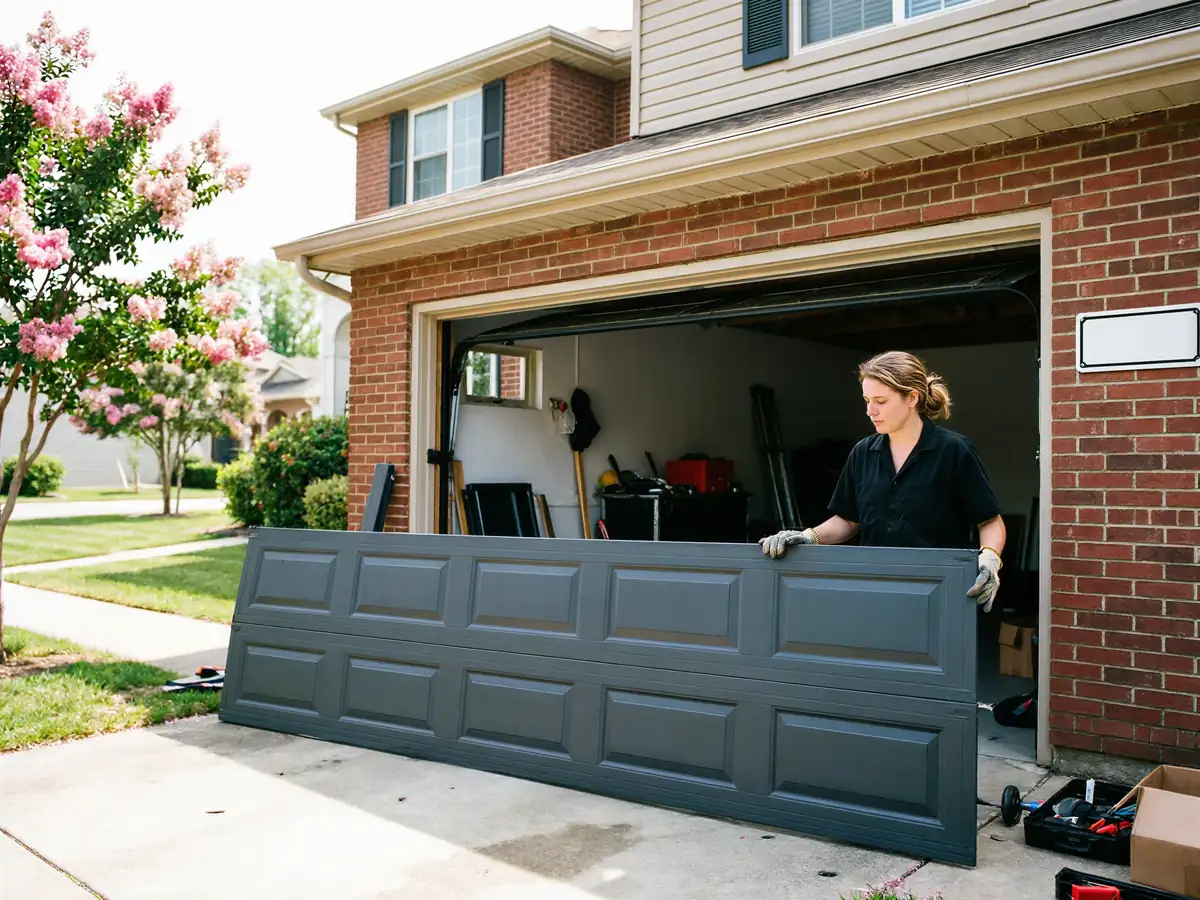
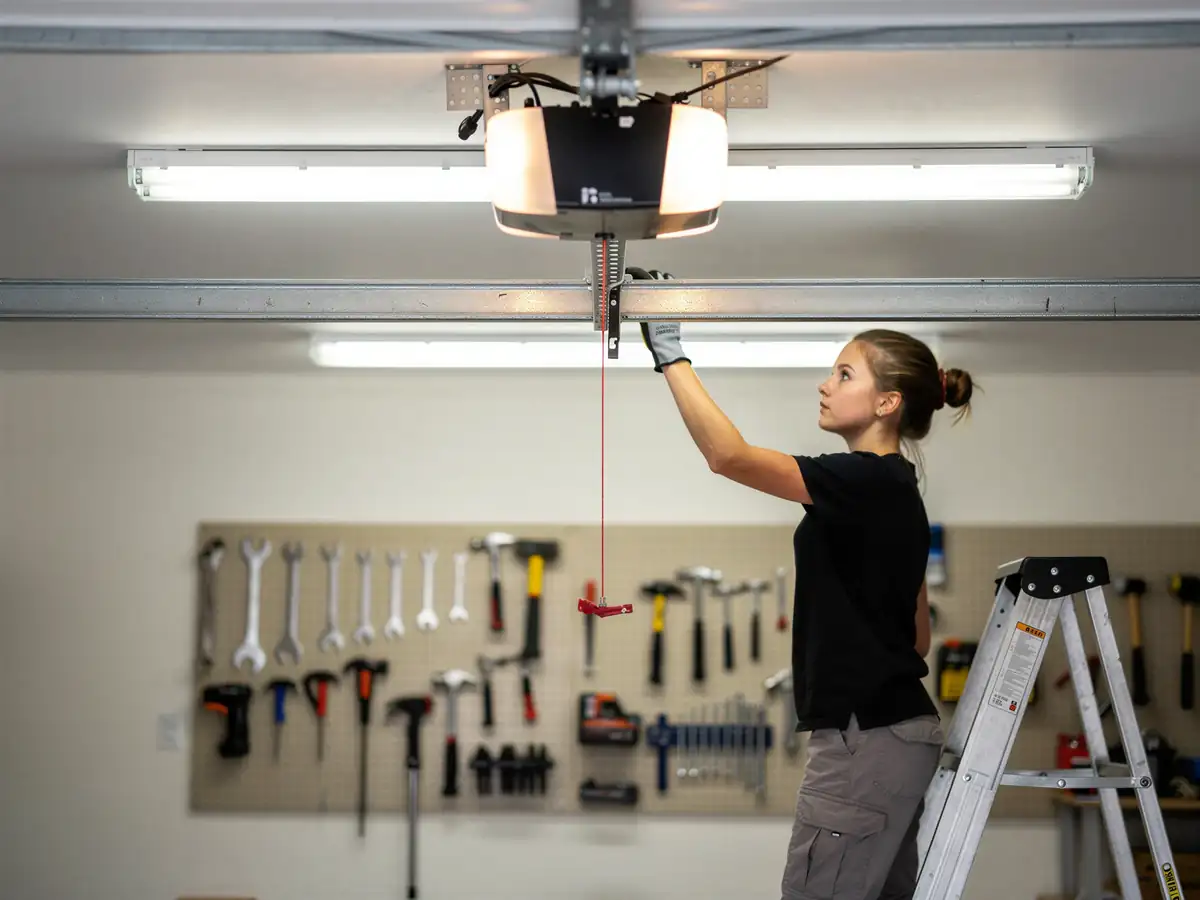
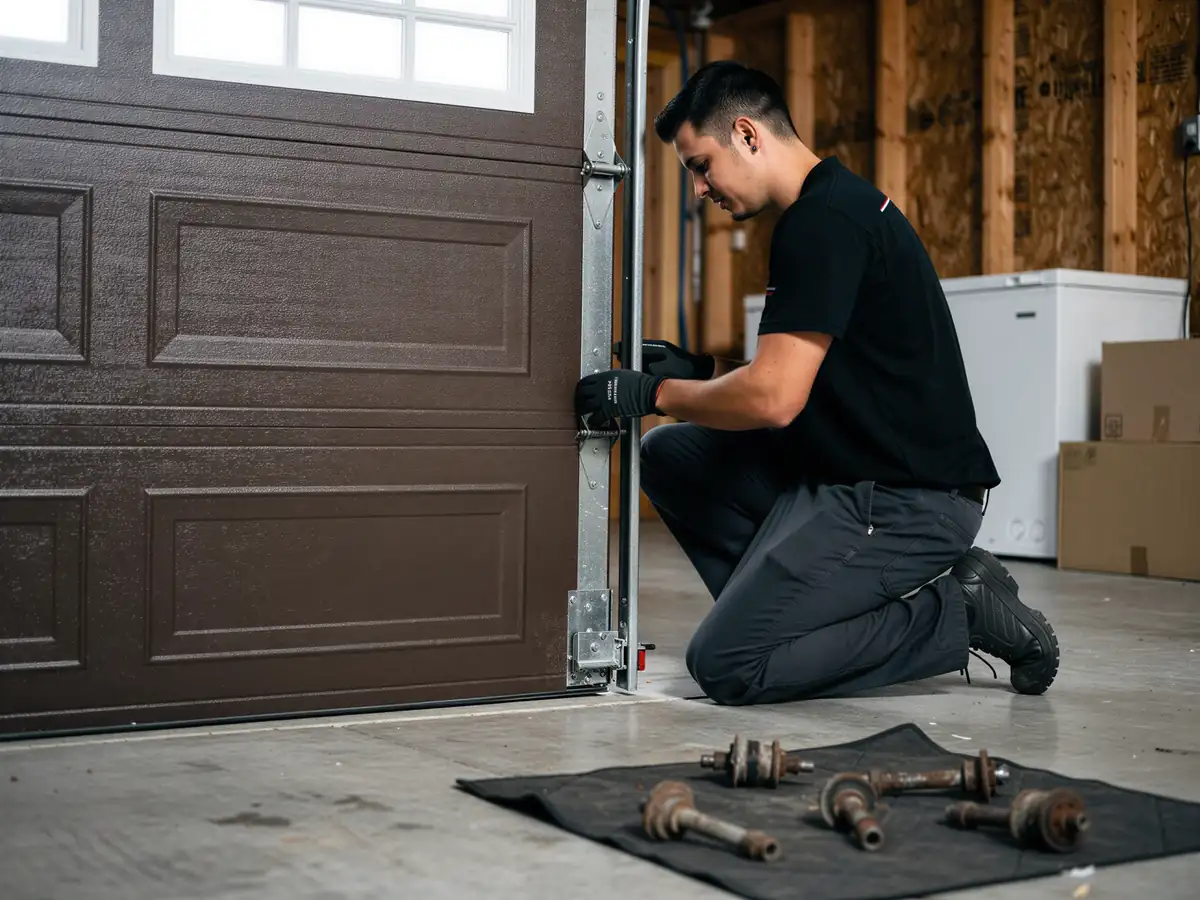
We don't have a published price list to quote here, and giving one without seeing the door would be a guess, not a fact. What drives the cost on a cold-snap spring call is usually straightforward: whether it's one spring or a matched pair on a double door, whether the cables or rollers took damage from the door trying to run on a dead spring, and whether the opener's gears got stressed in the process. With a median household income of $82,018 across the area and tens of thousands of owner-occupied homes built in that same 1980s-90s window, replacing both springs on a double door at once - rather than fixing only the one that broke - is the more common call, since the second spring is usually close behind it in wear. One limit worth naming: if the opener motor itself needs replacing, that's a separate repair, and we won't fold an unrelated fix into a spring call just to round out the invoice.