The Situation
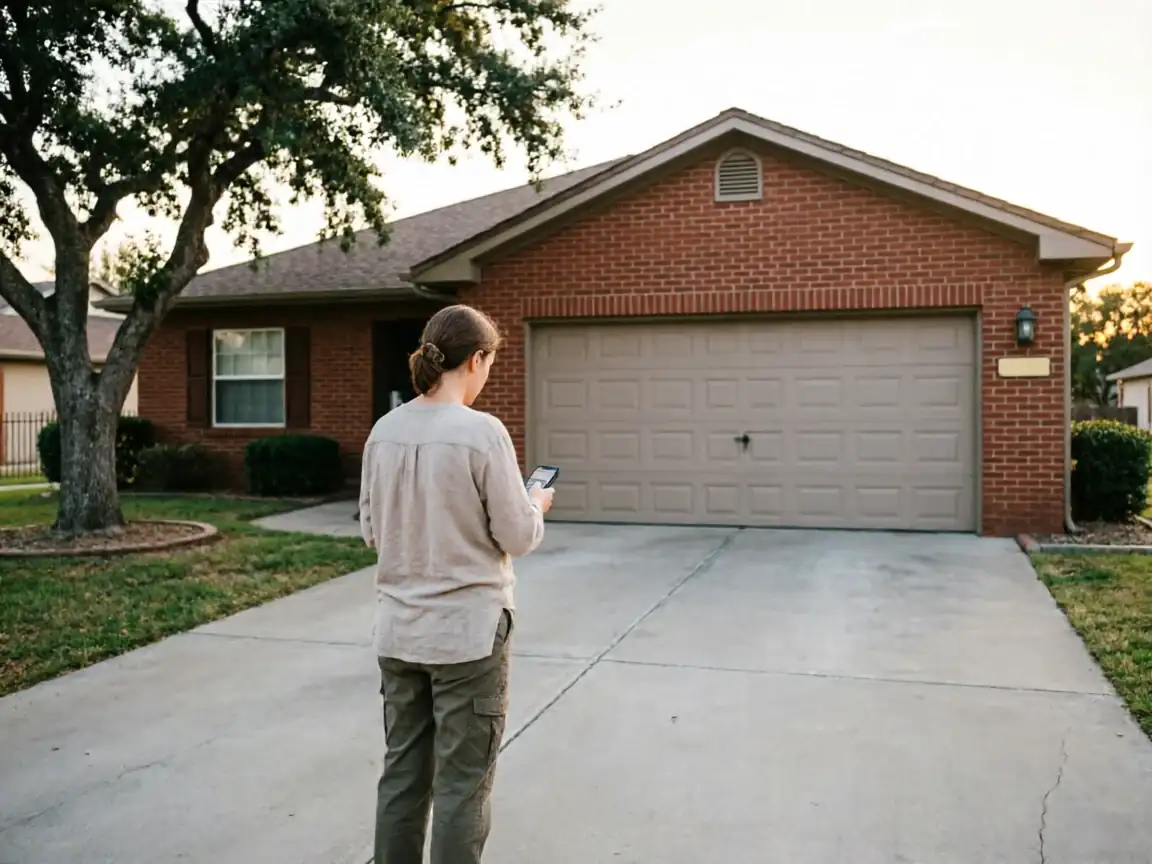
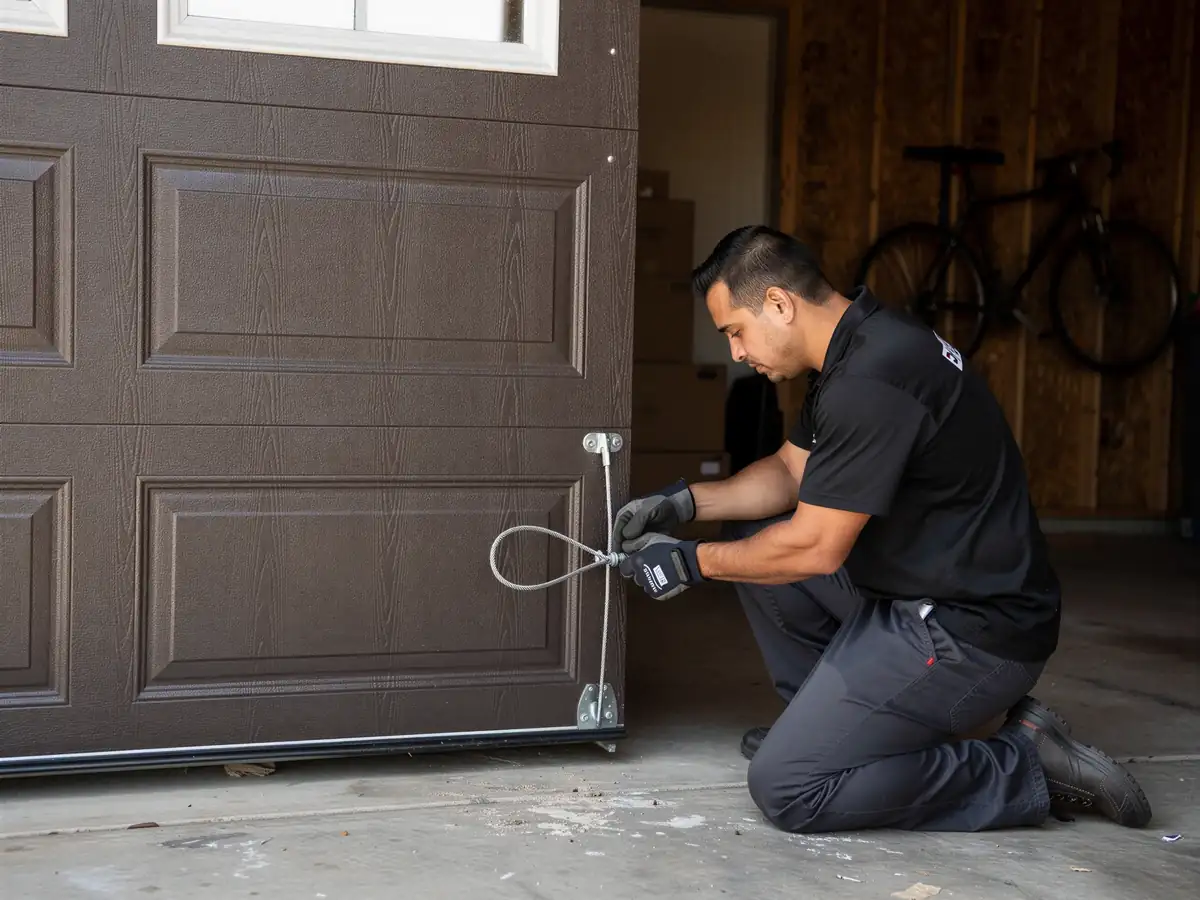
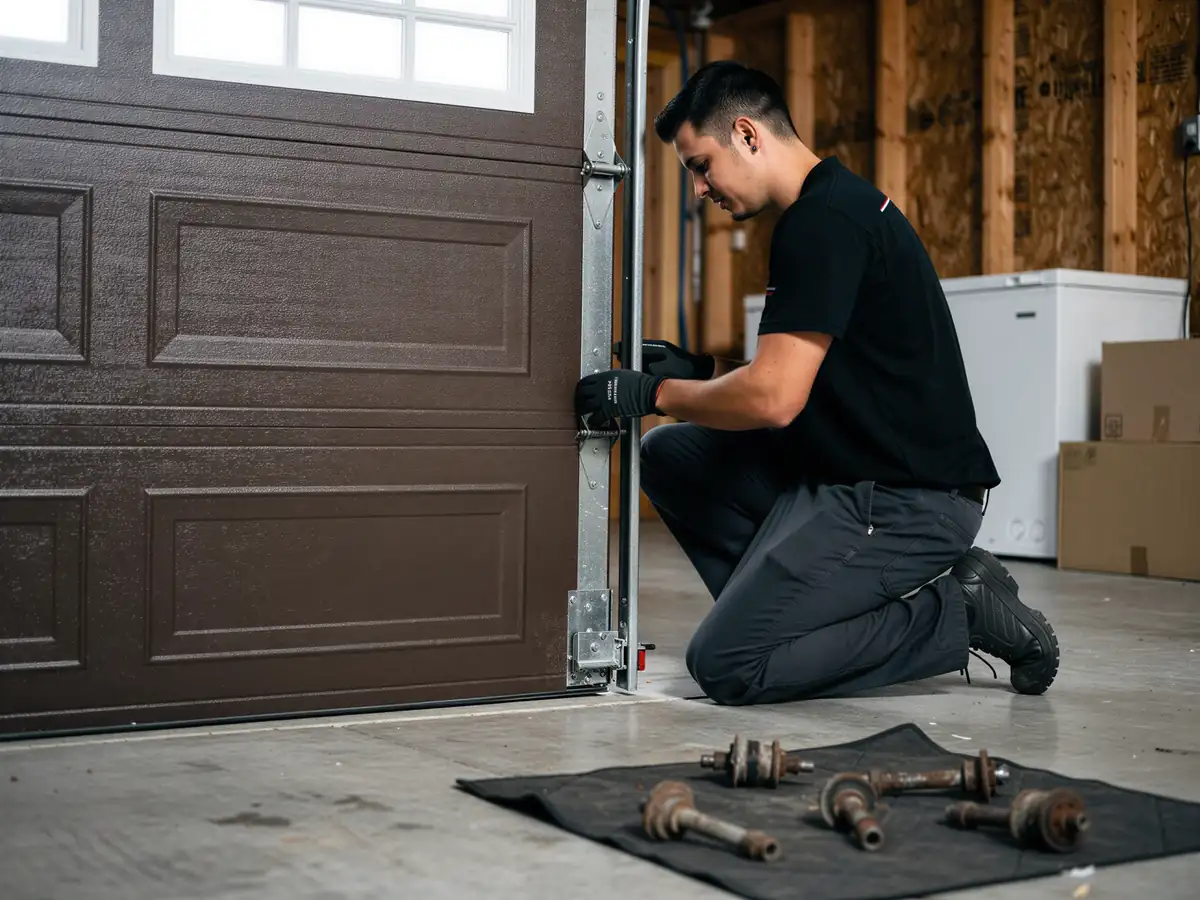
Friendswood's housing stock runs from 1956 up through 2014, but the median build year sits at 1987, and most of the 24 named areas in this part of the county went up in that 1980s-to-90s wave. That matters because it means a lot of garages here are running original or first-replacement hardware: extension or early torsion springs, openers from a generation before rolling-code safety sensors were standard, and tracks that were never upgraded when the door was. A service call in a neighborhood like this isn't a blank slate. We're usually looking at a system that's 25 to 40 years into its working life, which tells us what's likely to be worn before we even open the panel. That's different from a call in a subdivision built in the last ten years, where the failure points are usually installation shortcuts rather than age.
The Common Mistake
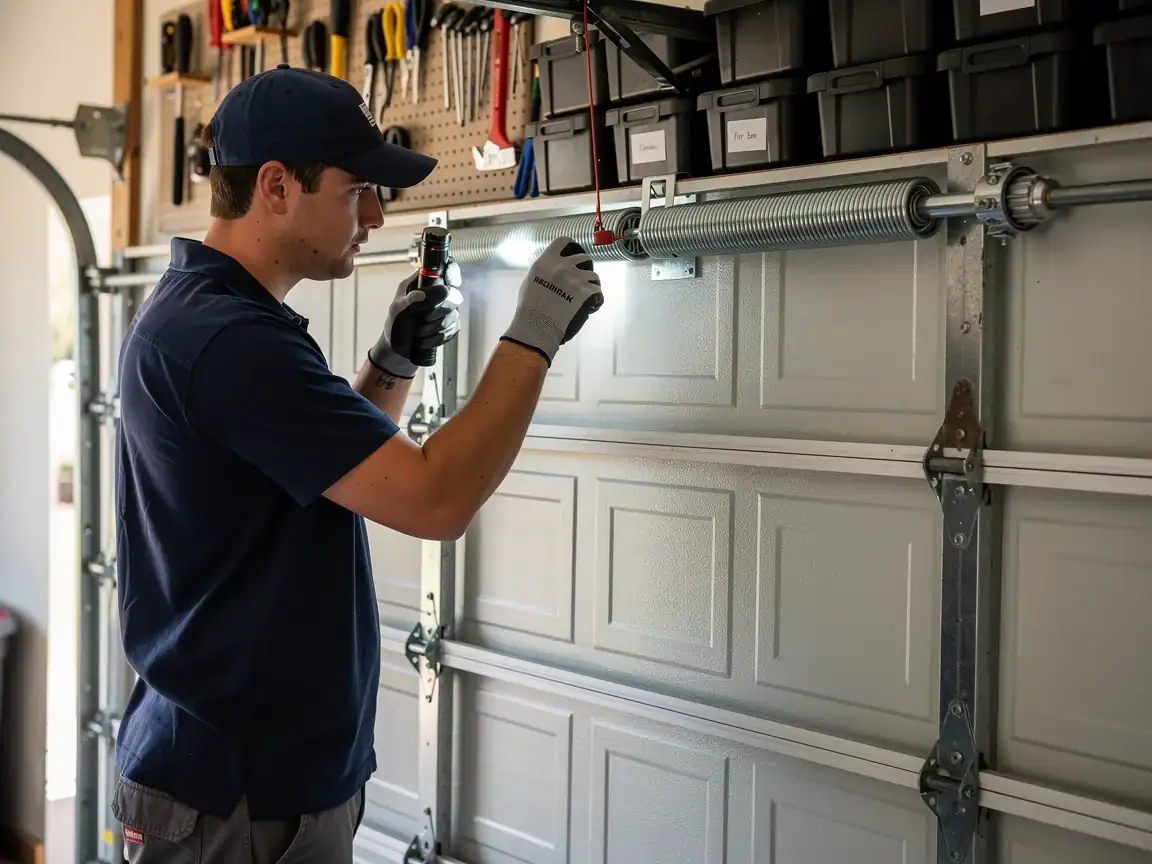
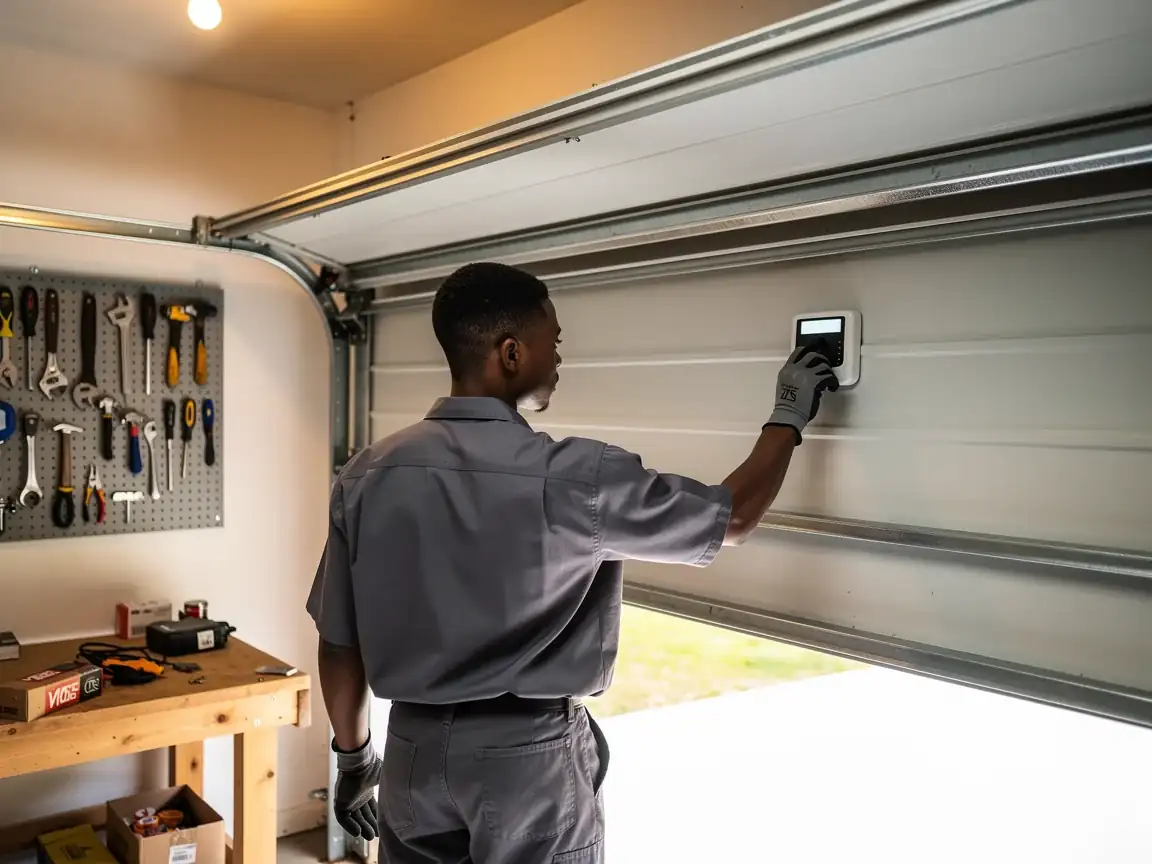
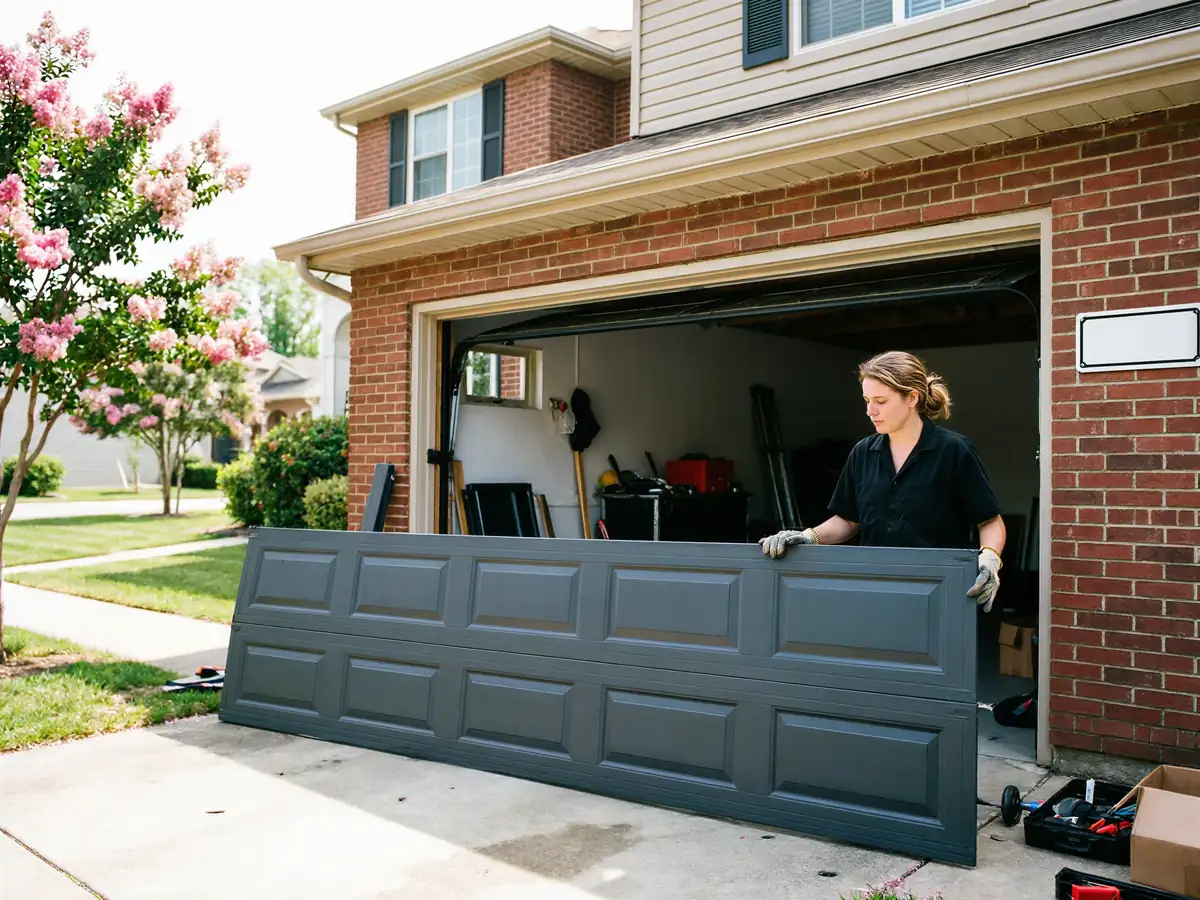
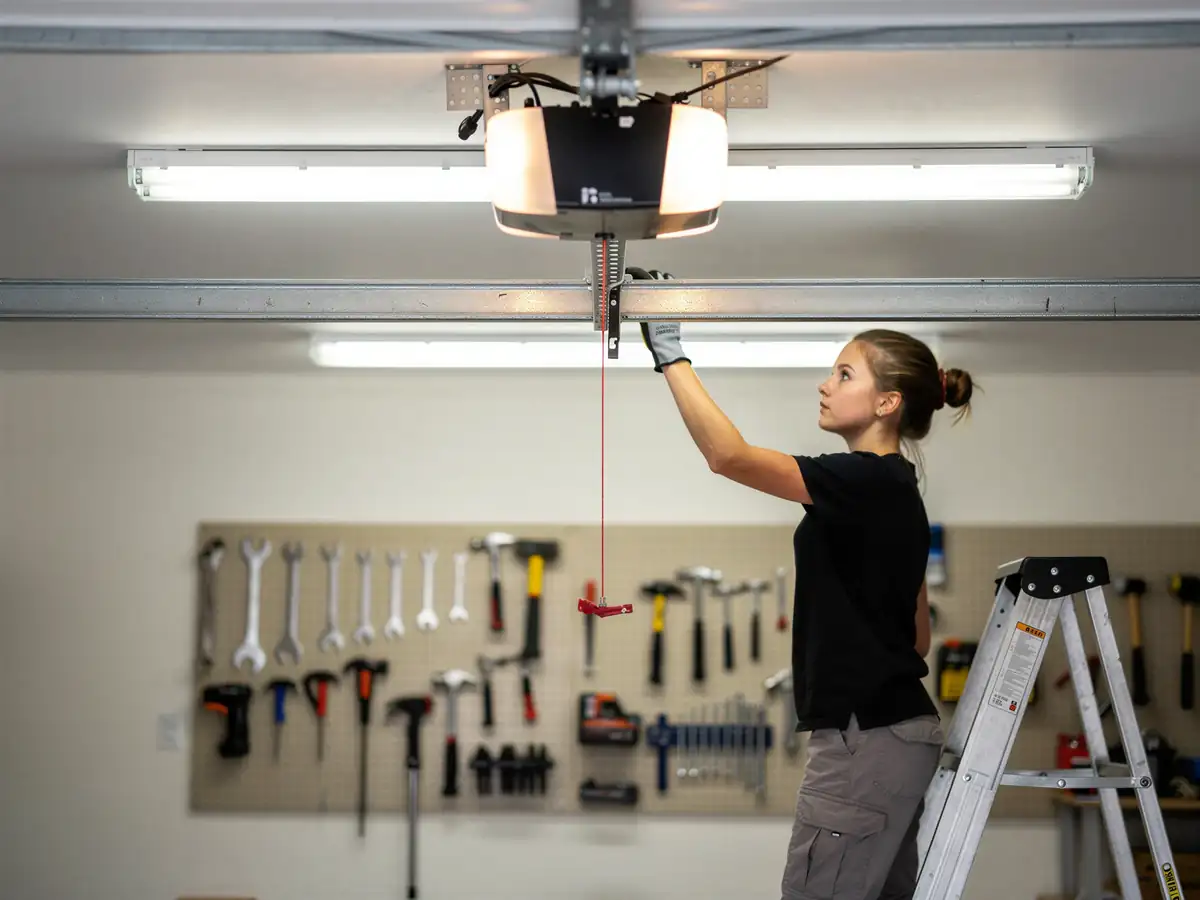
The mistake we see most in Friendswood is treating a noisy or slow door as a lubrication problem when the real issue is a spring rated for a cycle count it's already exceeded. With a median build year of 1987, a lot of these doors are coming up on their second or third opener replacement, but homeowners often replace just the opener and leave 30-plus-year-old springs and cables in place because they still technically work. Springs don't fail gradually in a way you can see coming; they fail on a cycle count, and a spring installed when the house was built has usually put in more cycles than it was rated for. Swapping the opener without checking the spring just moves the next failure point to a motor that's now straining against hardware that was already near the end.
What You Pay
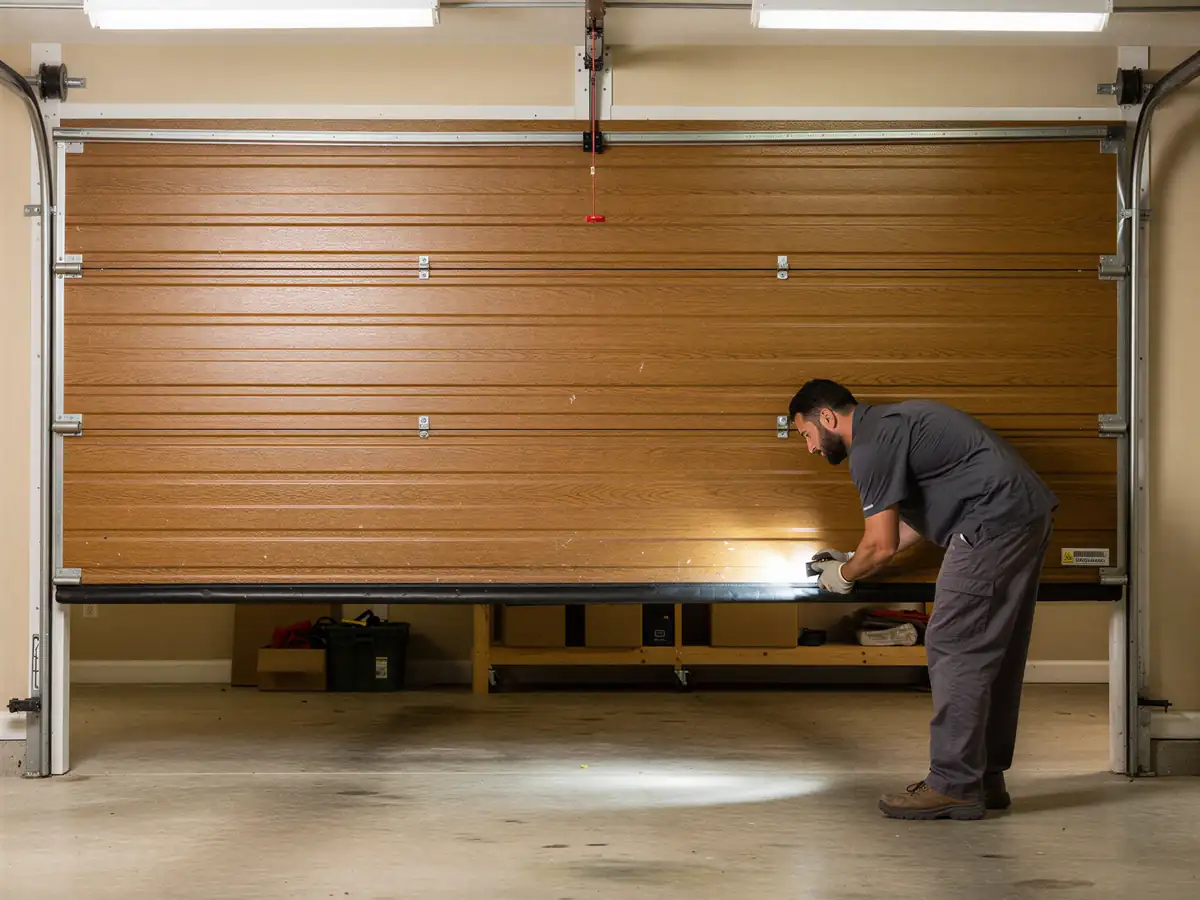
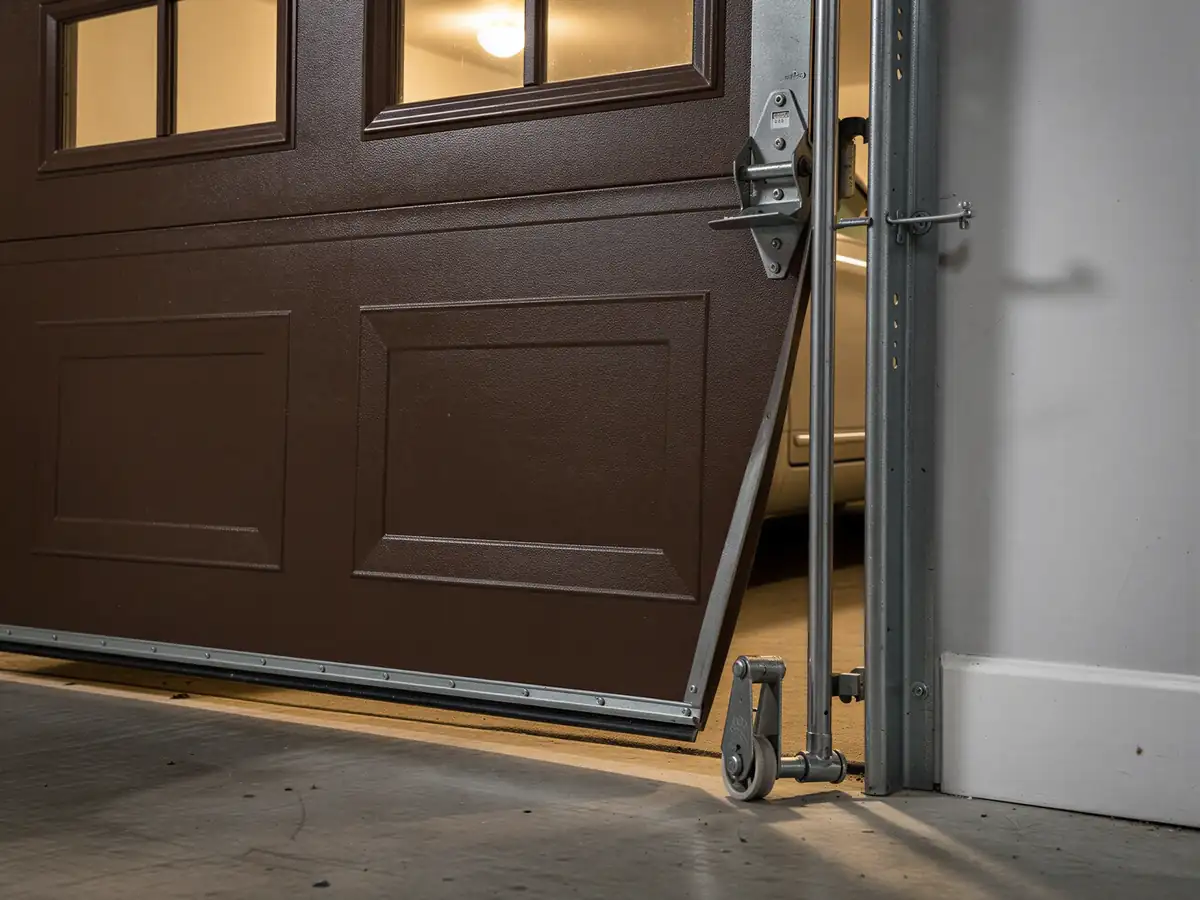
We don't have a flat number to put here, and giving you one would be a guess dressed up as a fact. What we can tell you is what drives the cost on most calls in this area: whether it's a spring-only repair or a full opener swap, whether the track needs realignment because of that bottom-corner drag, and whether the hardware is original 1980s-90s stock or has already been partly replaced. With 62,775 owner-occupied homes in this service area and a median household income around $82,018, most jobs here land in the range of a straightforward spring-and-cable repair rather than a full system replacement, since the housing age points to wear, not storm damage or structural failure. The honest limitation: if the opener motor and the springs both need replacing at once, that's a bigger job than a single part swap, and we'll tell you that before we start, not after.