What the Fix Involves
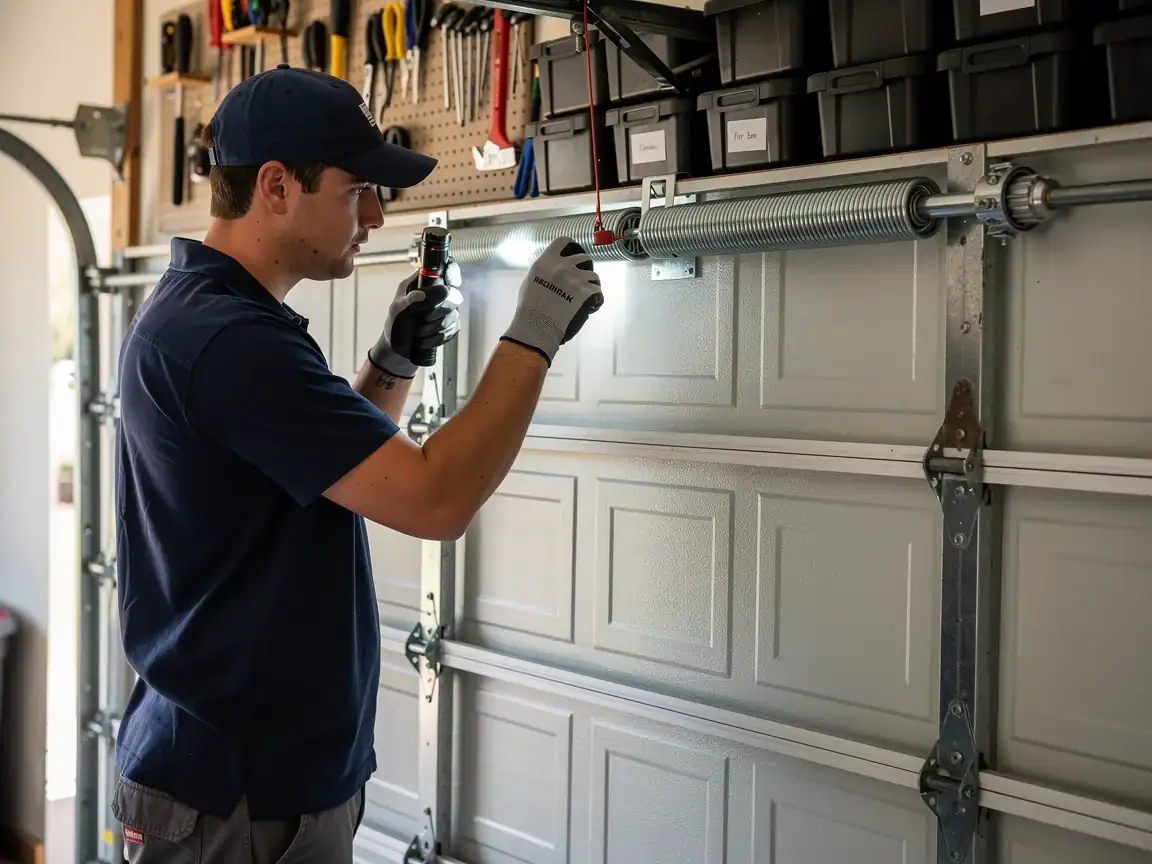
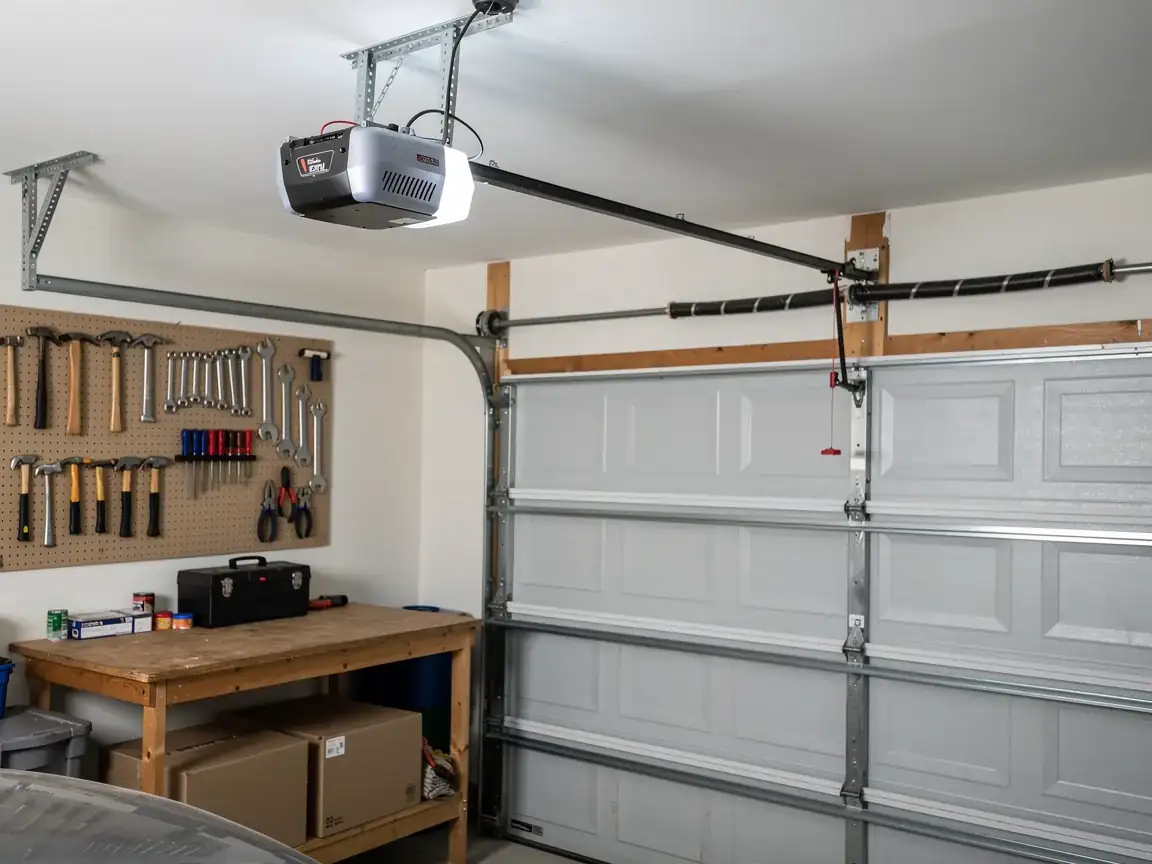
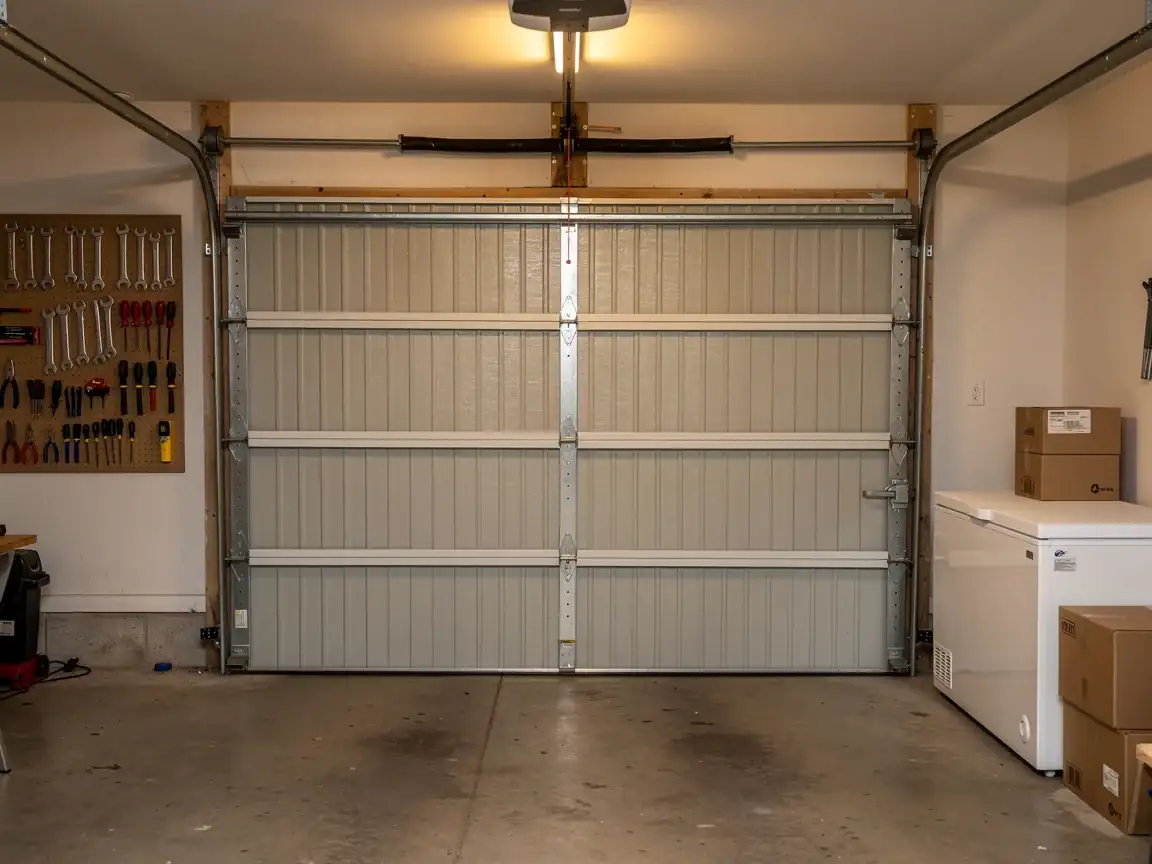
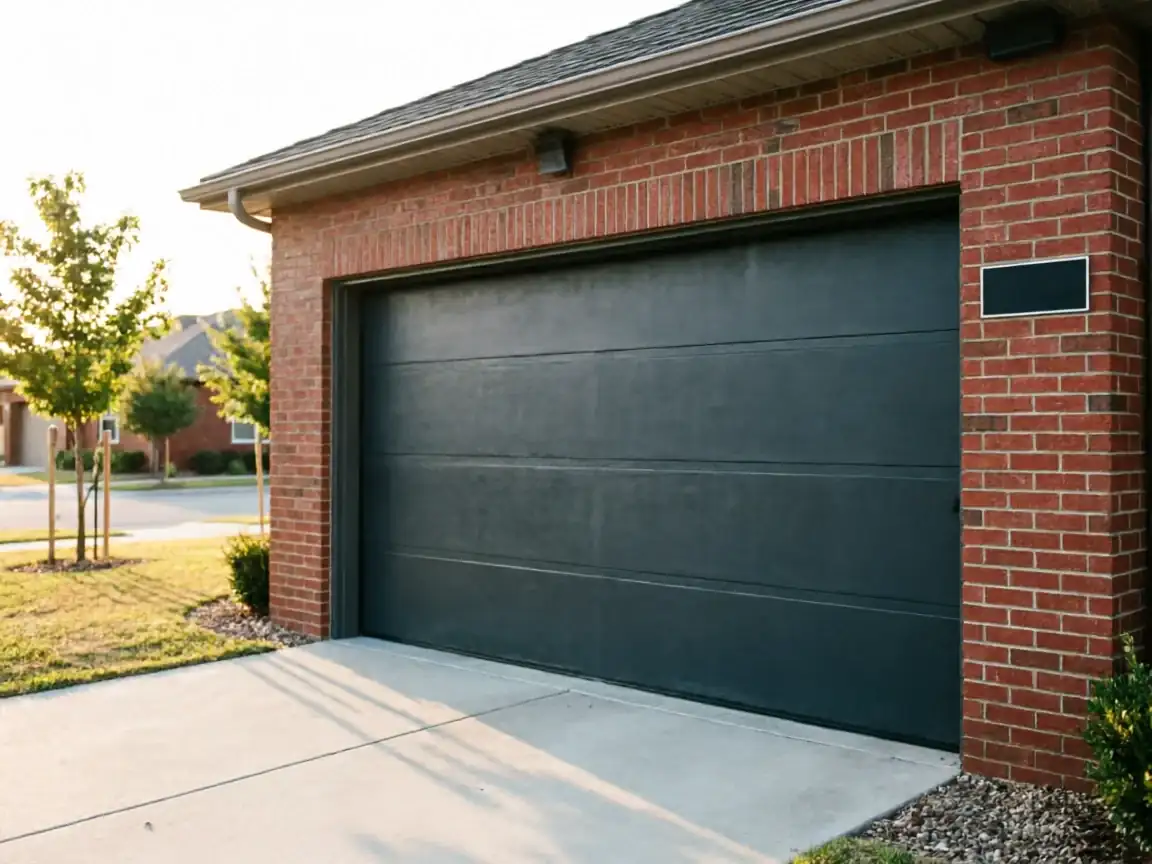
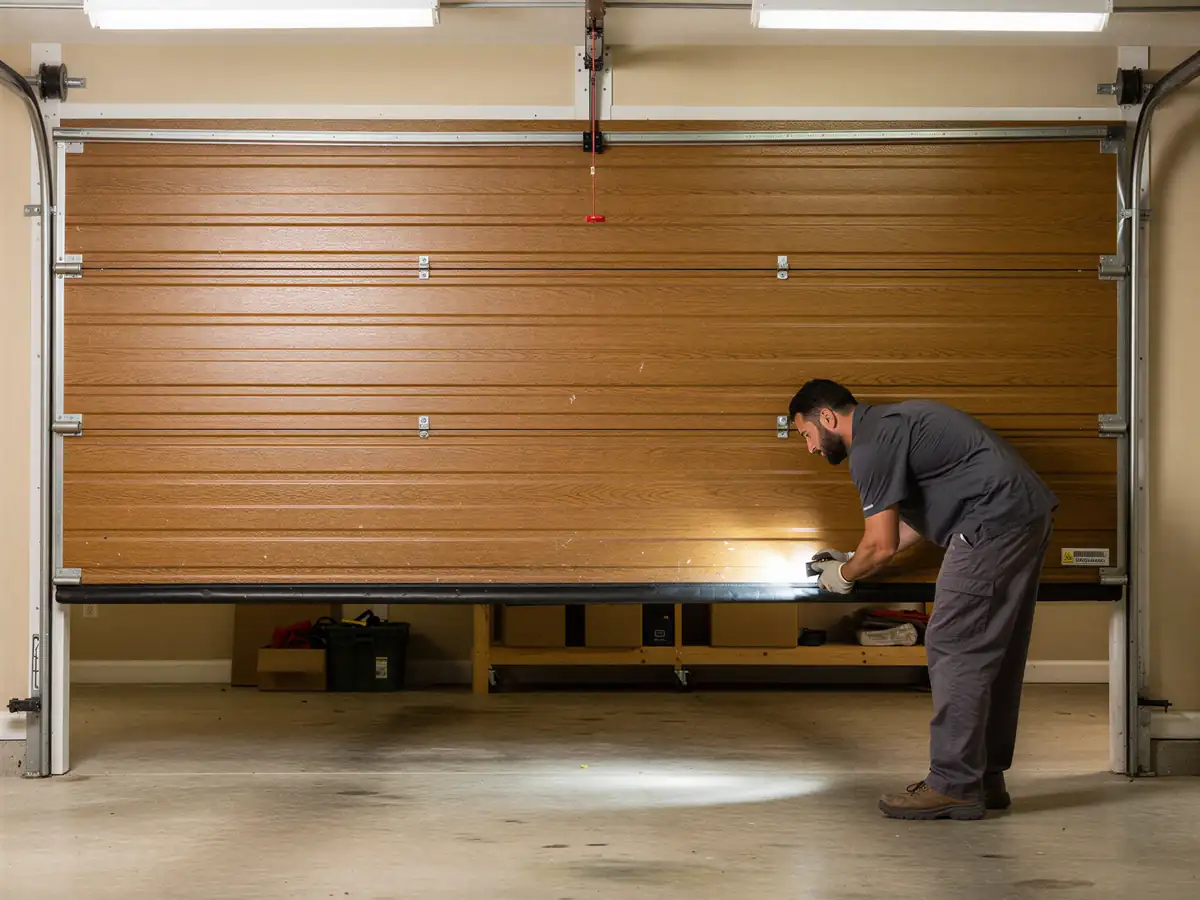
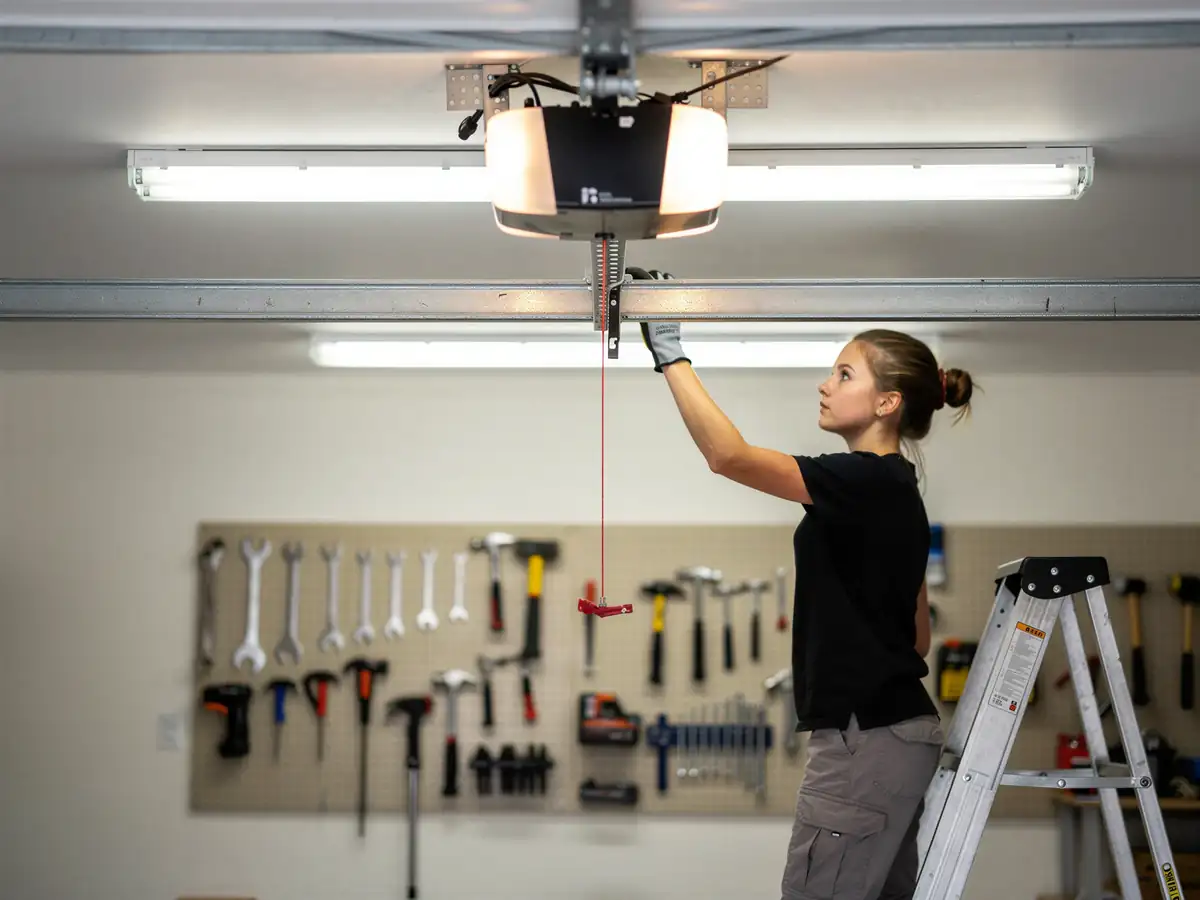
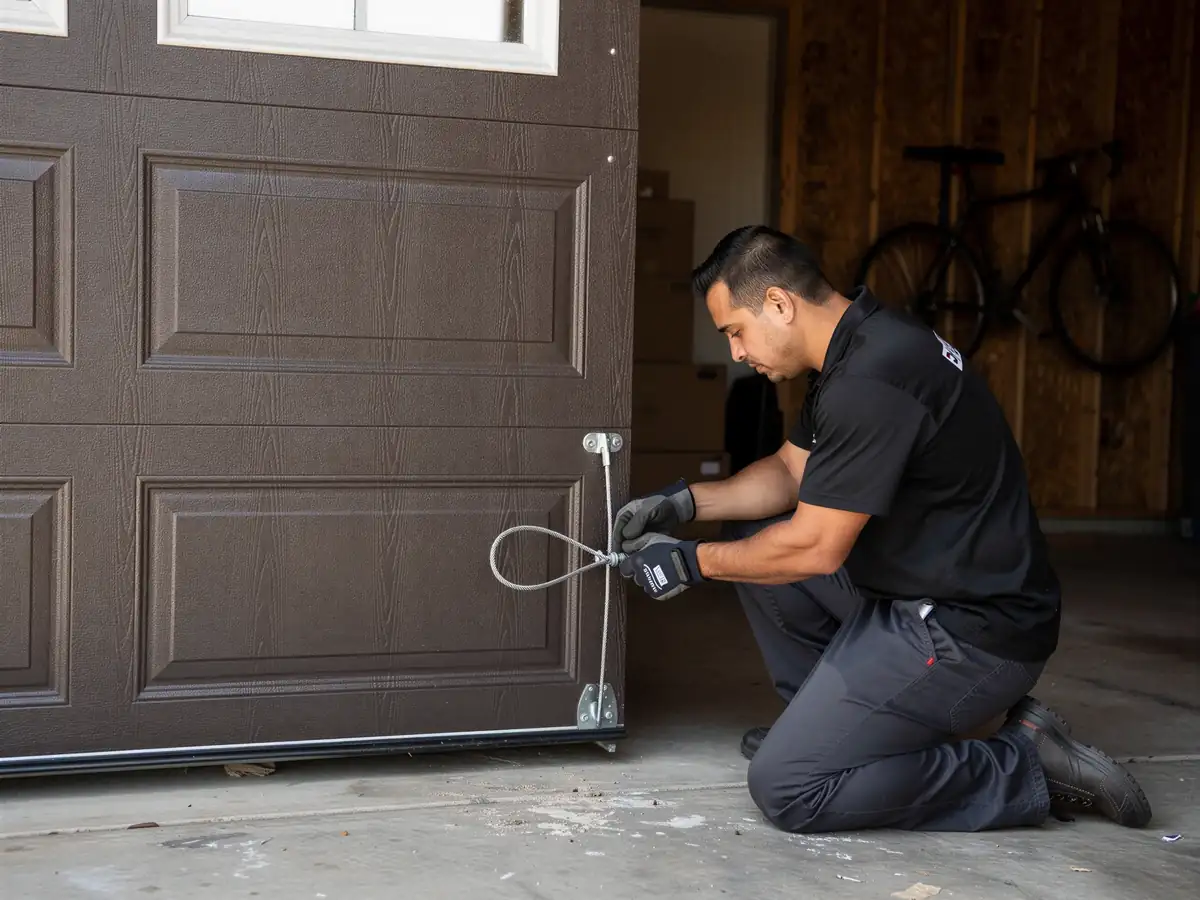
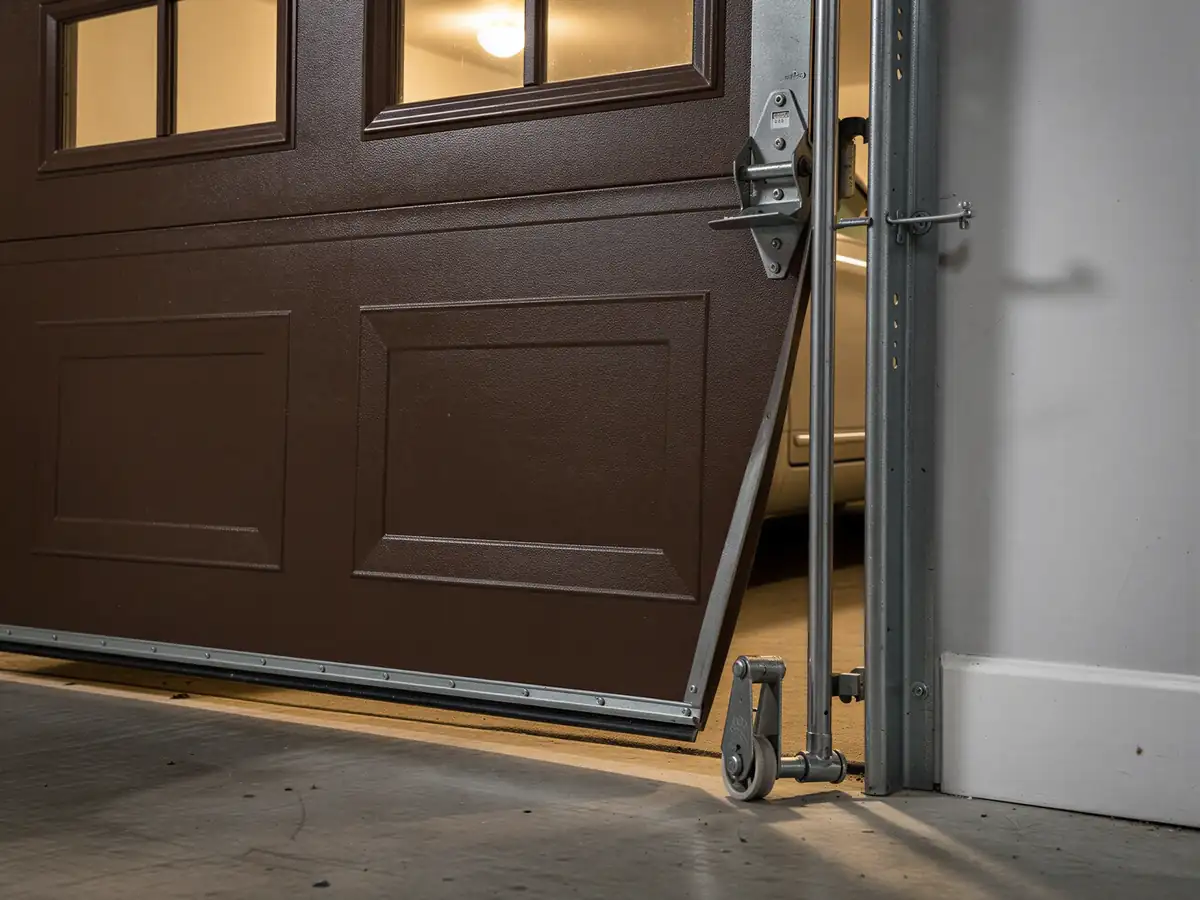
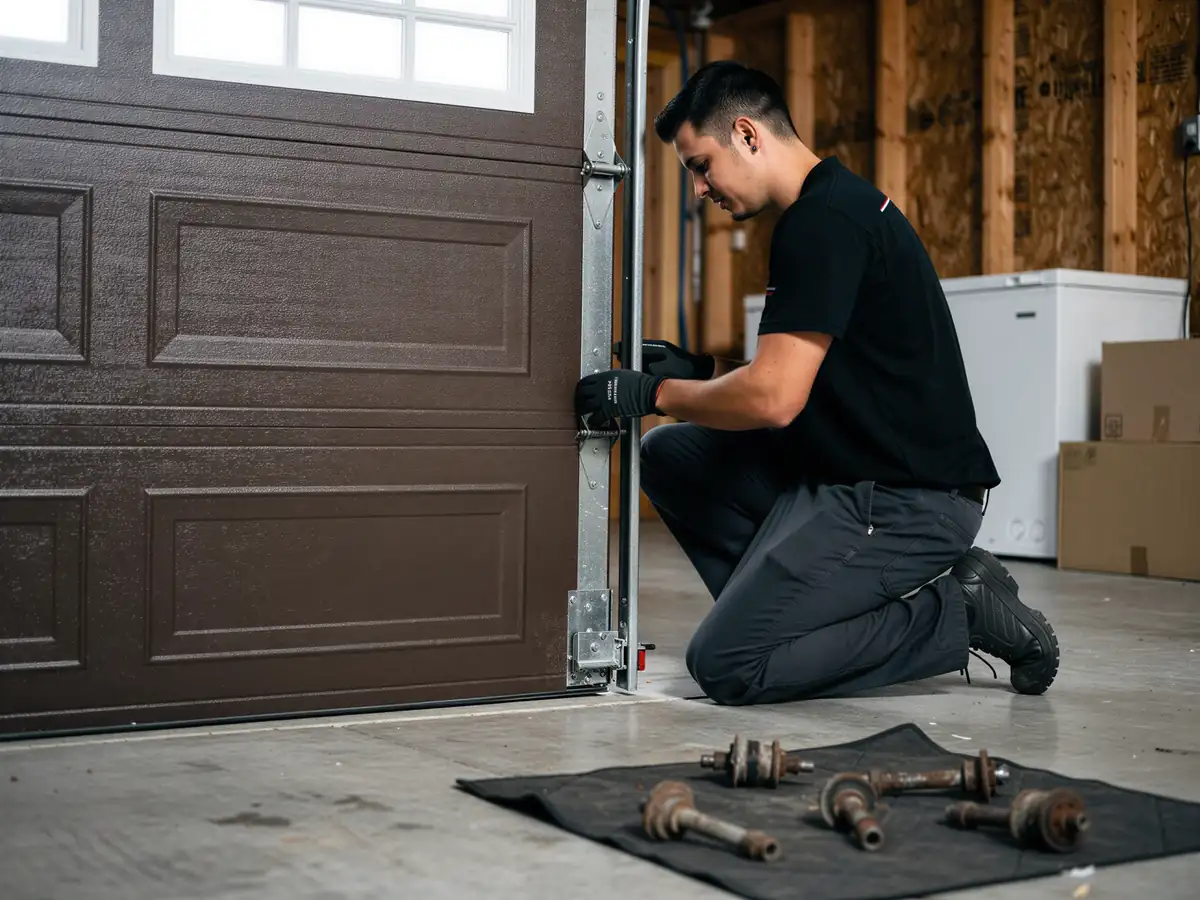
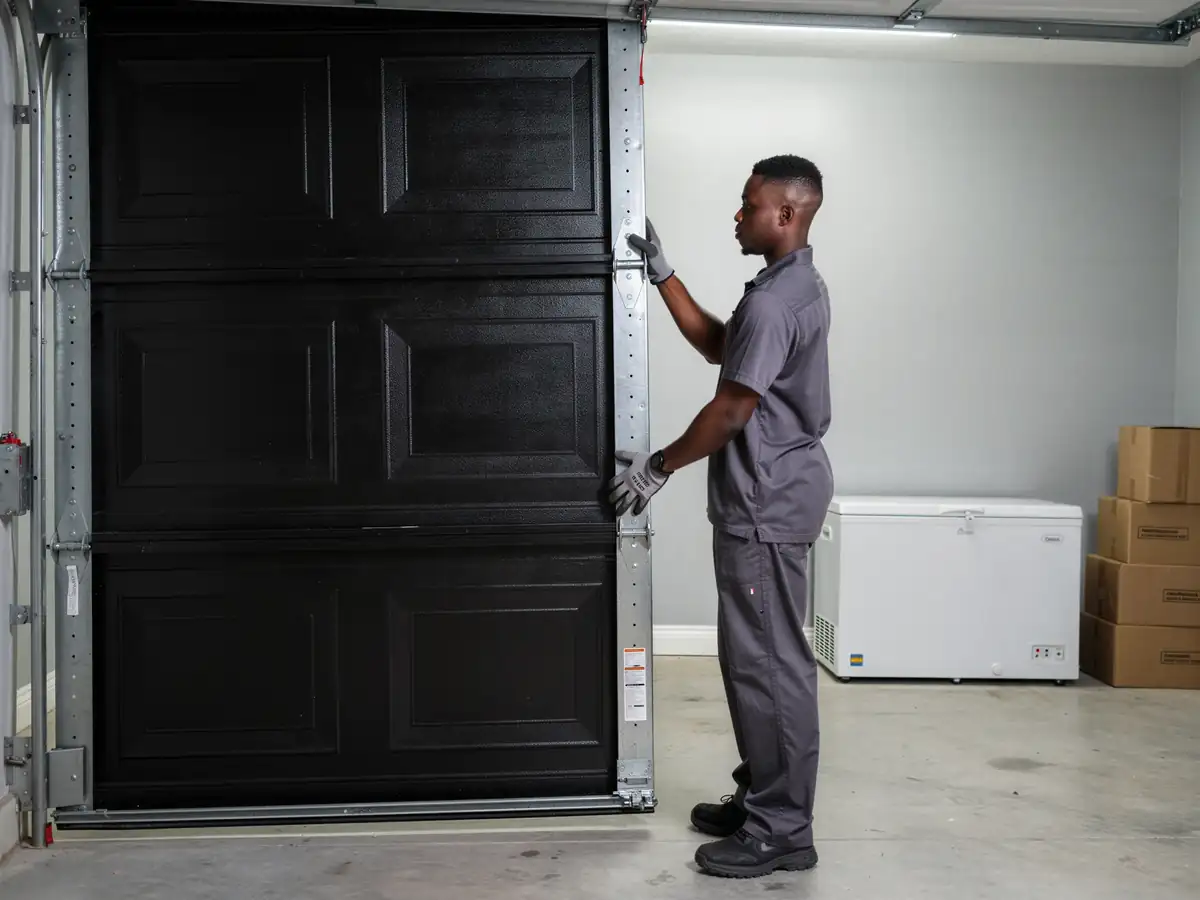
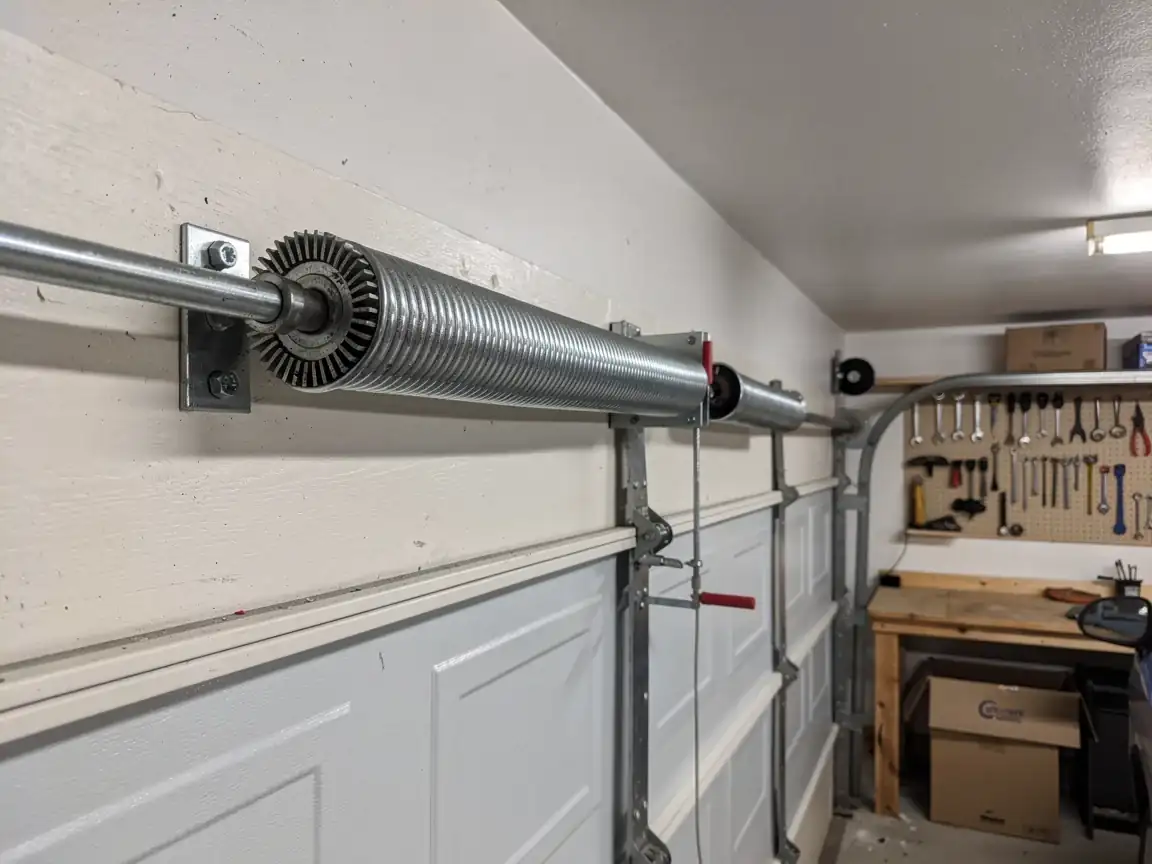
A standard service call here starts with the torsion spring and works outward. We check spring wind and cycle count, inspect the rollers and track for wear grooves, test cable fray at the drum, and pull the opener cover to look at the gear and the sensor alignment. On a door that's original to the house, that's usually a 1980s or 90s build, the spring is often the first thing to go because it's done more open-close cycles than it was rated for.
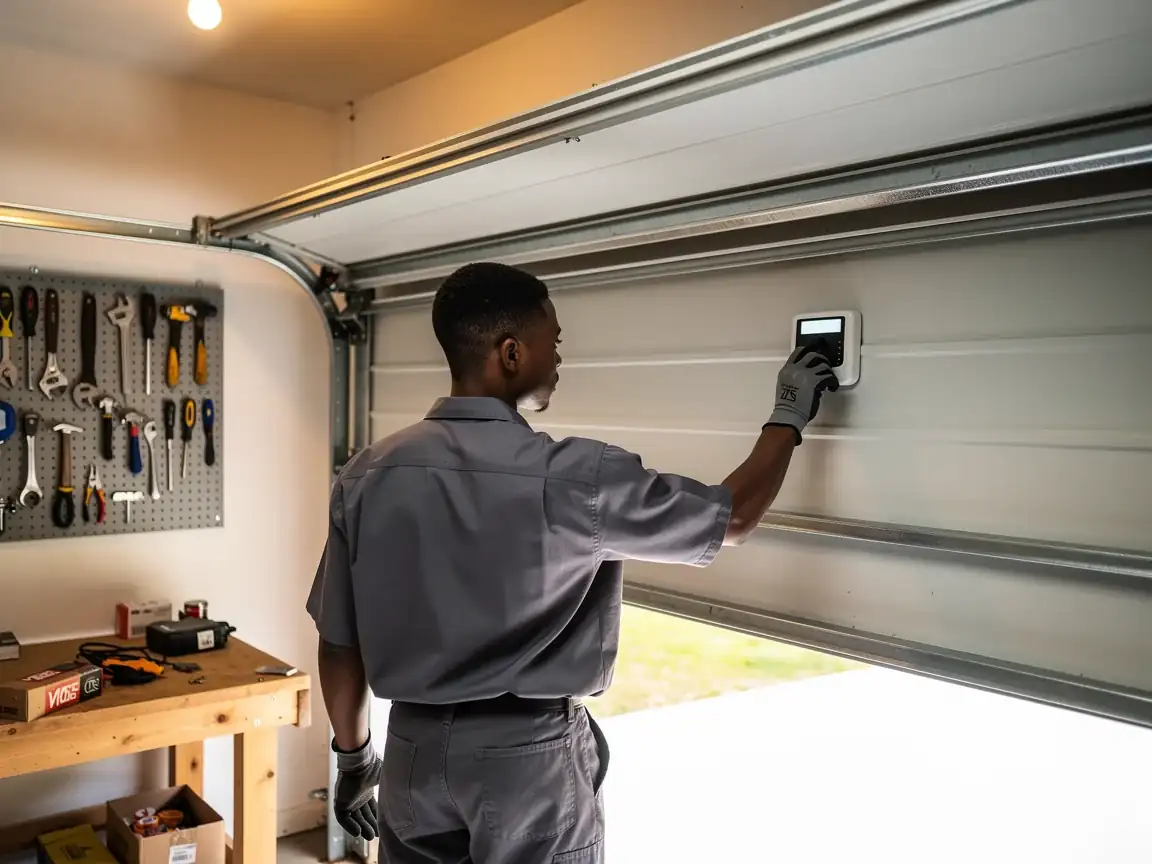
We lubricate hinges and rollers, tighten the loose hardware that vibration works free over years, and re-square the track if the door has started binding on one side. If the opener's limit switch has drifted, which happens as gears wear, we reset it so the door doesn't reverse early or slam the last two inches.
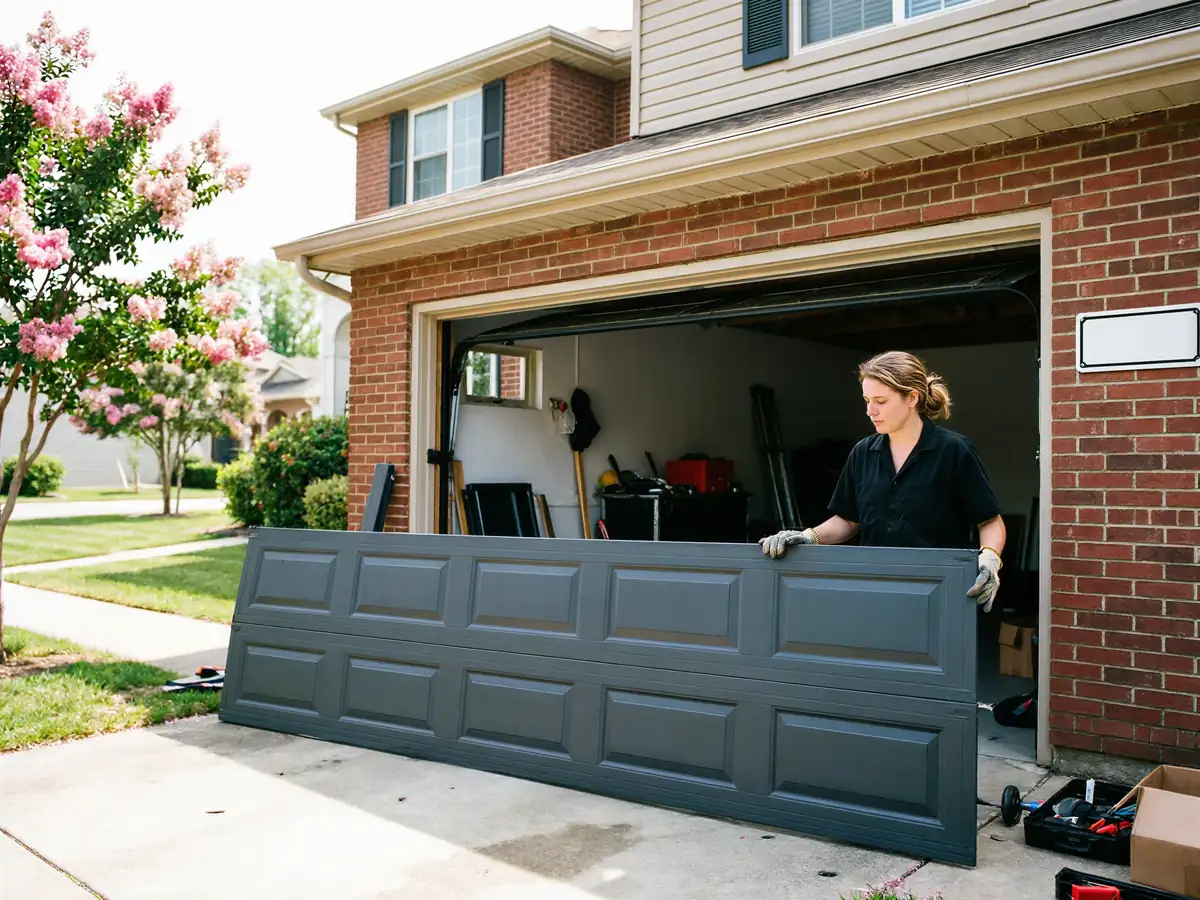
One limitation worth saying up front: if the spring has already snapped and the cable's jumped the drum, that's not a lubrication-and-adjust visit anymore, that's a parts swap, and we'll tell you that before we start rather than padding a tune-up invoice.
Why It Happens Here
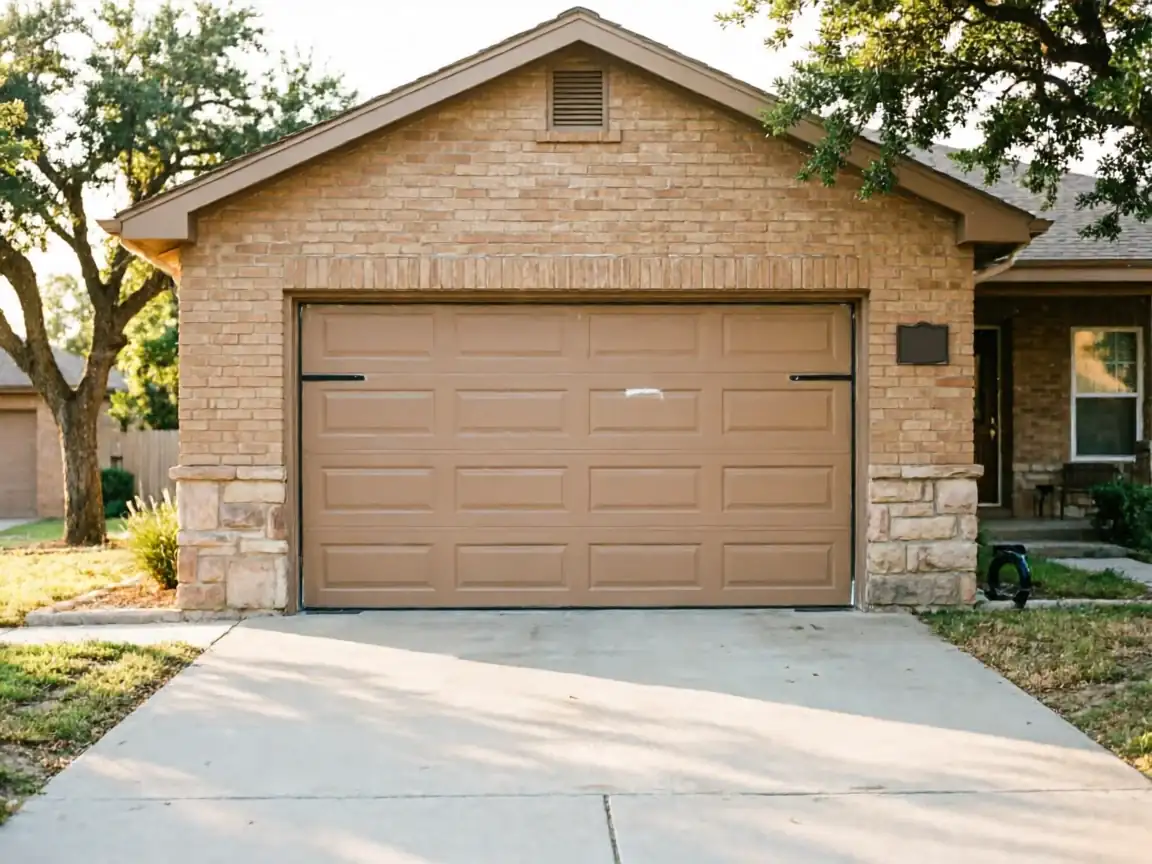
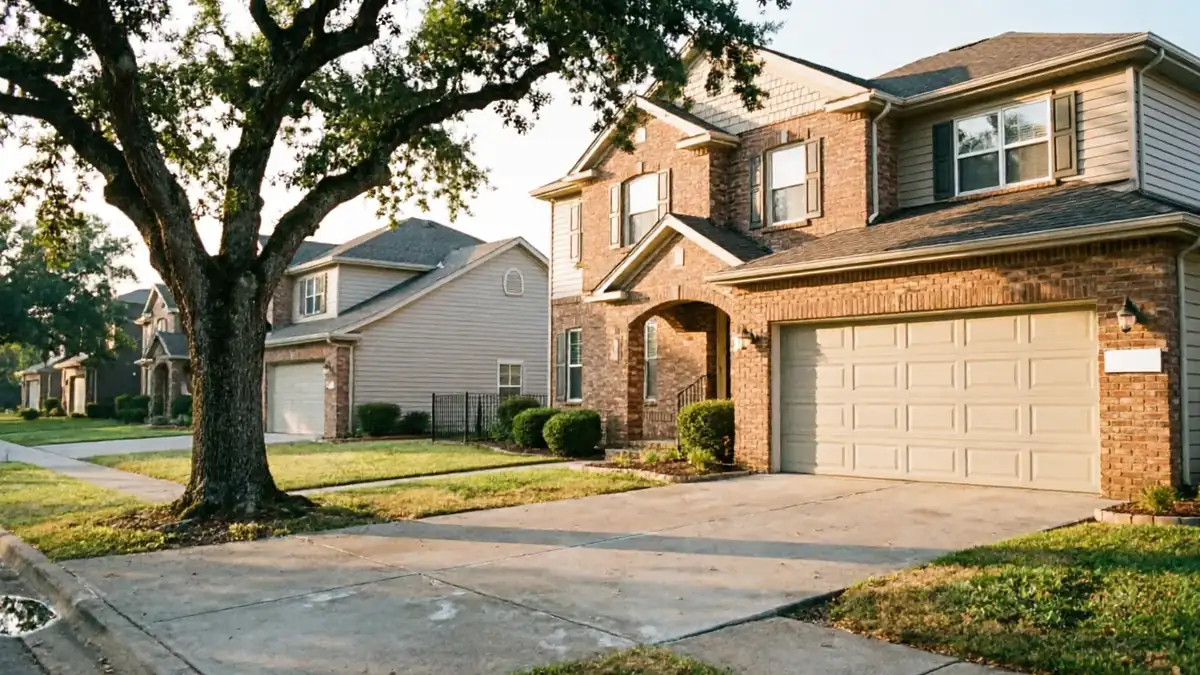
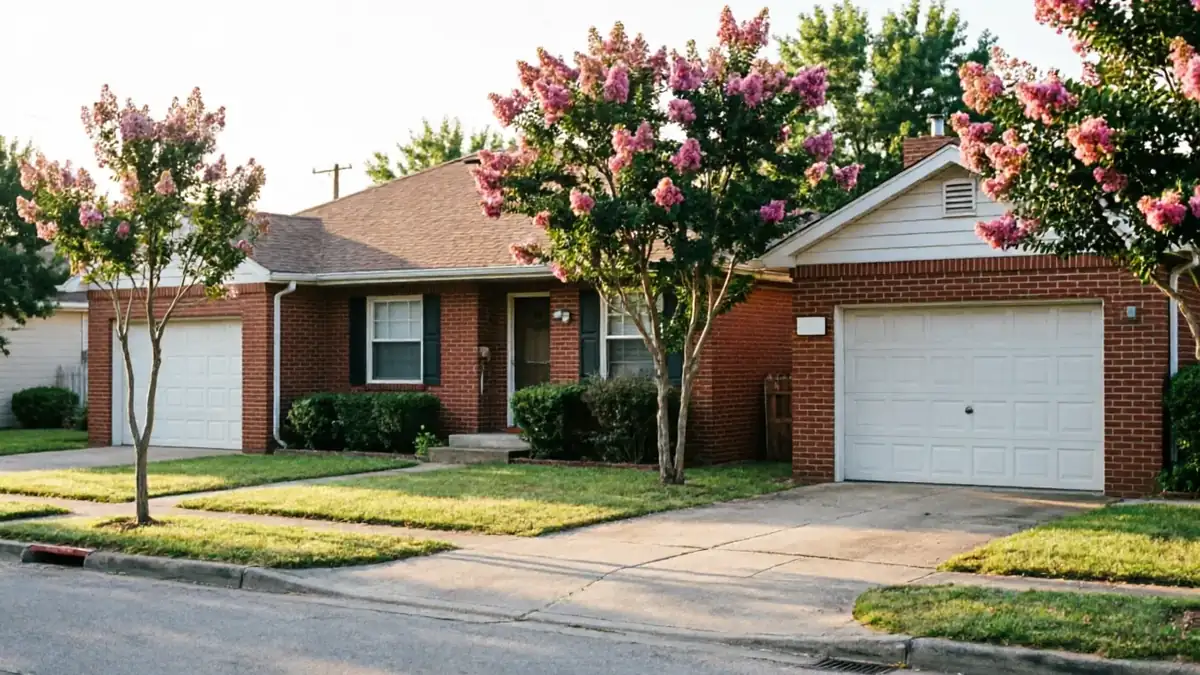
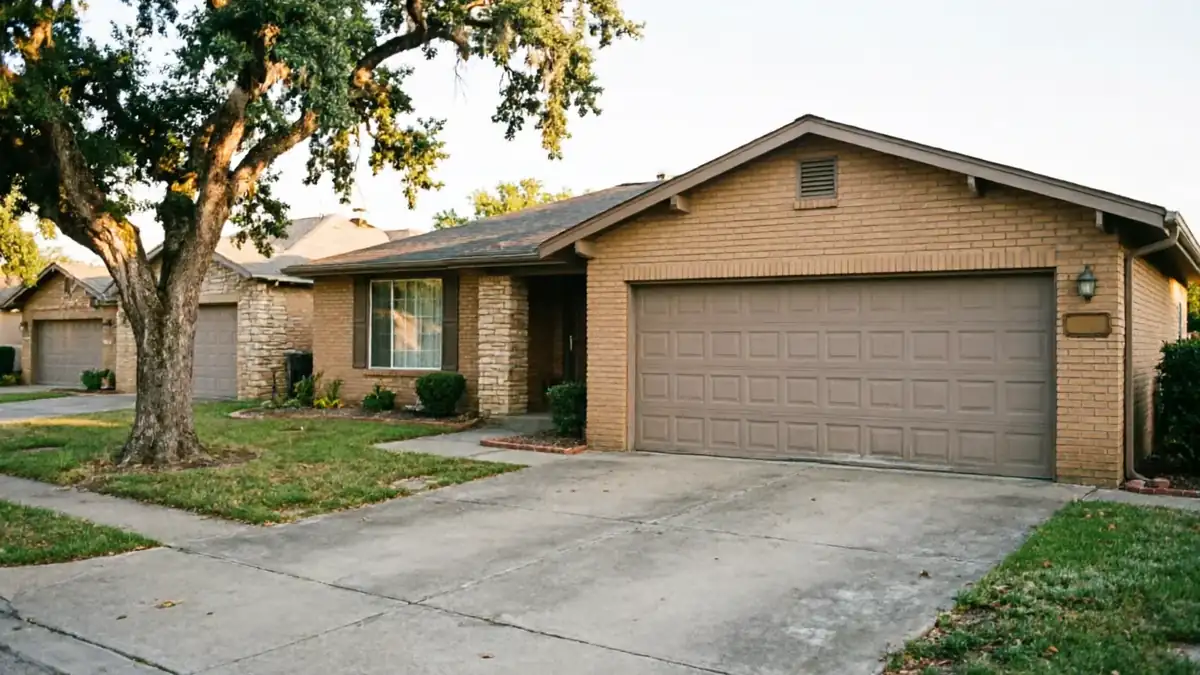
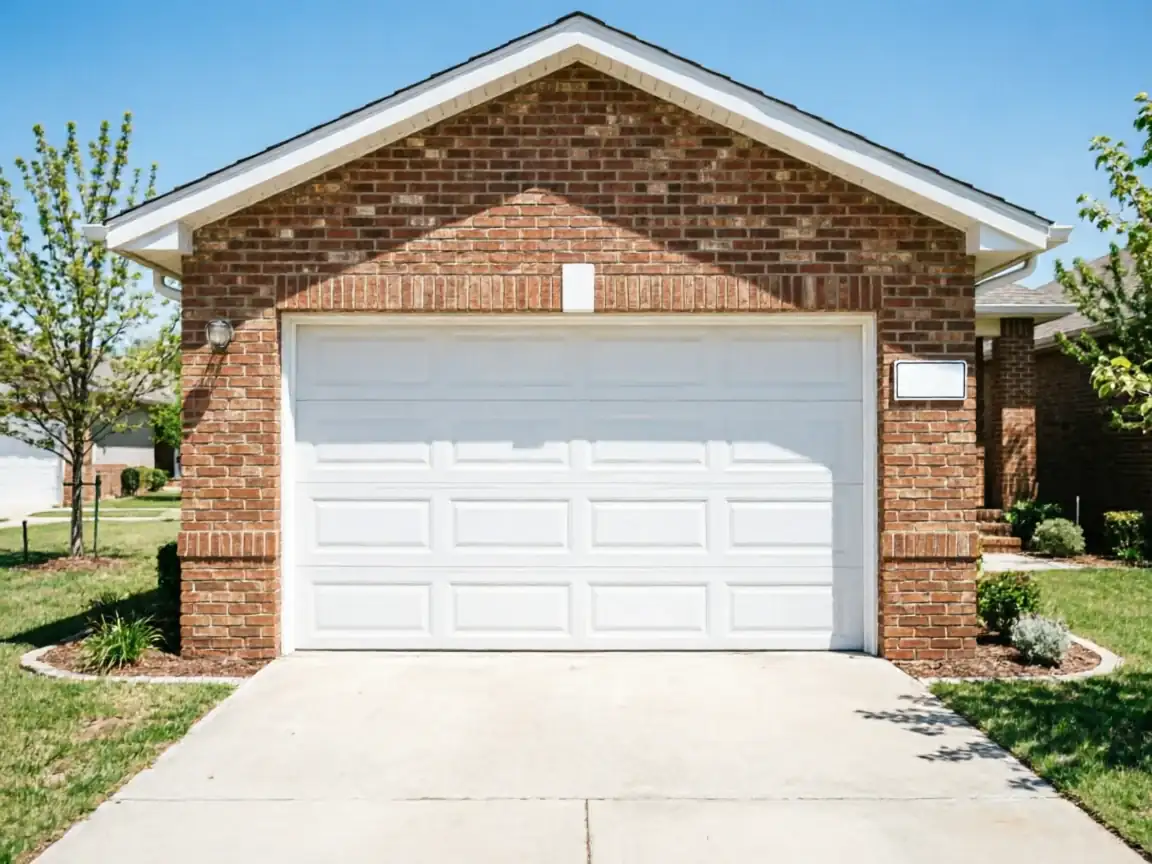
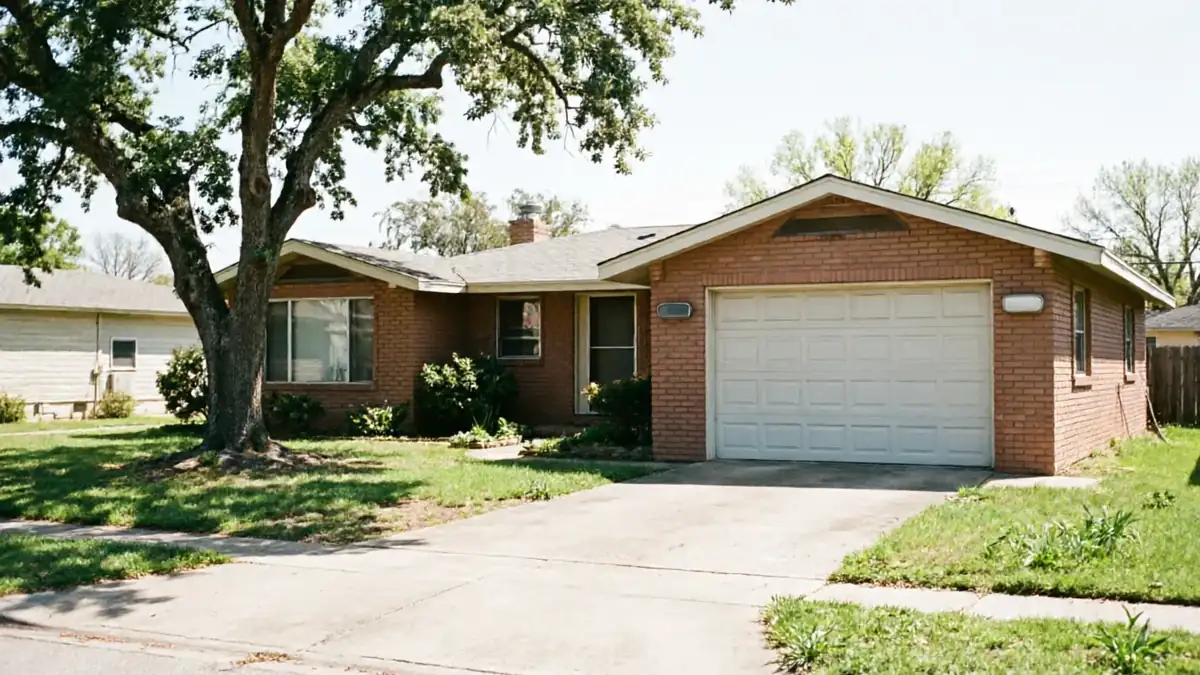
Across the area we work, housing runs from 1956 up through 2014, but the median build year is 1987, and most of the 24 named neighborhoods we see are concentrated in that 1980s-90s wave. That matters for one specific reason: torsion springs are rated by cycle count, not by calendar years, and a door installed in 1987 has had three and a half decades to rack up cycles most manufacturers never designed for.
The climate here is mild with occasional freeze, which isn't brutal on hardware the way a true freeze-thaw region is, but it does mean steel hardware sits through humid stretches most of the year with the odd cold snap mixed in. That combination corrodes cable and spring coating slowly rather than cracking it outright, so the failure shows up as fatigue, not sudden rust-through. It's a slow fade, which is exactly why a lot of owners don't notice until the door won't lift.
Time on the Job
A straightforward service visit, spring check, roller and track inspection, opener adjustment, runs shorter than a full spring replacement or an opener swap
If we find the spring is still within tolerance, you're looking at lubrication, hardware tightening, and a sensor/limit reset. If the spring needs replacing, that adds time because we're pulling the old one off a wound system under tension, which isn't a rush job regardless of the house.
We can't give you a number for a repair we haven't seen yet, every door's wear pattern is different
But we'll tell you on-site what the job in front of us actually needs before we start charging for it.
What You Are Seeing
If your door's been through its original 1980s or 90s opener and spring without an upgrade, the signs usually show up in this order: a door that feels heavier to lift by hand than it used to, an opener that strains or makes a grinding sound partway through the cycle, a door that shudders or drops unevenly near the bottom of travel, or rollers that have worn flat spots you can see as a stutter in the track.
A cable that's starting to fray at the bottom bracket is a stop-using-it sign, not a wait-and-see sign. If the door reverses on its own partway down, that's usually the limit switch or the sensor alignment, not the spring, and it's worth having looked at before it becomes a bigger teardown.