The Situation
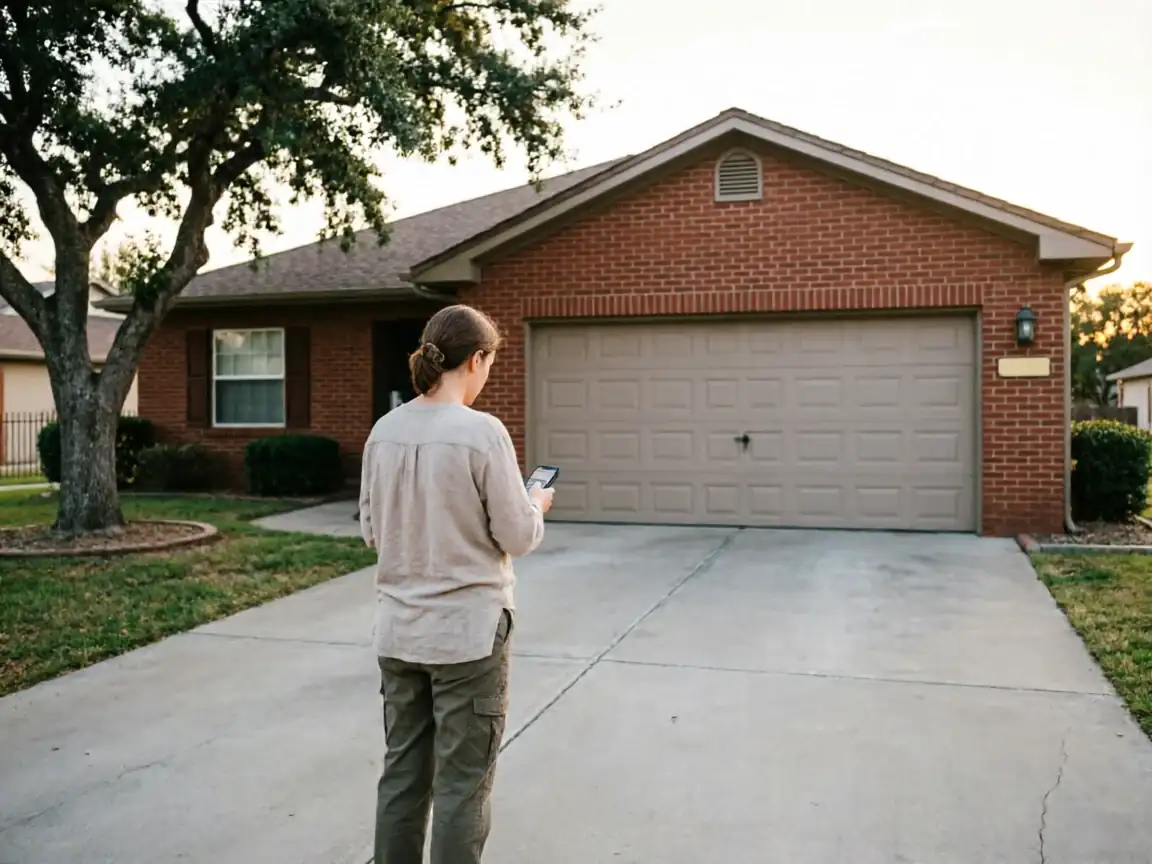
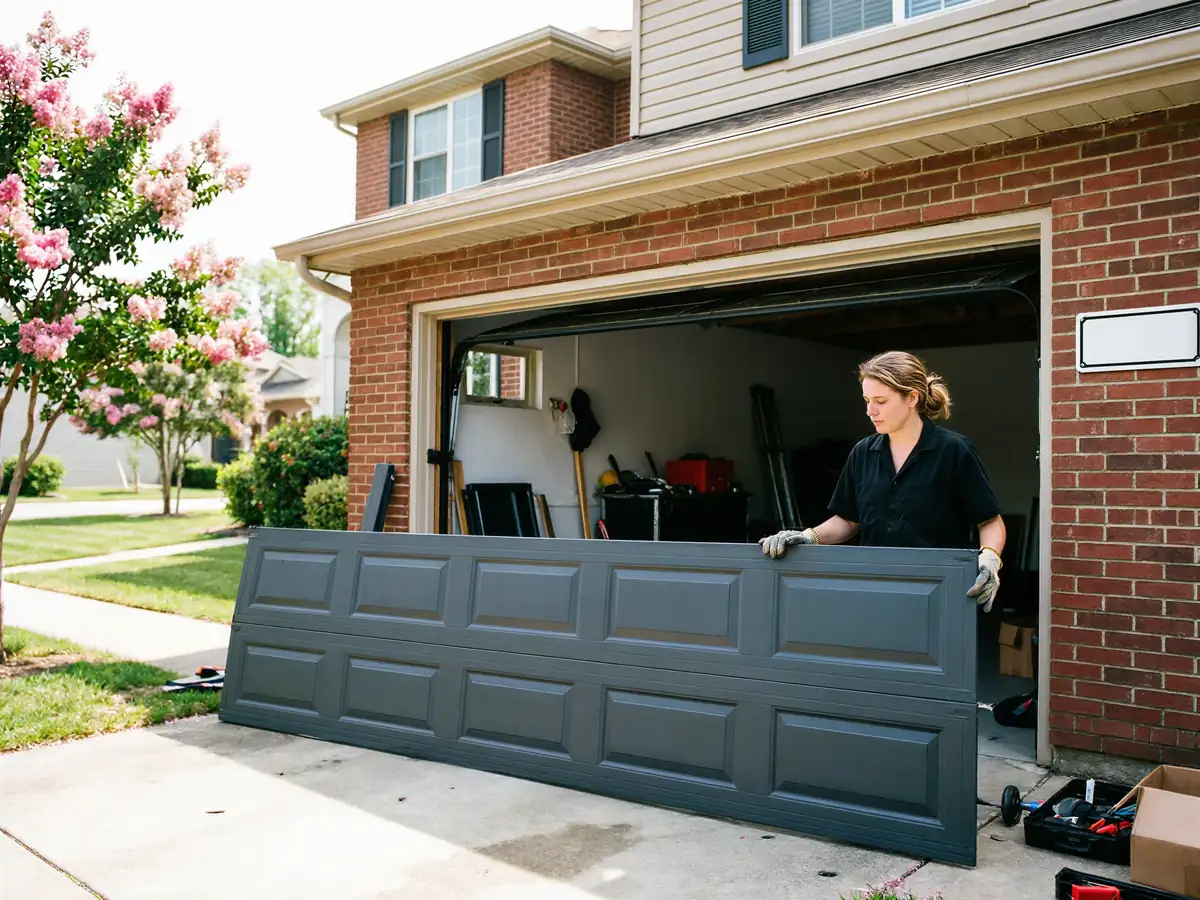
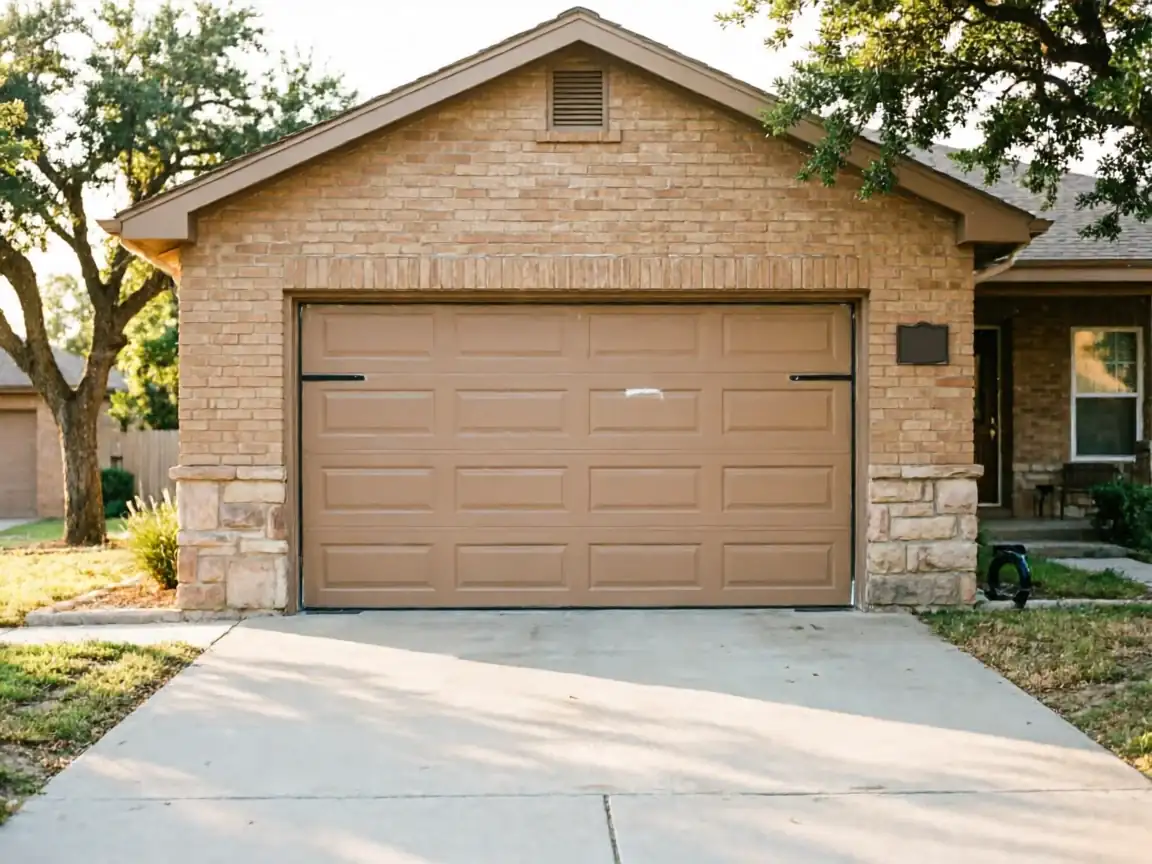
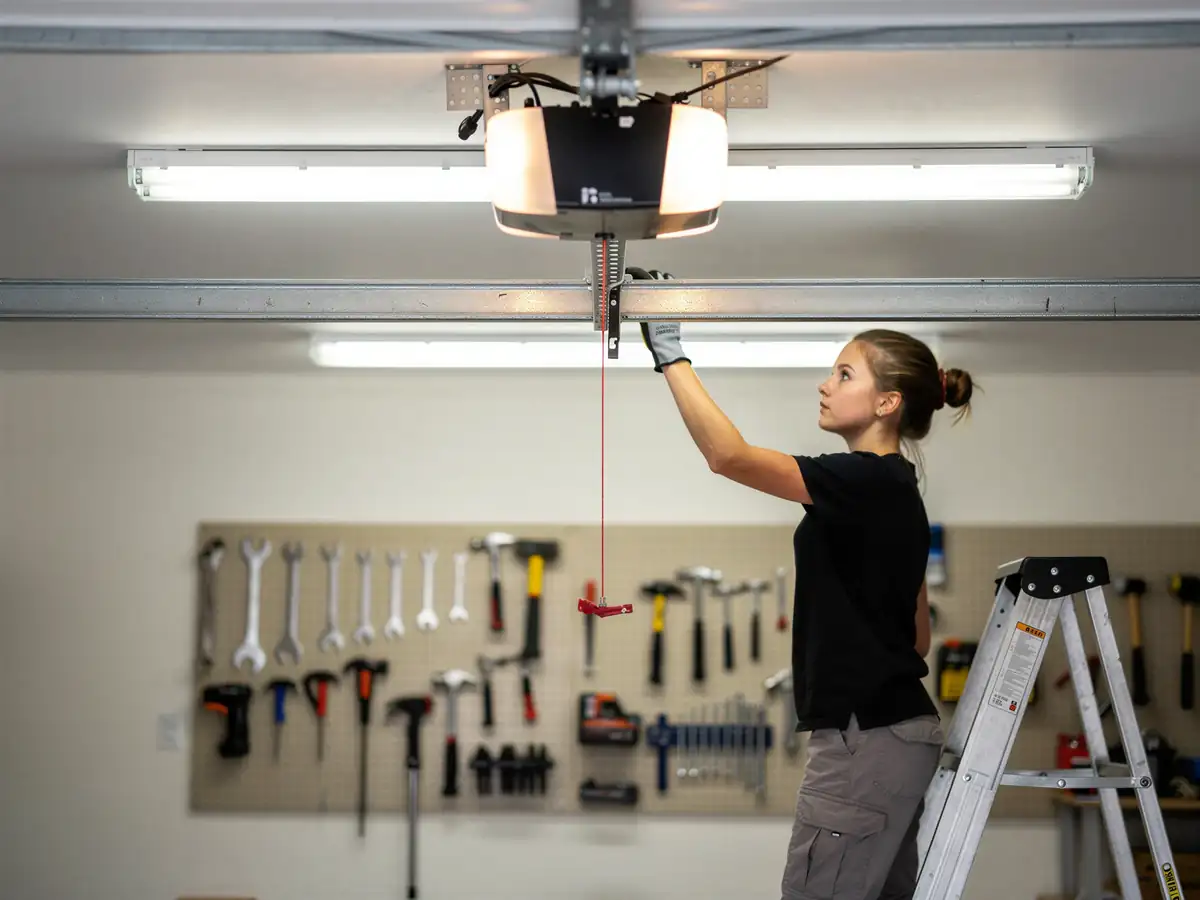
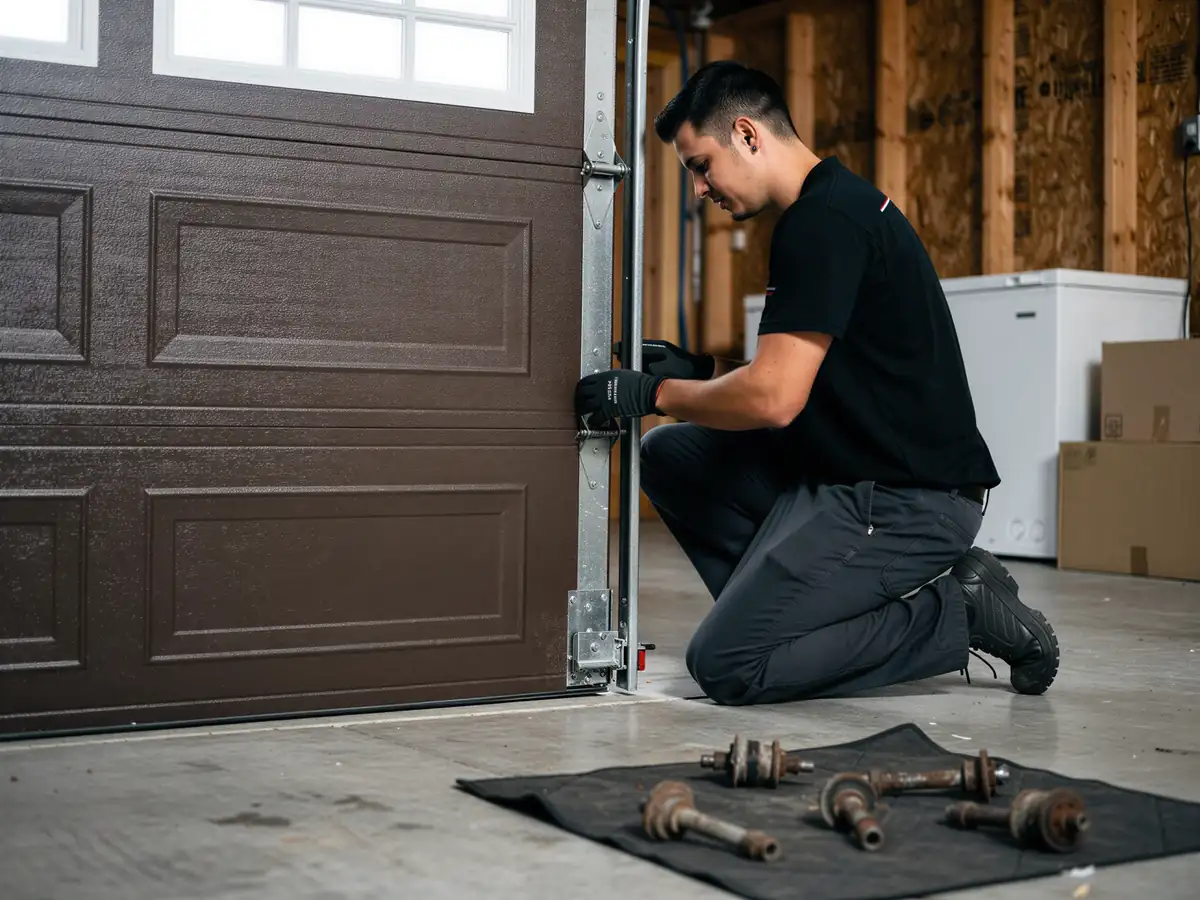
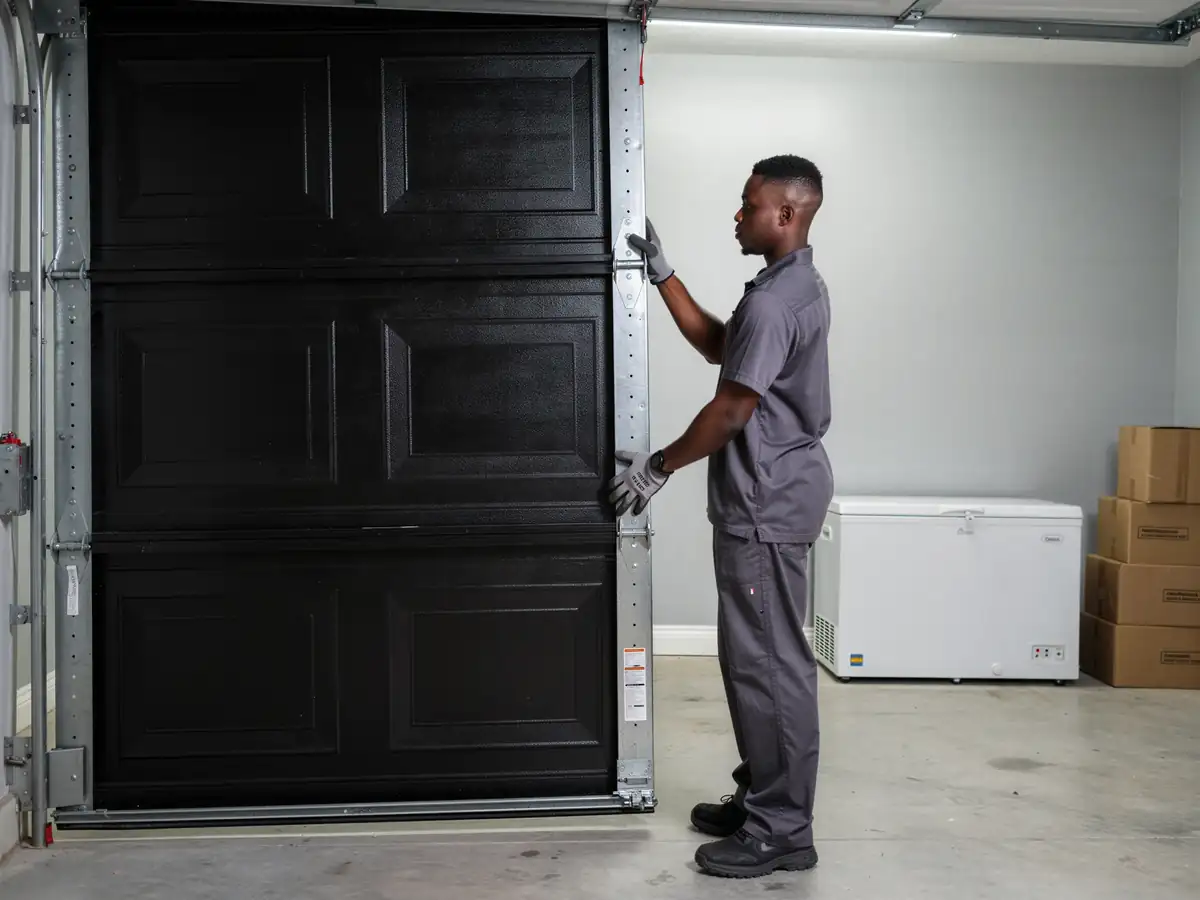
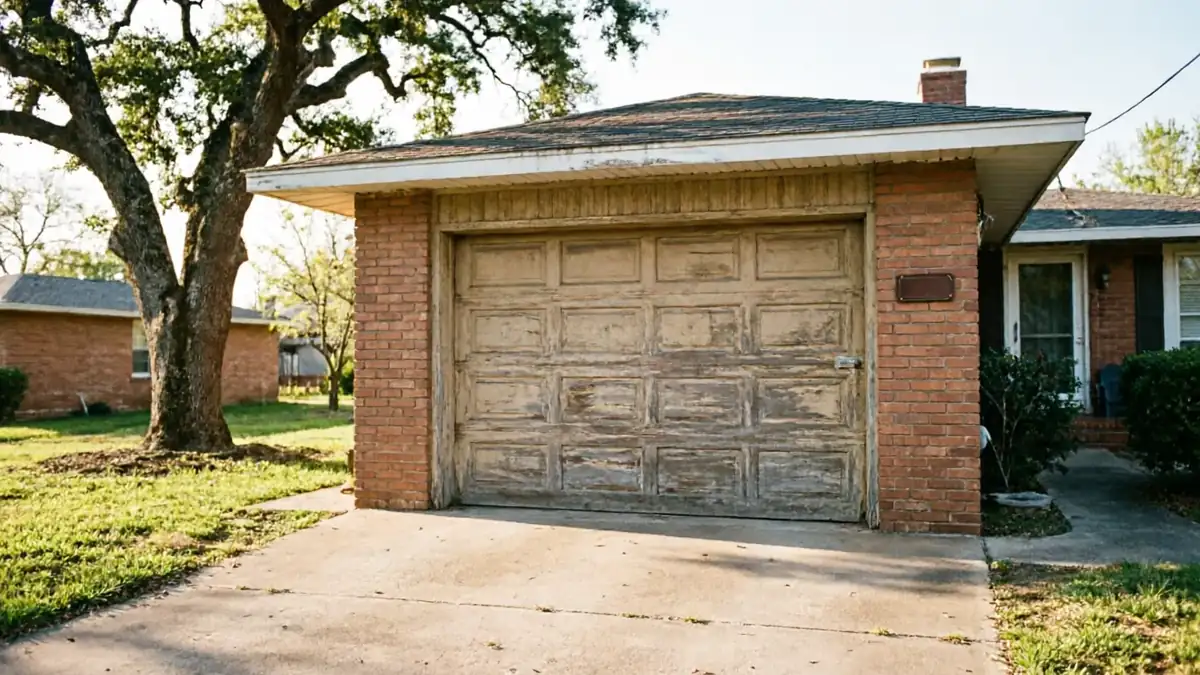
Friendswood's housing stock runs from 1956 to 2014, but the median build year lands around 1987, and across the 24 named areas this company covers, most of what's on the ground dates to the 1980s and 90s. That matters because a door from that window was built to a different standard than what's sold today. A lot of these doors are still on their original hardware - the springs, the rollers, sometimes the opener itself. With 62,775 owner-occupied houses across the service area, a sizable chunk of those doors have never had a tune-up, let alone a repair. The question we get asked constantly isn't "how much" - it's "is this thing even worth fixing," and the honest answer depends on what's actually wrong, not how old the door looks. A dented panel on a door from 1988 might be a ten-minute fix. A seized torsion spring on the same door might mean the whole unit needs attention because parts for that era aren't always on the shelf anymore.
The Common Mistake
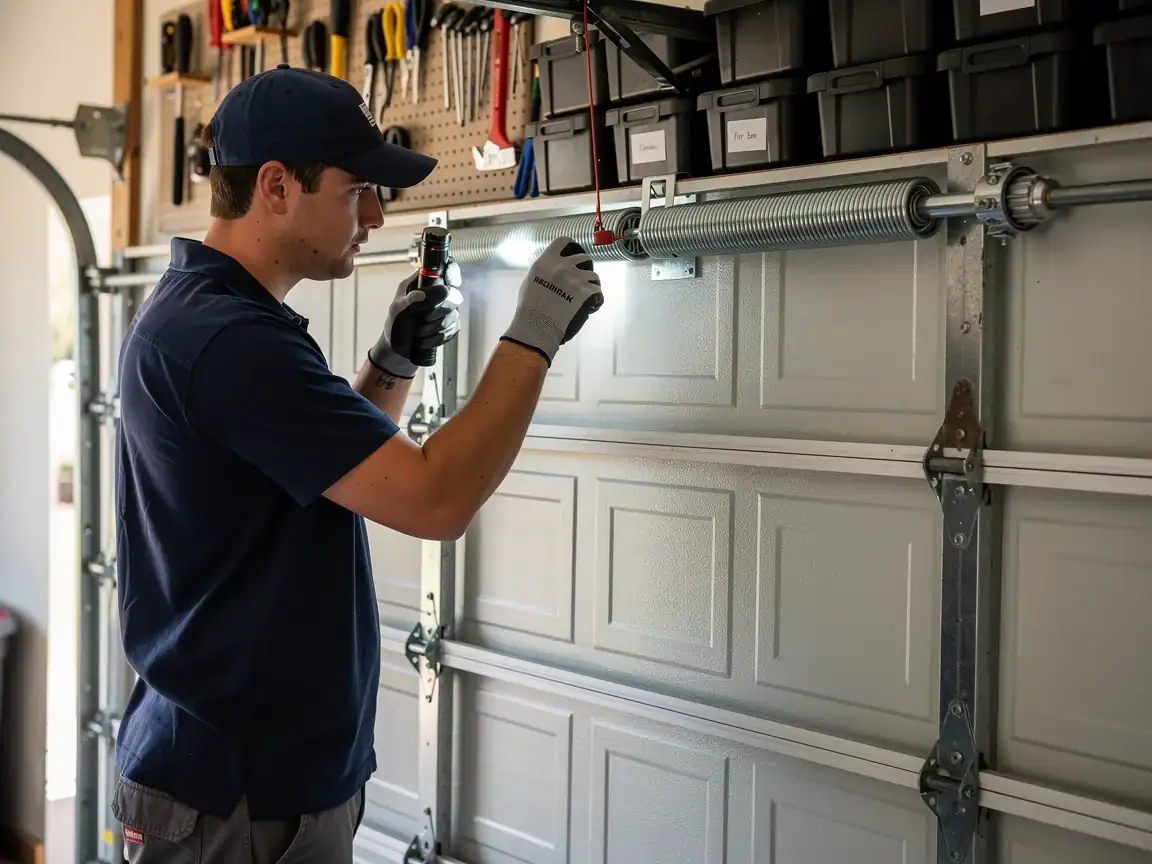
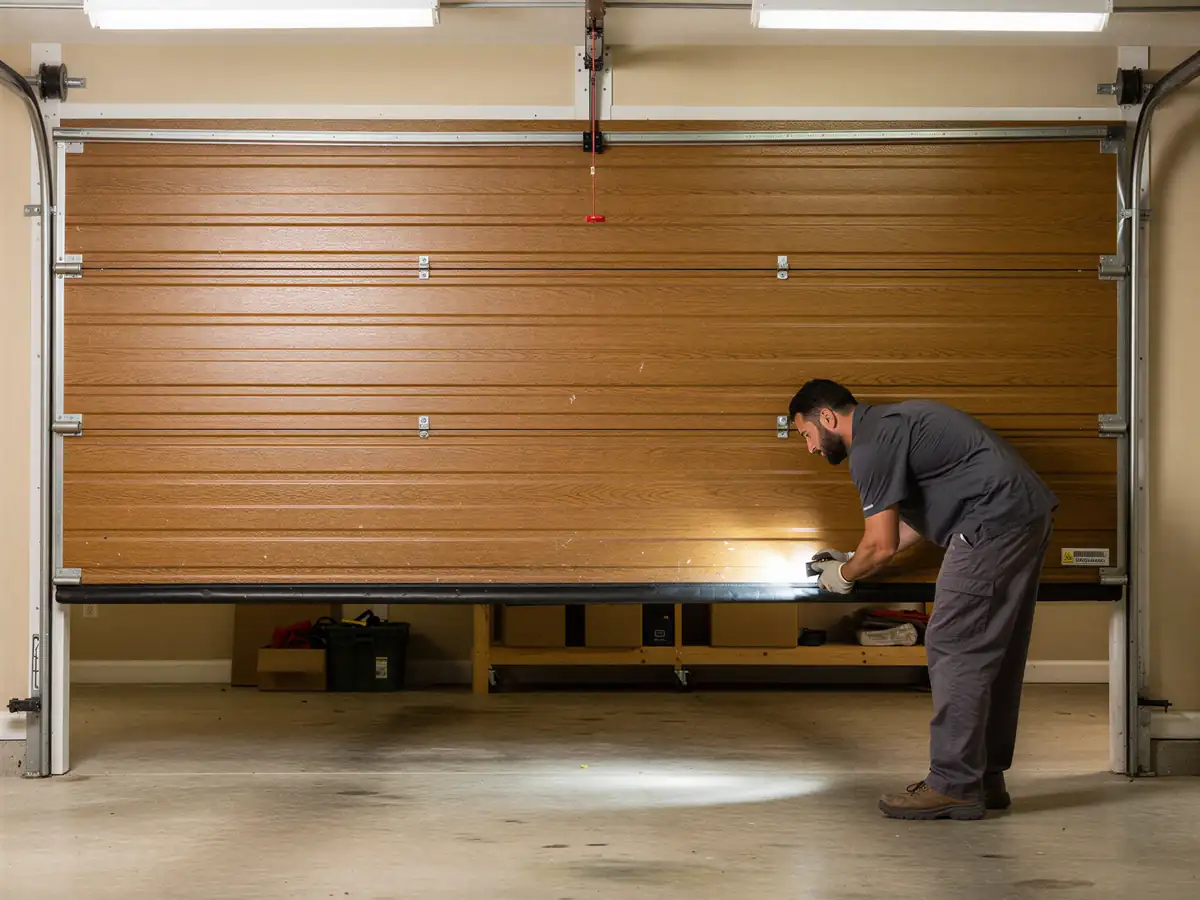
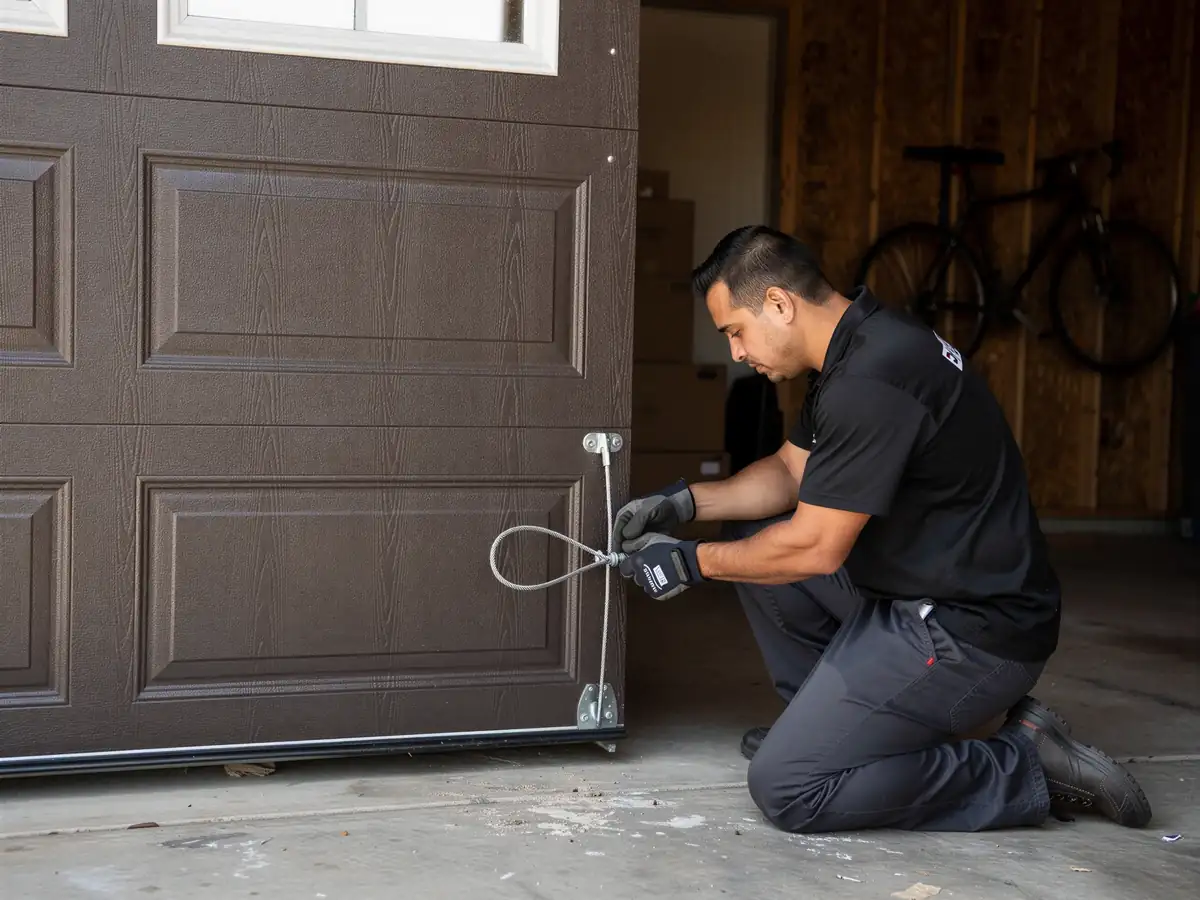
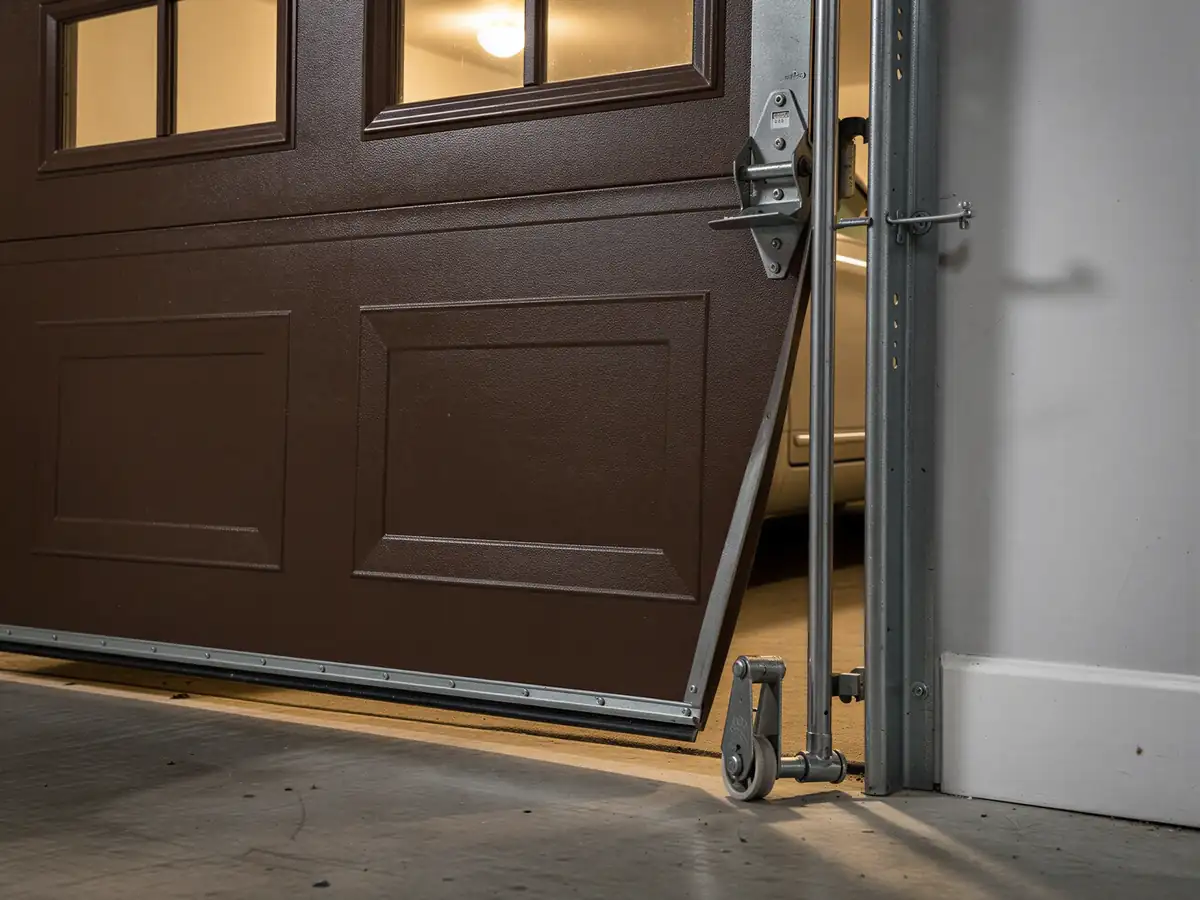
The mistake we see most is homeowners assuming age alone is the verdict - either "it's old, replace it" or "it still opens, leave it alone." Neither holds up. A door built in that 1980s-to-90s run predates today's safety-cable standard on extension-spring setups, which is a real safety gap worth fixing regardless of how the door looks cosmetically. On the other hand, plenty of these doors have steel panels and hardware that are perfectly serviceable - the track is true, the panels aren't rusted through, and the only issue is a worn roller or a spring that's lost tension after three decades of cycling. Swapping a whole door because one part failed wastes money. Leaving an unsafe extension-spring setup alone because "it still works" is the riskier version of the same mistake. The right call comes from looking at the actual hardware in front of us, not the decade stamped on the install.
What You Pay
We don't have a flat answer for what a repair on an older door costs - it depends on whether we're replacing a spring, a section, or chasing down hardware for a door old enough that the manufacturer doesn't make a direct match anymore. That last part is the honest limitation: on some doors from the 1980s, finding an exact replacement panel or track bracket takes longer than the repair itself, and sometimes it's not available at all, which is the point where replacement becomes the more practical answer even if the rest of the door is sound. With a median household income of $82,018 across the area, most of our customers are weighing a repair bill against a full replacement cost, and we'd rather tell you straight which side of that line your door is on than sell you more than the job needs.