What the Fix Involves
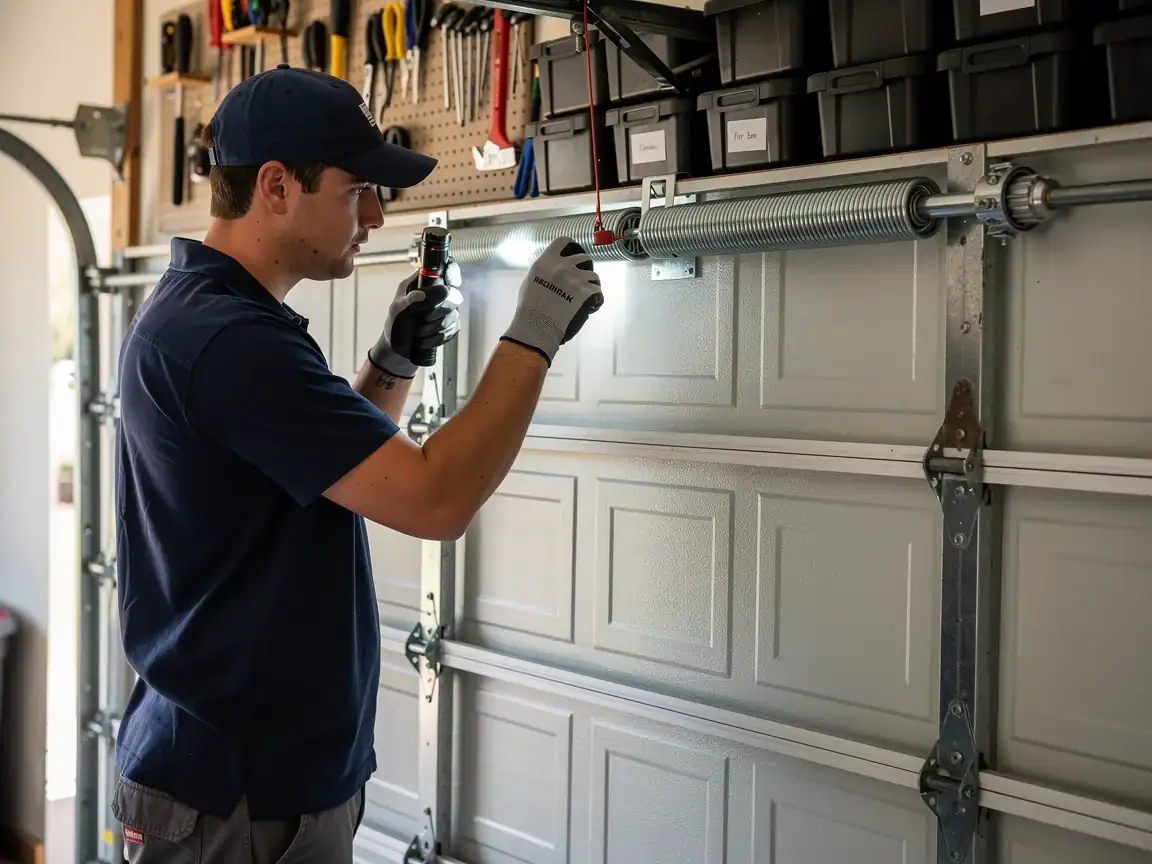
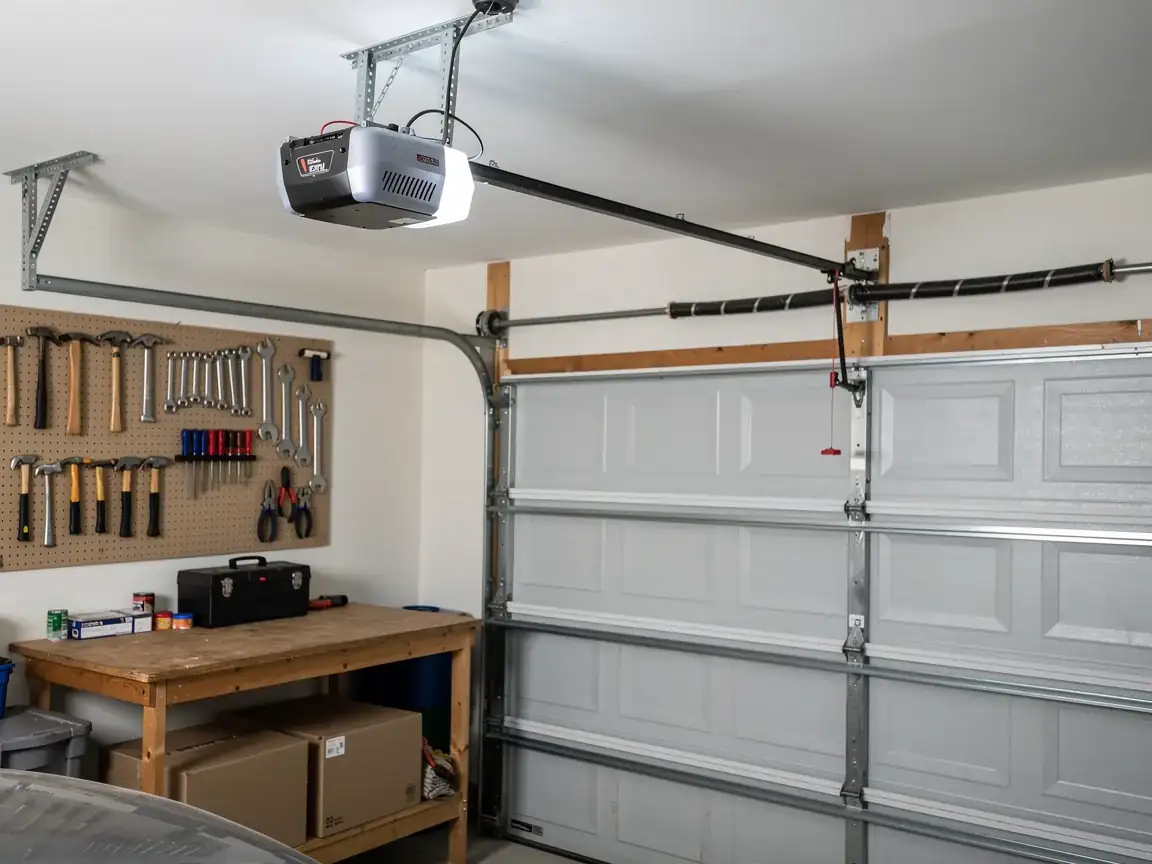
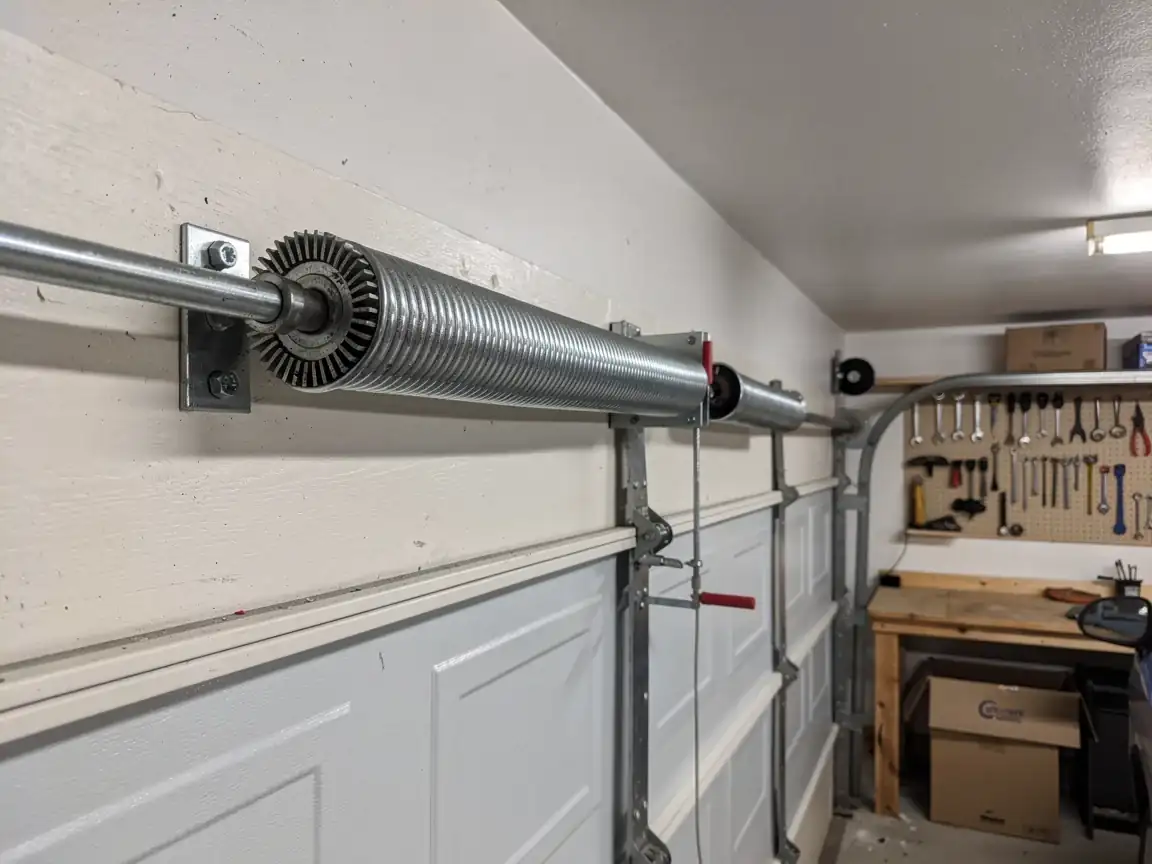
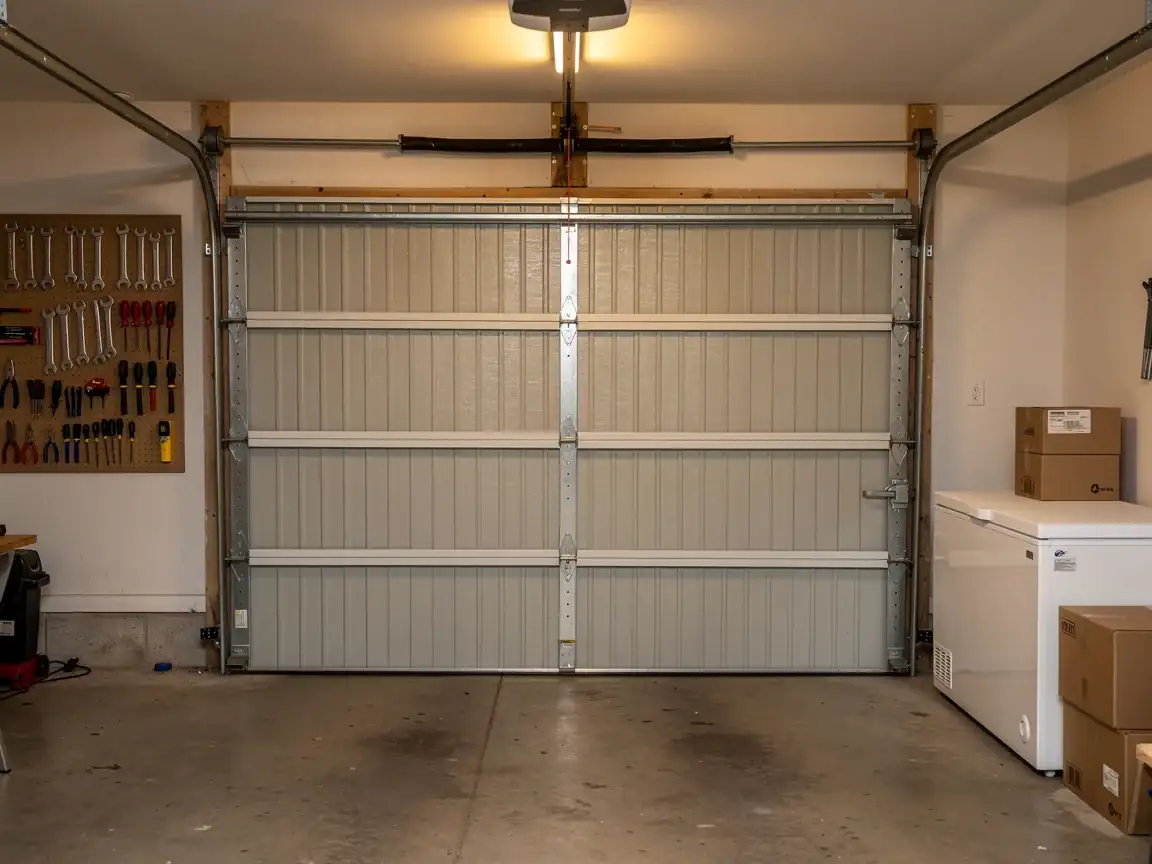
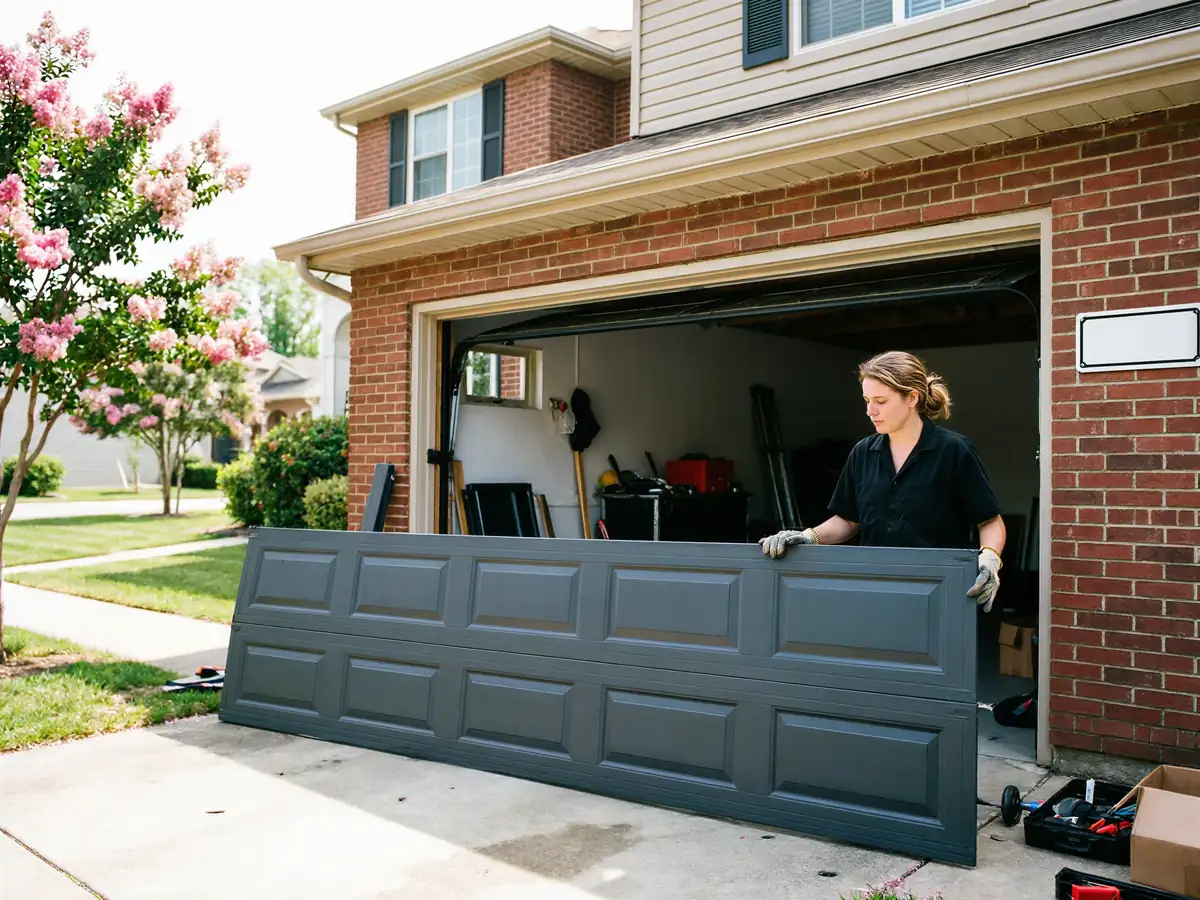
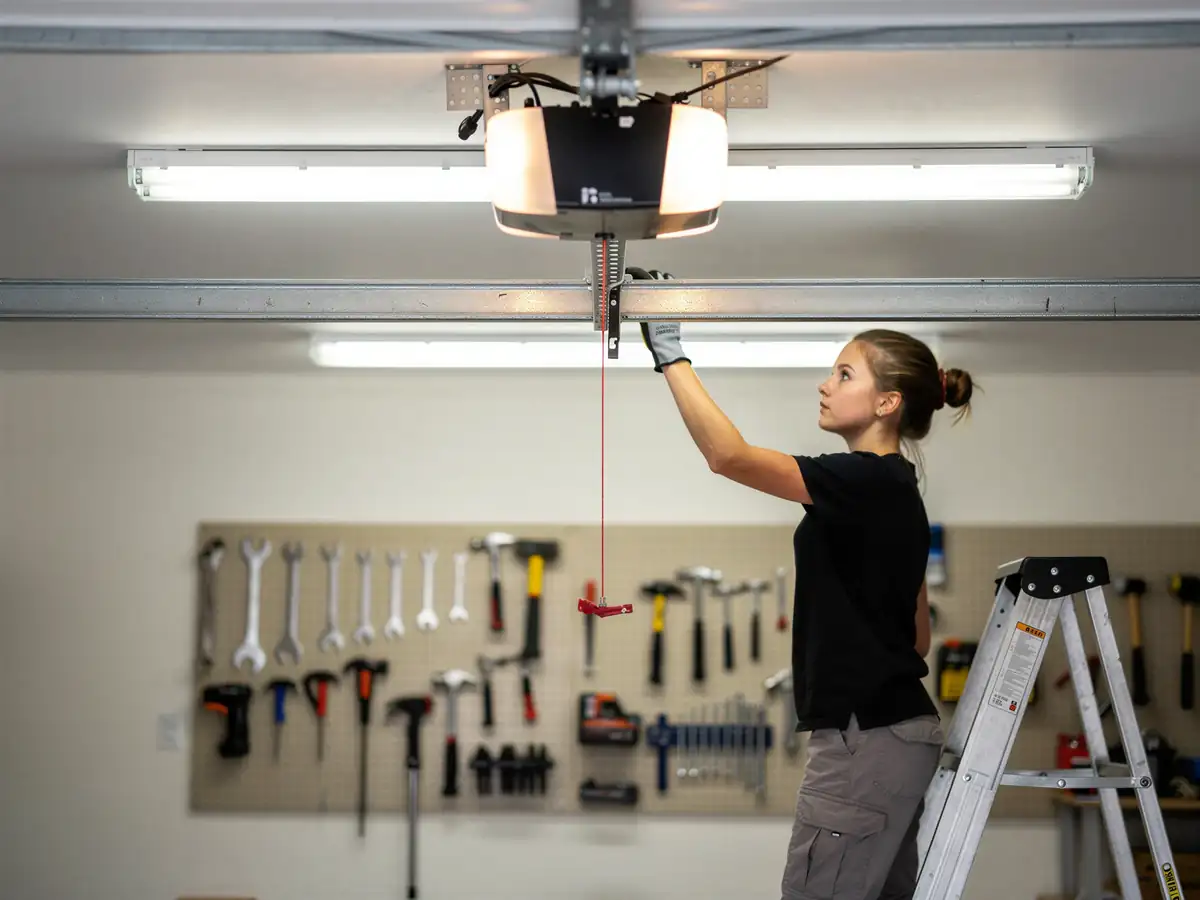
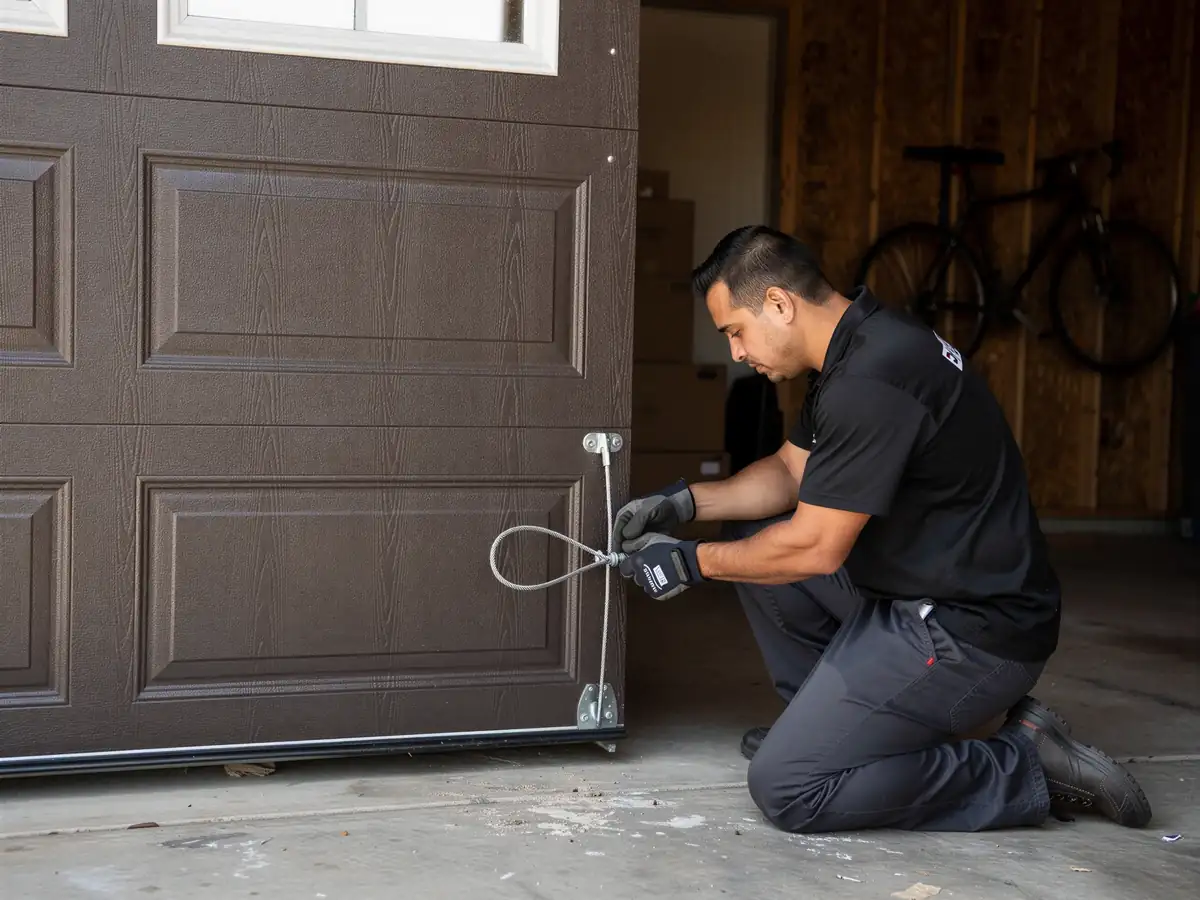
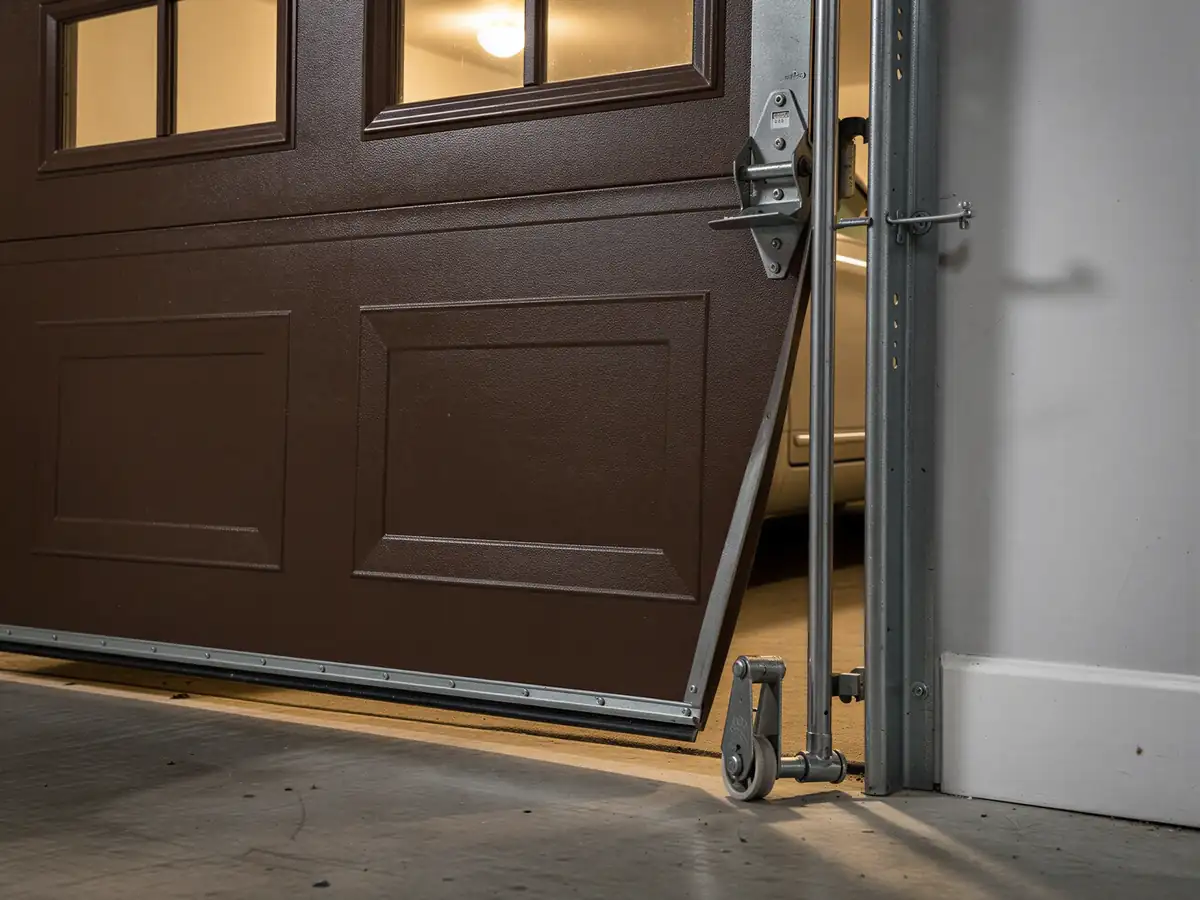
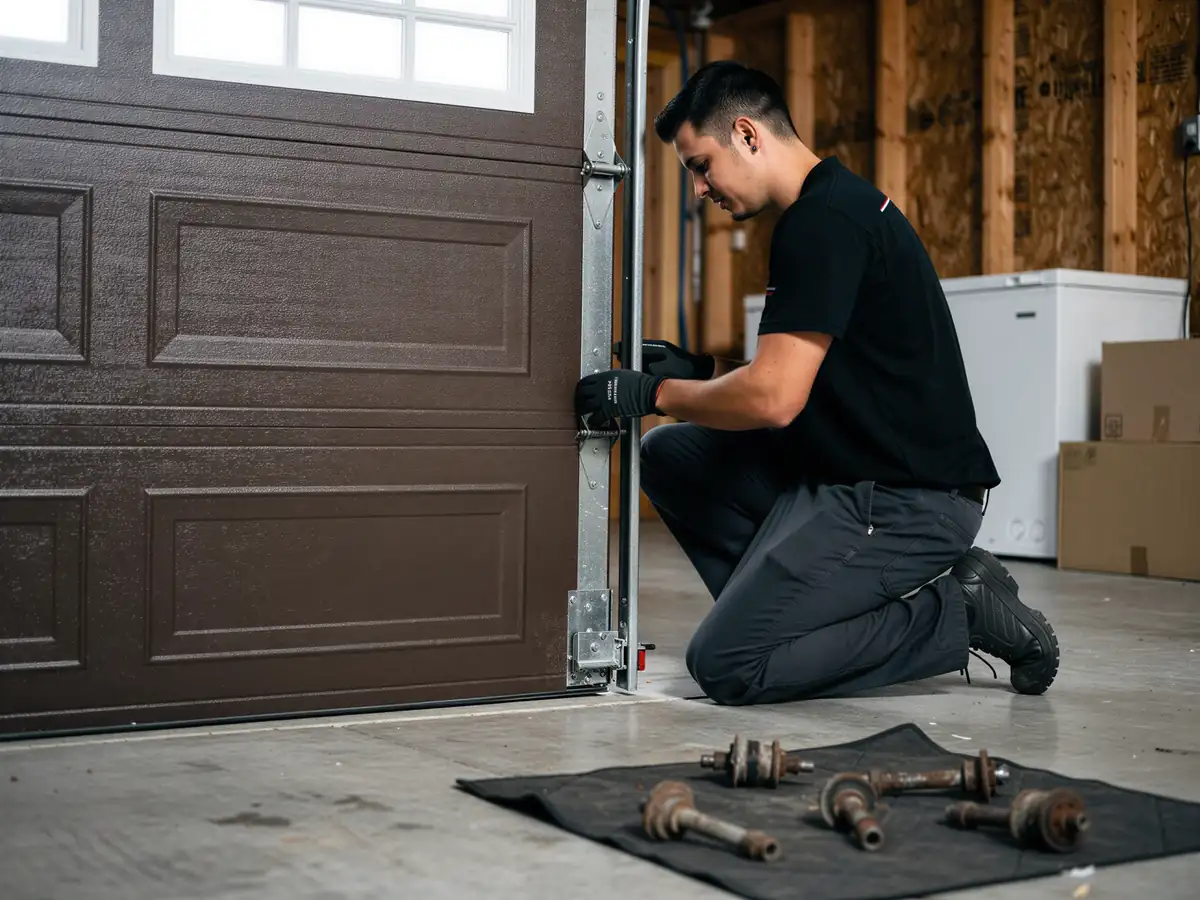
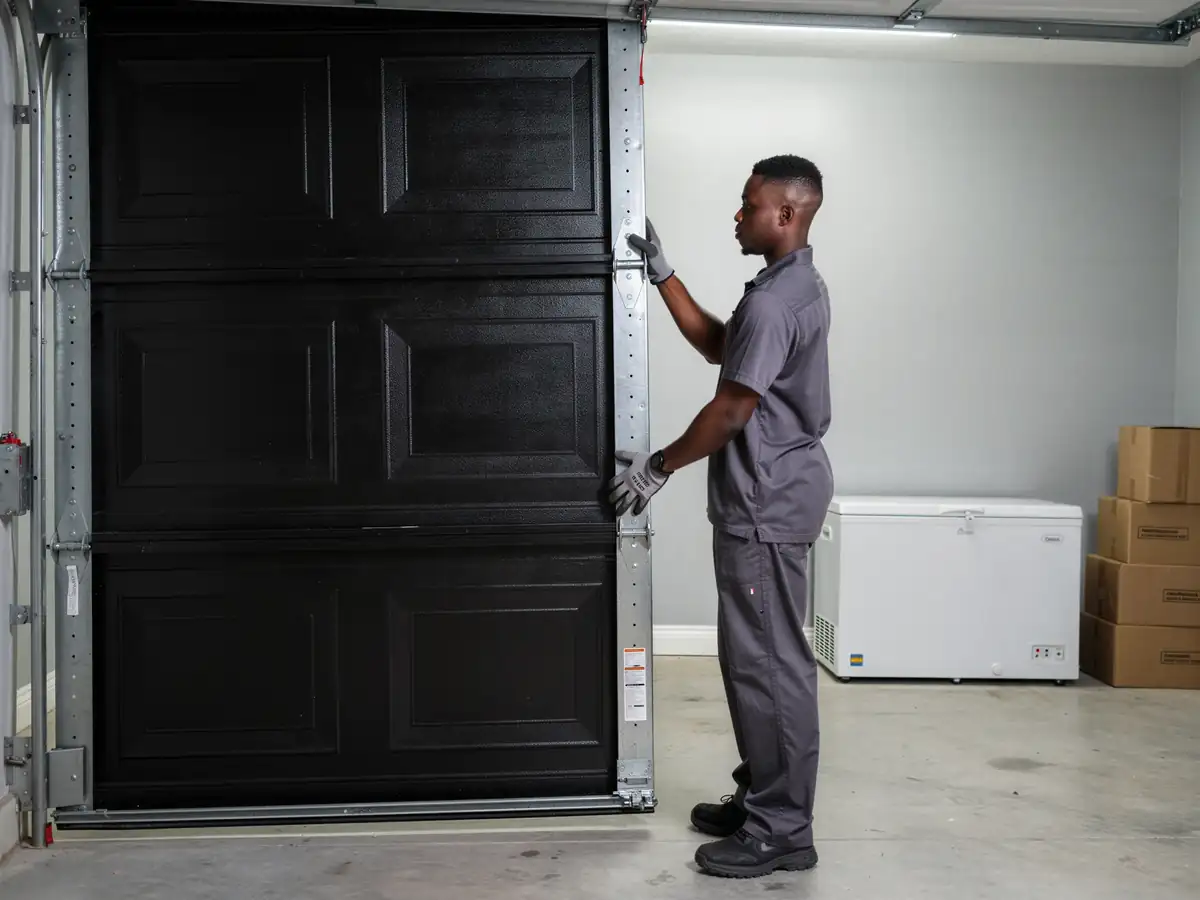
Most calls we get in Friendswood start with one of three things: a torsion spring that's let go, an opener that's stopped responding, or a track that's bent enough to throw the rollers off. The fix depends on which one you've got. A broken spring on a double door means we match the wire size and wind to the original, not guess at a universal replacement - undersized springs are the single most common comeback job we see. Opener failures usually trace back to the circuit board or the drive gear, and on a lot of the 1980s and 90s units still running in this area, parts are no longer made, so replacement is often the honest answer instead of a repair. Bent track almost always comes from the door getting hit, not age, and straightening it only works if the rail hasn't cracked at the mounting bracket. We carry common spring sizes and rollers on the truck for houses built in the 1987 median range here, but some opener boards for older units need to be ordered, and we'll tell you that up front rather than string out a visit.
Why It Happens Here
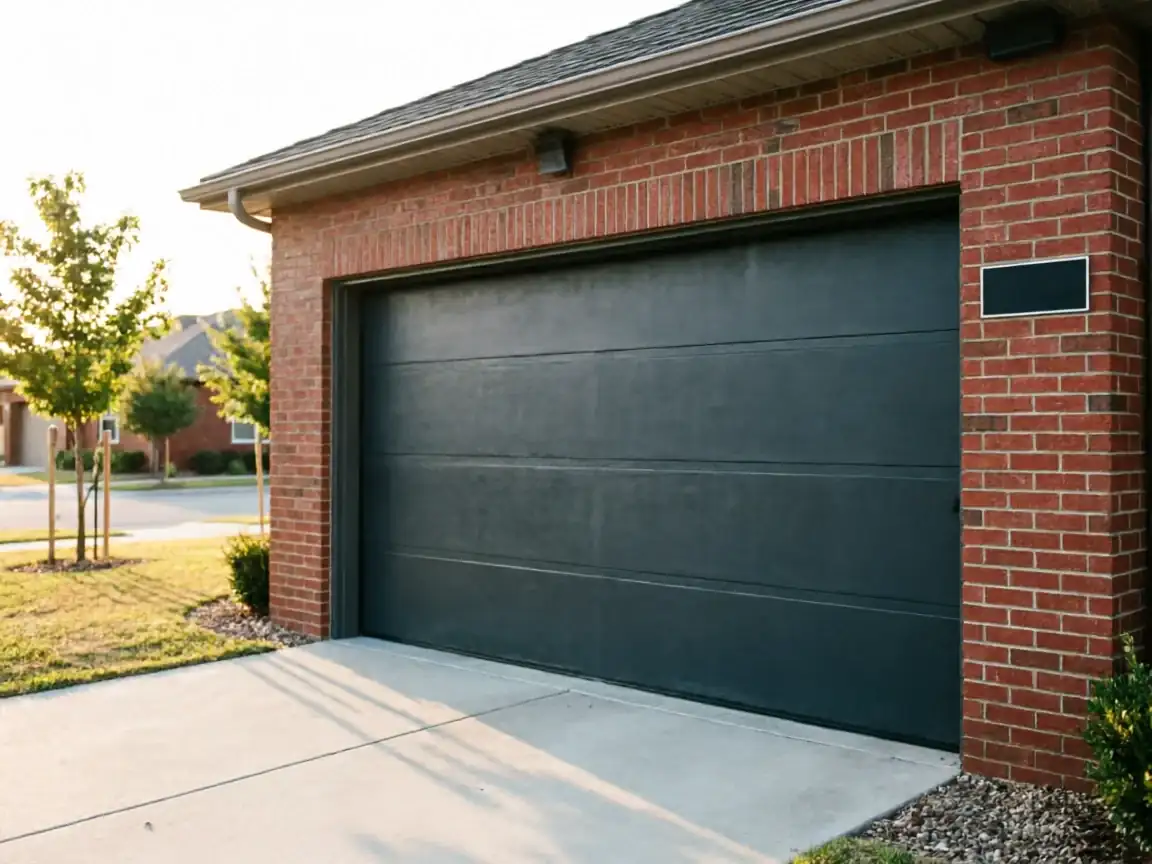
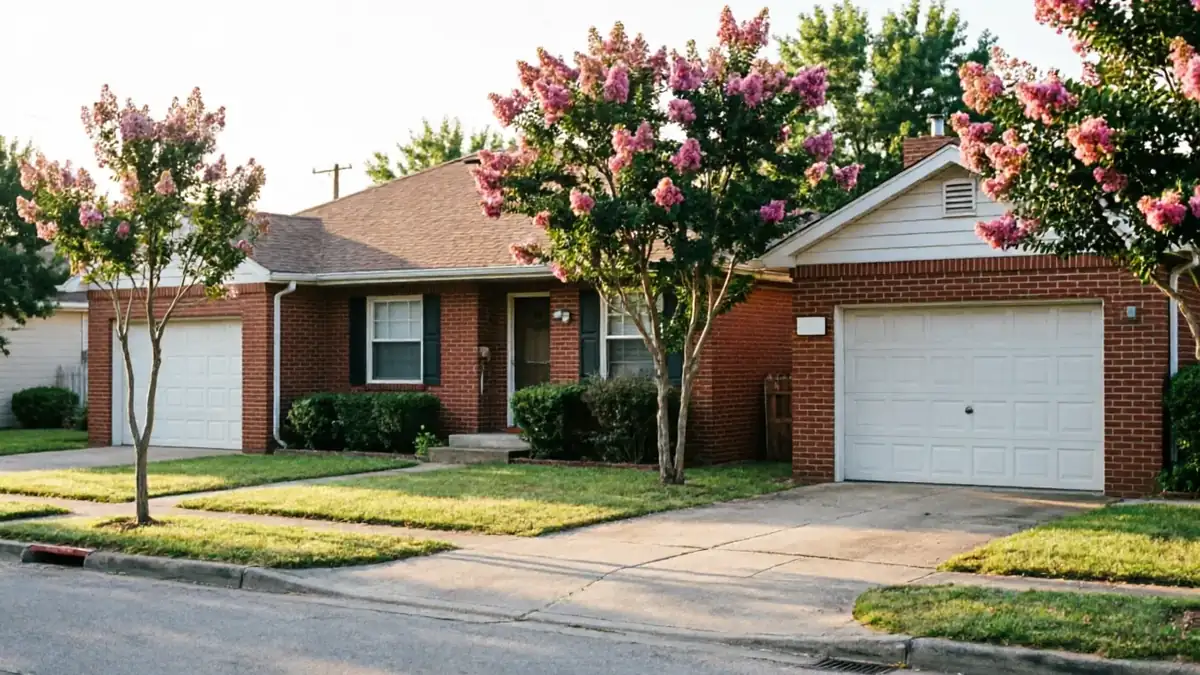
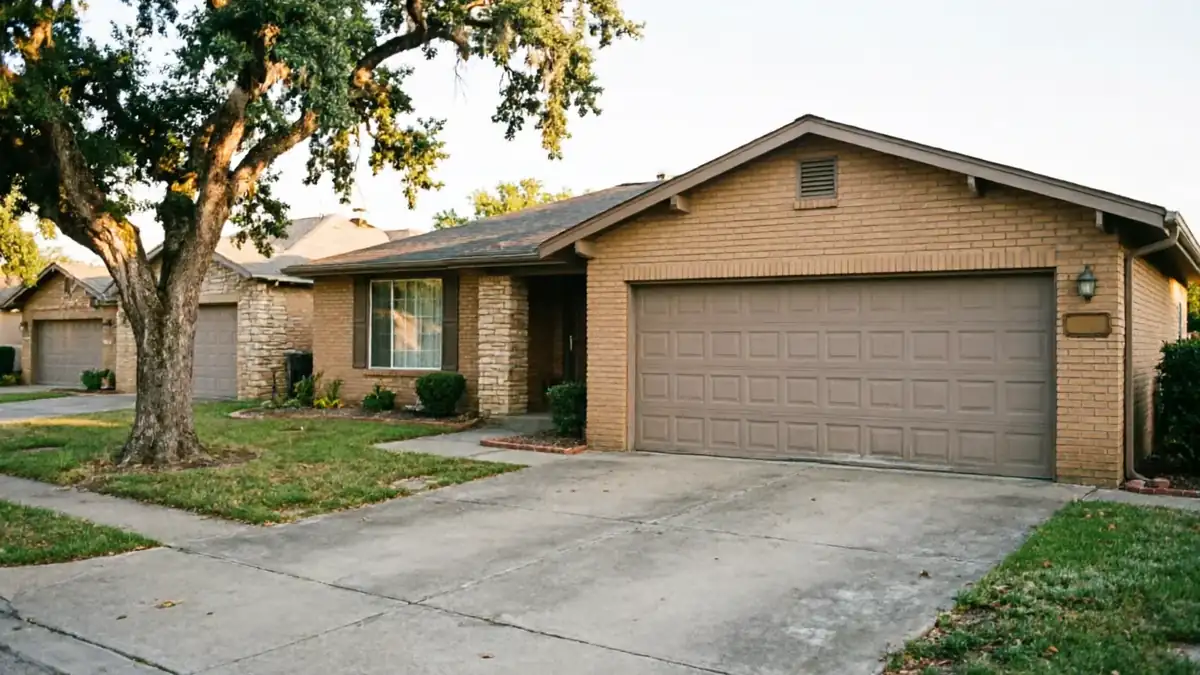
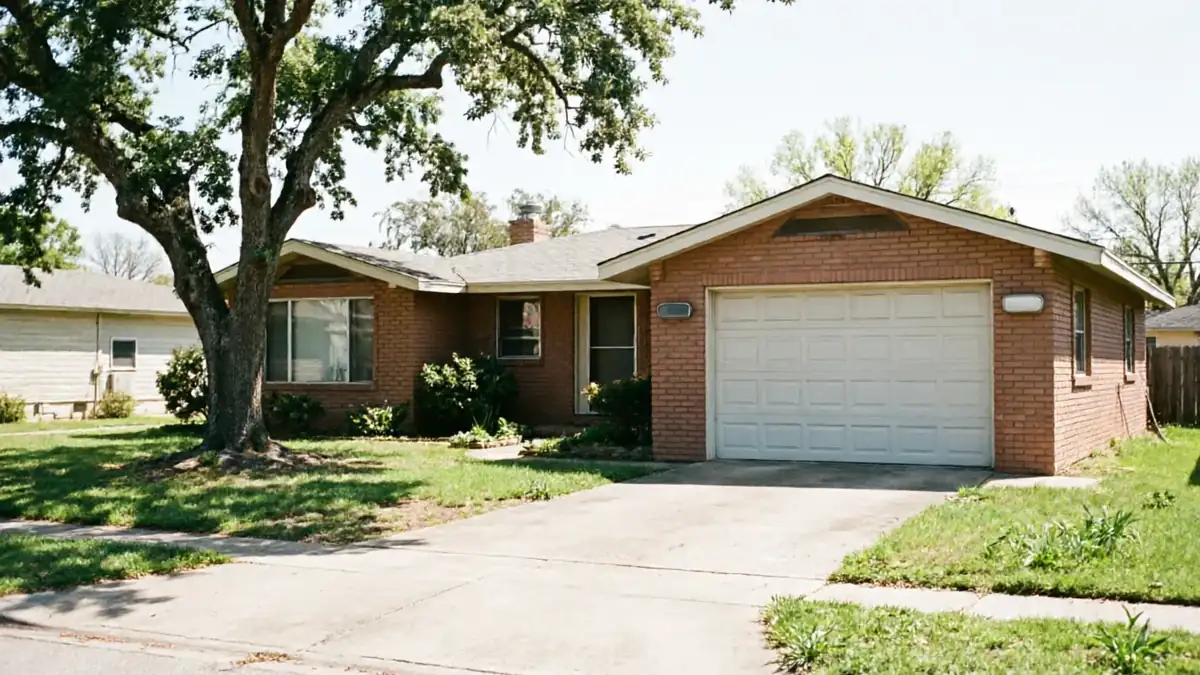
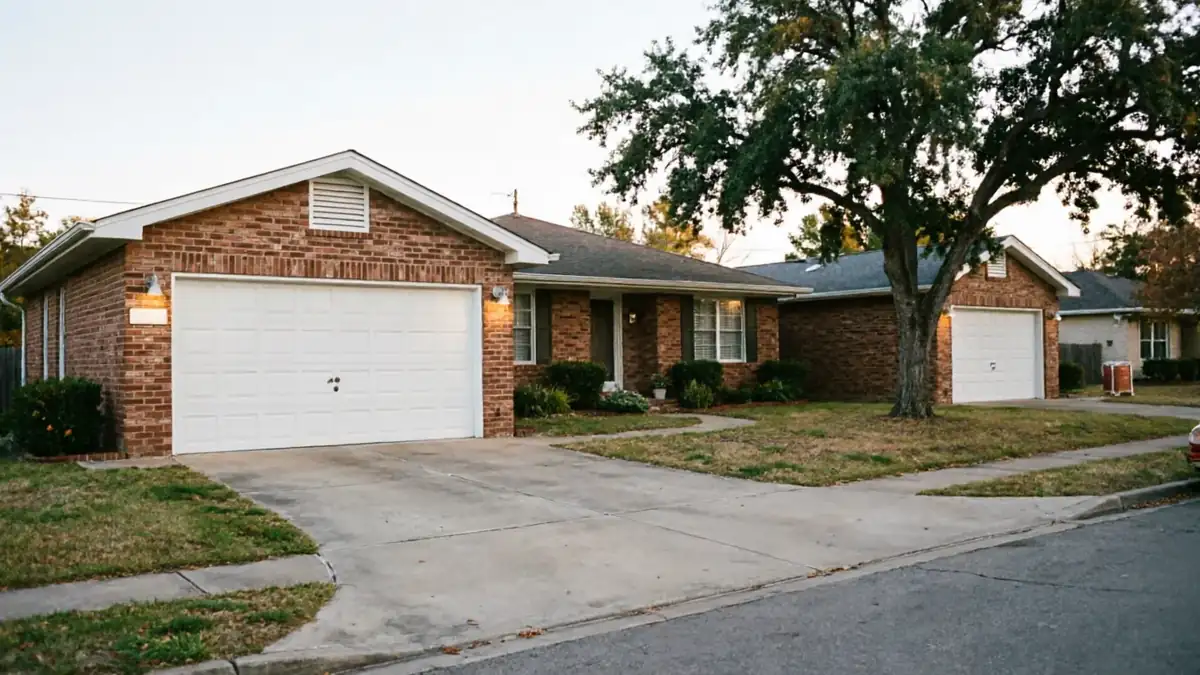
Friendswood's housing runs from 1956 up through 2014, with the bulk of it going up in the 1980s and 90s across the area's named sections. That matters for garage doors because a door installed in 1987 is now on its third or fourth spring cycle, and the original hardware - torsion bar, bearing plates, cable drums - is well past its rated cycle count even if nobody's touched it. The climate here is mild with occasional freeze nights, not the kind of deep cold that cracks steel, but the humidity swings do something else: they rust springs and cables from the inside of the coil out, which is harder to spot than surface rust until the spring snaps. We see this most in the older pockets of 1980s-era homes where the original springs were never upgraded. Newer construction, built closer to 2014 standards, tends to have better-sealed bottom brackets and holds up longer against the same humidity, which is part of why the service calls skew heavier toward the older sections of town.
What You Are Seeing
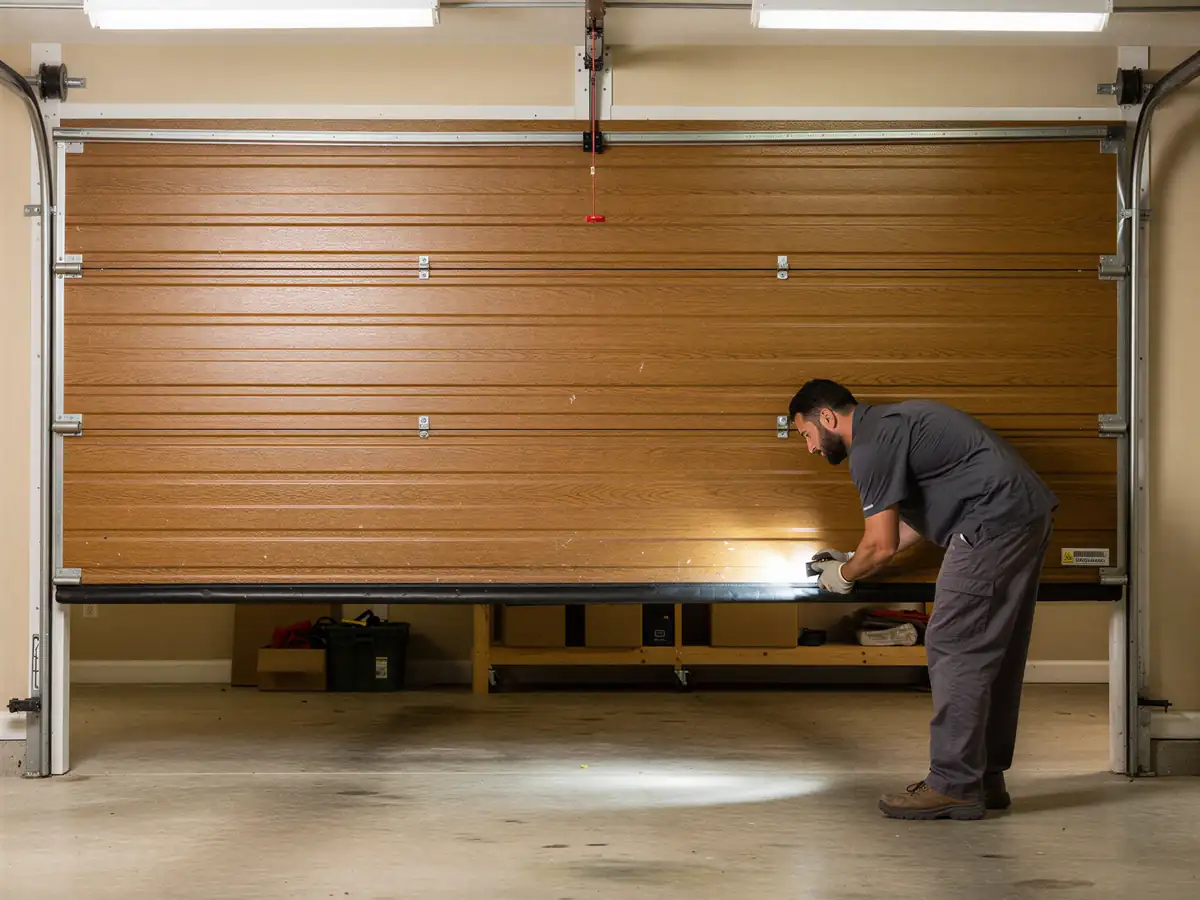
If the door won't budge and there's a visible gap or kink in one of the two springs above it, that's a broken torsion spring - don't try to open it manually, the cables are under tension and can whip. If the opener hums but the door doesn't move, that's usually a stripped gear inside the unit, common on the older opener models still in service across the area's 1980s and 90s housing. A door that shudders or runs off-track partway through its cycle points to bent rail or a roller that's seized in its bracket. And if you're hearing a grinding or popping sound that wasn't there last month, that's worth a call now rather than later - in this climate, corroded hardware tends to fail suddenly rather than gradually.