The Situation
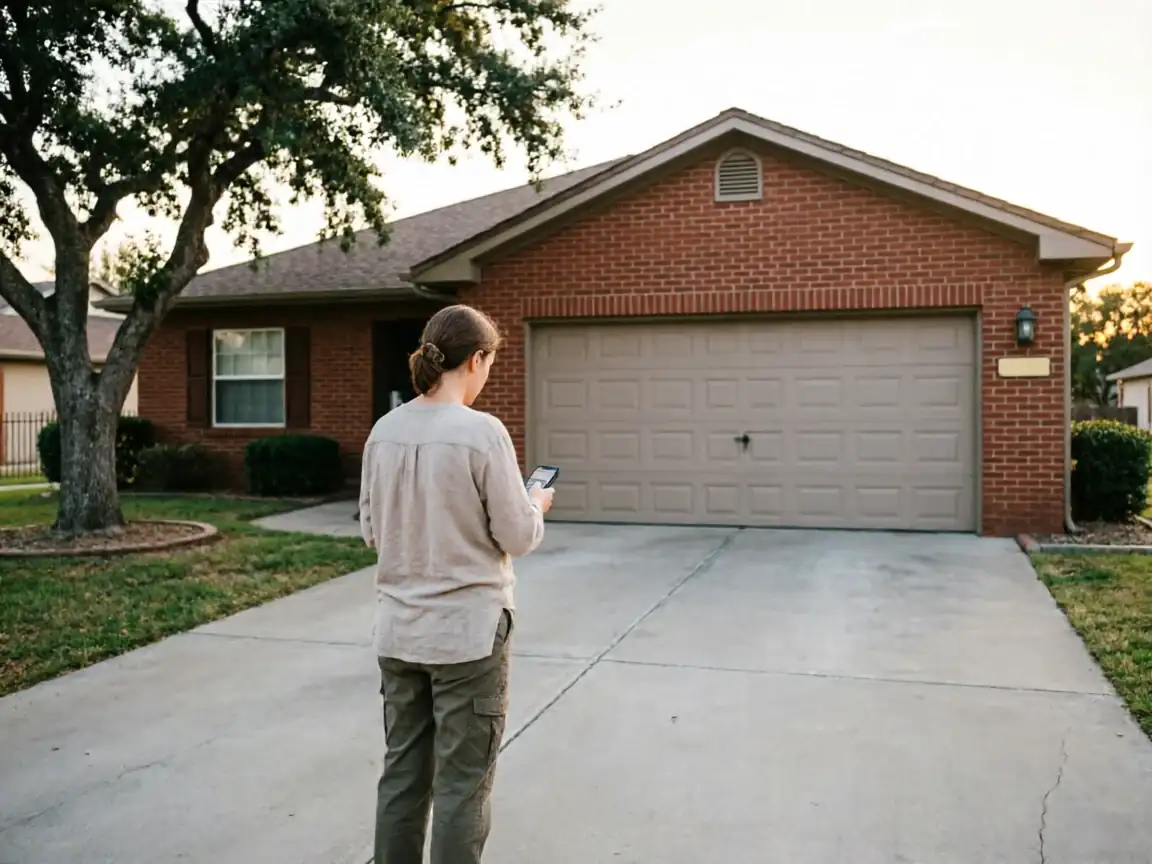
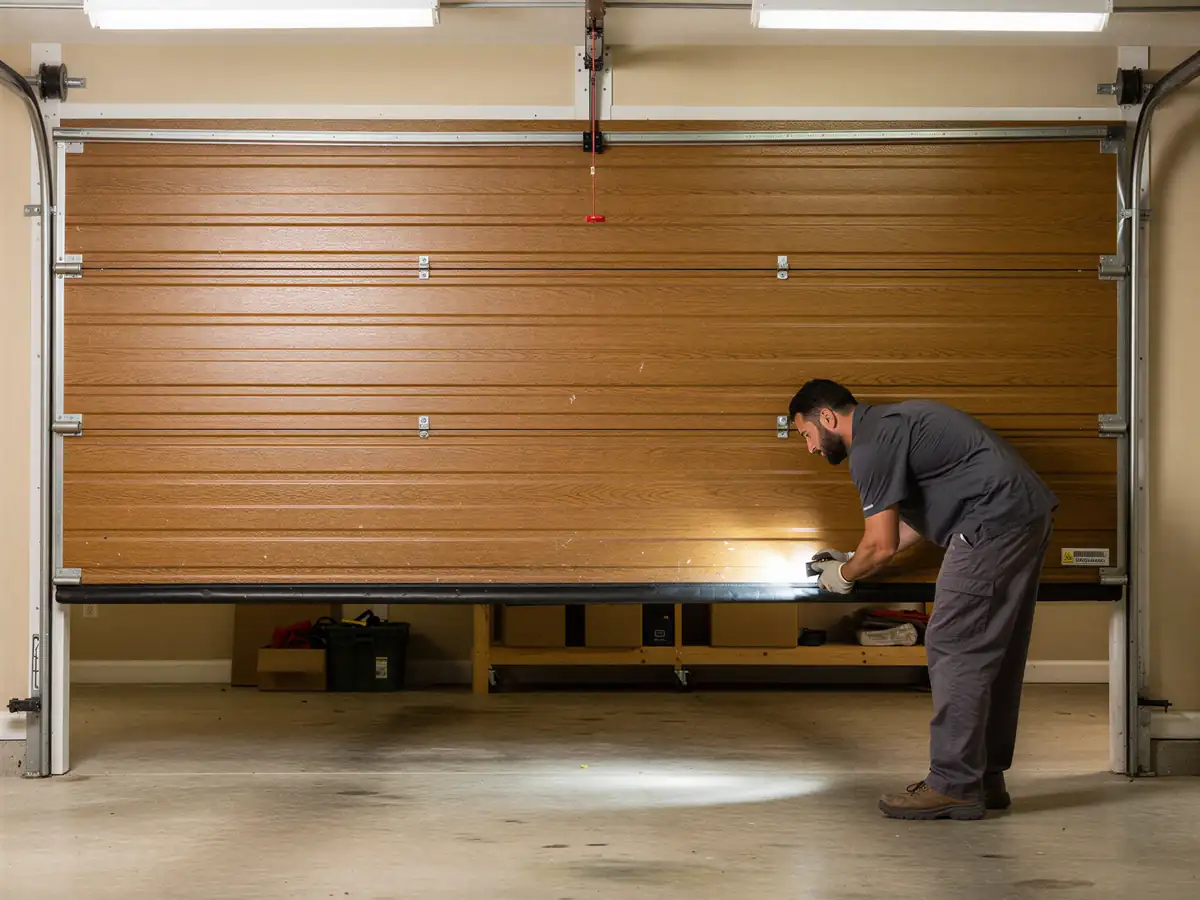
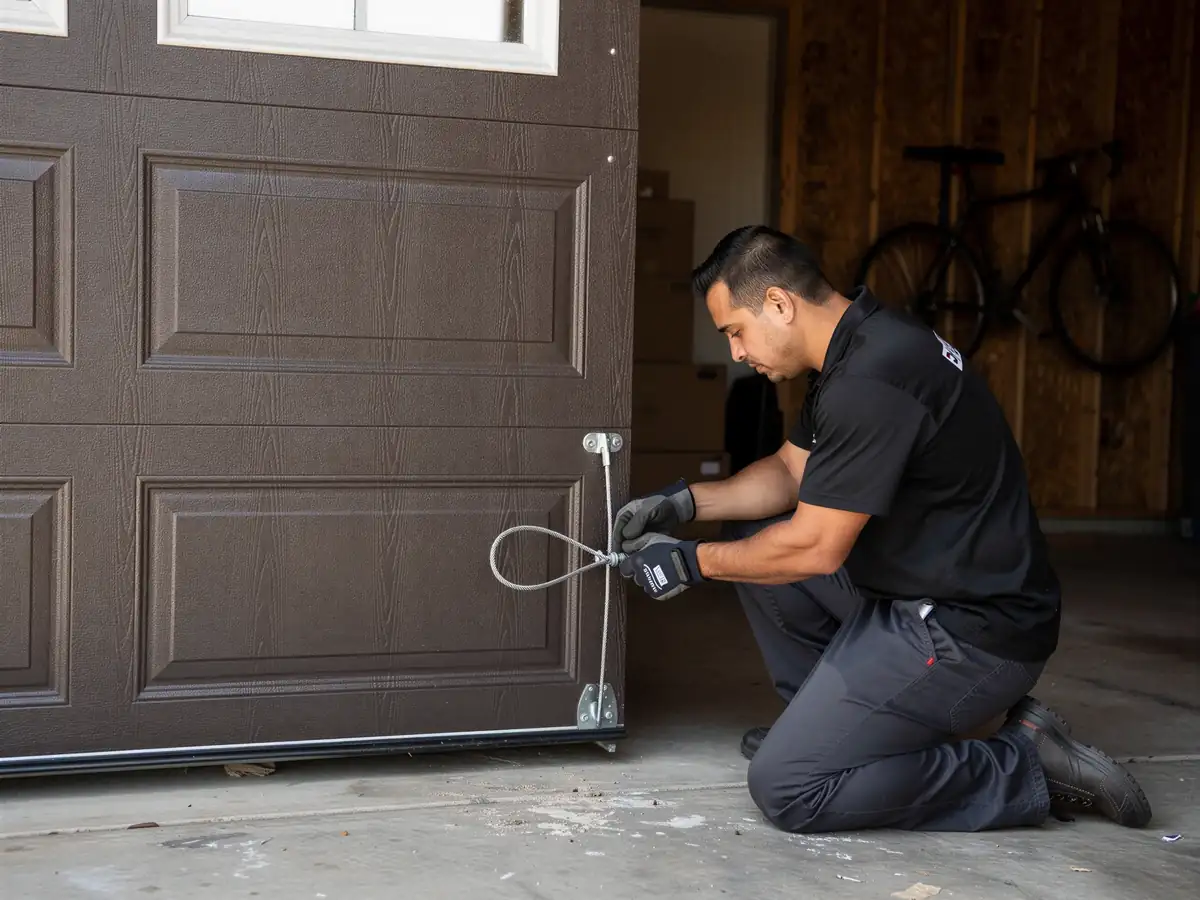
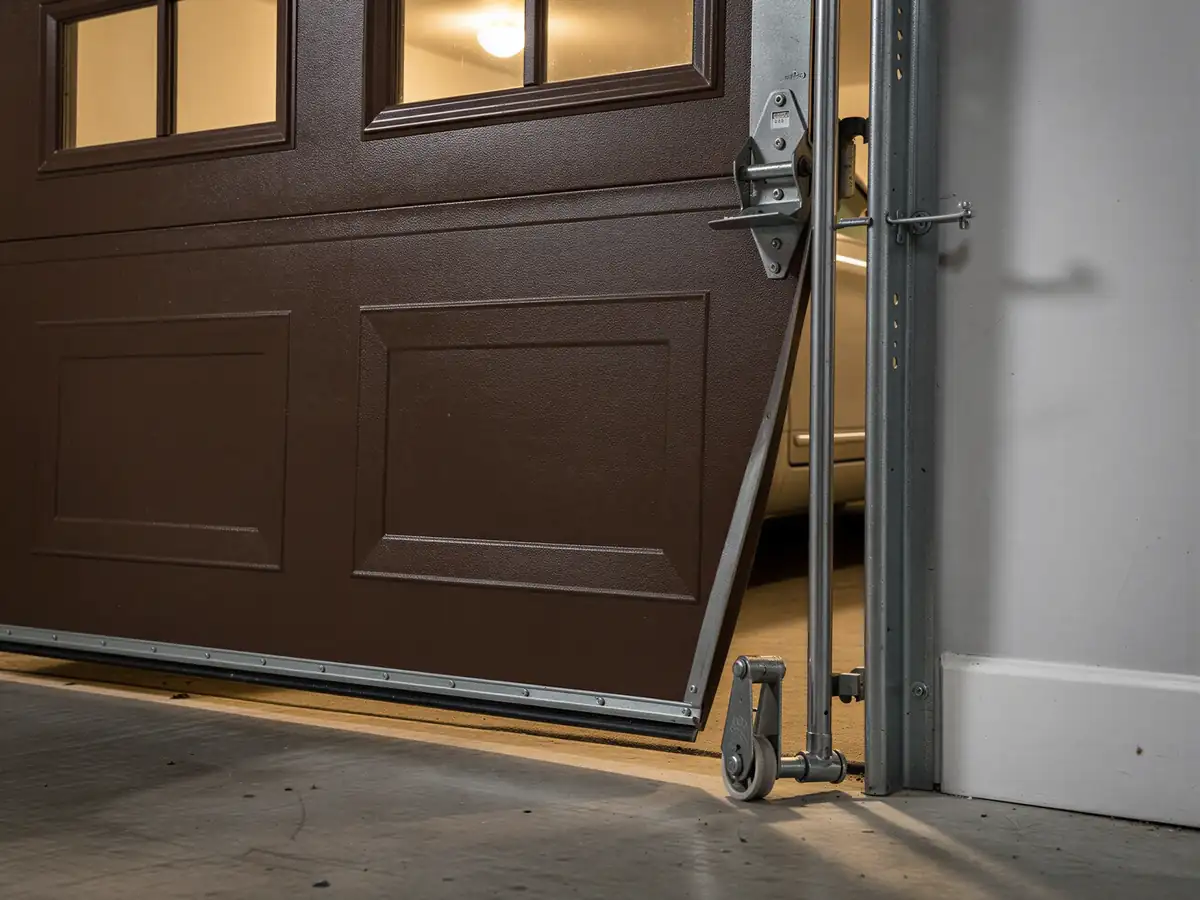
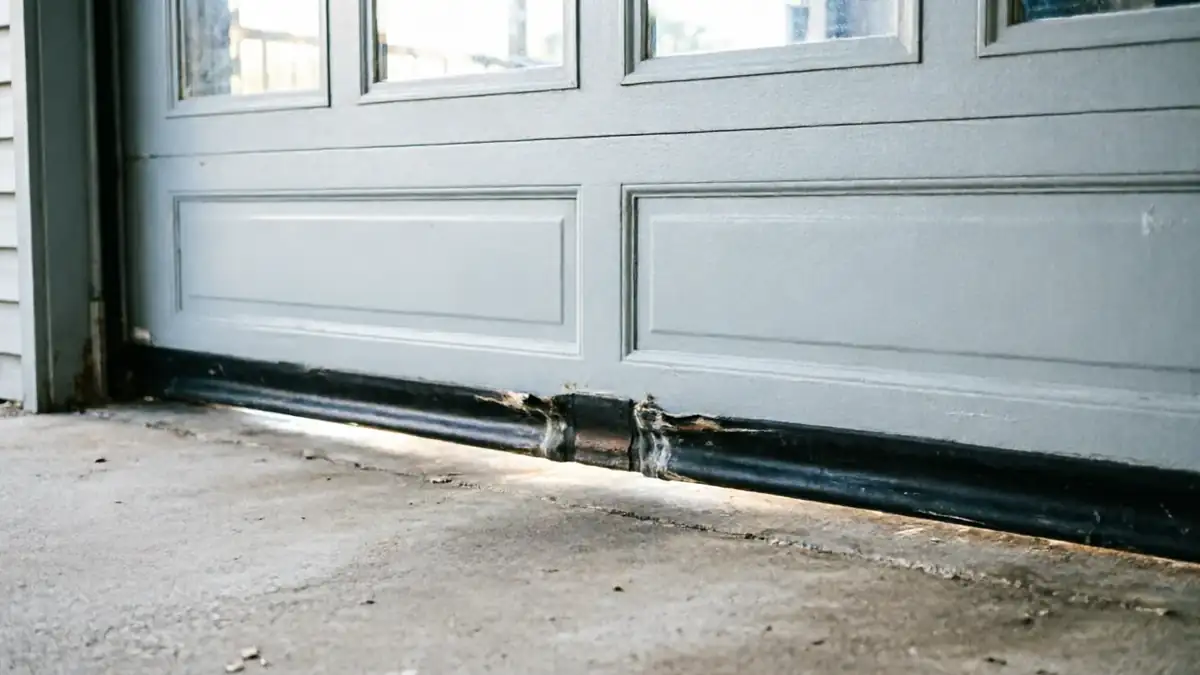
Friendswood's housing stock runs from 1956 up through 2014, with the median build year sitting at 1987. That means a big share of the garage doors we look at are original or near-original to a house built in the late 80s or early 90s, and the rubber seal running along the bottom and sides of that door has been baking and flexing for most of that time. You feel it as a thin line of outside air along the bottom edge, or a draft that shows up on one side of the door but not the other. It's rarely the whole door failing at once. It's usually the seal giving up in sections, starting wherever the sun hits hardest or the slab has settled slightly. Owners usually notice it in two ways: a line of dust or leaves collecting just inside the door, or a noticeable temperature difference in the garage compared to the rest of the house. Neither means the door itself is bad. It means the gasket material has done its job for three decades and is done.
The Common Mistake
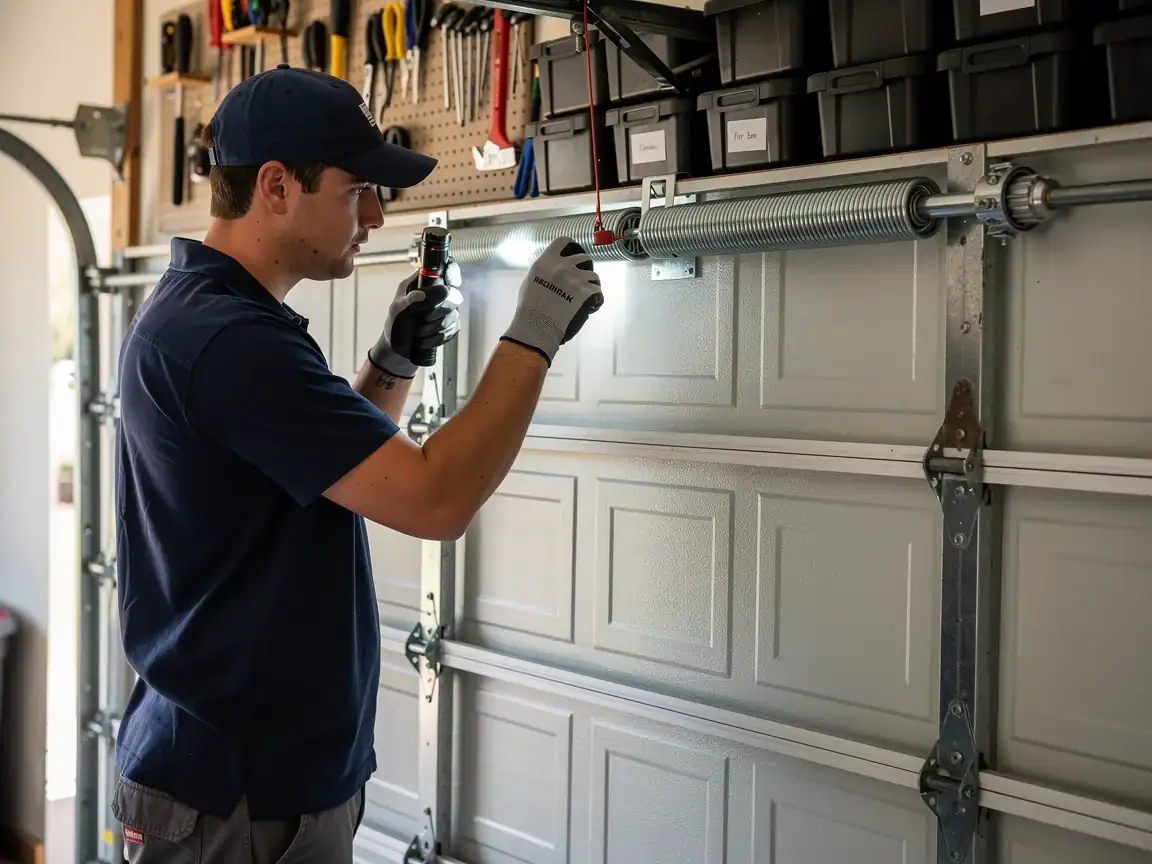
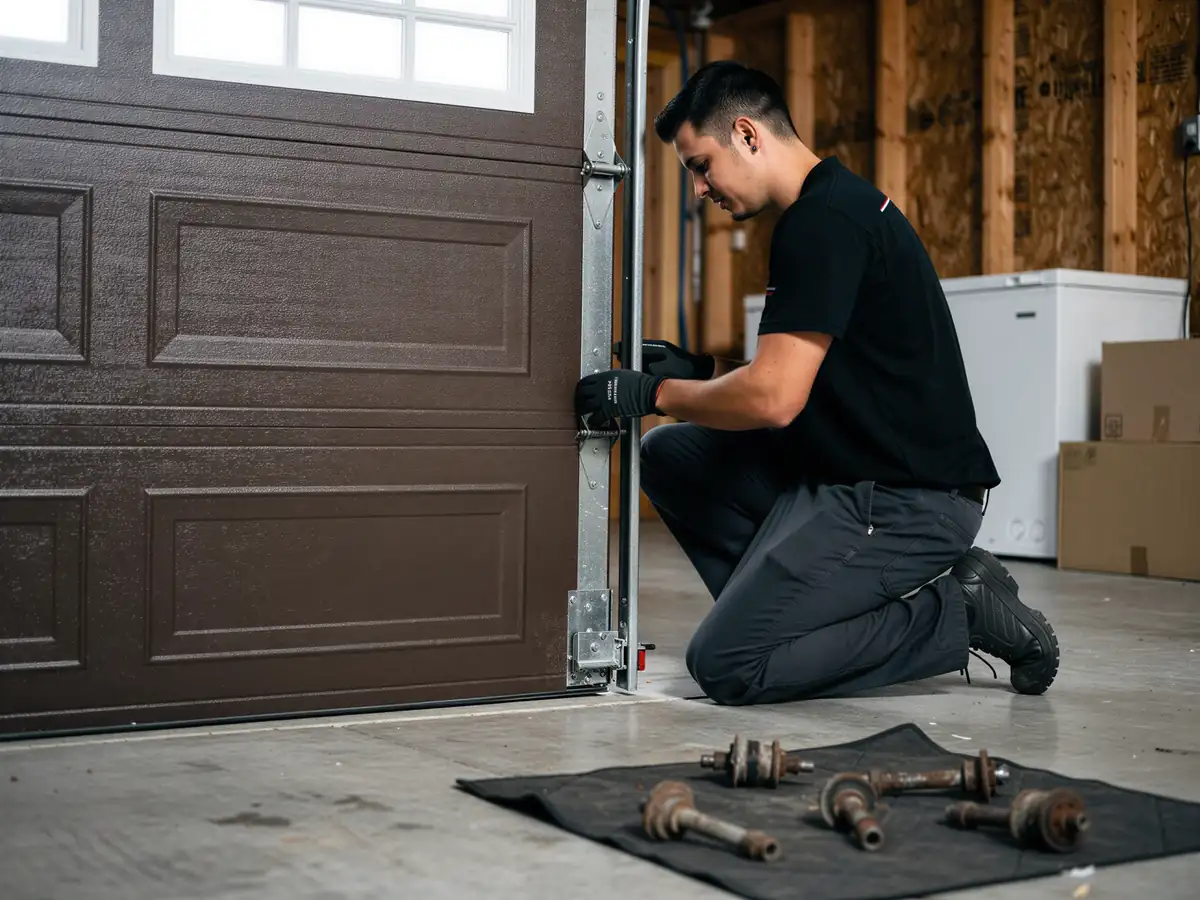
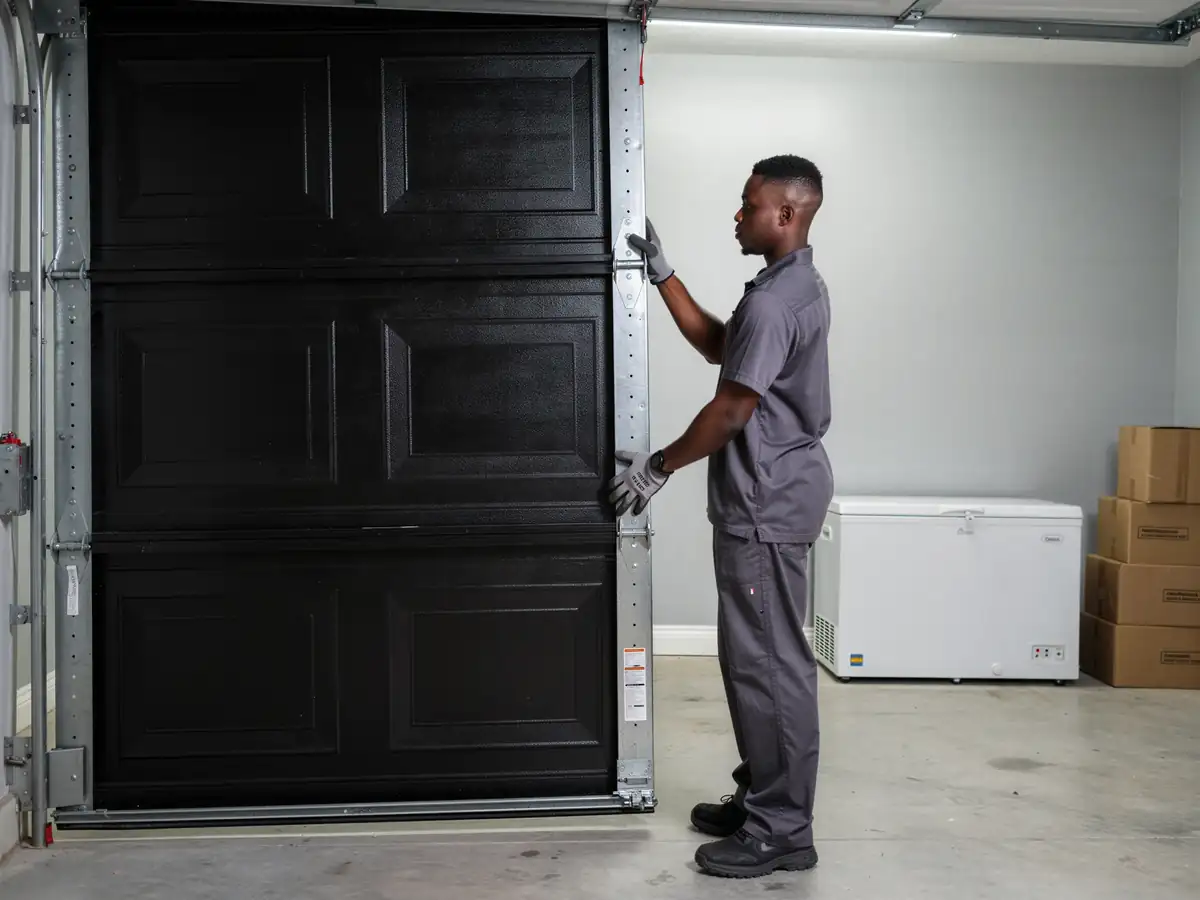
The move we see most is a tube of caulk or a strip of foam tape pressed along the gap instead of a proper seal swap. That buys a few months, not a few years, because it doesn't address why the gap opened in the first place. Across the 1980s and 90s-era construction common through this area, track brackets were set to a spacing standard from that period, and after 30-plus years the door can sit a few degrees off level without anyone noticing. Tape over a misaligned bottom seal just hides the gap until the next hot afternoon warps it loose again. The other mistake is replacing the bottom astragal but leaving the side and top stop weatherstripping alone, because those wear on the same timeline and from the same sun and settling. A full seal job means checking the track alignment first, then replacing bottom, side, and top strips together rather than patching the one you can see from the driveway.
What You Pay
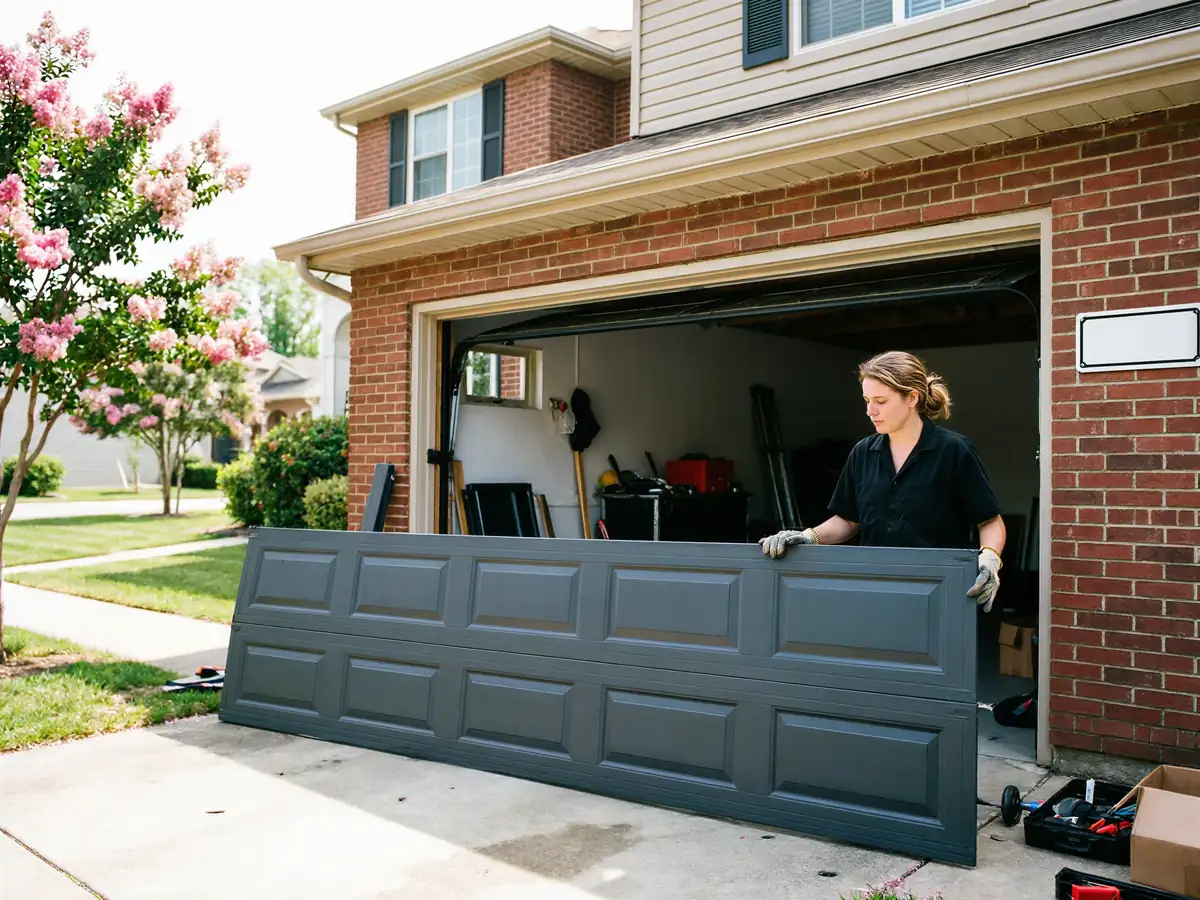
Seal and weatherstrip replacement is one of the cheaper jobs we do, well under what a spring or opener repair runs, because the material cost is low and the labor is straightforward on a door that still operates correctly. Where it changes is if the seal failed long enough ago that water has been getting under the bottom panel or into the track - at that point you're sometimes looking at panel or track work instead of just a strip swap, and that's a different estimate. Across the service area, with a median household income around $82,018 and tens of thousands of owner-occupied homes built in that same 1980s-2010s window, most of what we see is straightforward: the door works fine, the seal doesn't. We can't quote an exact number without seeing the door width and seal type in person, but a seal job on its own is not a big-ticket repair. Waiting until it's also a water-damage job is what makes it one.