What the Fix Involves
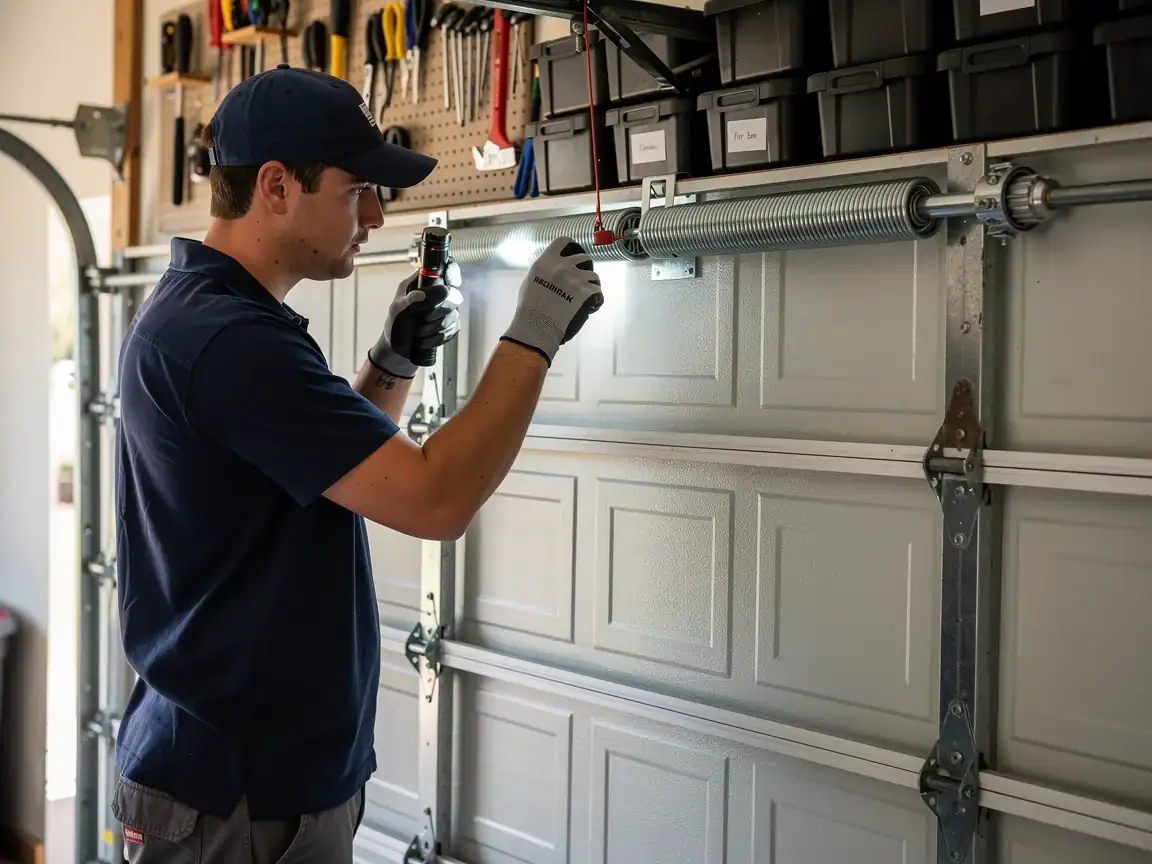
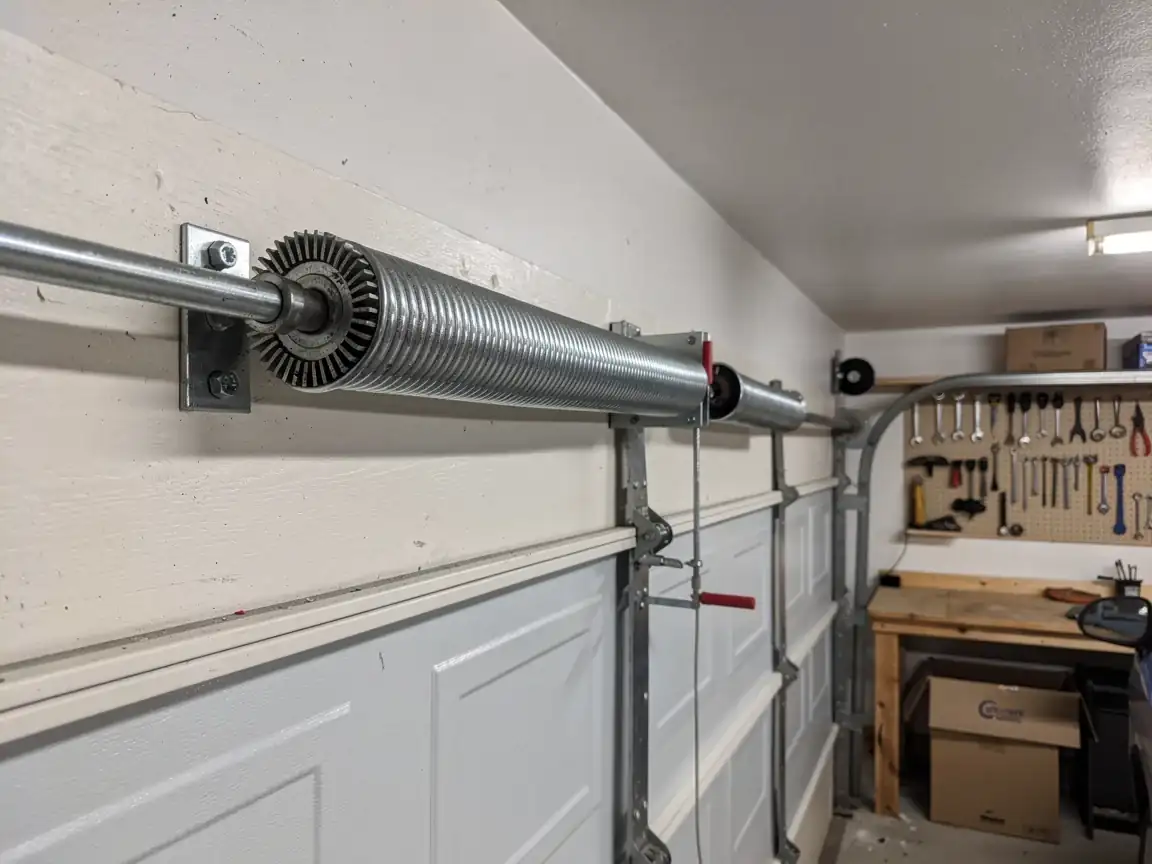
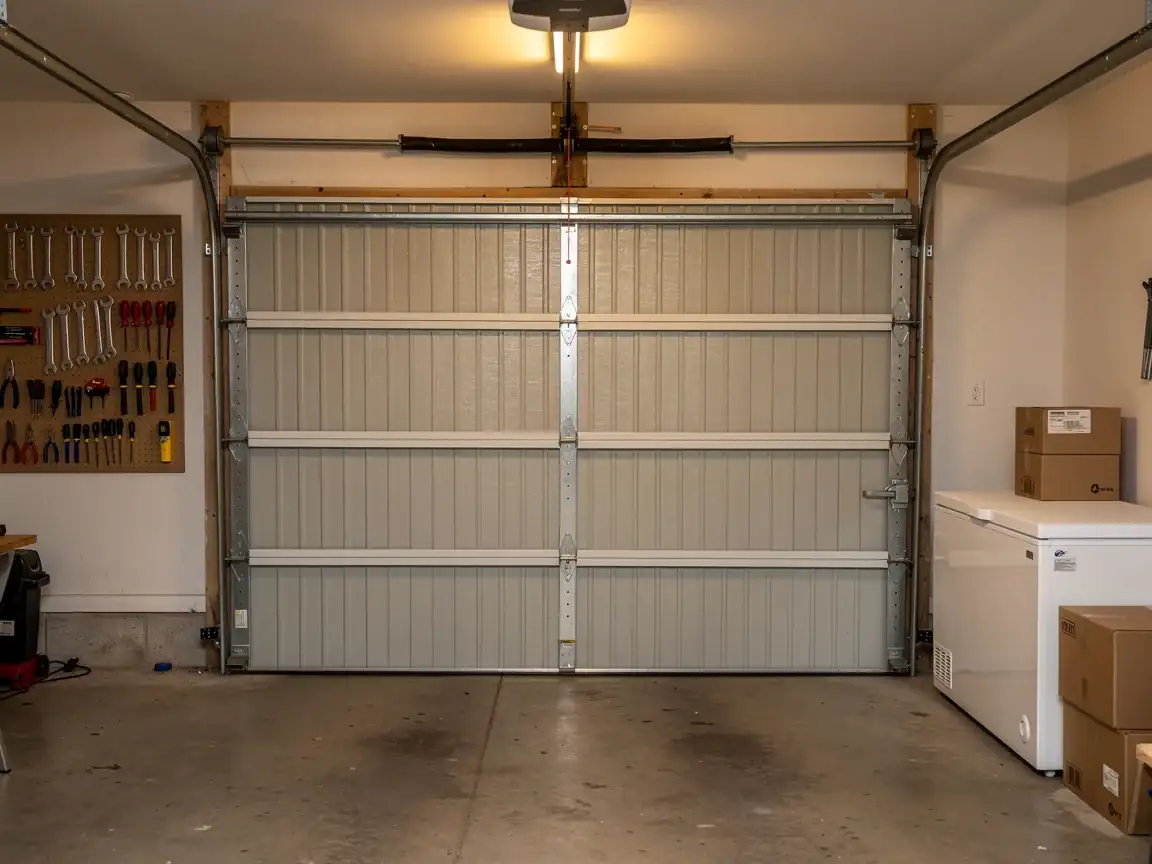
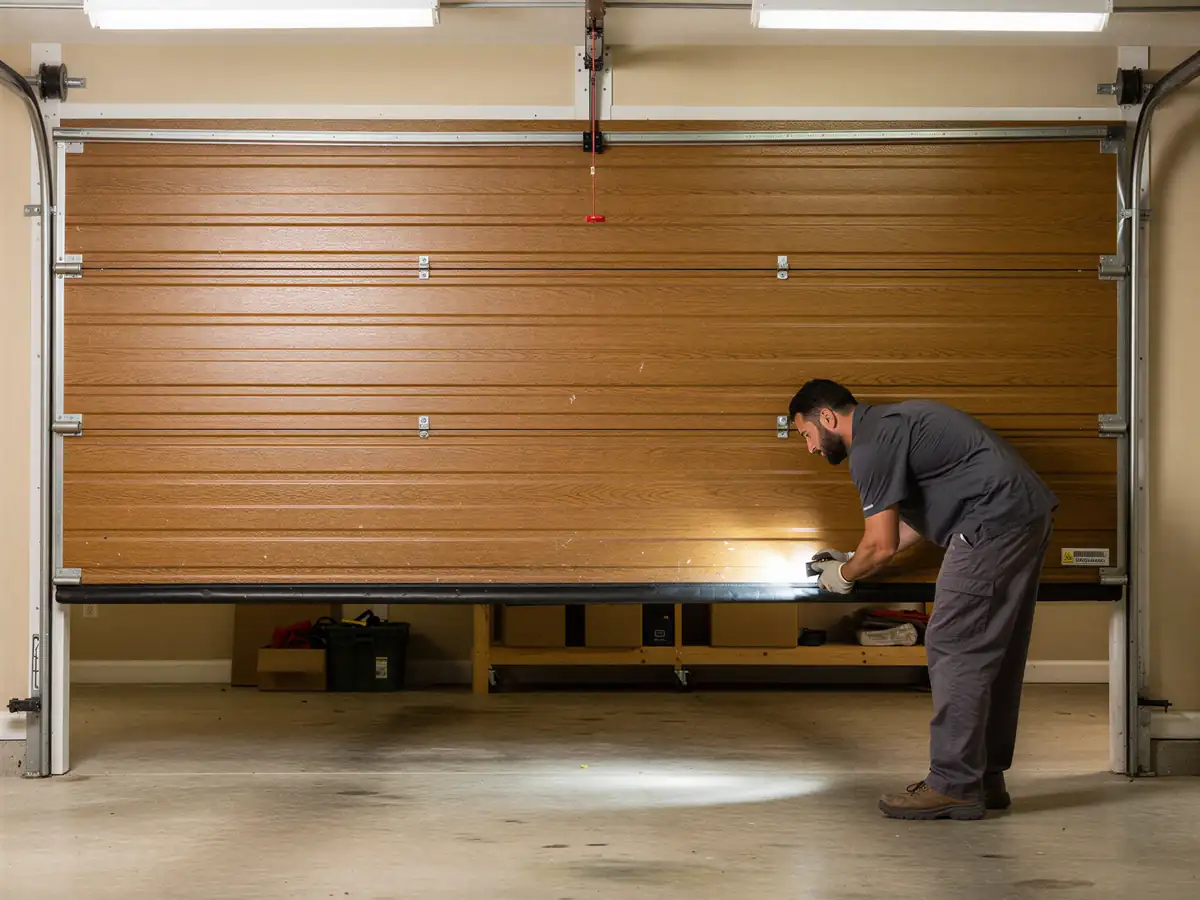
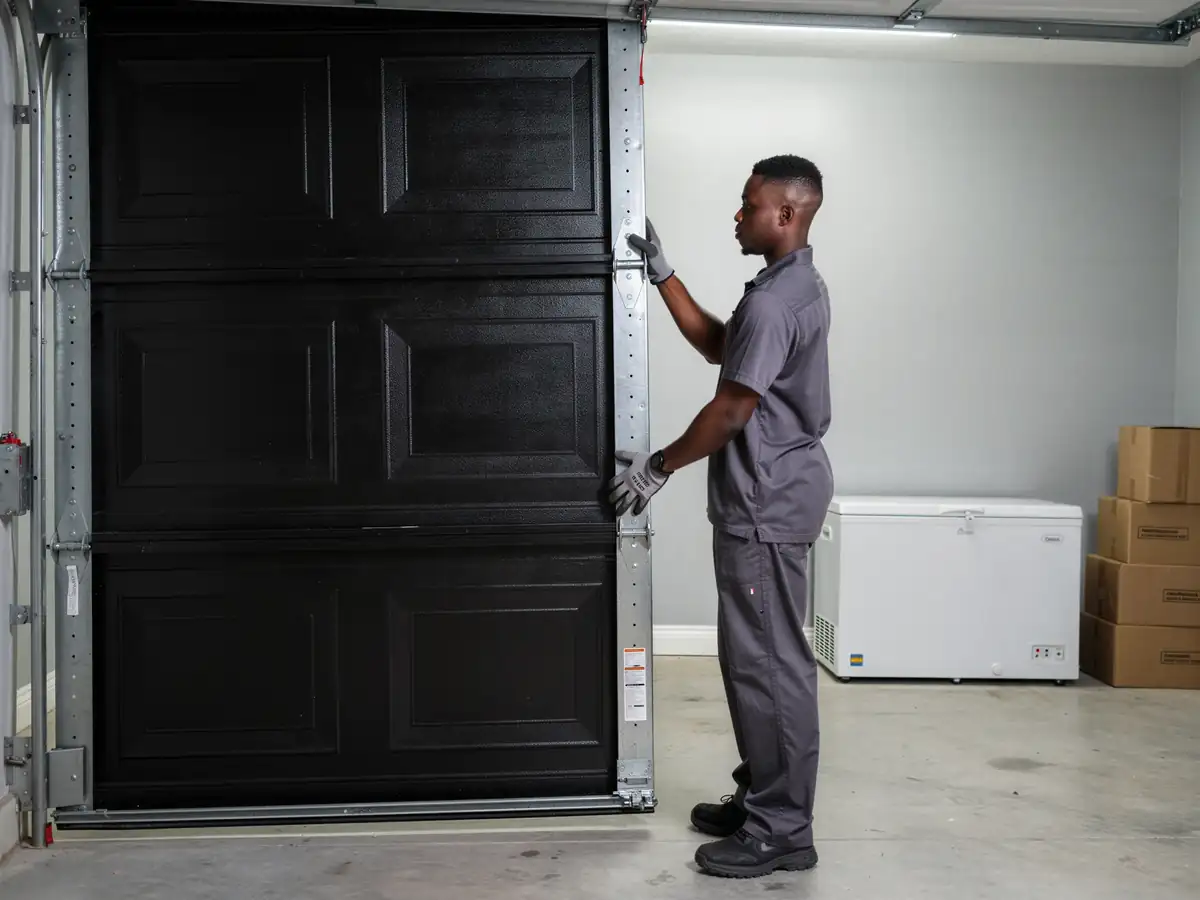
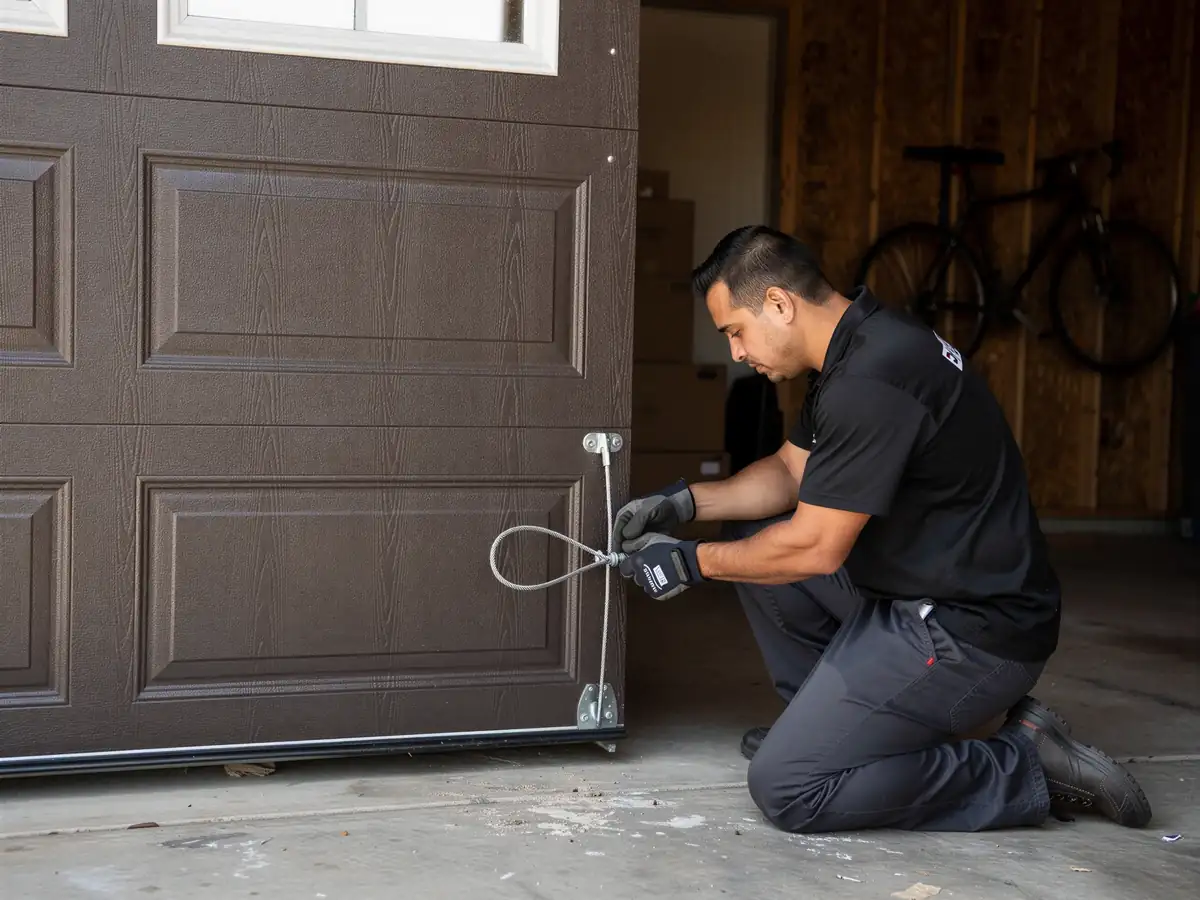
A garage door cable repair isn't just swapping a frayed wire. The cables run from the bottom bracket up to the drum on the torsion shaft, and they carry real load while the door is under spring tension. Before anything gets touched, the springs have to be unwound and locked off, because a cable snapped under tension is how people lose fingers.
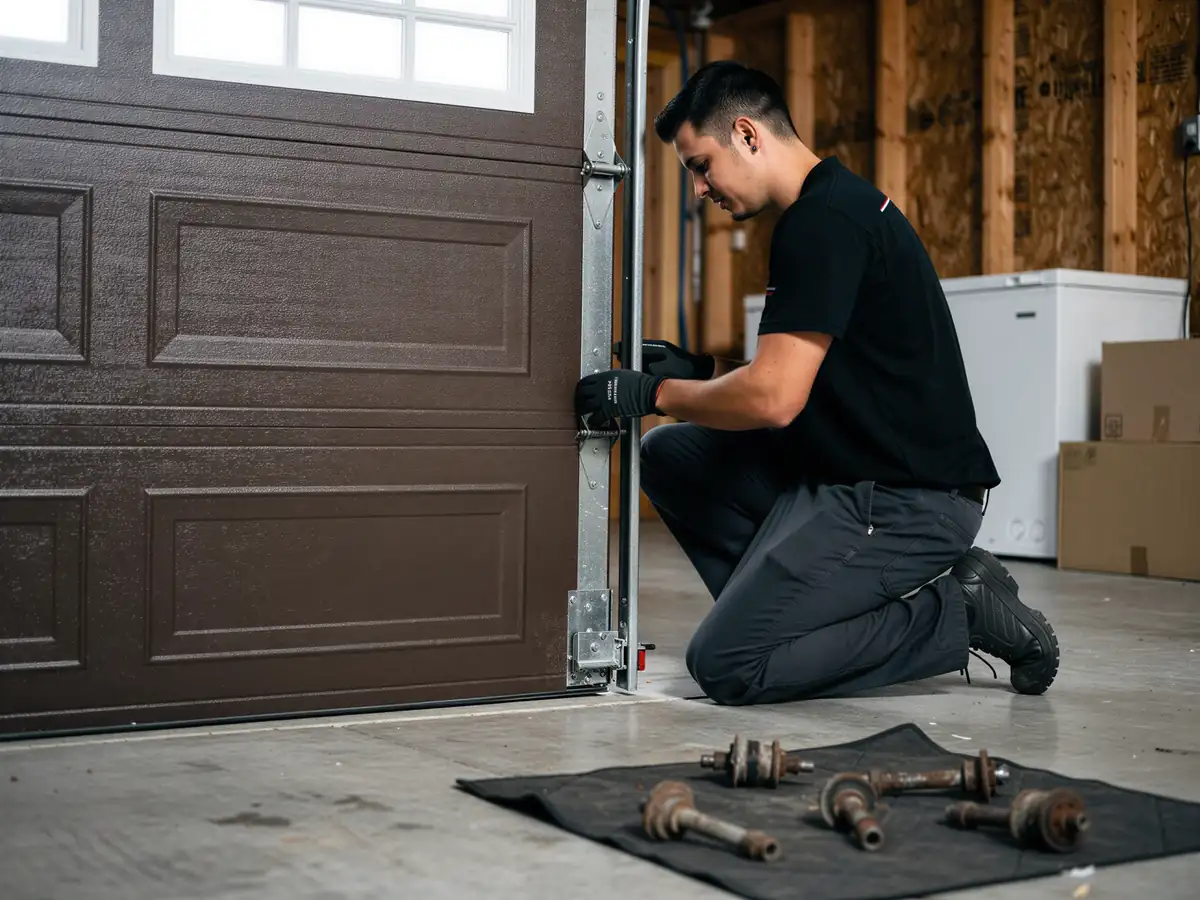
Once the door is safe to work on, we pull the old cable, check the drum grooves for wear, and look at the bottom bracket it's anchored to. On houses built in the 1980s and 90s - which describes most of the stock in this area - that bracket and drum setup is usually original or a first-generation replacement, and if one cable has frayed, the other side is often close behind from the same age and the same mileage.
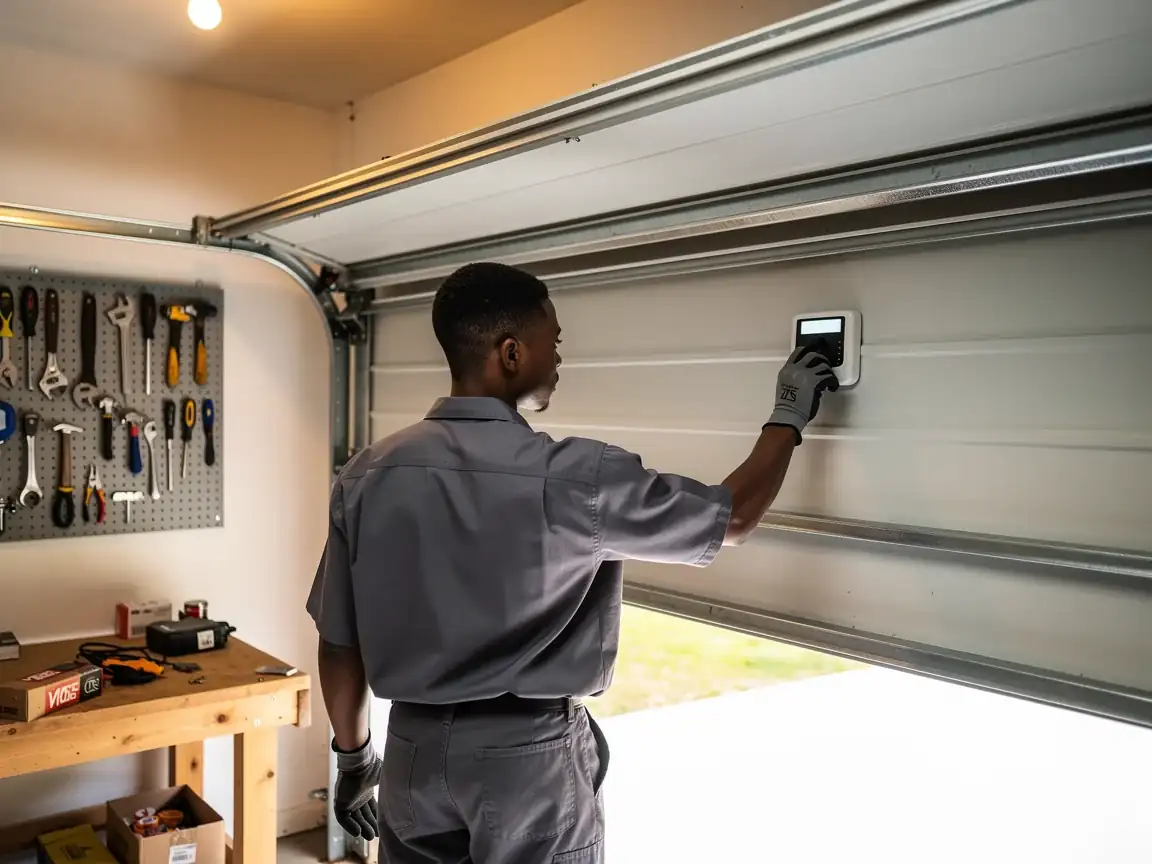
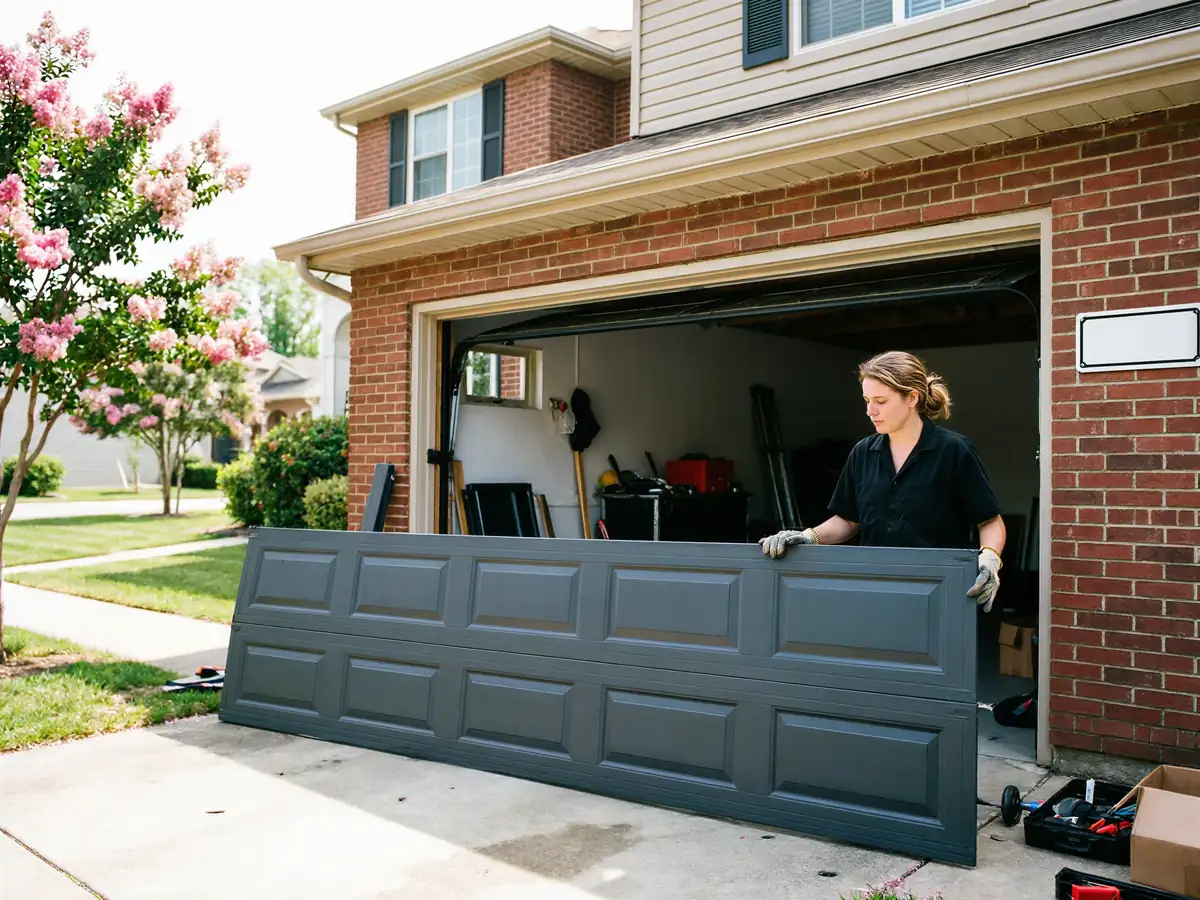
We replace in pairs when the second cable shows wear, not because it's convenient for us but because a mismatched pair puts uneven pull on the door and it'll come back to bite you in six months. After the new cable's seated and the drum is set, we re-tension the springs and run the door through a full open-close cycle before calling it done.
One limit worth saying plainly: if the drum itself is grooved or cracked, cable replacement alone won't hold - that's a drum job, not a cable job, and we'll tell you before we start if that's what we're looking at.
Why It Happens Here
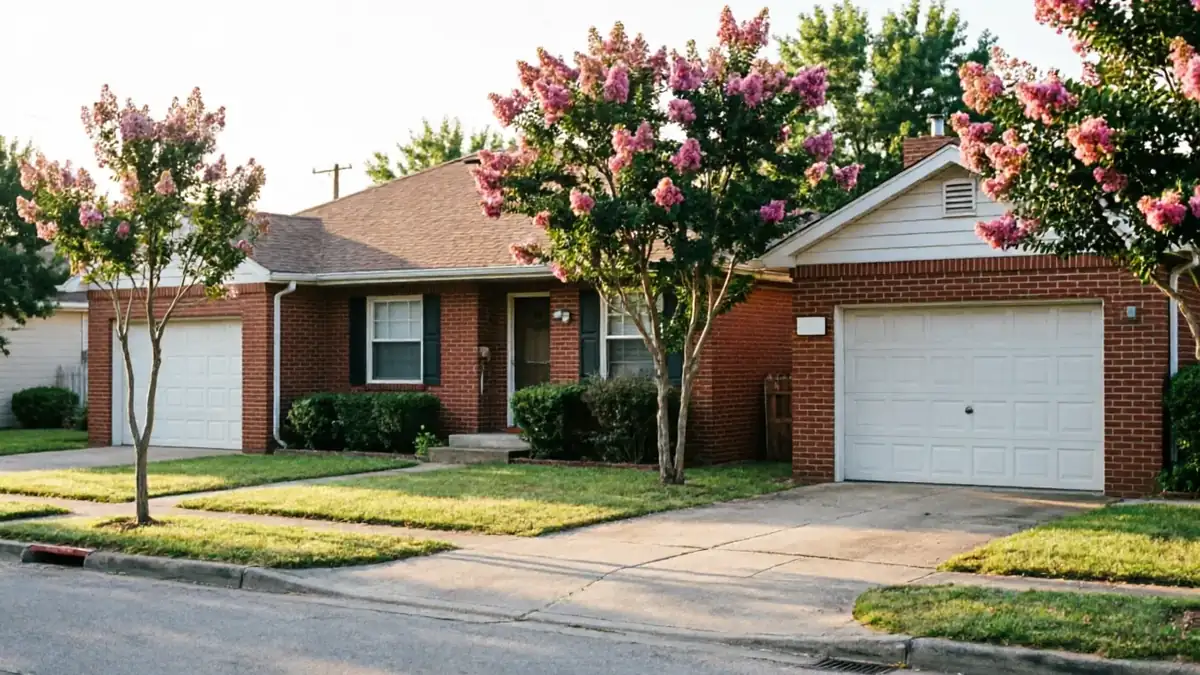
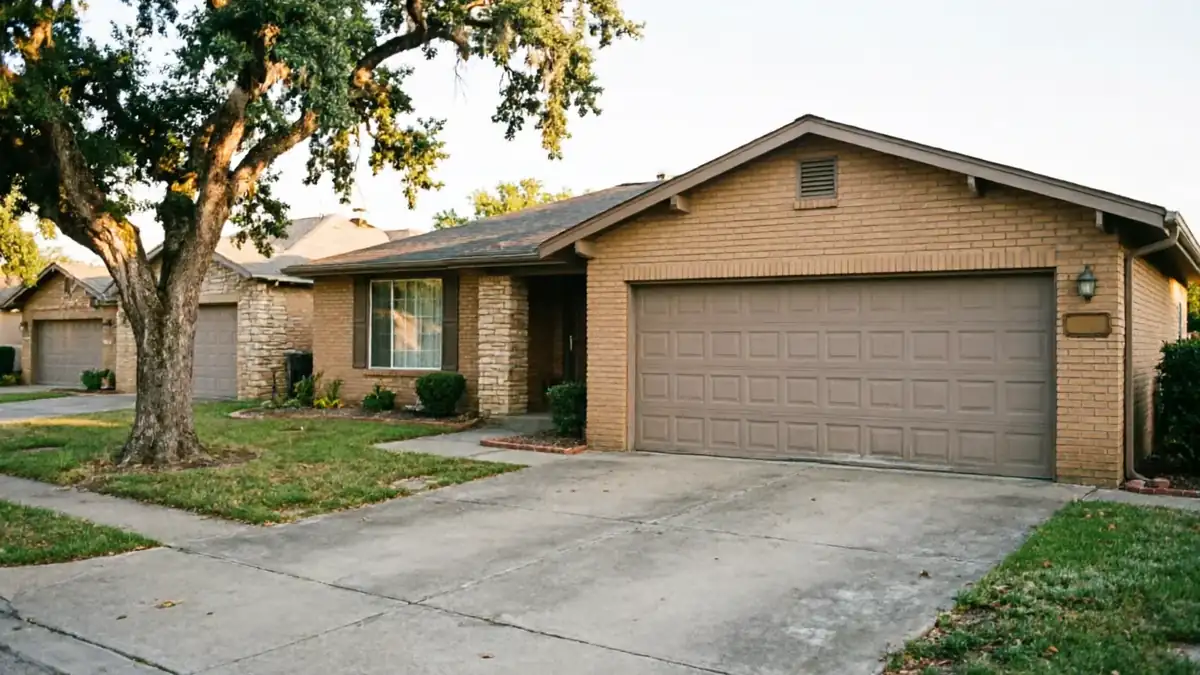
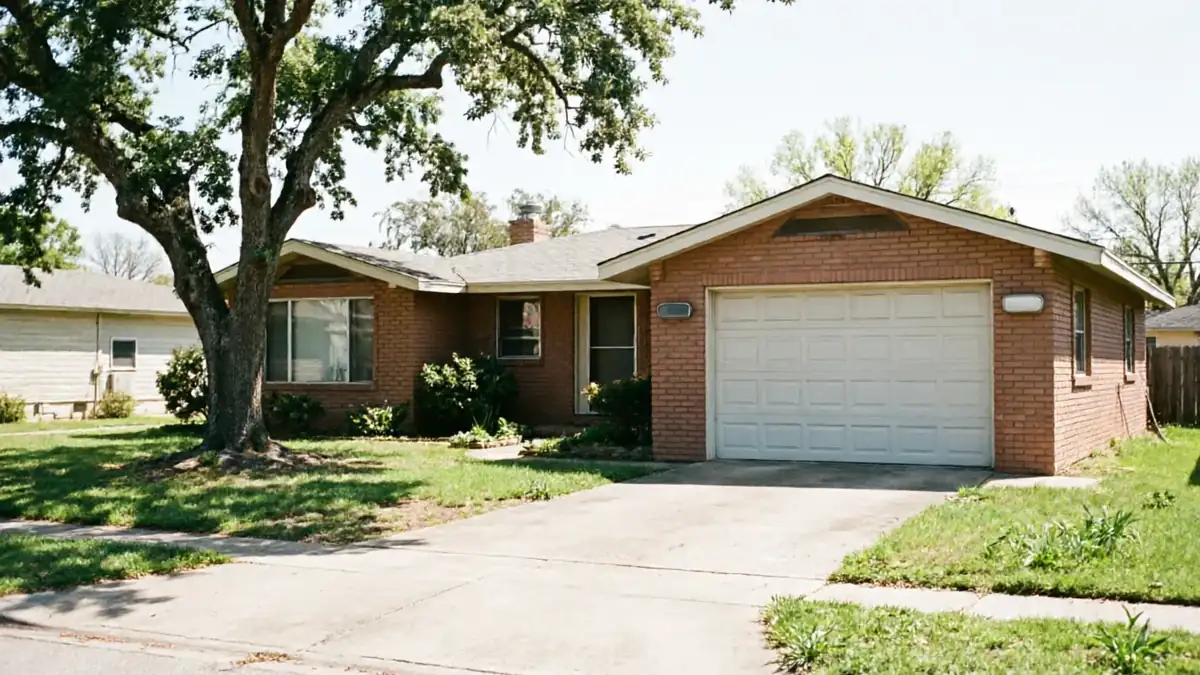
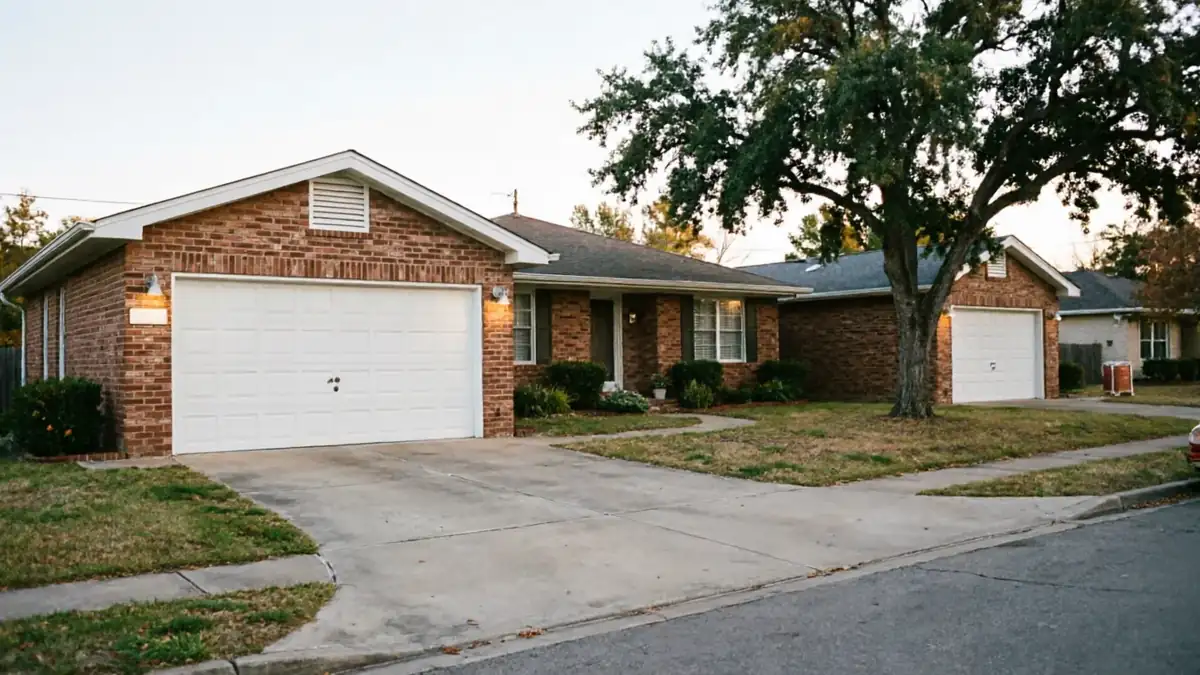
Friendswood's housing runs from 1956 up through 2014, with the median build year around 1987 and most of the stock across the area's named neighborhoods sitting in that 1980s-90s window. That matters for cables specifically: a cable's lifespan is measured in open-close cycles, and a garage door installed in the Reagan or Clinton years has put a lot of cycles on its original hardware, even with no obvious damage to the door itself.
The climate band here is mild with occasional freeze, which isn't the dramatic swing that snaps cables outright the way a hard freeze-thaw cycle does further north. But mild-with-freeze still means humidity swings through the year, and galvanized cable strands corrode slowly under that kind of moisture exposure even when nothing ices over. A cable that looks fine on the outside can have rust working between the strands where you can't see it.
Combine original-era hardware with decades of humidity cycling and the failure mode you see most isn't a dramatic snap - it's a slow fray that finally lets go on an ordinary Tuesday, usually on the cable side that takes more torque from an off-balance door.
Time on the Job
Cable repair is one of the more contained jobs we do
In the sense that it doesn't usually turn into a bigger teardown unless the drum or the bottom bracket is also shot. Most of the time on site goes into the setup - locking off the springs safely - rather than the cable swap itself.
What extends a job
If both cables need replacing instead of one, if the drum has to come off too, or if the door's been running off-balance long enough that the track or rollers took damage from the uneven pull. We check all of that before quoting, because a cable-only estimate on a door that actually needs a drum isn't a fair number to give you.
We don't give a blanket time estimate here because it genuinely depends on what we find once the springs are off
A one-cable swap on a door in otherwise good shape is a different job than a door that's been limping along off-balance for months.
What You Are Seeing
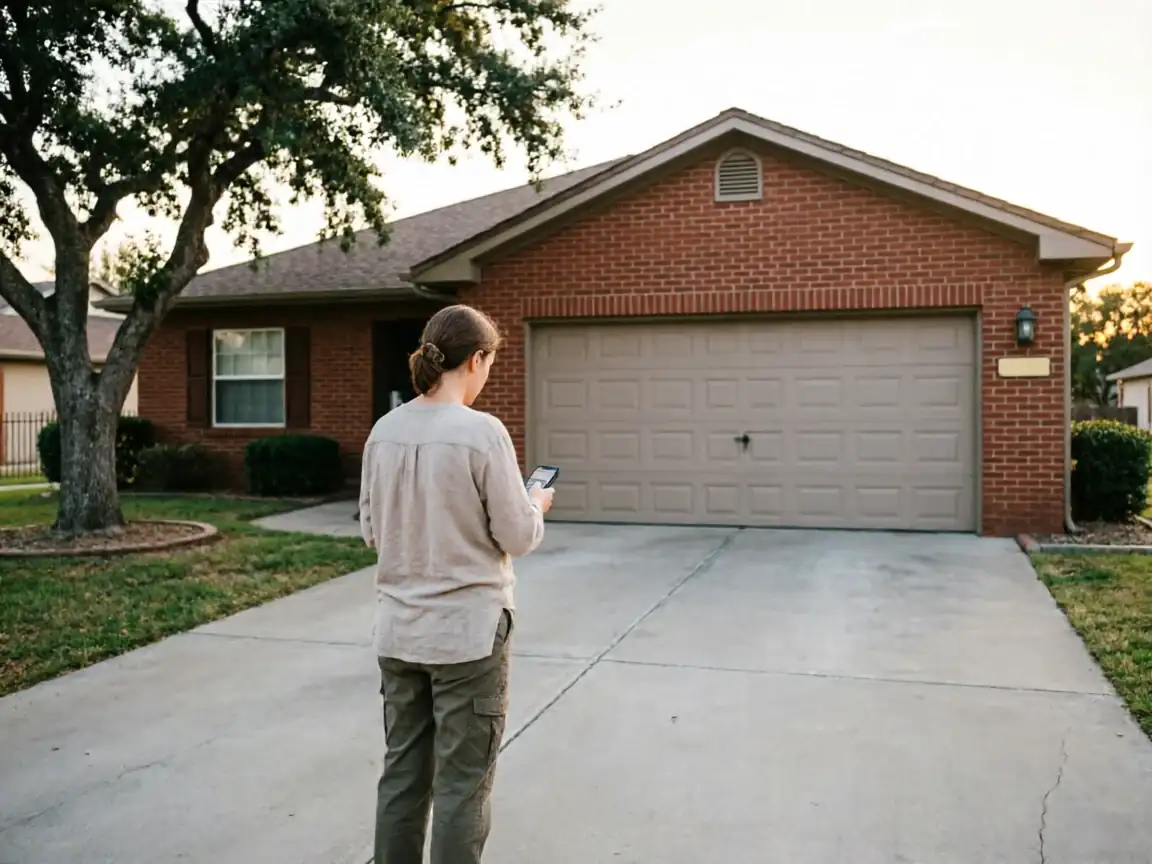
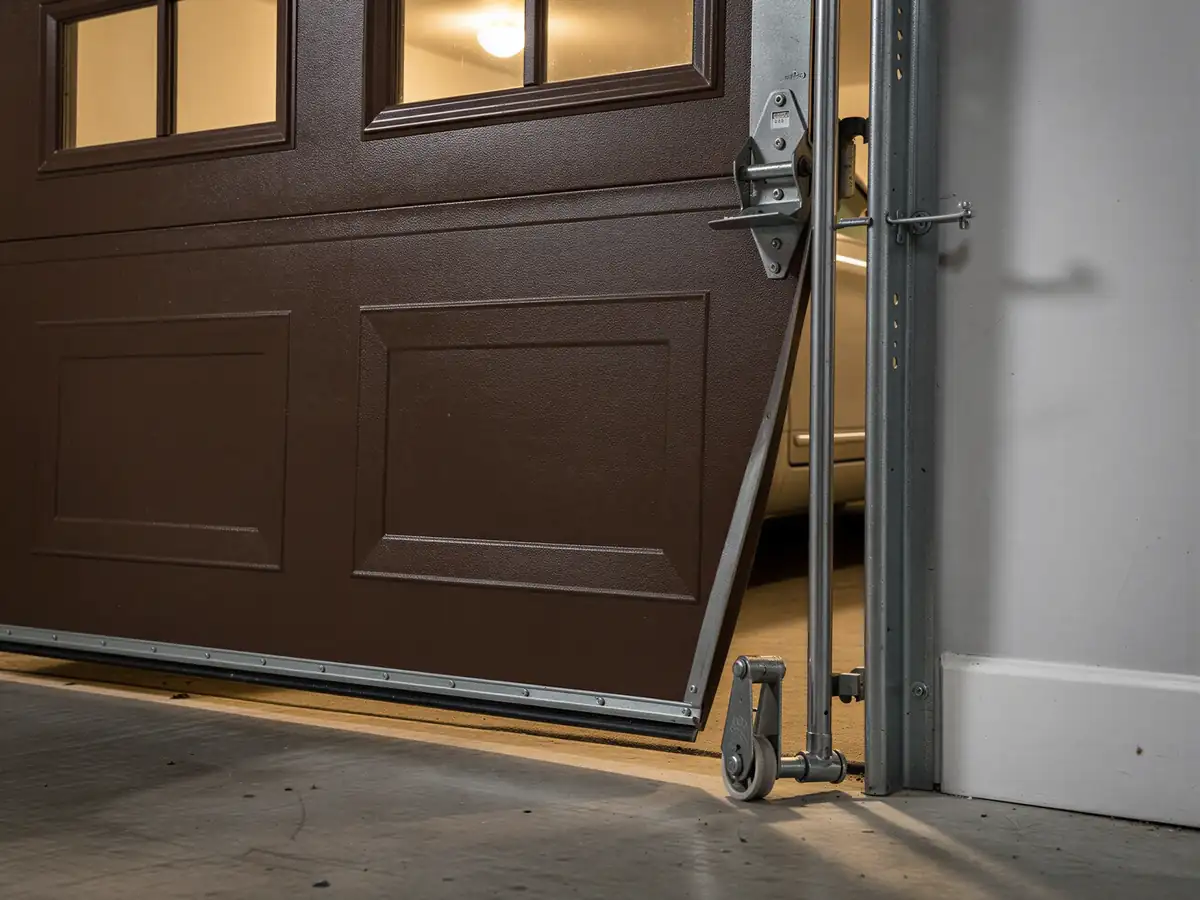
A door that jerks or tilts to one side as it opens or closes, especially near the top or bottom of travel, usually means one cable has slipped off its drum or started to fray. If you can see a visible kink, frayed strands, or rust bloom on the cable itself near the bottom bracket, that's your answer - don't run the door again until it's looked at.
A door that's stuck halfway, won't budge, or dropped suddenly on one side is a different situation: that's often a cable that's already come off or snapped, and the door is being held by whatever's left of the spring system. Don't try to force it open with the opener or by hand - that's exactly the setup where a bracket lets go.
A loud bang followed by the door refusing to move at all is more often a spring failure than a cable failure, but the two show up together often enough on older hardware that we check both on every call, regardless of which one brought you to pick up the phone.