What the Fix Involves
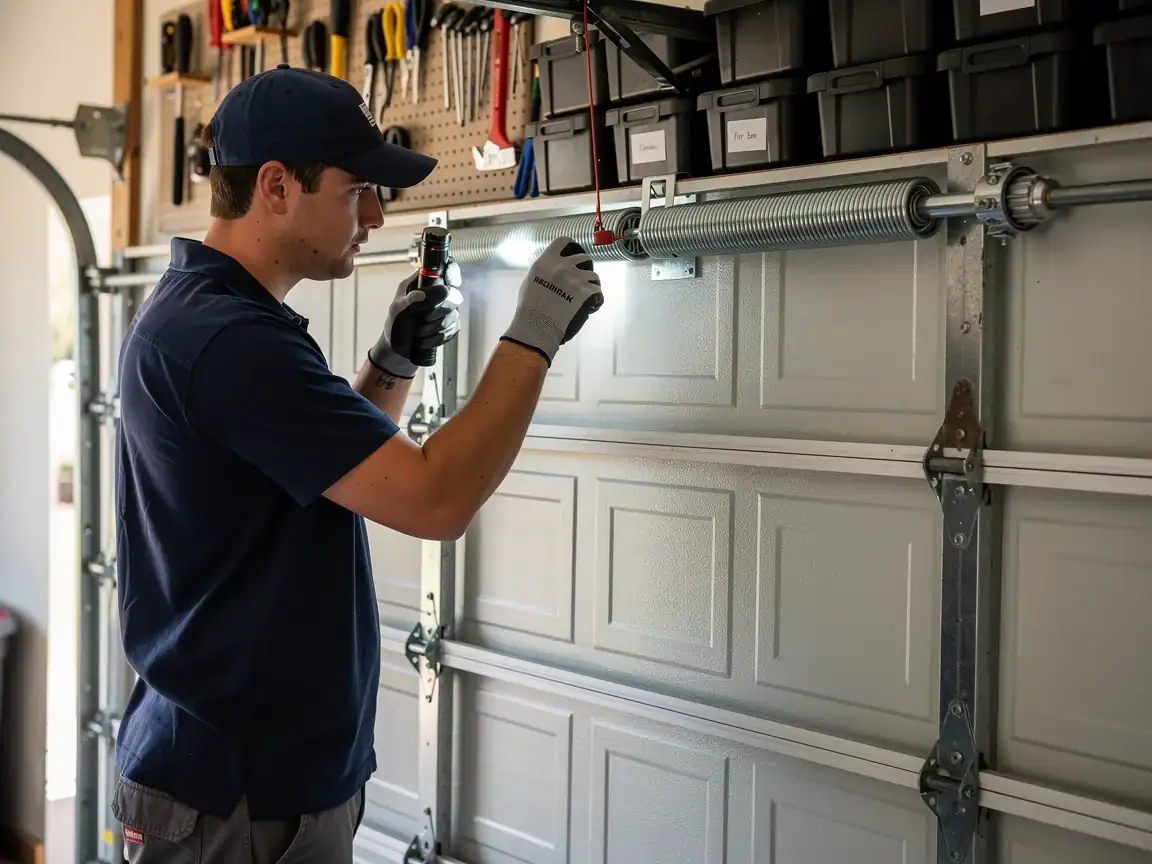
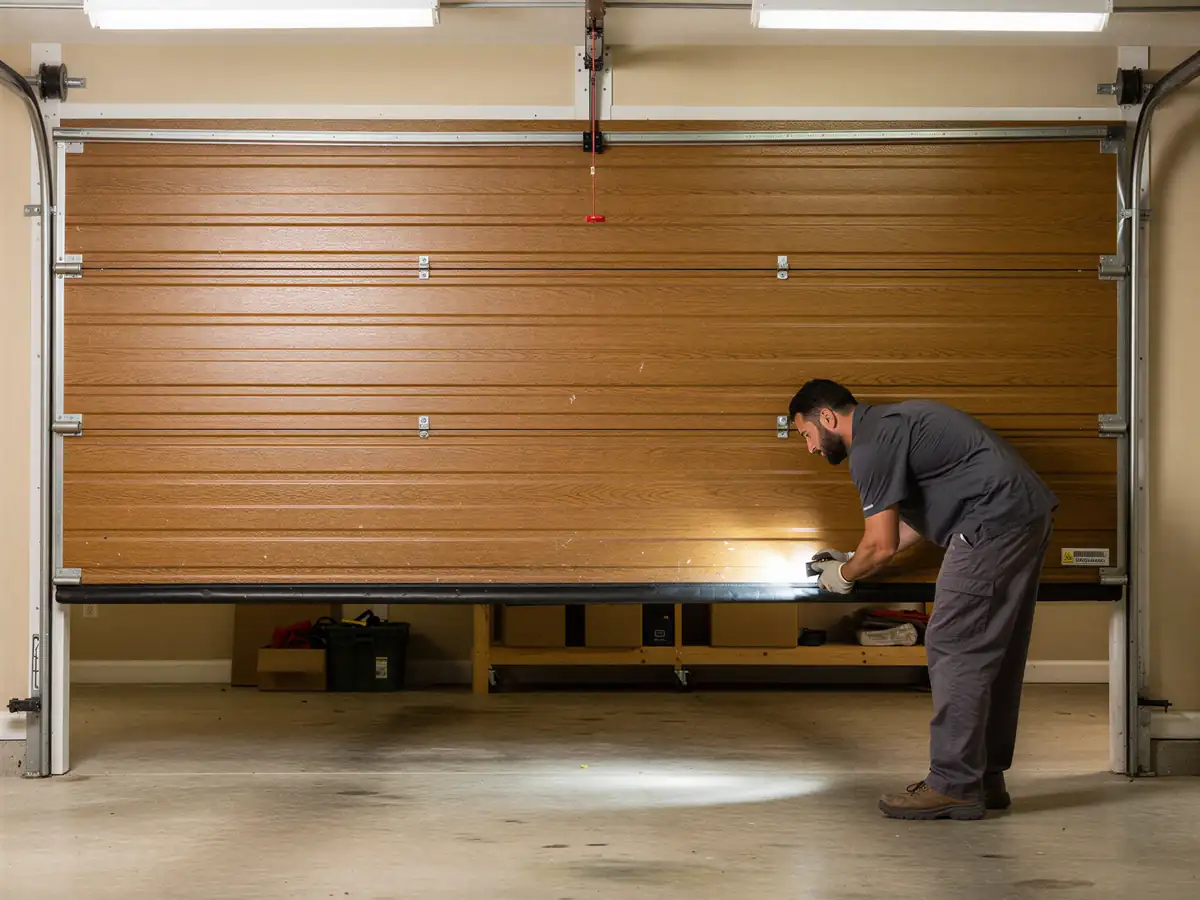
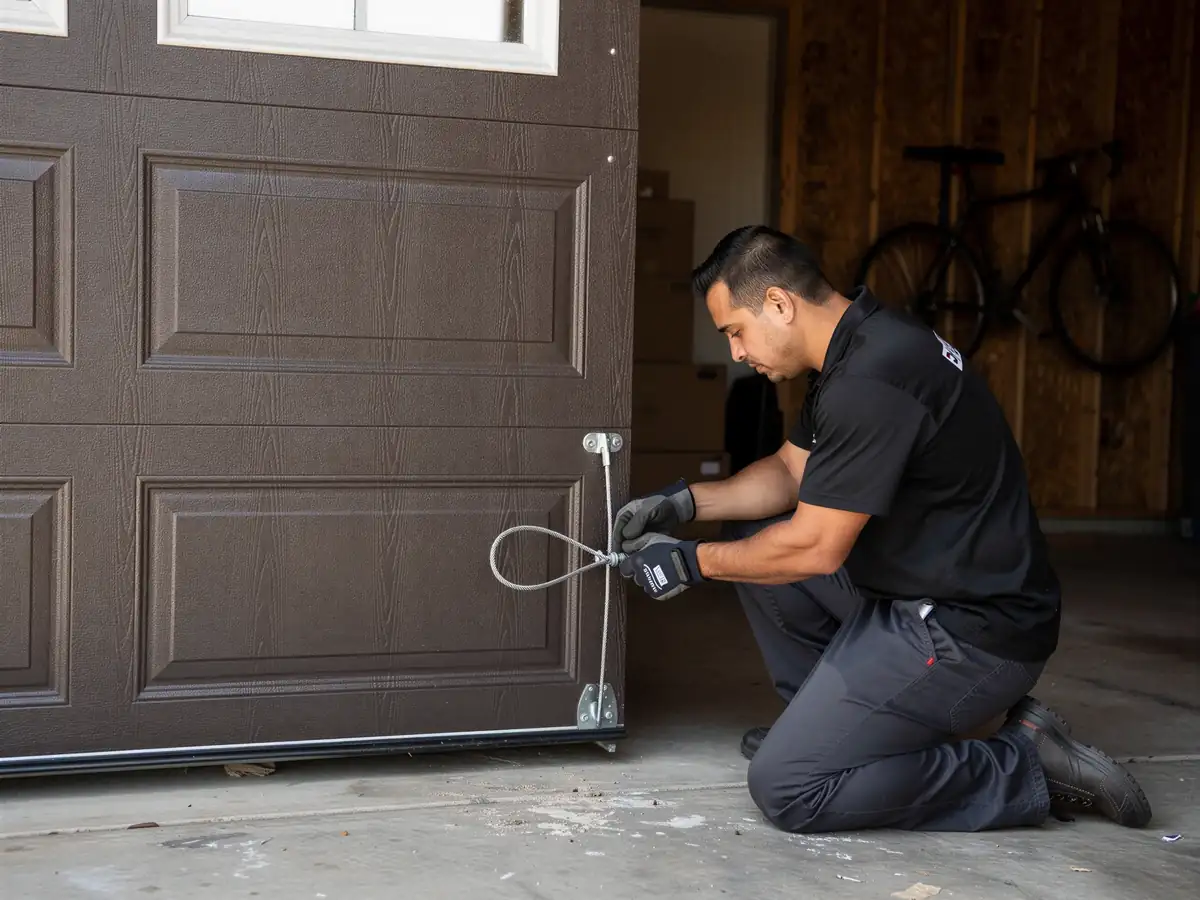
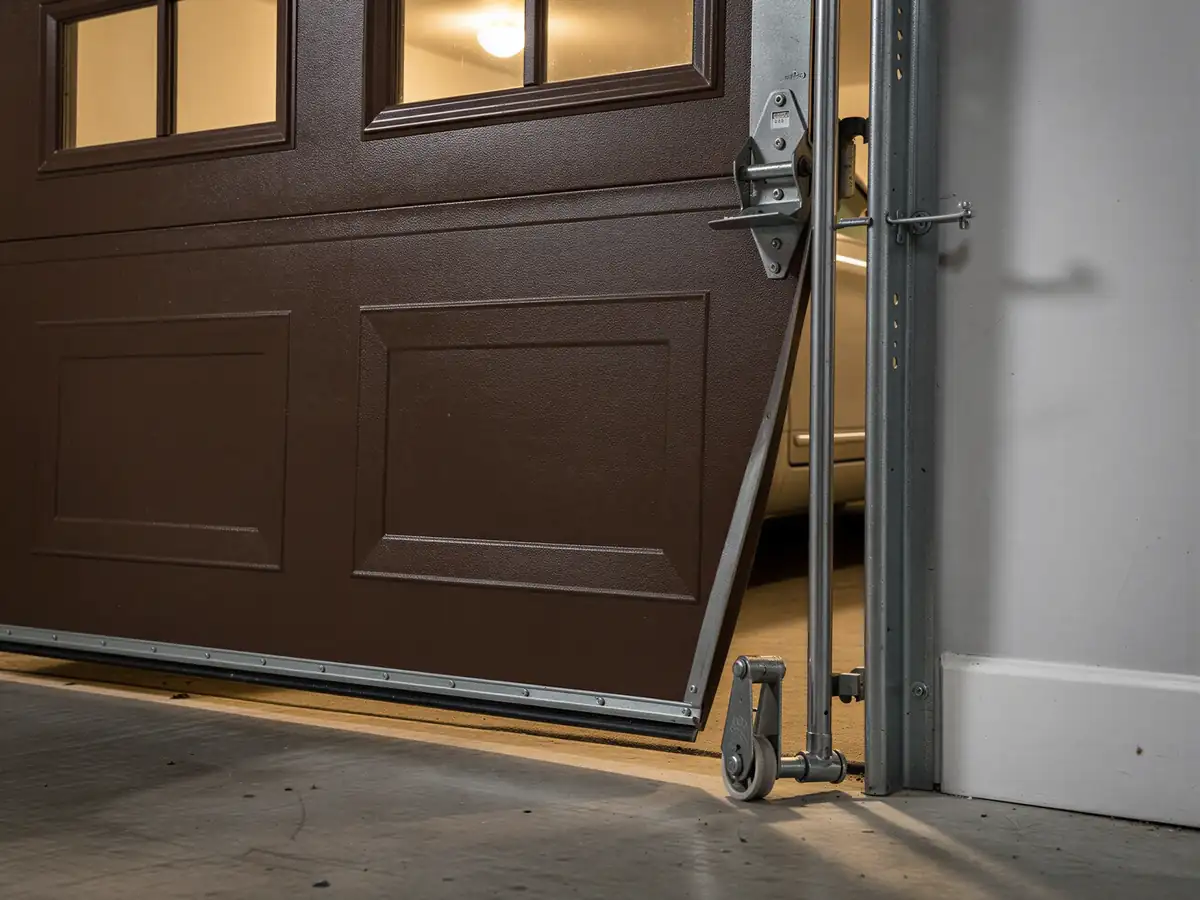
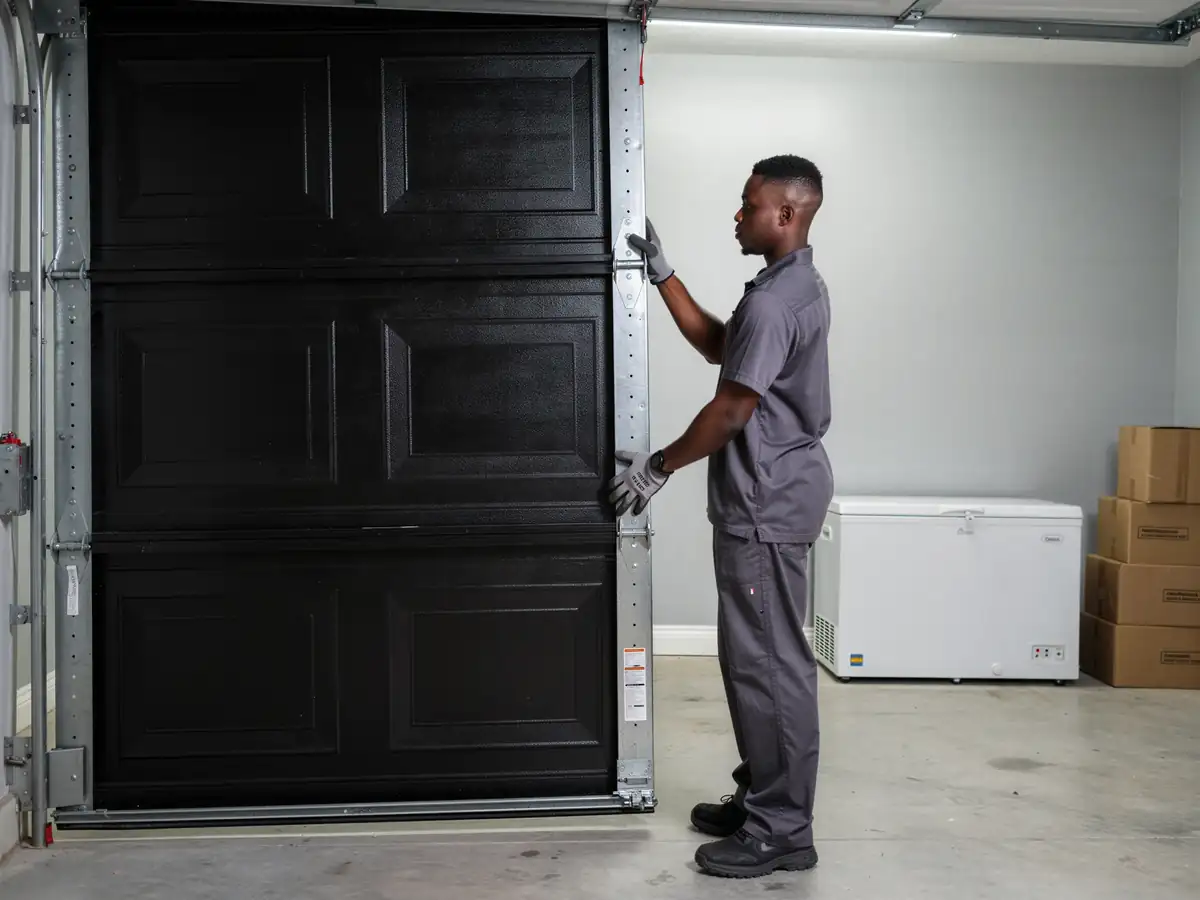
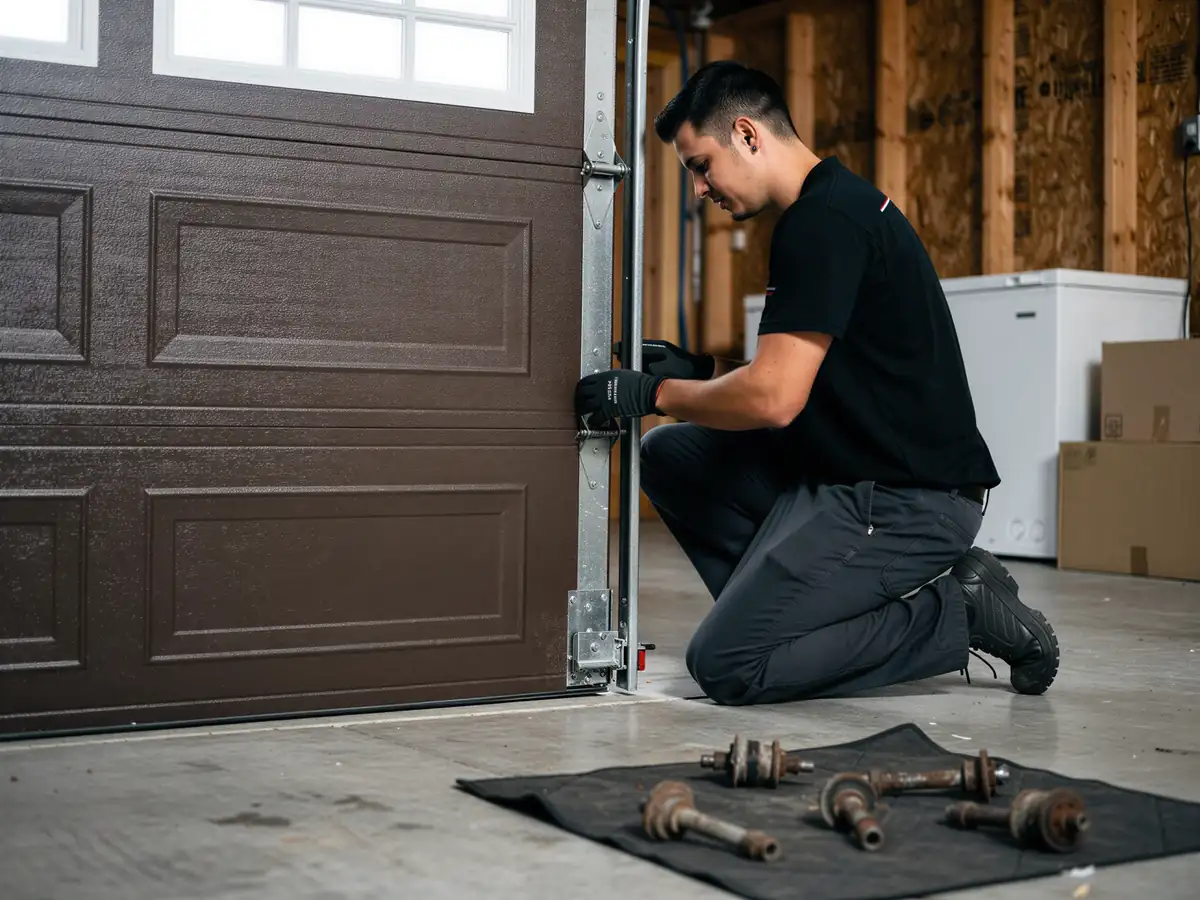
Roller replacement means pulling the old rollers out of the track brackets and the hinges, one at a time, and setting new ones in their place. On most doors that's ten rollers total - two per hinge on a standard four-panel door. We check the track while we're in there, because a bent or pinched section of track will chew through a brand new roller just as fast as it chewed through the old one. If the track's out of plumb, straightening it is part of the job, not an upsell.
We use nylon rollers with sealed ball bearings on most jobs. They run quieter than the steel rollers builders put in originally, and they don't need the periodic oiling steel rollers do. Steel rollers are still the right call on a handful of doors, usually where the opener or spring setup calls for the extra load rating.
One limitation worth saying up front: if the track itself is bent badly enough, or the brackets are pulled loose from the jamb, roller replacement alone won't fix the door. That's a track or bracket repair, and we'll tell you straight if that's what's actually going on before we quote roller work that won't solve it.
Why It Happens Here
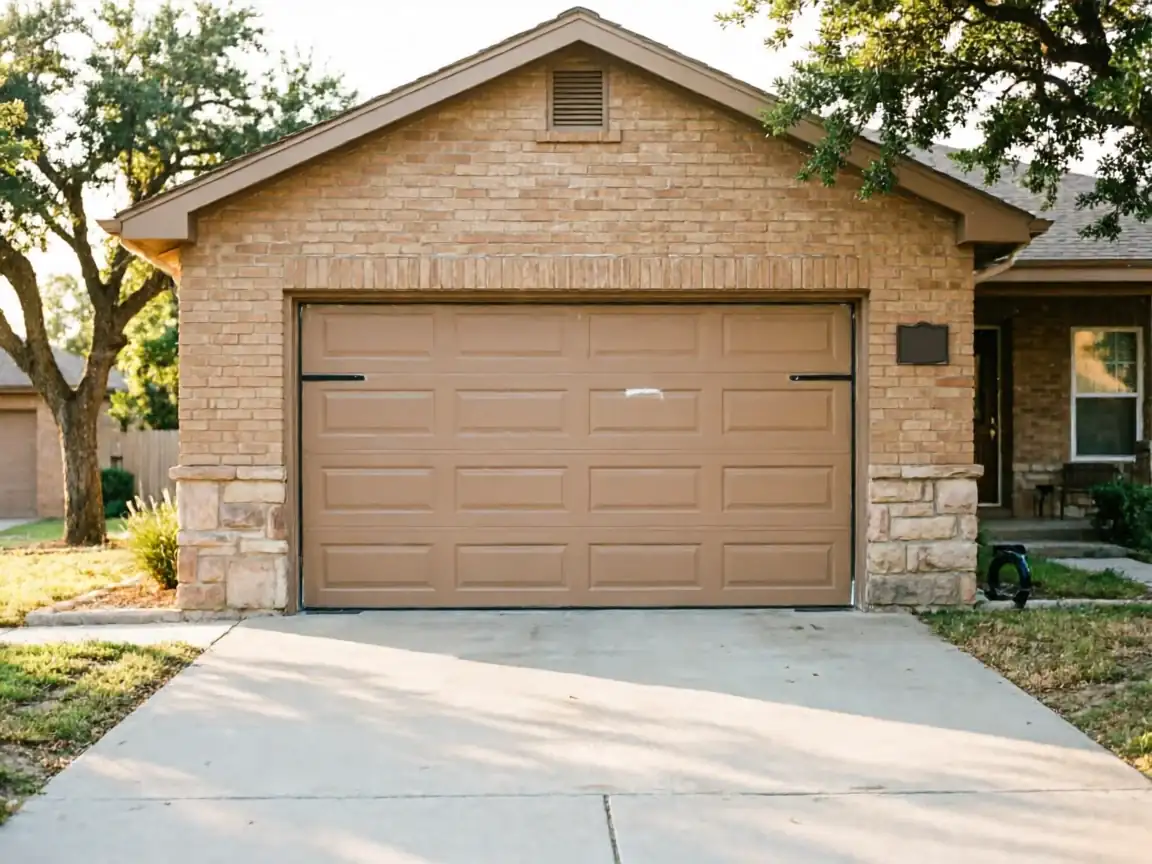
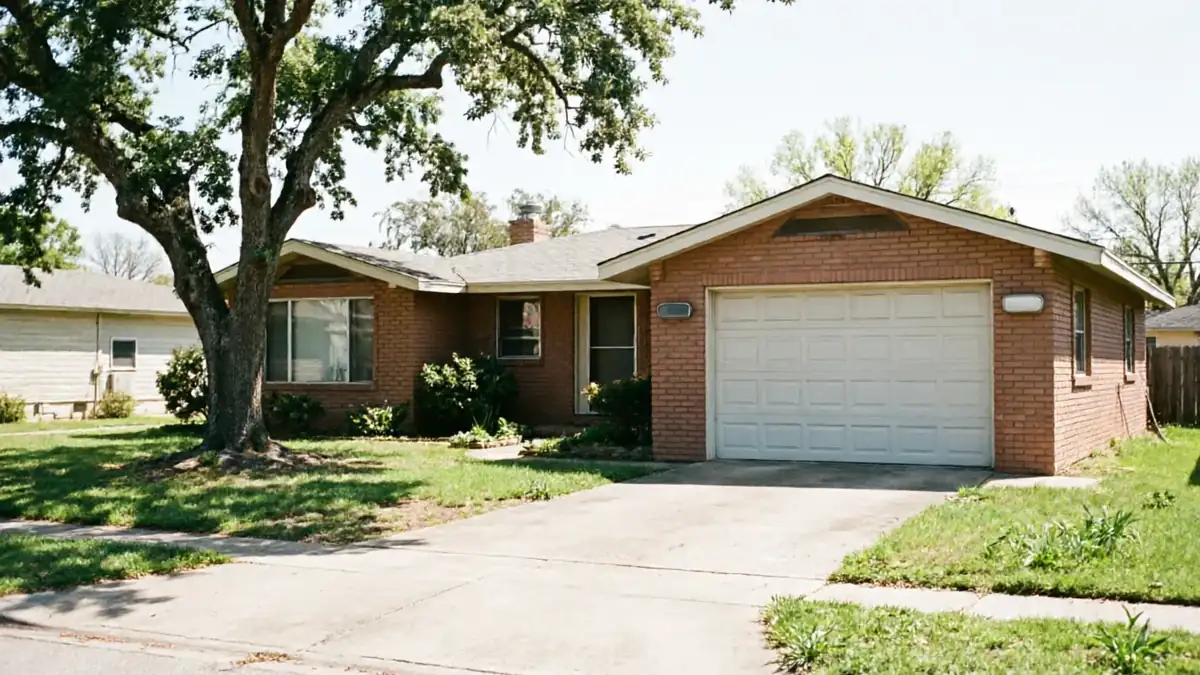
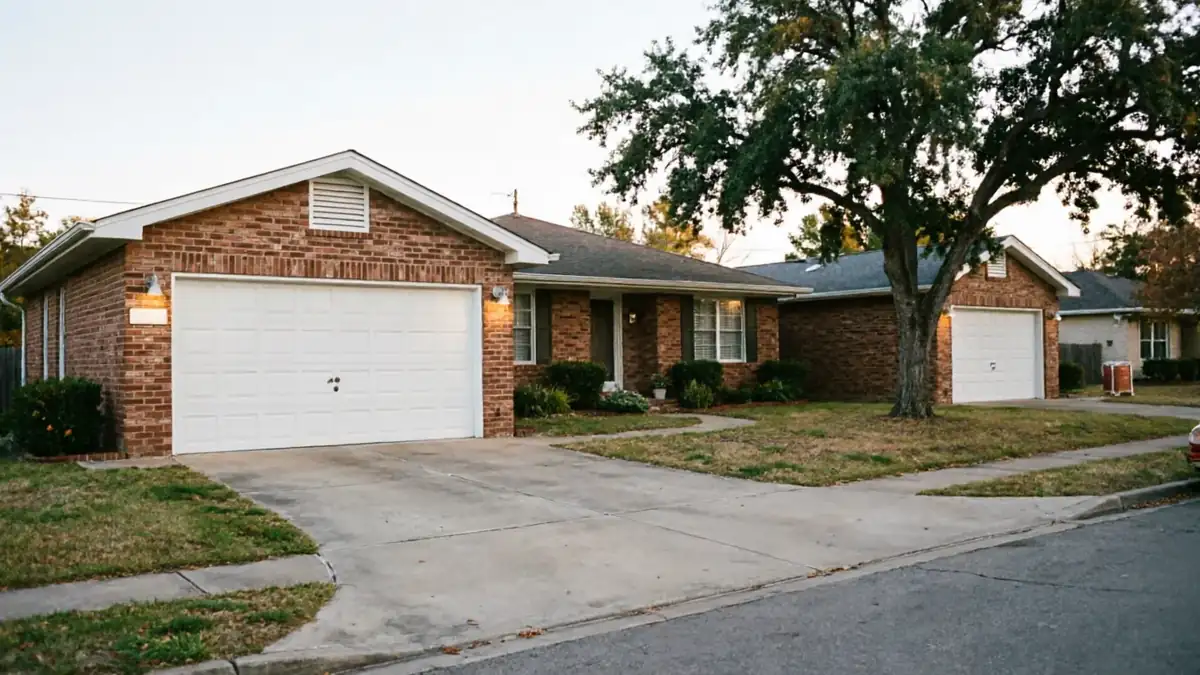
Housing across this service area was mostly built between 1956 and 2014, with the bulk of it going up through the 1980s and 90s. That generation of doors came standard with steel rollers running in steel track, which was fine for the first decade or two but starts to show wear right about the age a lot of these houses are now.
The climate band here is mild with the occasional freeze, so you're not dealing with the hard freeze-thaw cycles that crack hardware further north. What you do get is a lot of humid, hot stretches followed by sharp cold snaps, and that swing dries out old grease and lets light surface rust start on steel rollers and their stems. Once a roller has a flat spot or surface rust, every open and close grinds it a little worse, and the noise and vibration you hear is that wear working its way through the whole track.
With 62,775 owner-occupied houses across the service area, most on original builder-grade hardware from that same build era, roller wear is one of the most common reasons a door starts grinding or hanging up instead of a spring or opener problem.
Time on the Job
Replacing a full set of rollers on one door is a shorter job than a spring replacement
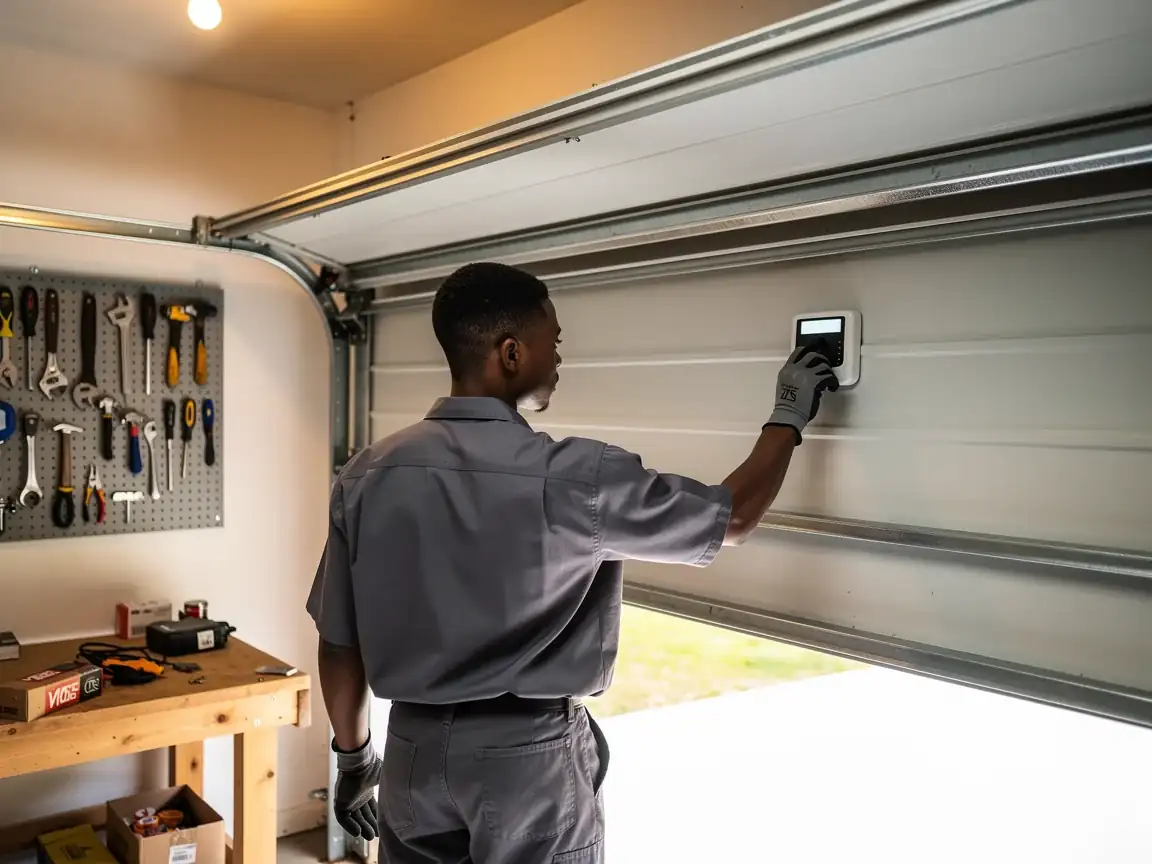
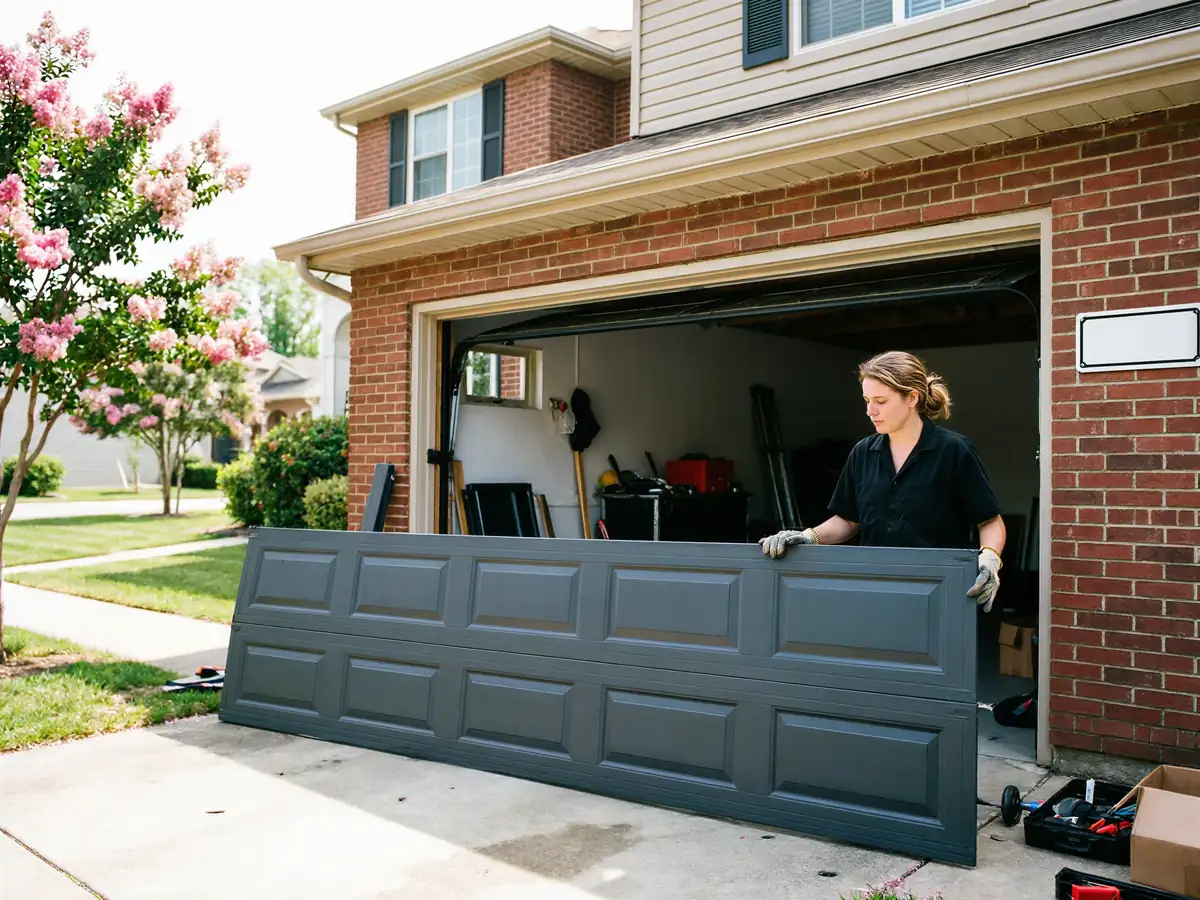
There's no tensioned cable to manage, and the door stays supported the whole time since we work one hinge at a time. Track straightening, if it's needed, adds time on top of the roller swap itself, since it means checking plumb at several points up both sides of the opening rather than just dropping in new parts.
We don't give a universal number for how long any given job runs
Because it depends on how much rust has seized the old roller stems in the hinge brackets and whether the track needs correction along with the rollers. A door where the rollers slide out clean takes a lot less time than one where years of rust have fused everything in place.
What we can tell you is that most roller jobs on a single door are finished well before a spring or full opener job would be
Since there's no winding bar work and no need to disconnect the opener. If a technician finds something bigger once the door's open - a cracked panel, a bent track section that won't straighten - that gets flagged and quoted separately rather than folded into the roller price.
What You Are Seeing
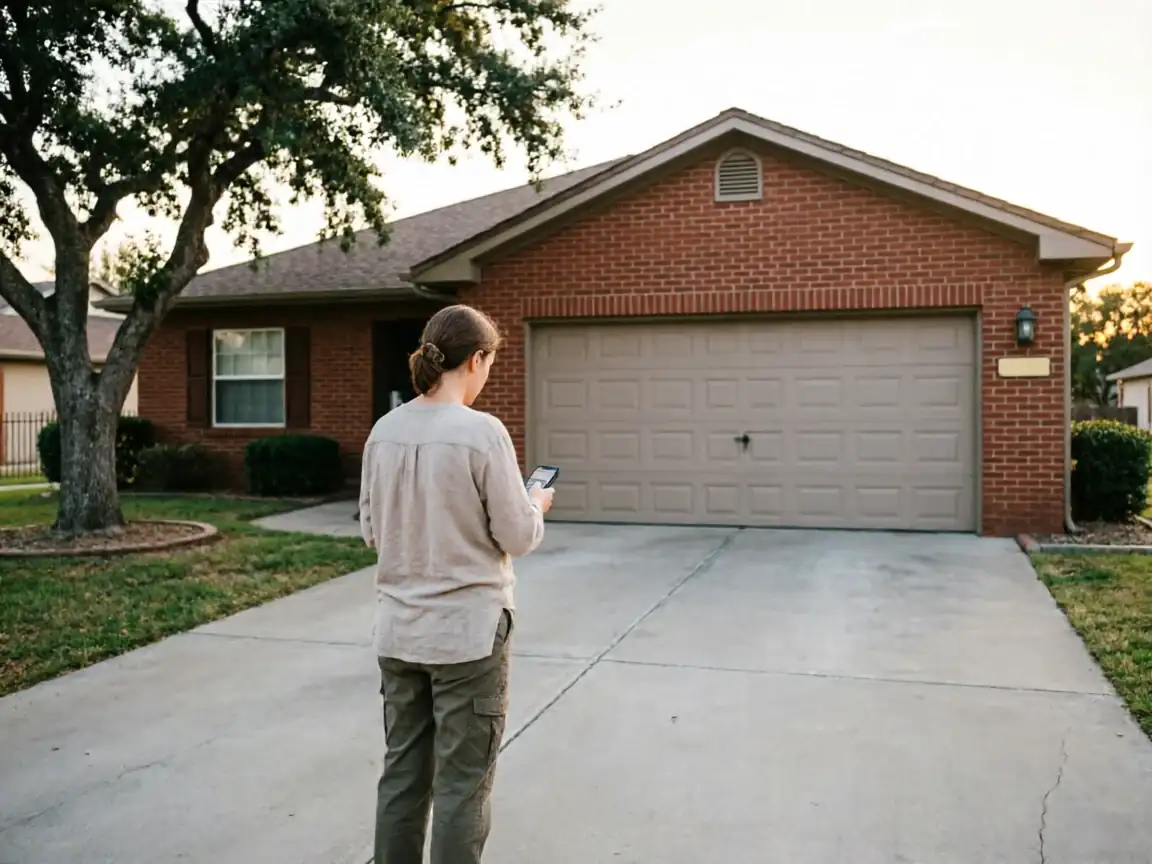
A grinding or scraping sound as the door moves, especially near the top of the opening, is usually a flat-spotted or rusted roller dragging in the track rather than rolling smoothly through it. Vibration you can feel through the garage wall when the door runs is another sign - a roller with play in its bearing shakes the whole track section it's riding in.
If the door hangs or jerks at one specific point every time, every time, that's often one bad roller at a consistent spot in the track, not a spring or opener issue. Visible rust streaks on the track itself, right where a roller sits when the door is down, point the same direction.
A door that's gone from quiet to loud over a few months, without anything hitting it or anyone slamming it, is doing exactly what steel rollers do as the grease dries out and the bearing surface wears. Catching it at the noisy stage, before a roller actually comes off its stem and jams the door partway open, is the cheaper and simpler repair.