Serving Friendswood, TX & nearby
(281) 619-5982
Friendswood, TX

What That Garage Door Noise Is Actually Telling You

Friendswood homes mostly date to the 1980s and 90s. Here's what a grind, squeal, or bang from your garage door actually means on hardware that age.

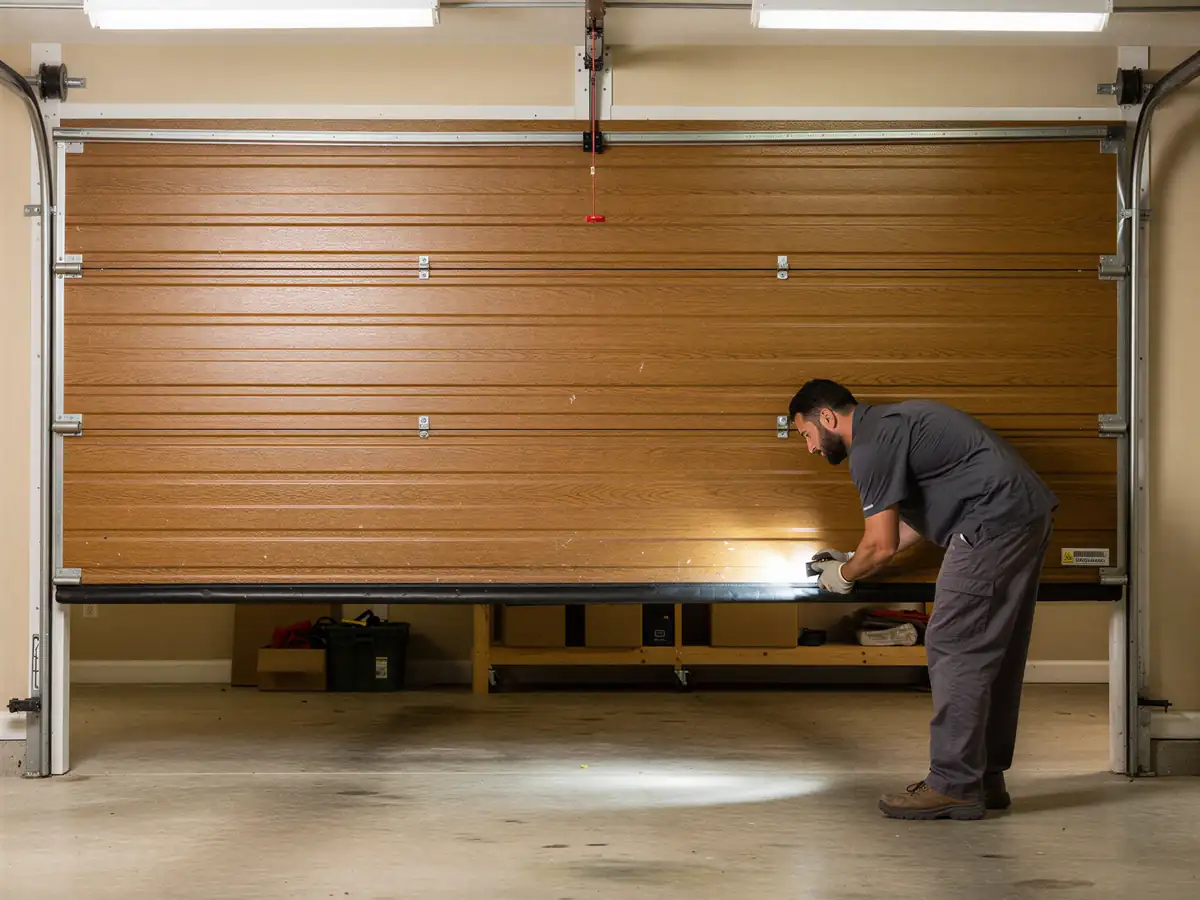
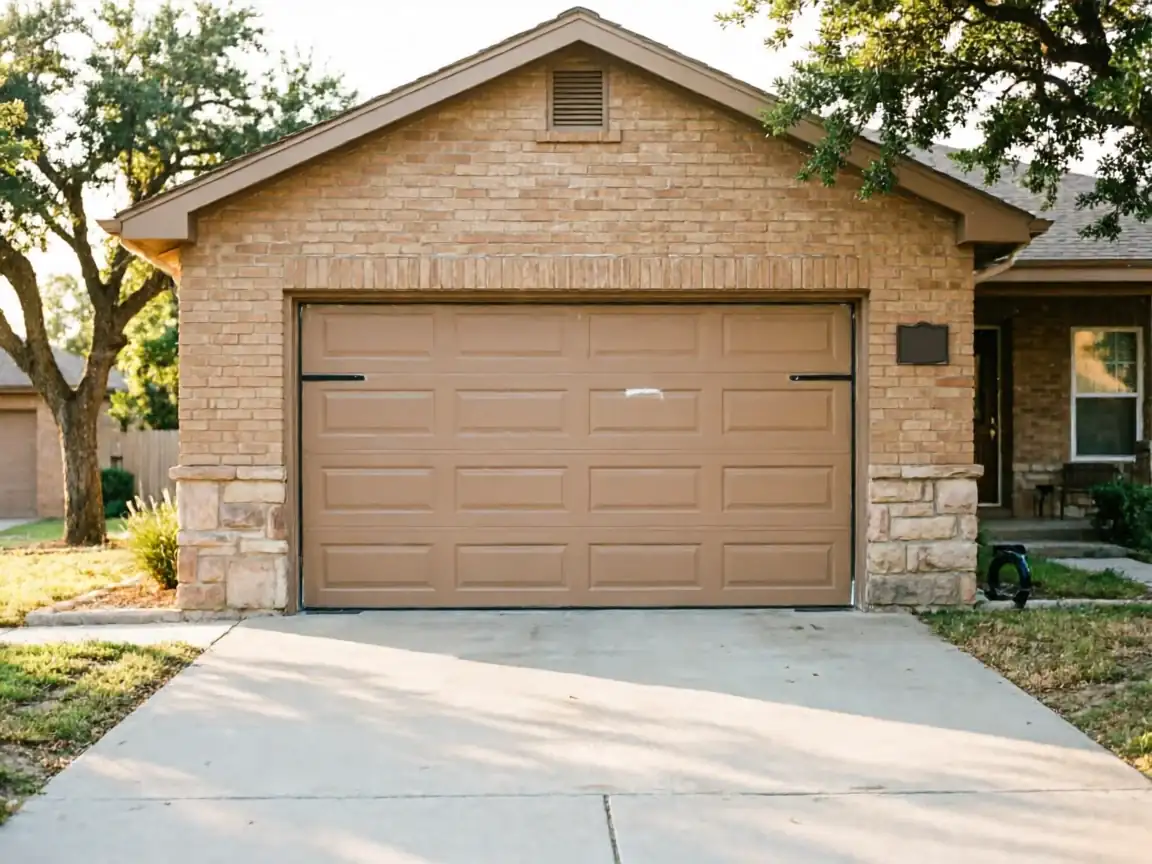
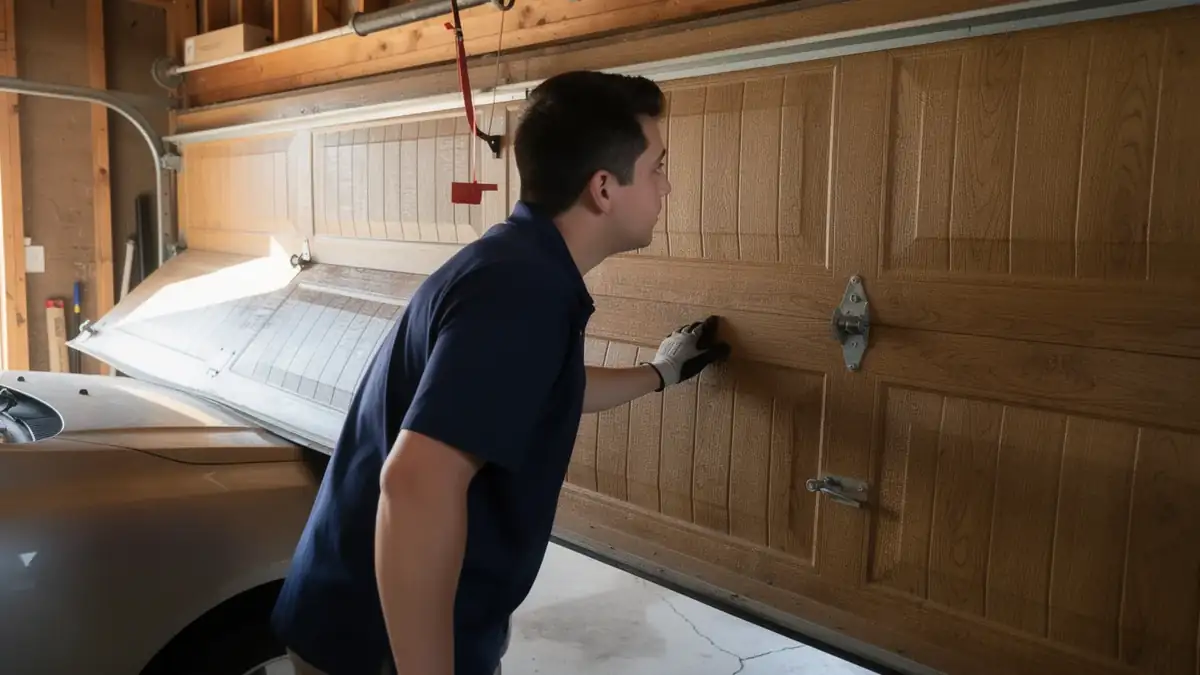
A technician in a blue shirt inspects a light brown garage door.

The Situation

Friendswood's housing runs from 1956 up through 2014, but the median build year is 1987, and most of the 24 named areas we work in filled in during that same 1980s-to-90s stretch. That matters for noise diagnosis because it means a lot of doors on a lot of streets are carrying the same original hardware: galvanized torsion springs, steel rollers, and openers that have already been swapped out once or twice while the door itself never was. When a homeowner calls about a noise, we're usually not hearing something new. We're hearing thirty-plus-year-old steel finally telling on itself. A grinding sound on a door from that era almost always means the rollers, not the opener. A sharp bang usually means a cable has jumped the drum or a spring has given out. The sound is data if you know what decade of hardware you're listening to, and in Friendswood, odds are good you know the decade without checking a permit record.

The Common Mistake

The mistake we see most is spraying WD-40 on a squeal and calling it fixed. It quiets things down for a week, sometimes a month, because WD-40 is a solvent, not a lubricant - it strips old grease off the rollers and track rather than replacing it, so the noise comes back louder. On a door built in the 1980s or 90s that's never had the rollers replaced, that squeal is usually the roller bearing itself breaking down, not a dry spot. Lubricant buys time; it doesn't fix a roller that's gone oval from thirty years of travel. The second common mistake is assuming a noisy opener motor is the opener's fault. On houses from Friendswood's main building era, the opener has often already been replaced once, while the door's original springs and track hardware are still in place. A noise that sounds like it's coming from the motor is frequently the drive gear straining against a track that's slightly bent or a door that's heavier than it should be from a worn spring losing lift. Chase the hardware, not just the sound's apparent source.

What Local Conditions Do

Friendswood sits in a mild climate band with occasional freeze risk, not the hard freeze-thaw cycling that cracks concrete up north. What that does to a garage door is subtler: steady humidity swells wood jambs and door stop just enough to make a door bind or rub without any dramatic weather event behind it, and the occasional freeze snap is enough to make old lubricant go stiff and brittle overnight. You'll hear it as a new scraping sound along the side of the door, or a thunk right as the door starts moving in the morning. Neither means the opener is failing. It means the jamb moved a sixteenth of an inch with the humidity, or the grease in the torsion spring's center bearing got cold enough to stop flowing smoothly for the first cycle of the day. On a door from Friendswood's 1980s-90s building wave, this kind of noise shows up for the first time around year twenty-five to thirty, not because anything broke suddenly, but because the factory lubrication finally ran its course under these particular humidity swings.

What You Pay

We don't have a flat number to quote here, and we're not going to invent one. What we can tell you is what drives the cost once we're on site: whether the noise traces back to rollers (cheap, fast), a spring (more involved, and dangerous to DIY), or a bent track from years of a slightly-off door (the most labor). Across the area we serve, with its roughly 94,000 households and a median income a bit above the national figure, most of the jobs we run are roller and spring replacements on doors from that same 1980s-90s wave of construction, not full door swaps. A full replacement only makes sense when the door itself is warped or the track damage goes past what a straightening job can fix. If a tech tells you a noisy door needs full replacement, ask what specifically on the door - not the opener, not the springs - can't be repaired. Honest answer, or it's time for a second opinion.
How it works

From “it’s stuck” to “it’s fixed”

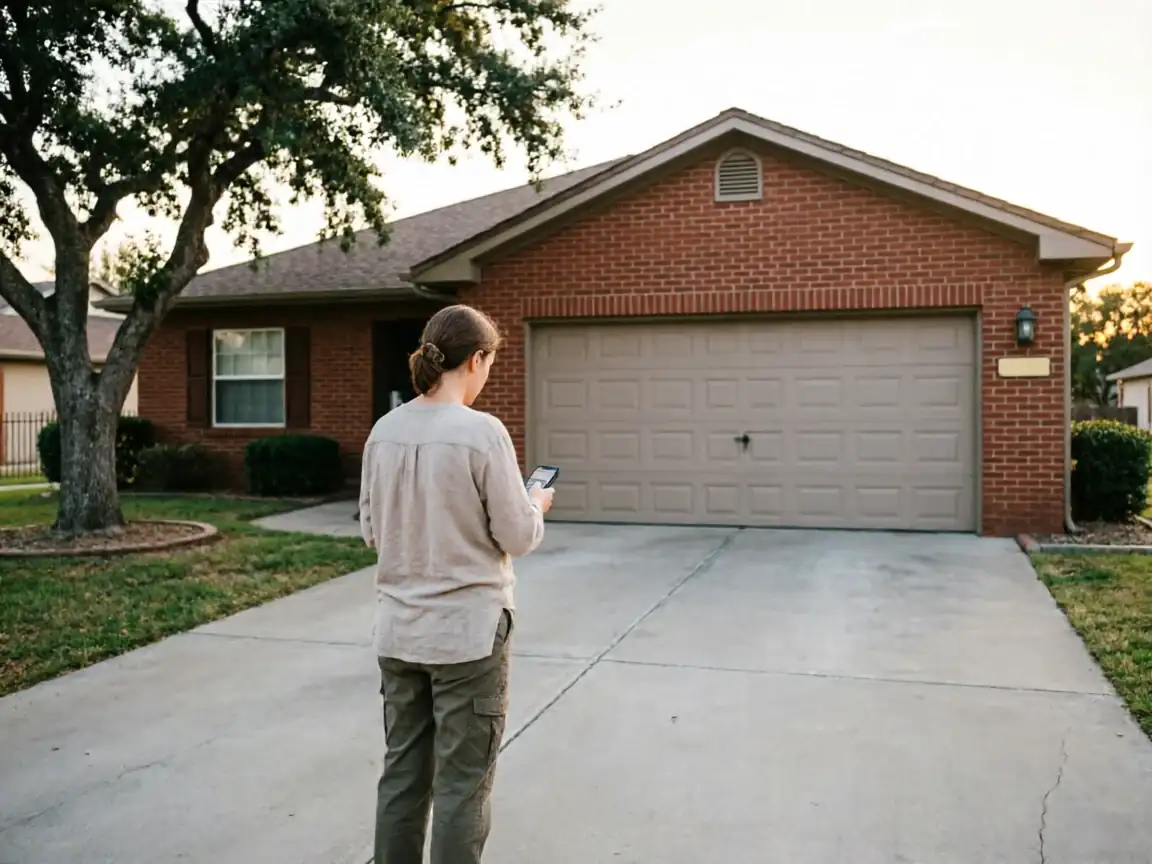
A person stands in a driveway, looking at a phone in front of a house.
1

Tell us what’s wrong

Describe the symptom - won’t open, loud bang, opener runs but the door won’t move.

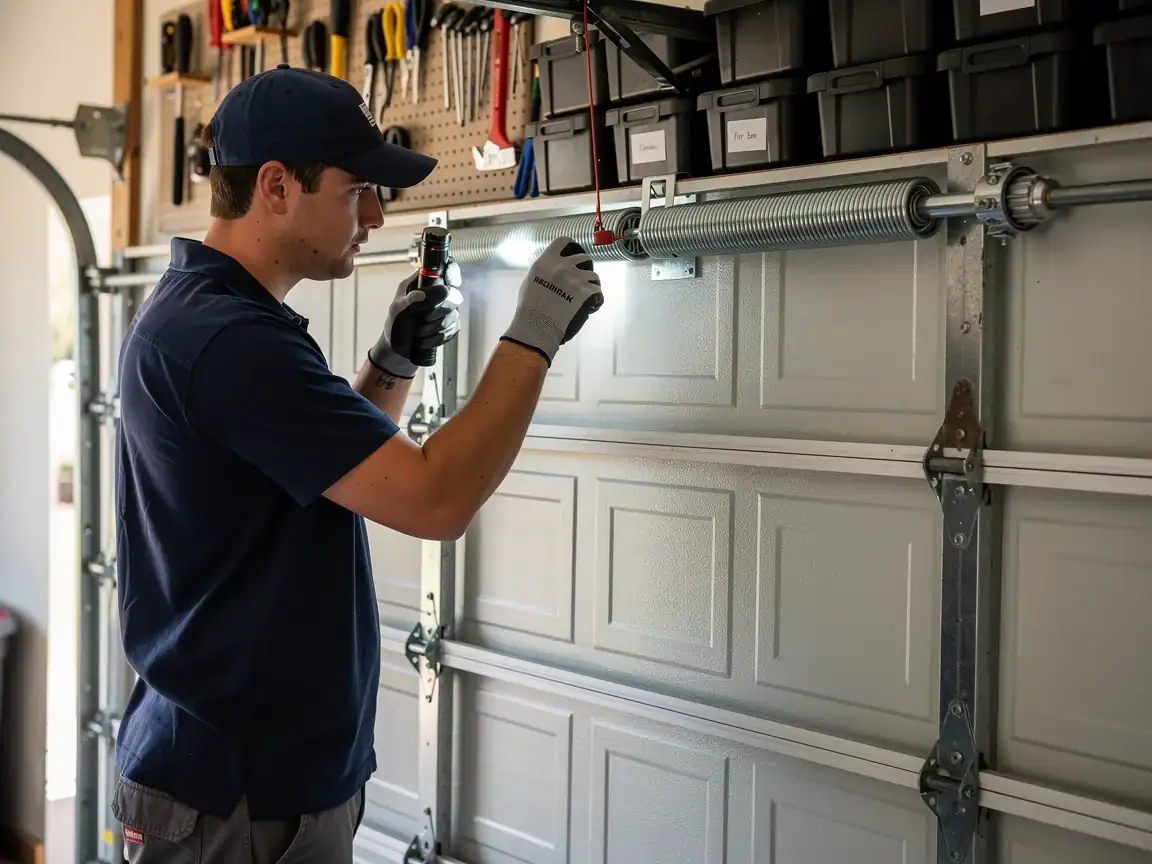
A technician shines a flashlight on a garage door torsion spring.
2

On-site diagnosis

A technician tests the door under power and by hand and finds what actually failed.

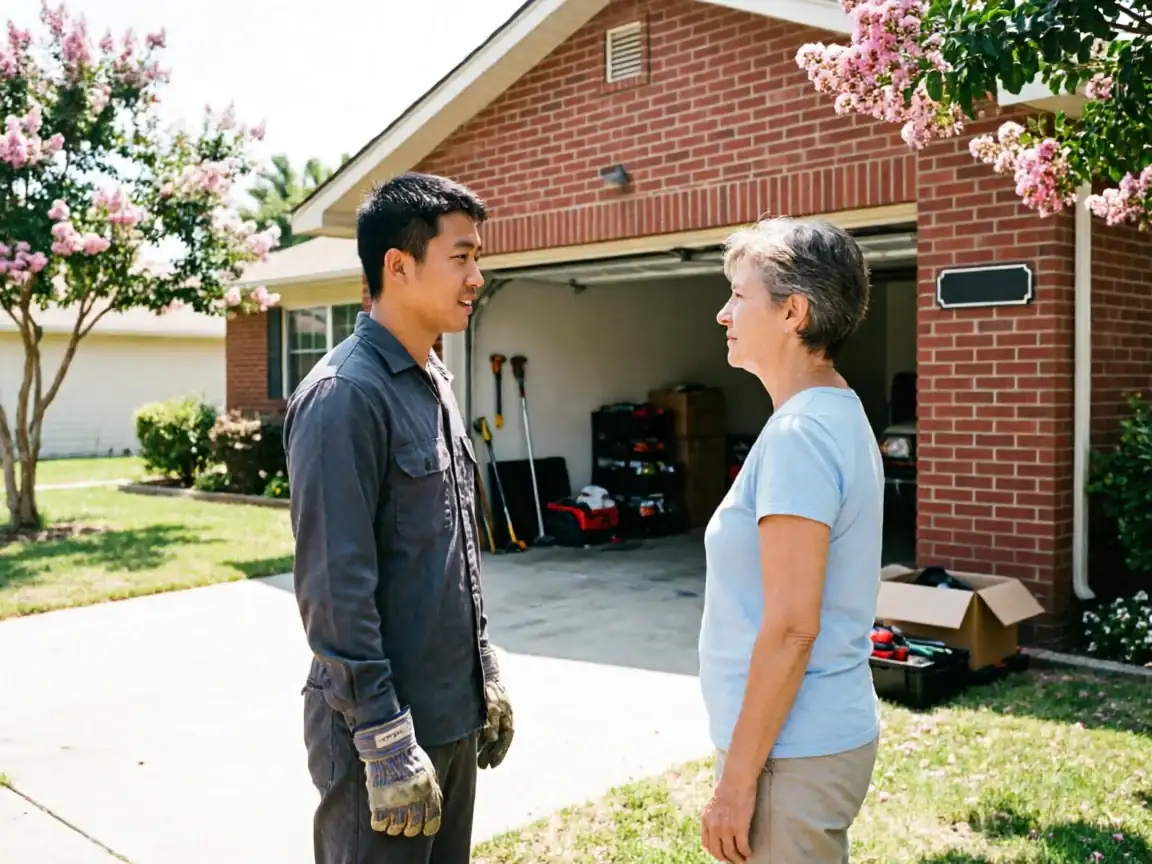
A technician and a woman stand talking in front of a brick house with an open garage.
3

Clear, up-front plan

You get the fix that’s needed and what drives the cost - before any work starts.

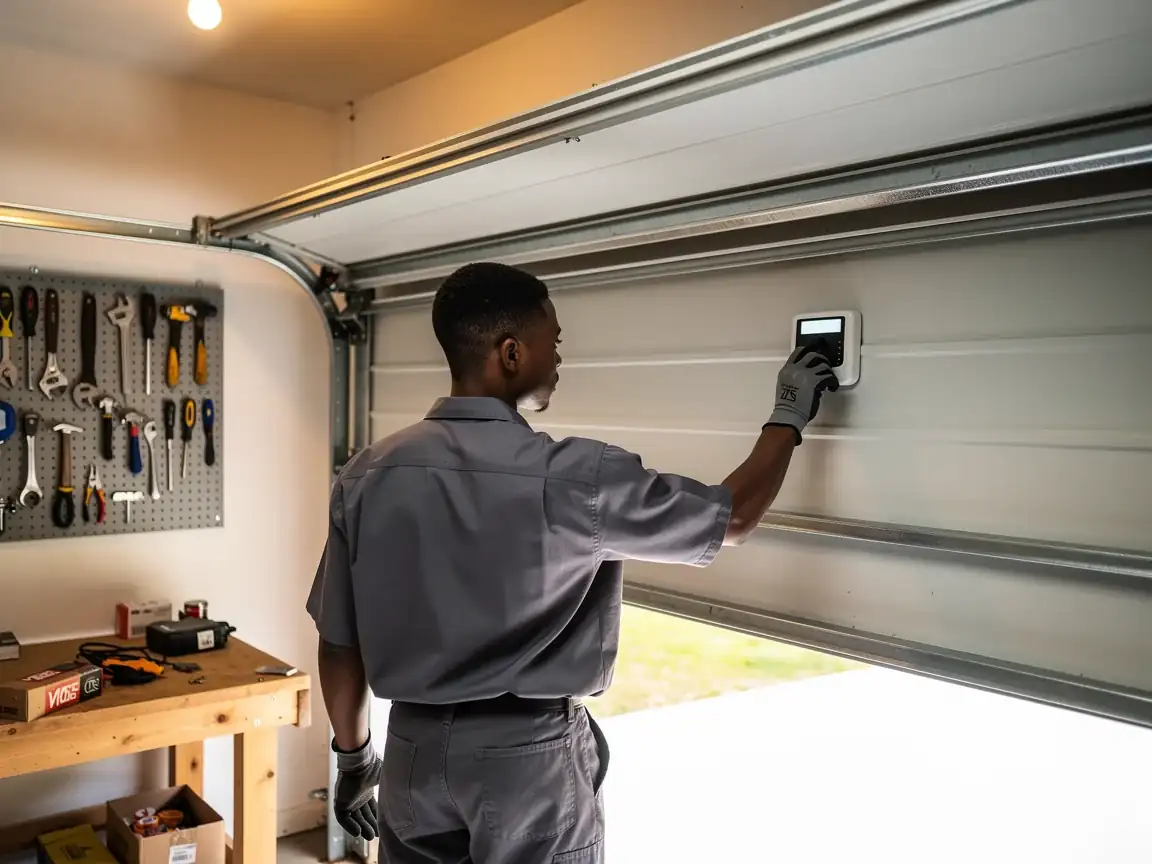
A technician in a gray uniform adjusts a white control panel on a garage door.
4

Repaired & tested

The repair is done, the door is set true and tested, and the work area left clean.

Not sure which repair your door needs in Friendswood, TX? Describe what it’s doing - every job starts with a diagnosis.

How we work

What to expect

A straight, honest approach on every Friendswood job - diagnosis first, the right parts, and clean work.

01

Diagnosis first

Every visit starts by finding what actually failed - not a pre-written parts list.

02

The right part for the door

Springs and openers matched to the door’s weight and age, so the fix holds up.

03

Straight answers

When a repair makes more sense than a replacement - or the reverse - you hear it plainly.

04

Clean, careful work

Tension released safely, hardware set true, the door tested under power before we leave.

What we do

Garage Door Services

Repair and installation work for Friendswood homes and businesses.

Questions

Frequently asked

Straight answers about garage door repair in Friendswood. Still unsure? Ask us directly.

My garage door makes a loud bang when it closes. Is that an emergency?

Usually it means a cable has jumped off the drum or a torsion spring has broken, and yes, you should stop using the door until it's looked at. On a door from Friendswood's common 1980s-90s build era, this is often original hardware finally reaching the end of its cycle count, not a sign of poor maintenance.

Why does my door only squeal in the morning?

Overnight humidity and the occasional cold snap here stiffen old lubricant on the rollers and torsion spring. Once the door cycles a few times and things warm up slightly, the noise often fades. It's a sign the hardware needs fresh lubrication or roller replacement, not that something is about to fail outright.

Should I just replace the whole door if it's noisy?

Not usually. Most noise complaints on houses from this area's main building period trace back to rollers or springs, both repairable. Full replacement makes sense when the door panels themselves are warped or dented, not when the complaint is sound alone.

Ready to get your garage door sorted?

Tell us what it’s doing and where you are in Friendswood - we’ll take it from there.

Request a QuoteCall