What the Fix Involves
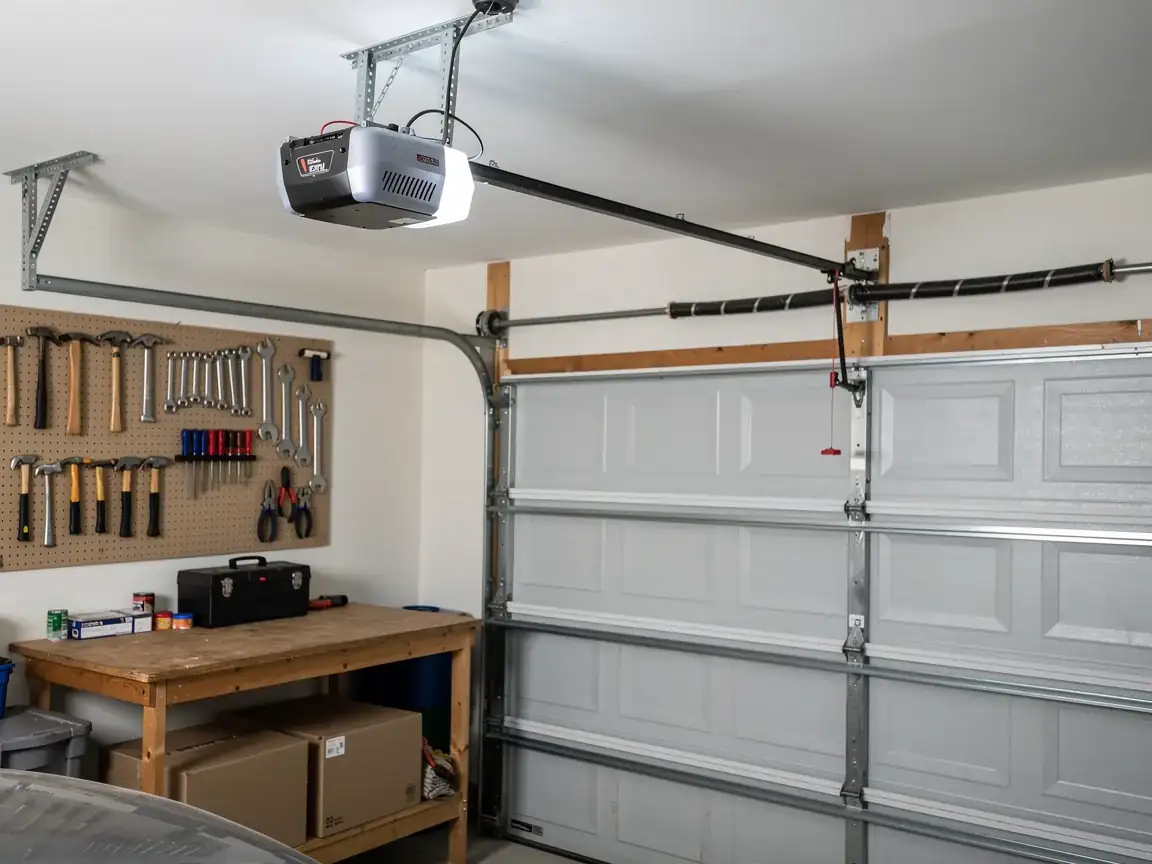
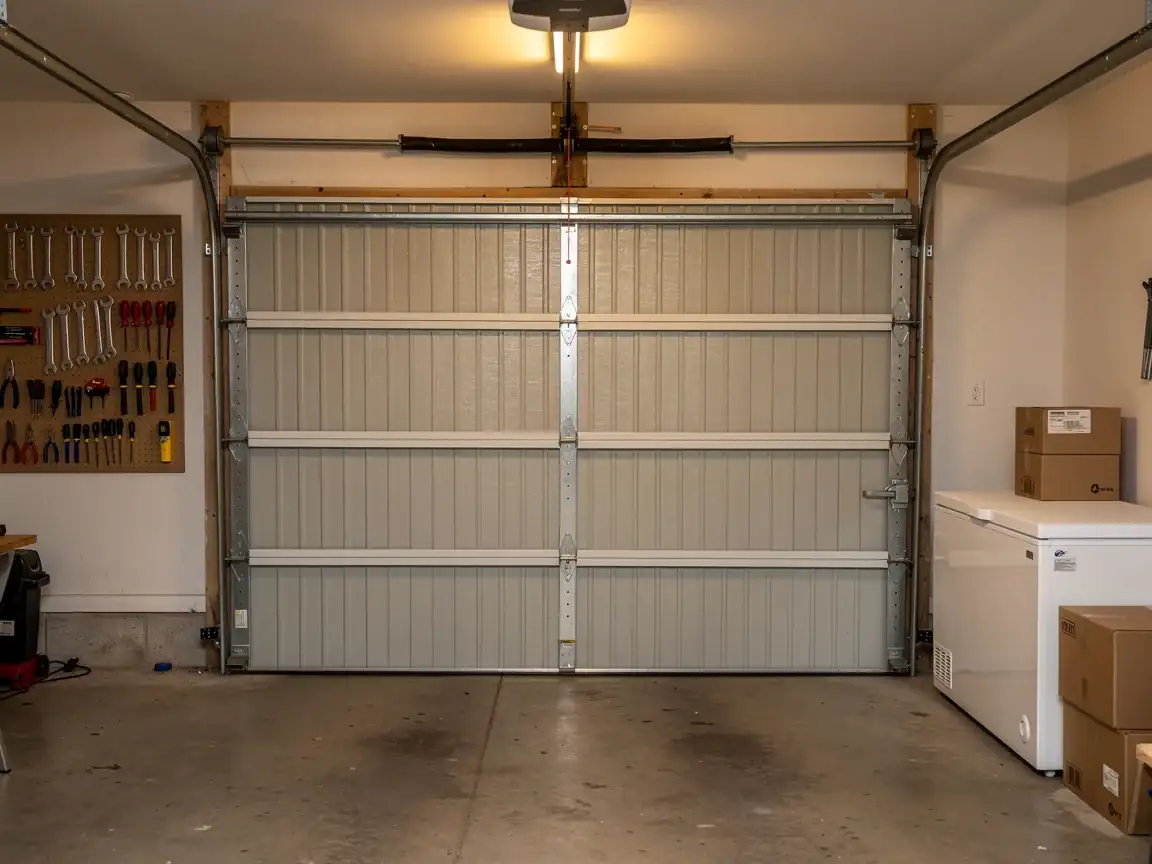
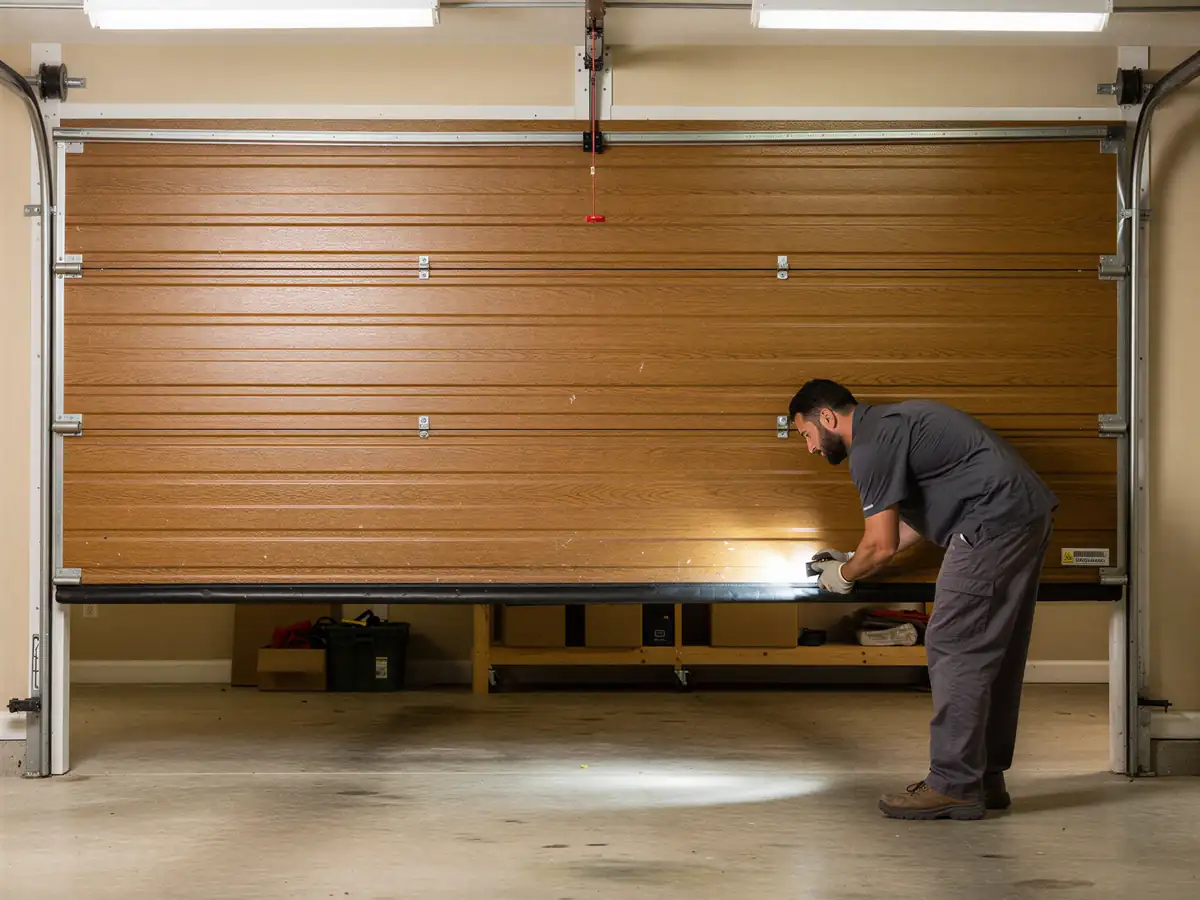
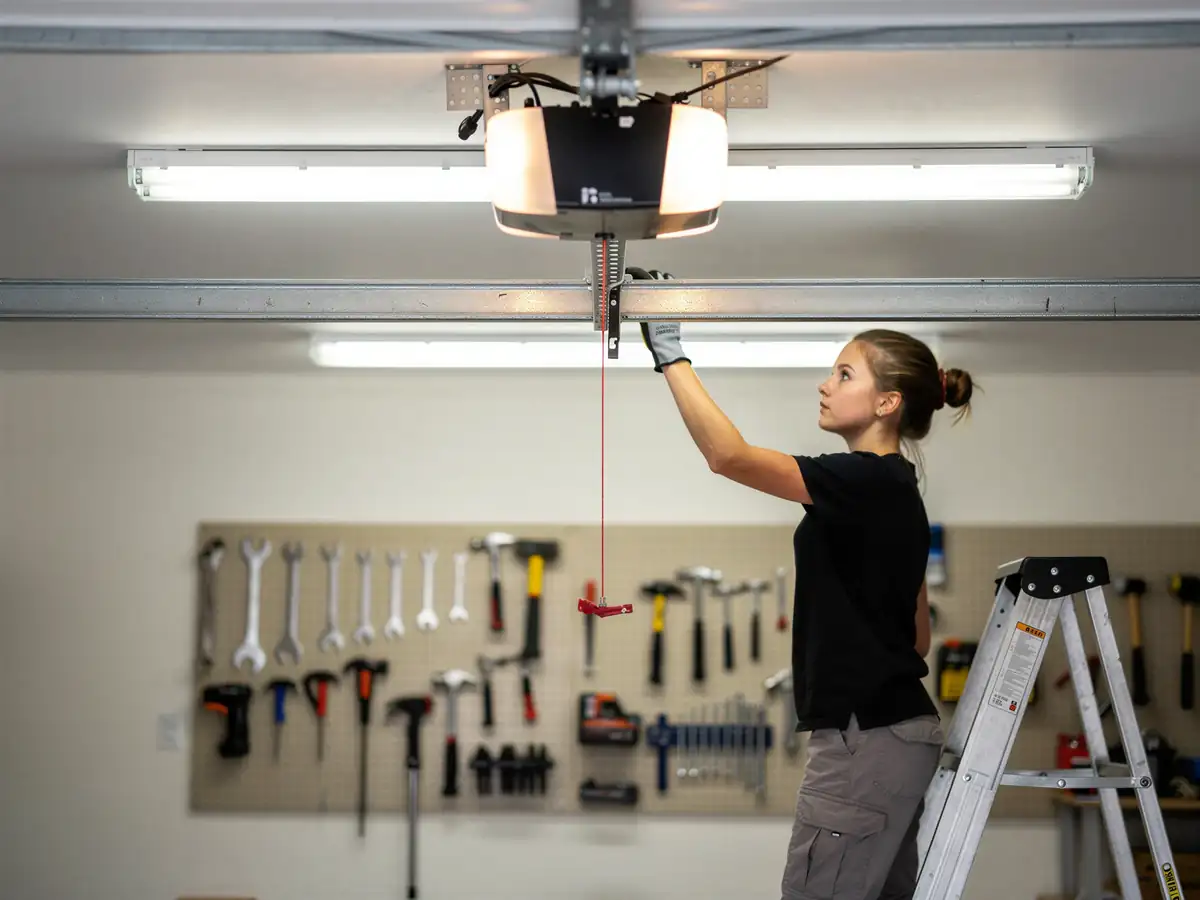
Most opener calls break down into one of three jobs: the logic board has failed and the unit won't respond to the remote or wall button, the drive gear has stripped so the motor runs but the door doesn't move, or the safety sensors have drifted out of alignment and the opener refuses to close. We test the circuit board first, since a dead board can mimic a motor failure and send you shopping for a new opener when the fix is a part swap. If the gear has stripped, we open the housing, check wear on the sprocket, and replace the drive component rather than the whole head unit when the motor and board still test good. Sensor work is usually a five-minute realignment, but on older brackets the mounting bolts have rusted or the bracket itself has bent, and that calls for a new bracket, not just a nudge. We also check the wiring harness between the opener and the wall control, since rodent damage and old splice tape both show up in this climate. One limitation worth saying plainly: if the motor has burned out on a unit more than 15 years old, we'll tell you straight that replacement is usually cheaper than sourcing a discontinued motor assembly, and we won't talk you into a repair that costs more than a new opener.
Why It Happens Here
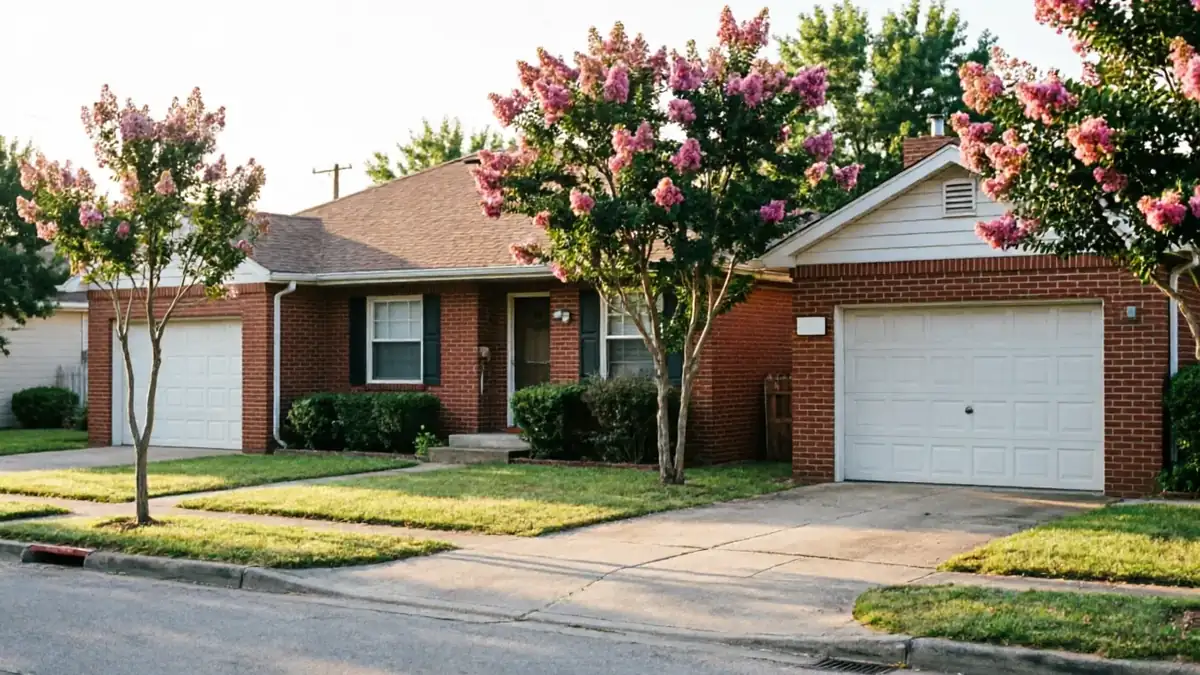
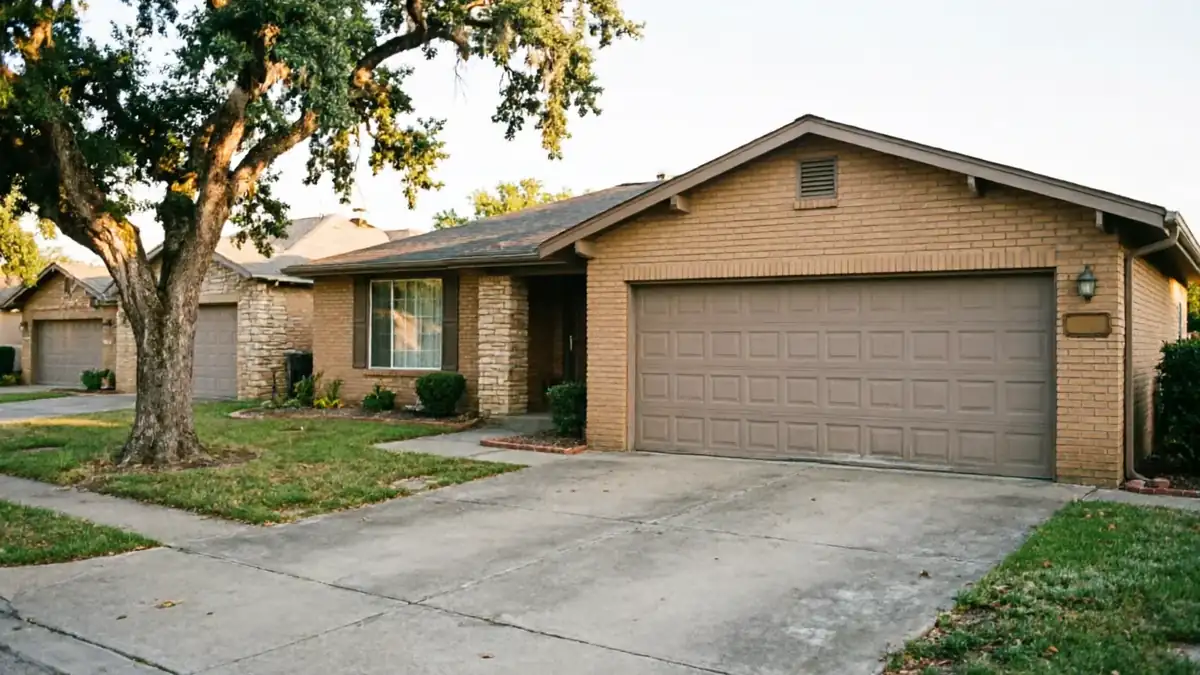
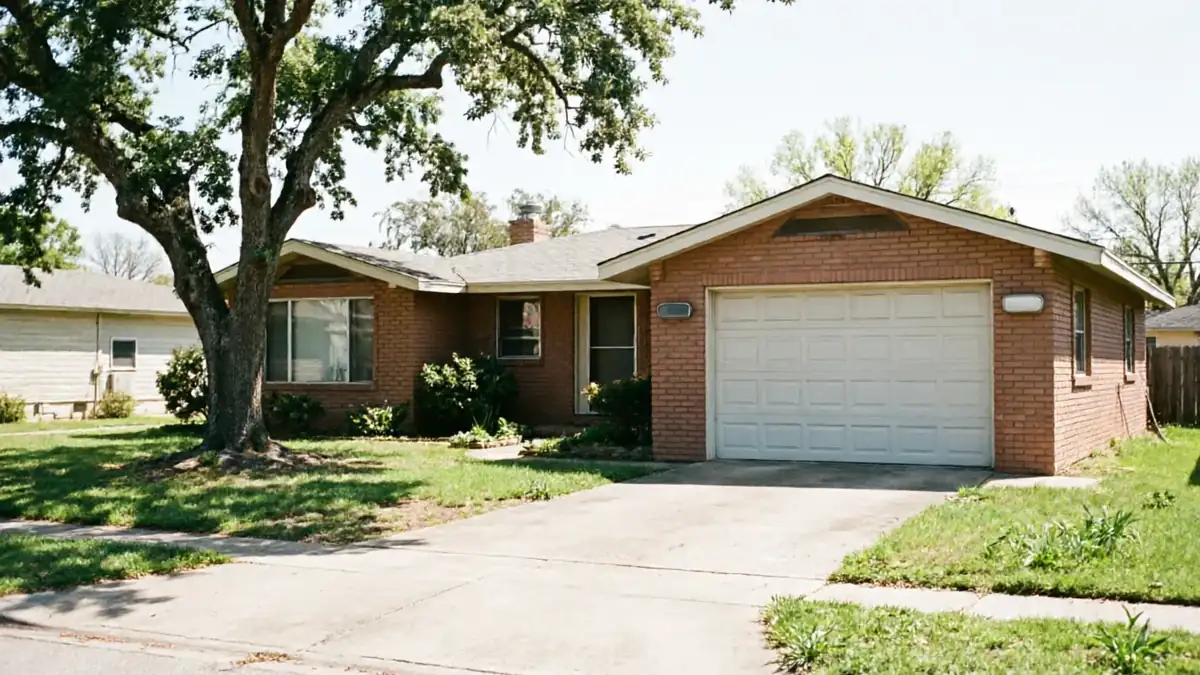
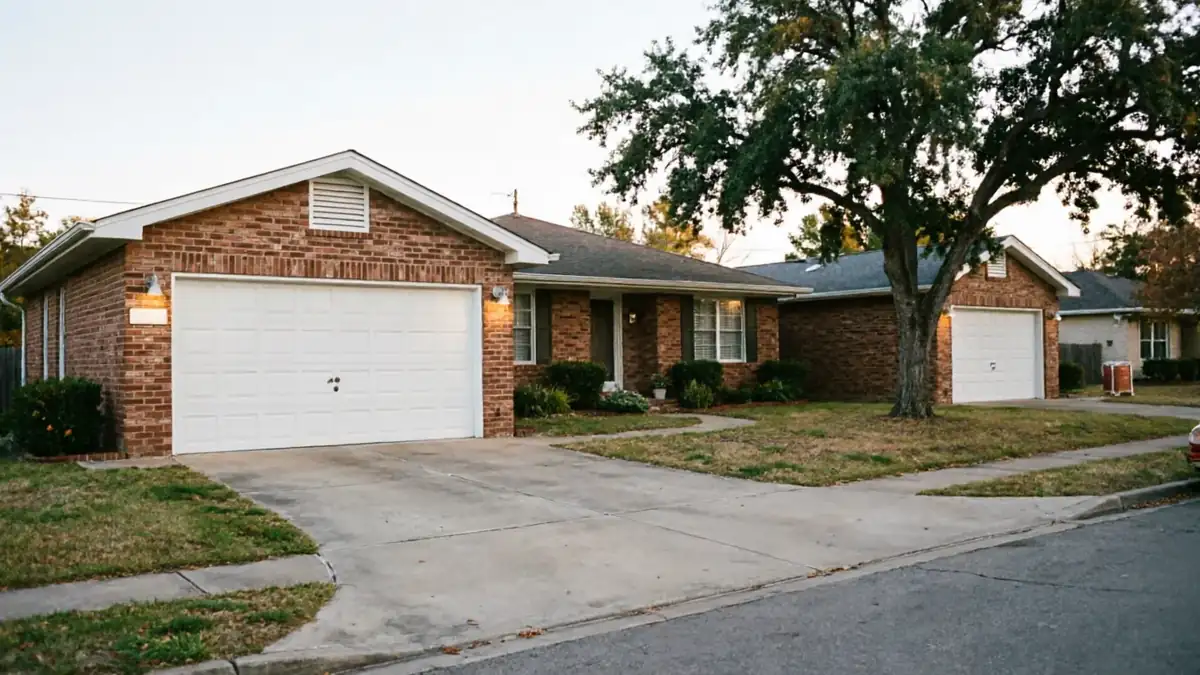
Housing across the service area went up mostly between 1956 and 2014, with a median build year around 1987, and that matters for openers specifically. A house built in the late 80s or early 90s commonly shipped with a chain-drive opener on a steel rail, and by now that unit is on its second or third logic board, if it's been serviced at all. The original circuit boards from that era weren't built for the humidity swings this area sees, and solder joints fail slowly, not all at once, which is why a board that's been glitching for months finally quits on a random Tuesday. The climate here sits in a mild band with occasional freeze nights, and that swing between damp heat and the odd cold snap is hard on capacitors and on the rubber grommets that isolate the motor from the mounting bracket. Across the 24 named areas that make up this housing stock, we see the same pattern: a cluster of 1980s-90s builds where the opener is original or one generation removed from original, and a smaller share of newer construction from the 2000s and 2010s where the failures run more to settings and sensor alignment than to worn-out hardware.
What You Are Seeing
The door doesn't move but the motor hums: that's almost always a stripped gear or a broken drive component, not the motor itself. The opener runs through its full cycle but the lights blink and it reverses before the door closes: that's a sensor alignment or obstruction issue nine times out of ten. No response at all to the remote or wall button, with no sound from the unit: check the breaker first, then suspect the logic board. A grinding or clicking noise partway through the cycle points to a worn drive gear starting to strip, and it's worth calling before it fails completely and leaves the door stuck halfway. If the opener works some days and not others, especially after a cold night, that's consistent with a board or connection that's failing intermittently rather than a clean break - those are the hardest to self-diagnose and the ones we'd rather look at in person than talk you through over the phone.