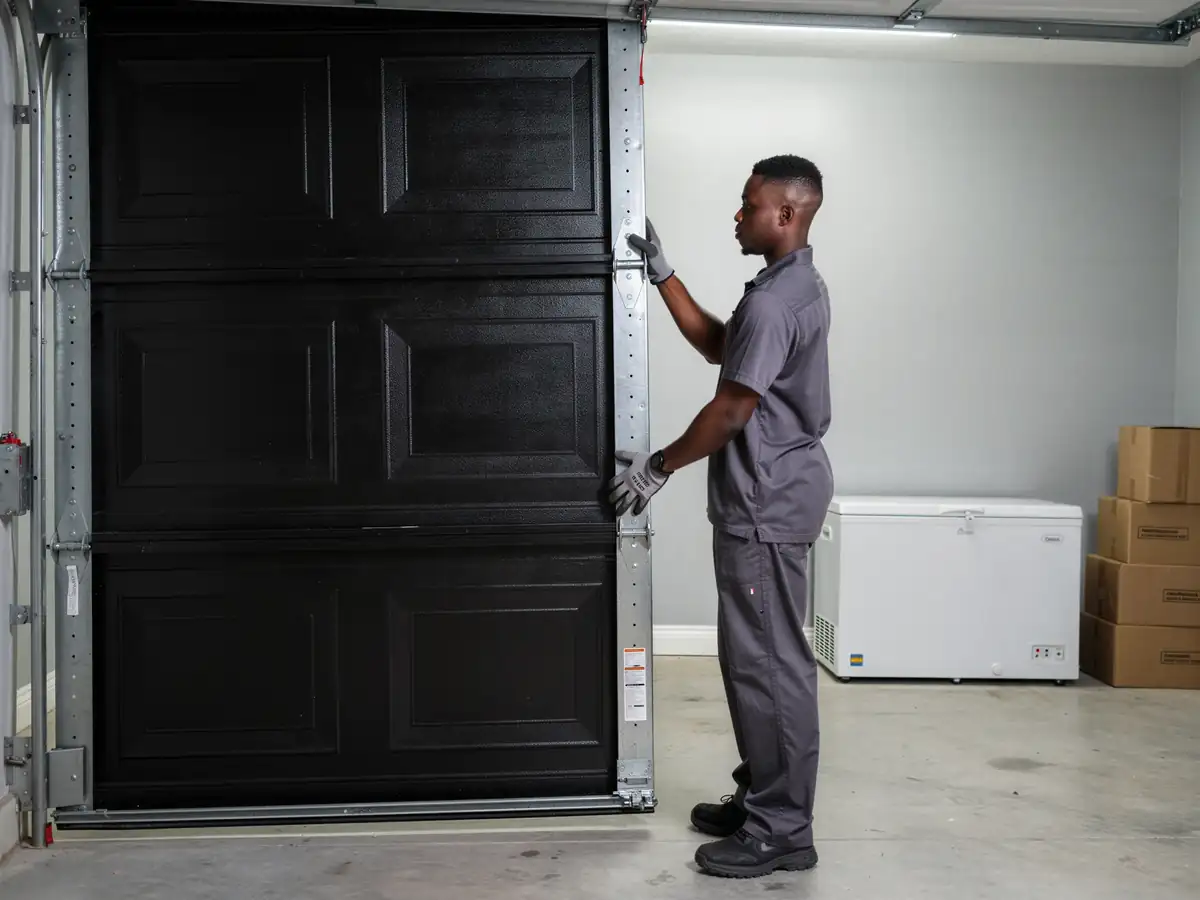
What the Fix Involves
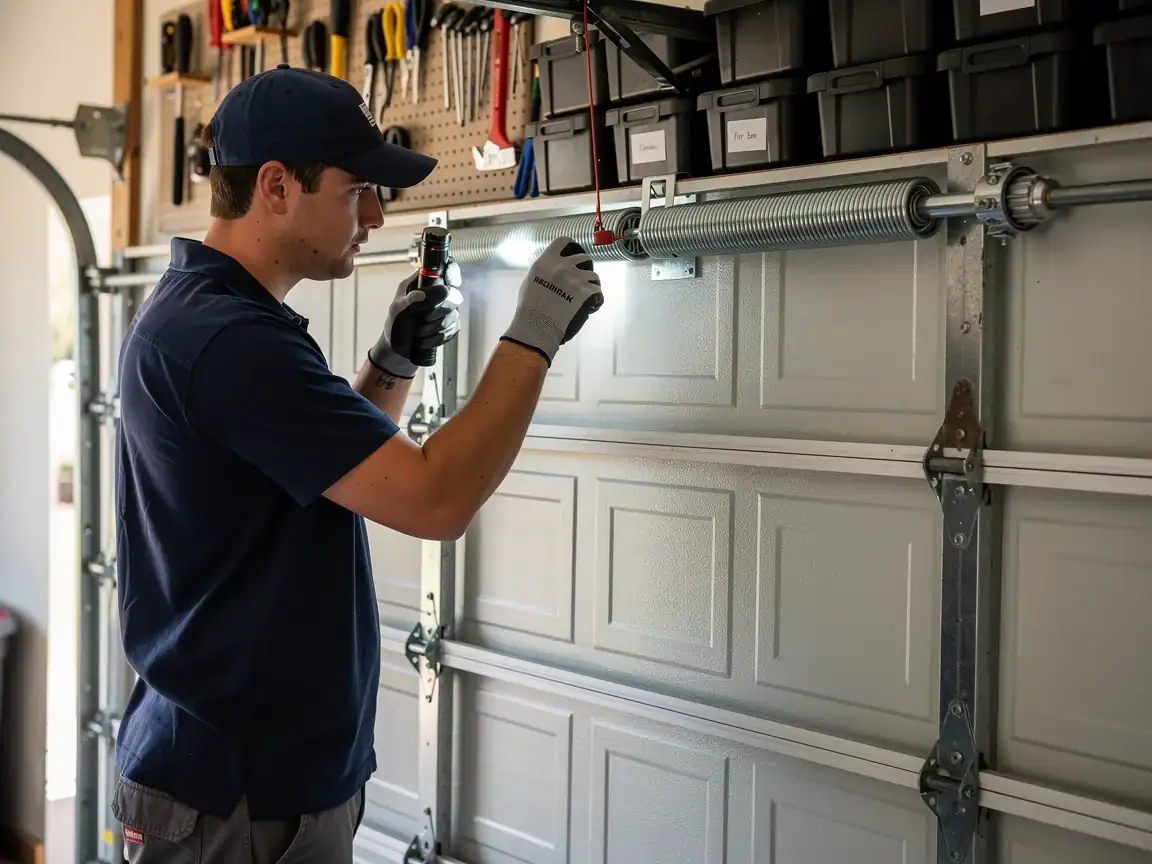
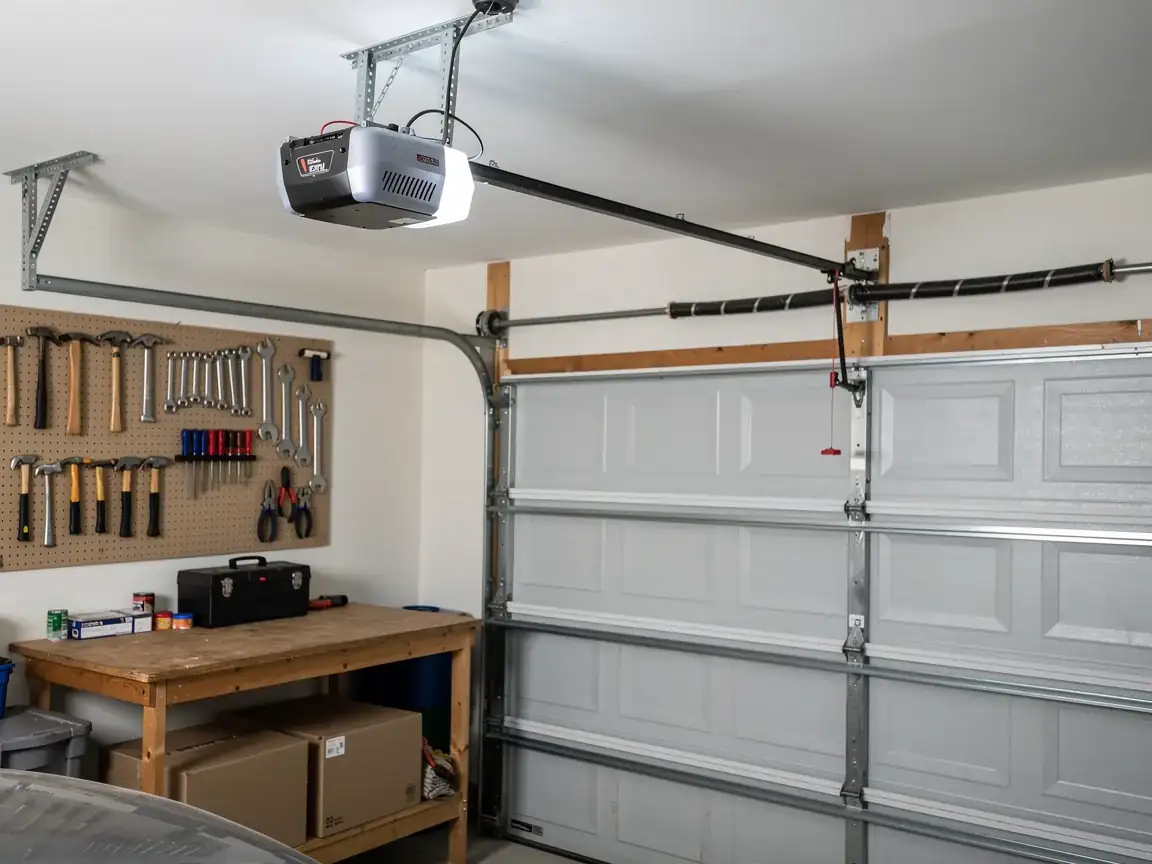
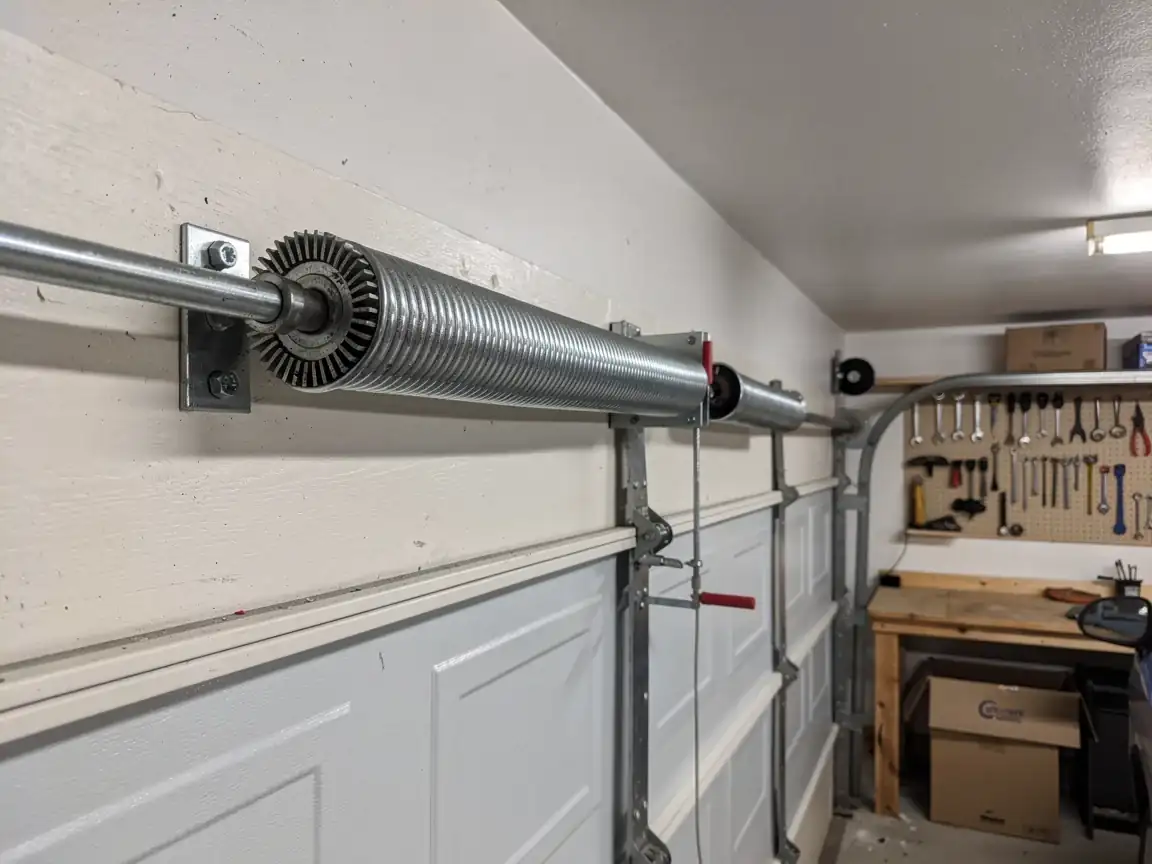
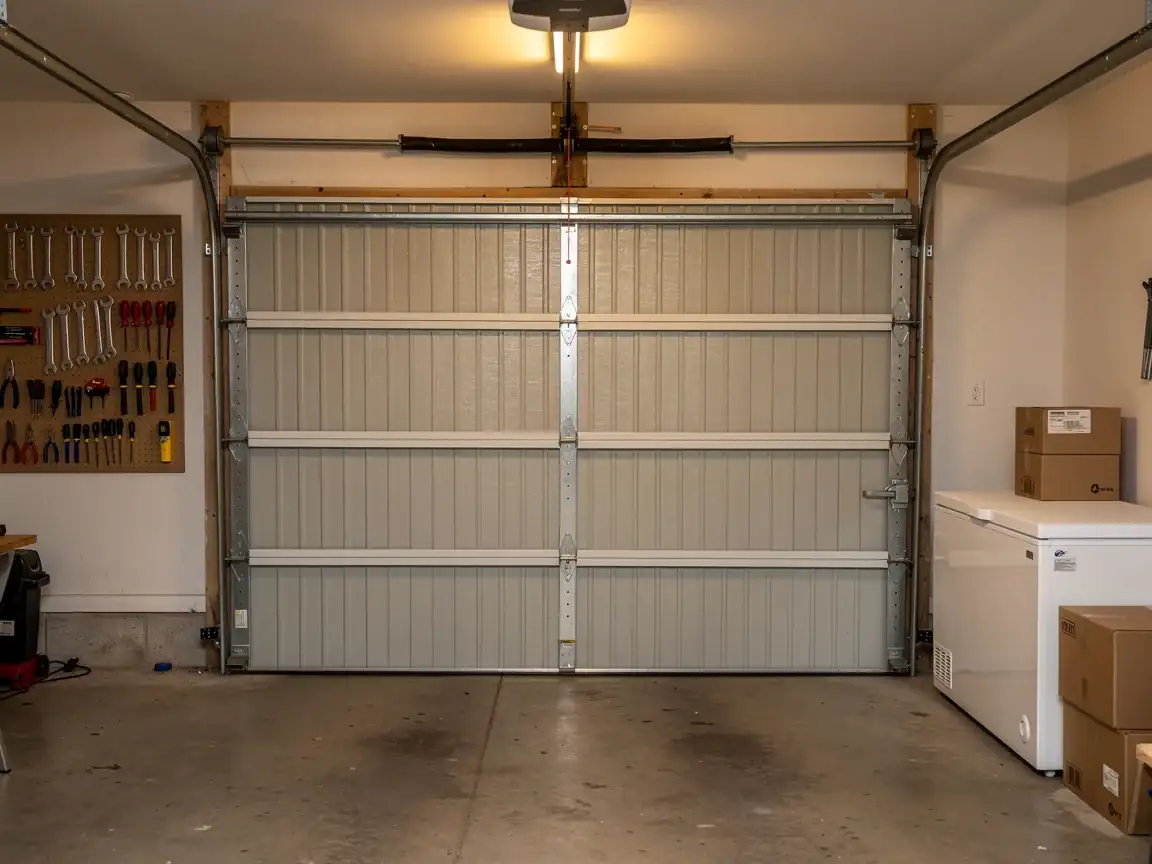
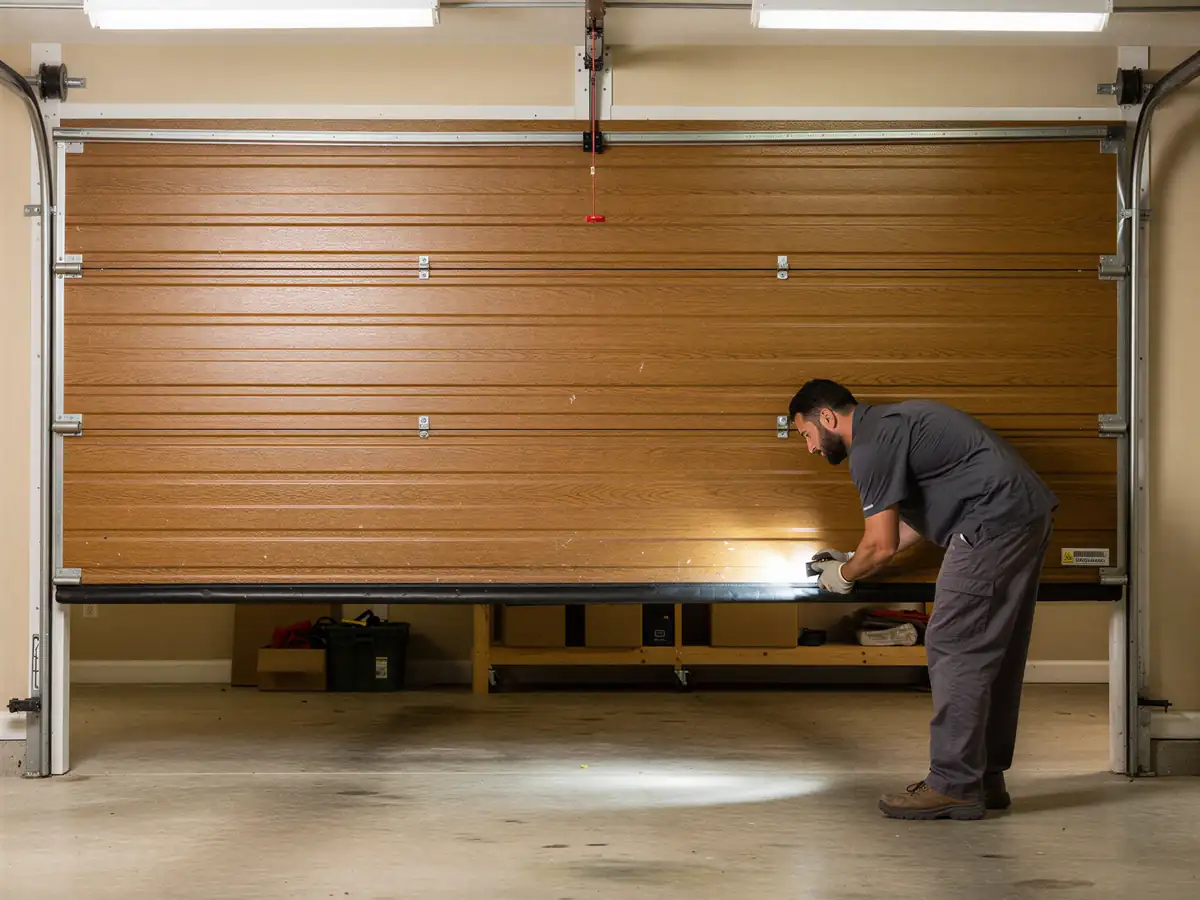
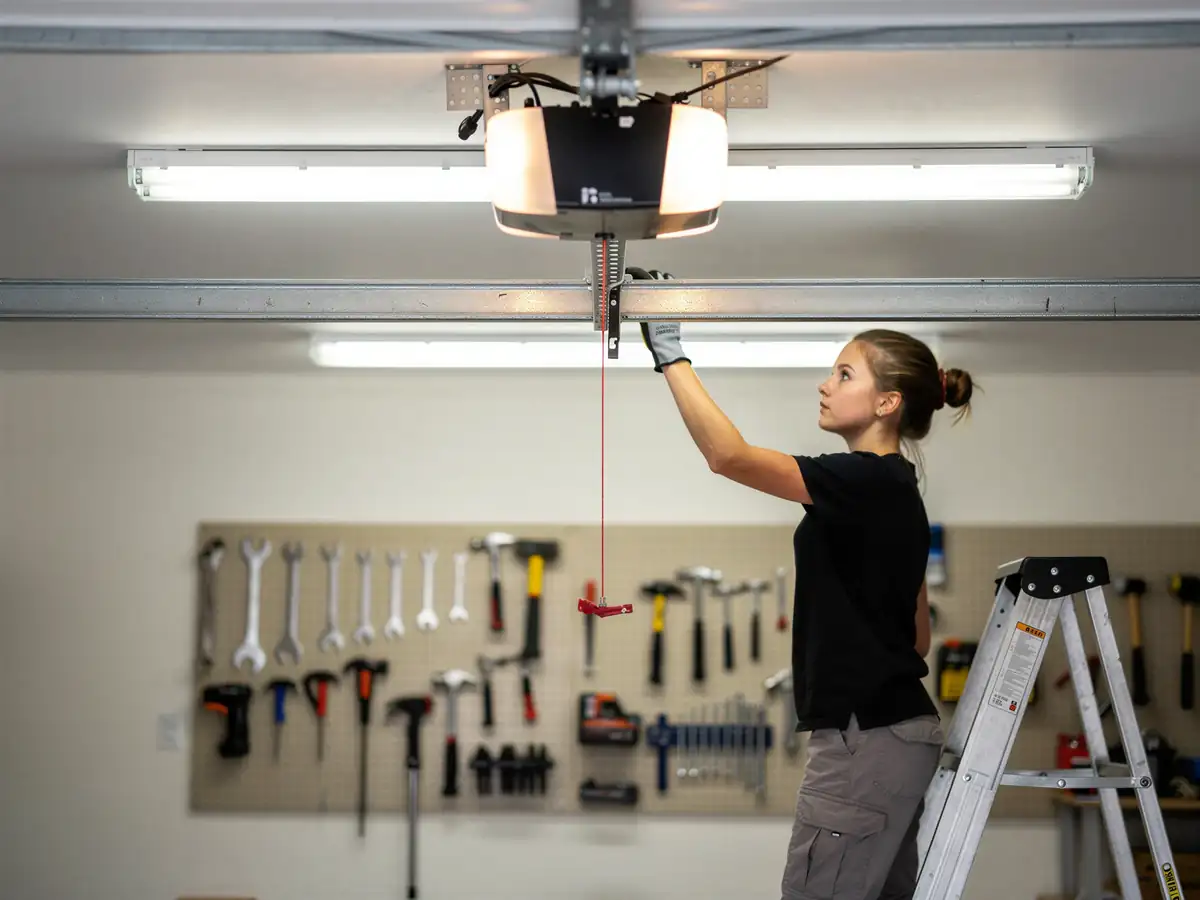
A door off track almost always means one of two things: a roller has jumped the track, or the track itself has bent away from the wall. We start by cutting power to the opener so nothing tries to drive the door while someone's hands are near it. Then we check the rollers, the track brackets, and the cable drums before touching anything else.
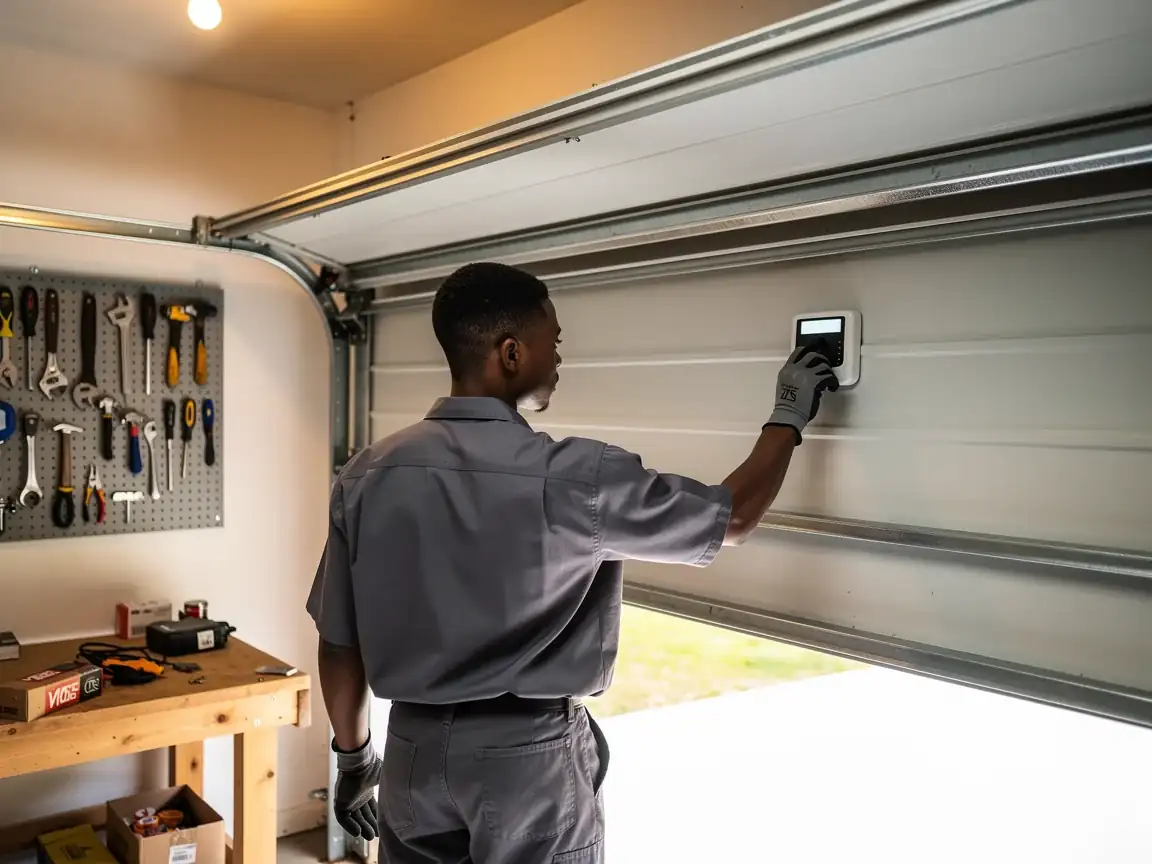
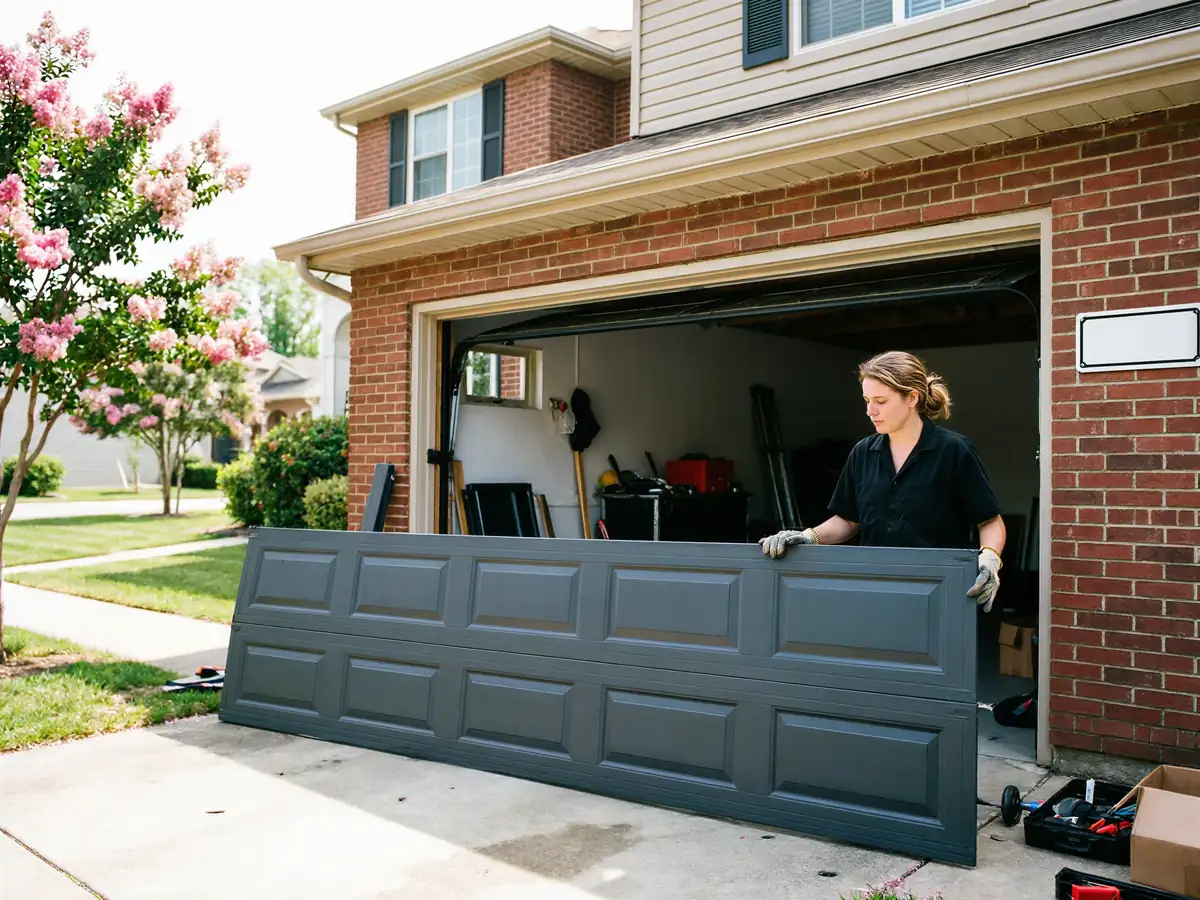
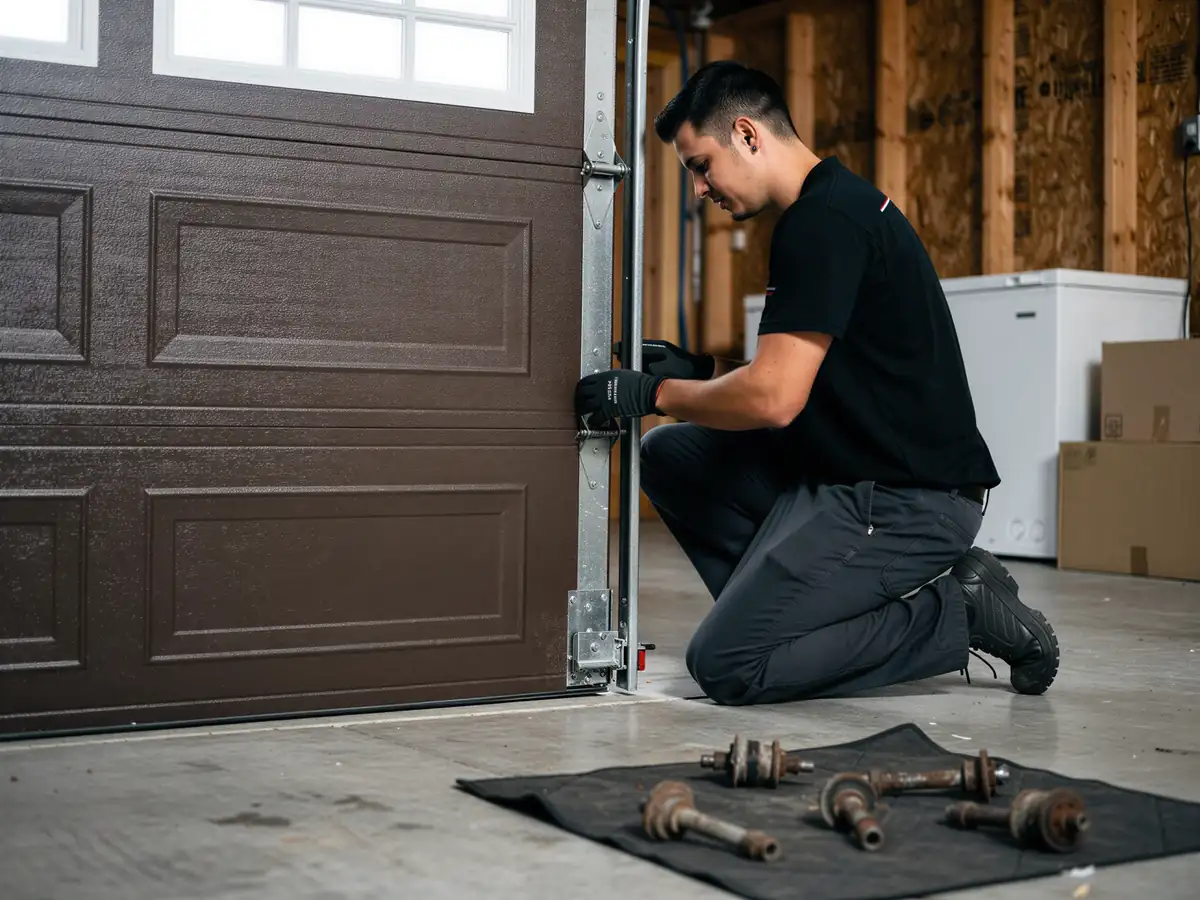
If a roller popped out but the track is straight, the fix is often simple - reseat the roller, check the bracket bolts for play, and run the door a few times to confirm it tracks true. If the track is bent, that's a different job. A bent section has to come off and get replaced, because hammering a track back into shape just sets it up to bend again at the same spot.
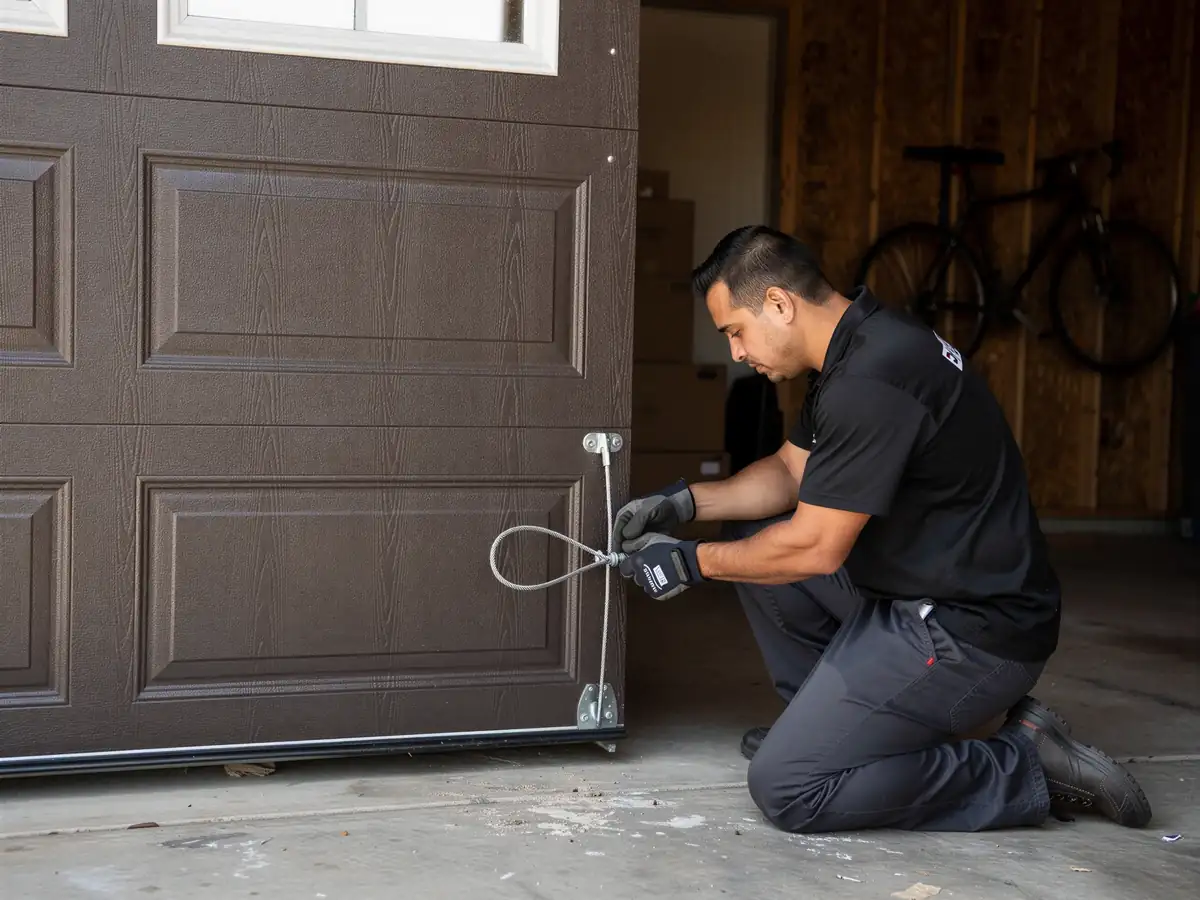
We also look at what caused it in the first place. A door doesn't jump track on its own - something pushed it there. Usually that's a broken cable, a loose roller bracket, or a spring that's lost tension and let the door rack sideways as it traveled. Fixing the symptom without finding that cause means the same call again in a few months.
One limitation worth saying plainly: if the door panel itself is bent along with the track, straightening the panel usually costs more than it's worth. At that point we'll tell you replacement makes more sense than repair, even though that's the less profitable answer for us.
Why It Happens Here
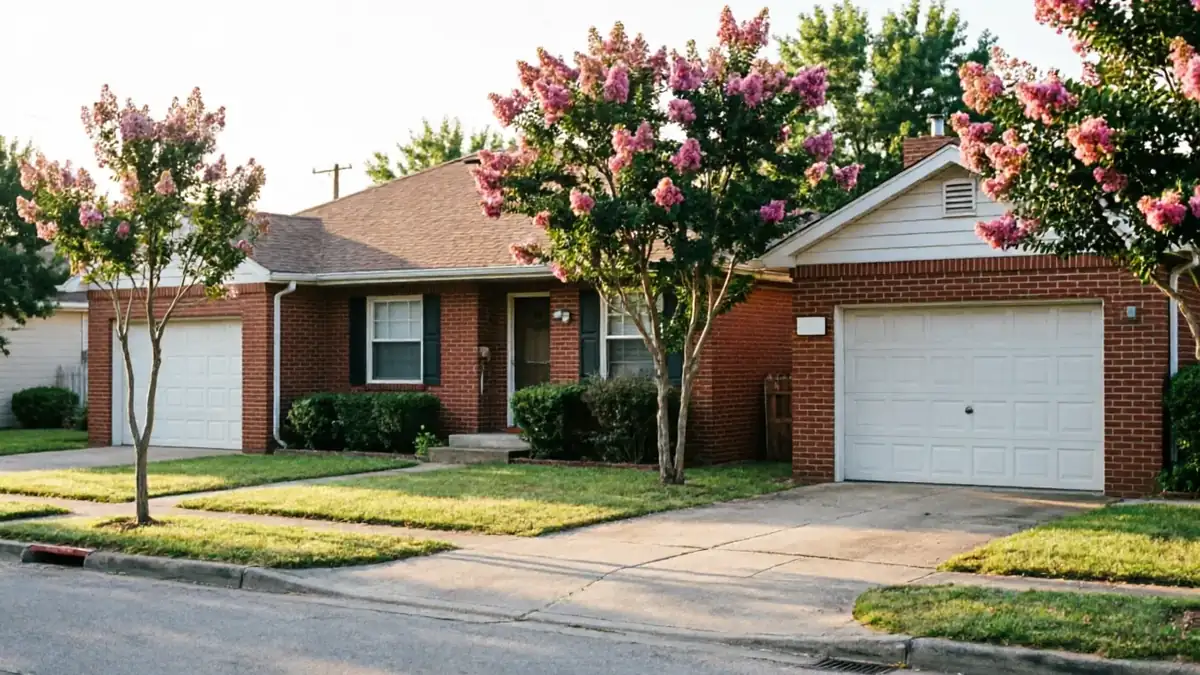
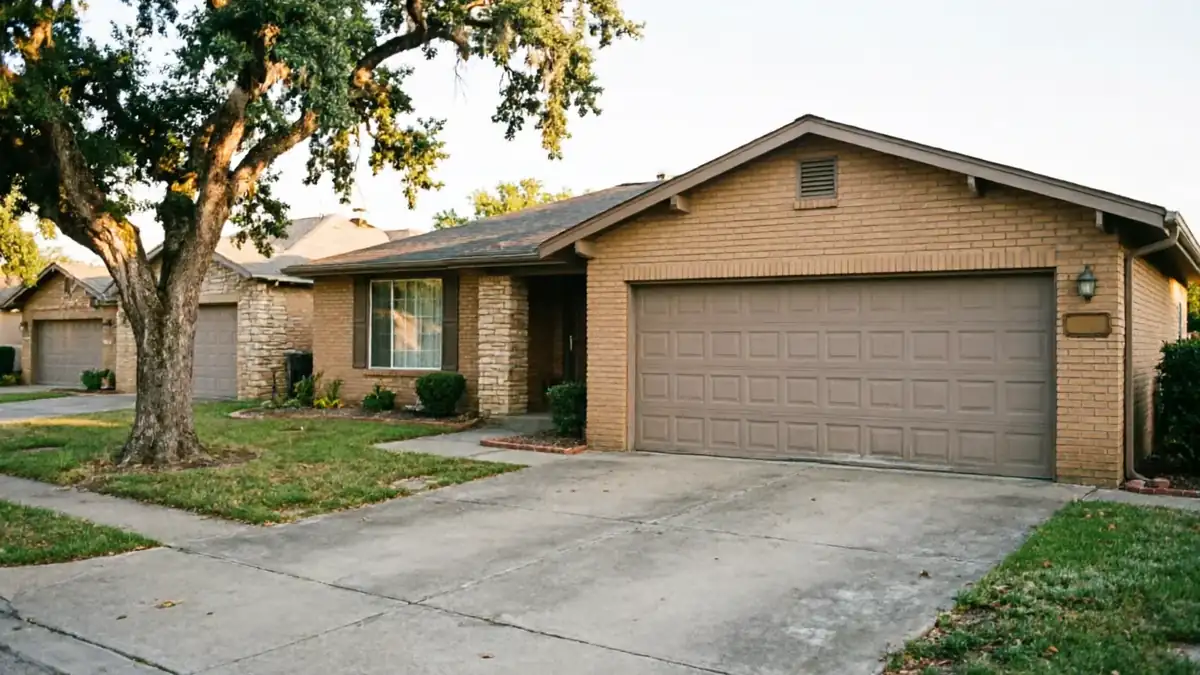
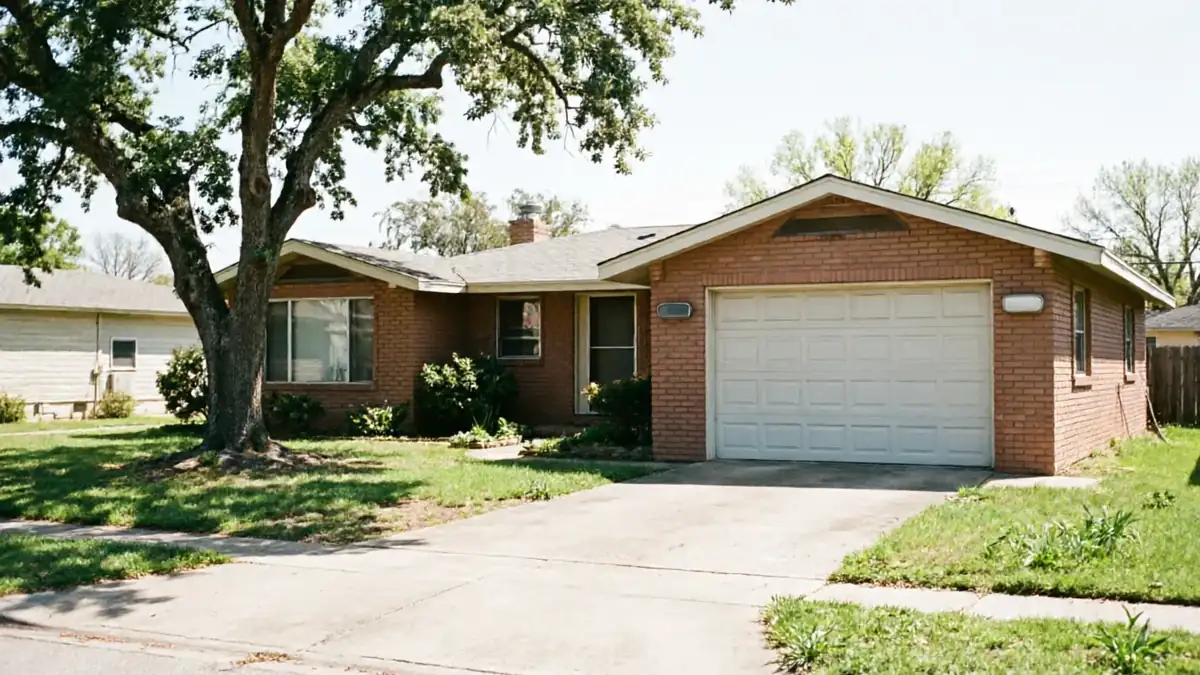
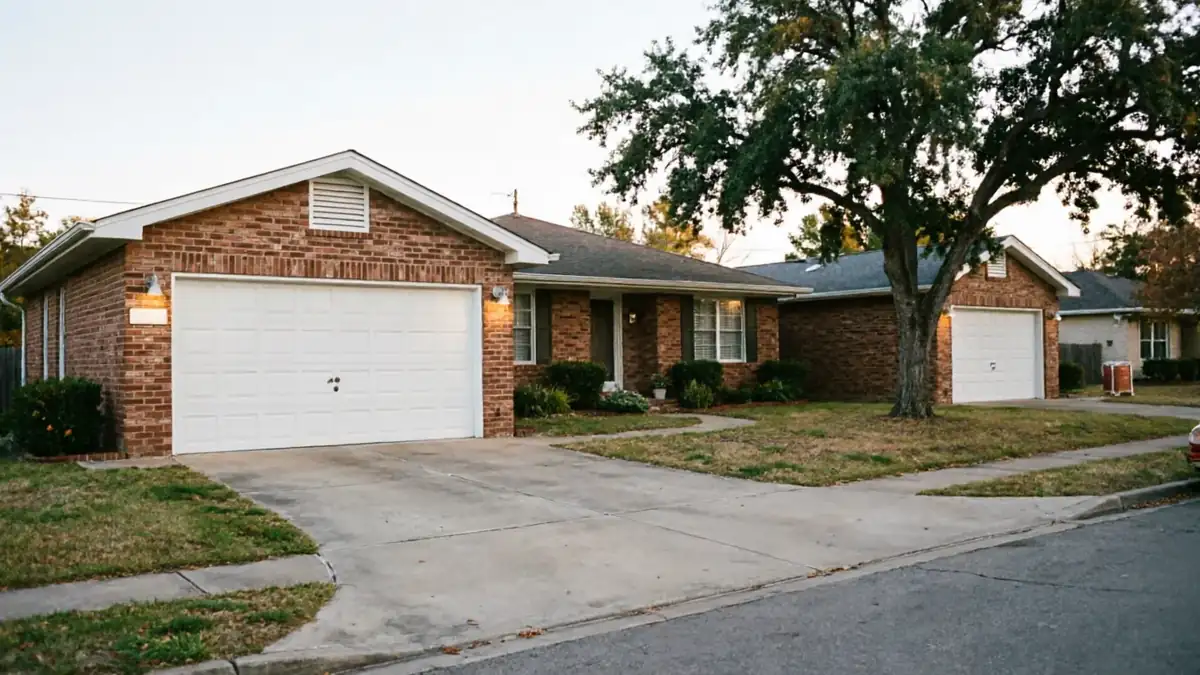
Friendswood's housing runs from 1956 up through 2014, with most of the stock going up in the 1980s and '90s across the area's roughly two dozen named sections. That matters for this specific fault. Doors and track hardware installed during that build-out are now 25 to 40 years old in a lot of homes - old enough that steel brackets have loosened from thousands of open-close cycles, and rollers that started as nylon or steel have worn down enough to ride rough in the track.
The climate adds to it. This is a mild zone with occasional freeze, which doesn't sound like much compared to harsher regions, but the swings still matter. Humidity swelling wood jambs, combined with the odd hard freeze that stiffens grease in old rollers, puts uneven stress on track alignment that homes in more stable climates don't see as often.
Put those two things together - older bracket hardware plus a climate that doesn't let components settle into one steady state - and an off-track door becomes one of the more common calls we get across the service area's roughly 62,775 owner-occupied houses. It's not a freak event. It's what aging hardware does under these conditions.
Time on the Job
A straightforward reseat
Roller back in the track, brackets tightened, door tested - usually runs on the shorter end of a service visit. Once we're diagnosing a bent track section or a cable that let go, the job runs longer because we're replacing parts, not just adjusting them.
We can't give you a number before we've looked at the door
Because off-track calls split pretty evenly between the quick fix and the parts-replacement fix, and there's no way to tell which one you've got from a phone description. What we can tell you is that we diagnose on arrival before quoting the work, so you know which kind of job you're getting before we start.
What You Are Seeing
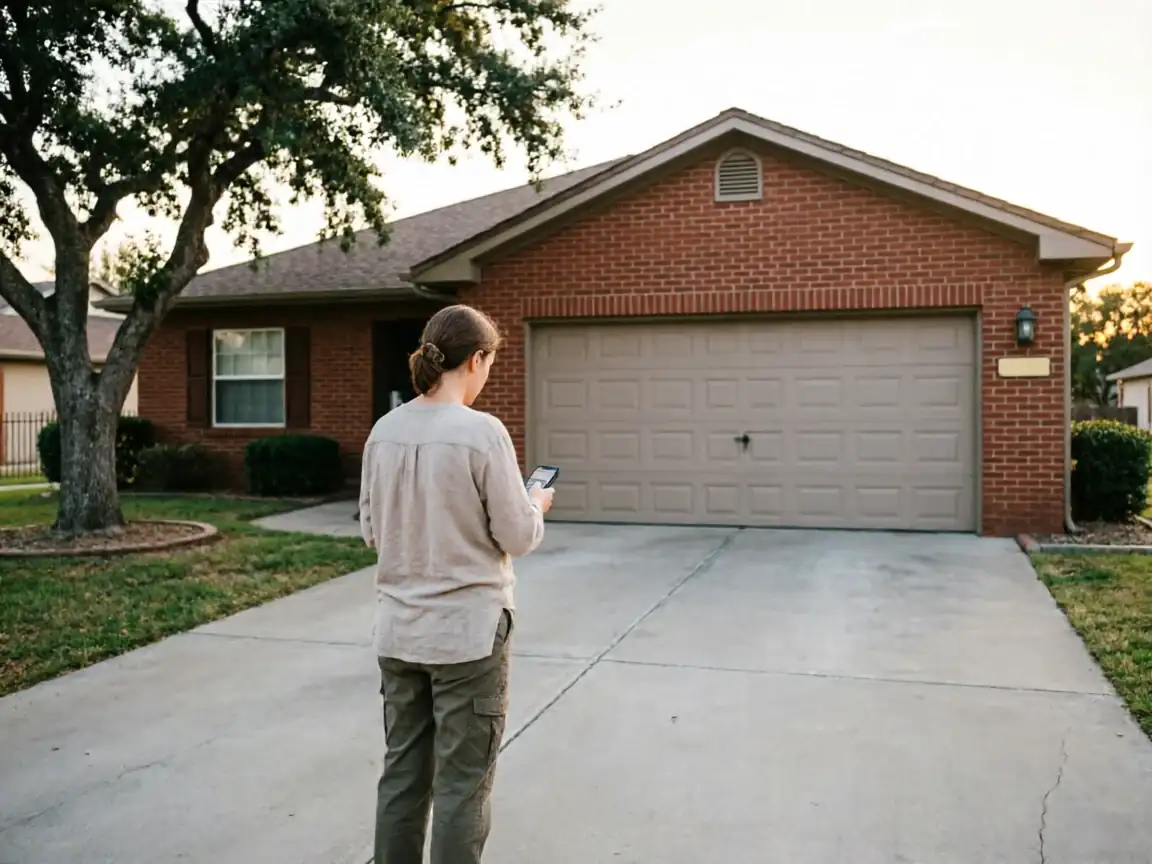
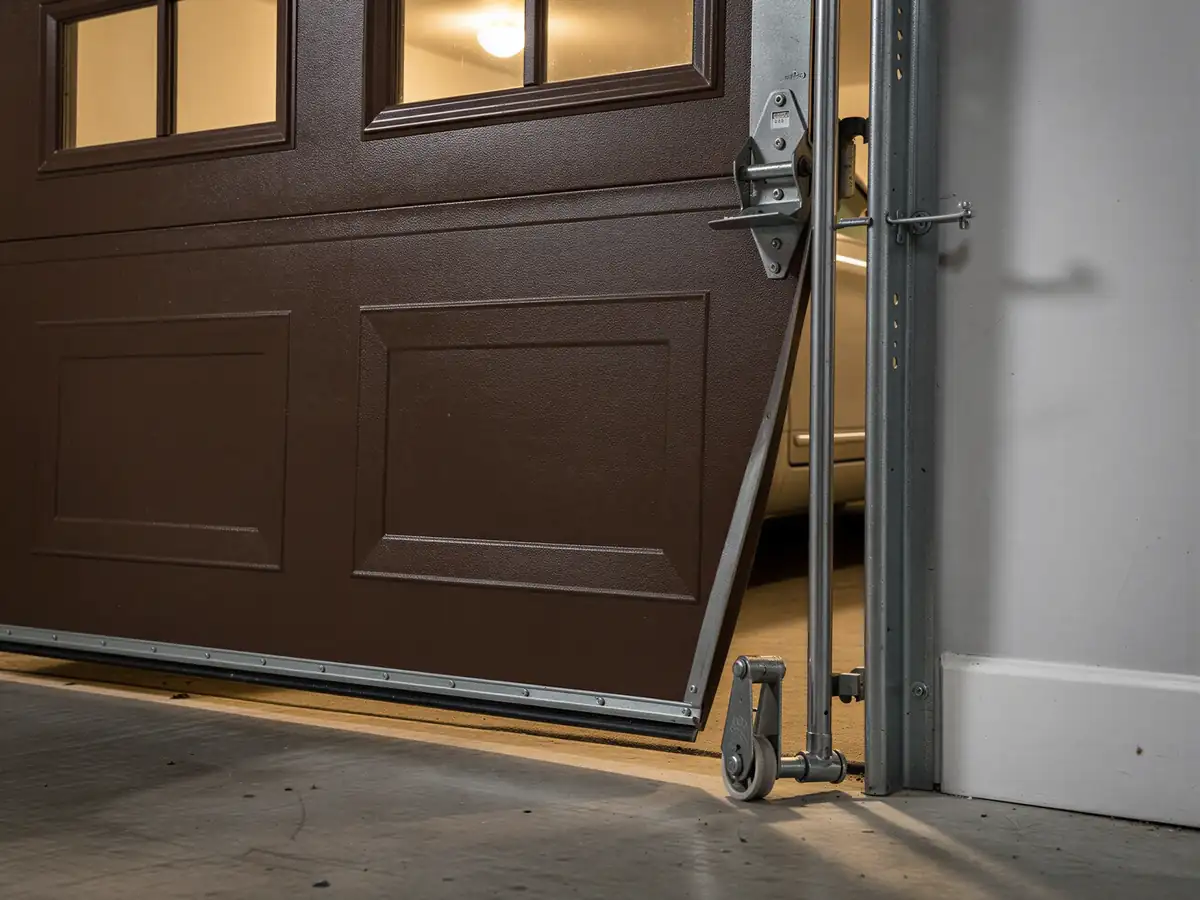
Most people call us because the door stopped halfway, or it's hanging crooked in the opening with a visible gap on one side. Some hear a bang before it happens - that's usually a cable or a roller bracket giving way. Others notice it gradually: the door starts rubbing or scraping on one side for a few weeks before it finally jumps track.
If your opener is still trying to run the door, stop using it. Running the opener against a door that's off track puts stress on the opener motor and can bend the track further or snap more hardware. Pull the manual release if you can reach it safely, and leave the door where it sits until someone looks at it.
A door that's merely crooked but still in both tracks is a different, easier repair than one where a roller has actually left the track channel. If you can see daylight between the roller and the track on one side, that's the fuller version of this problem, not the early warning sign.