Timing on This Area
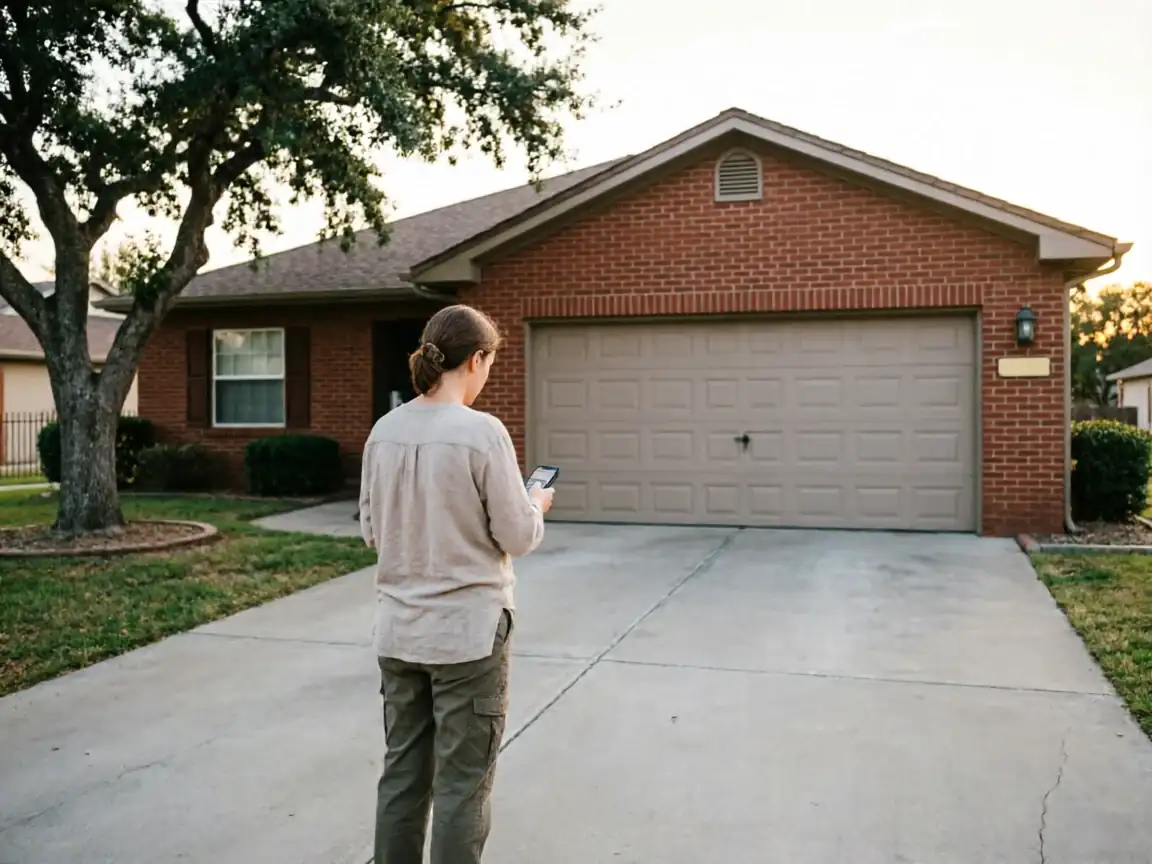
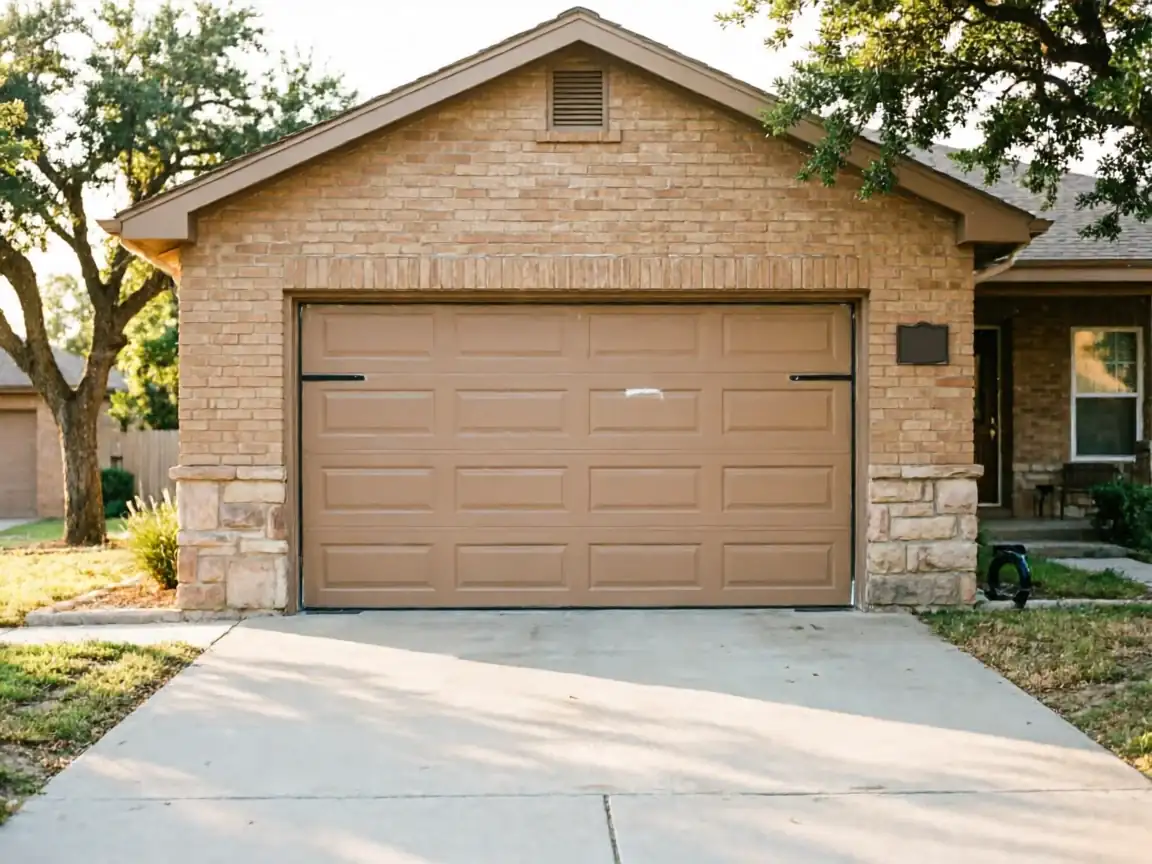
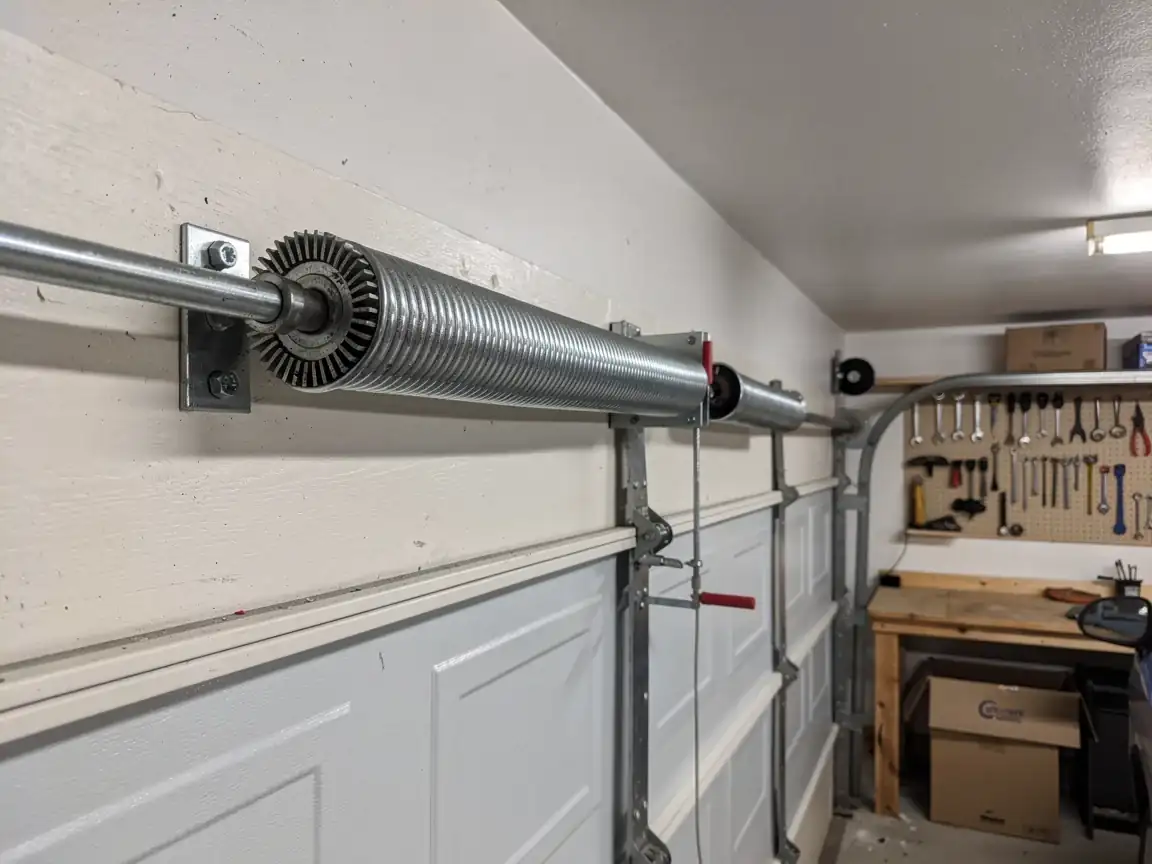
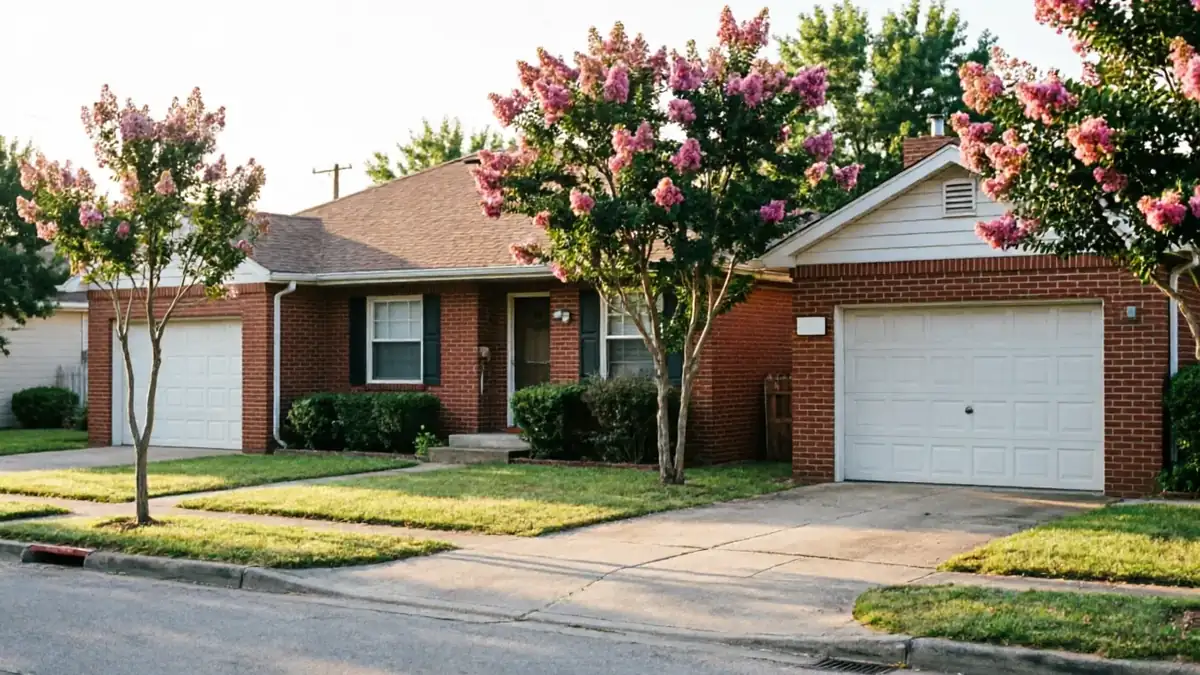
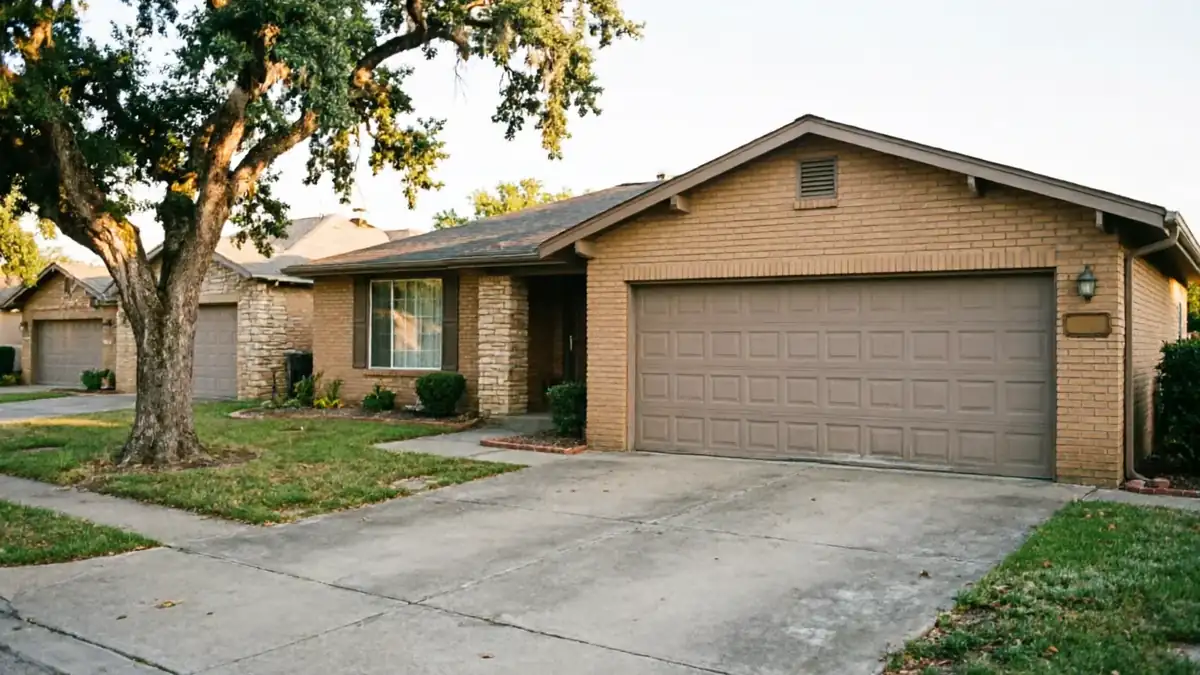
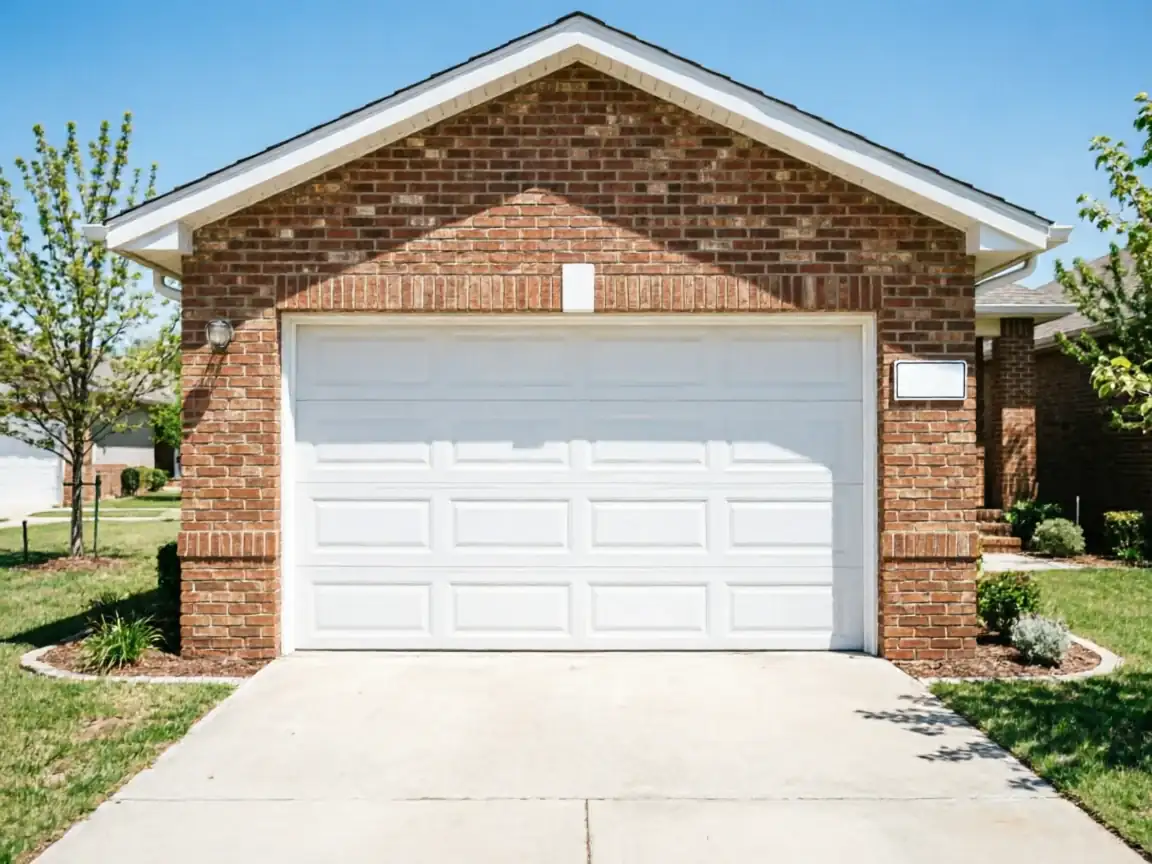
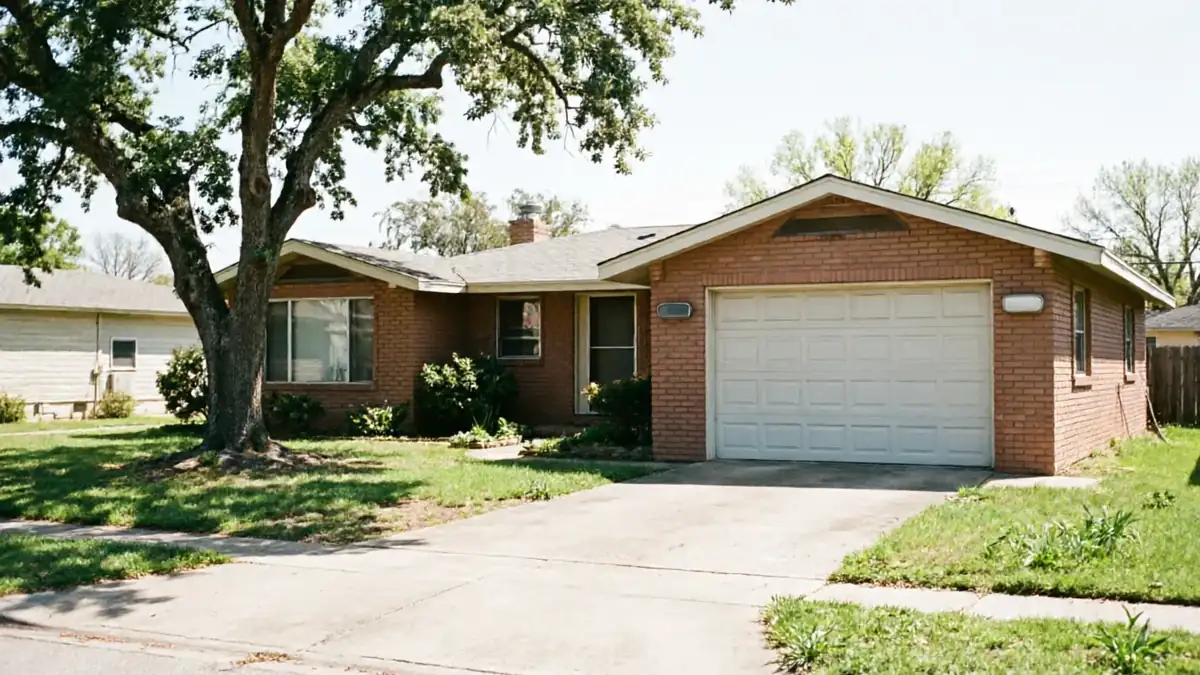
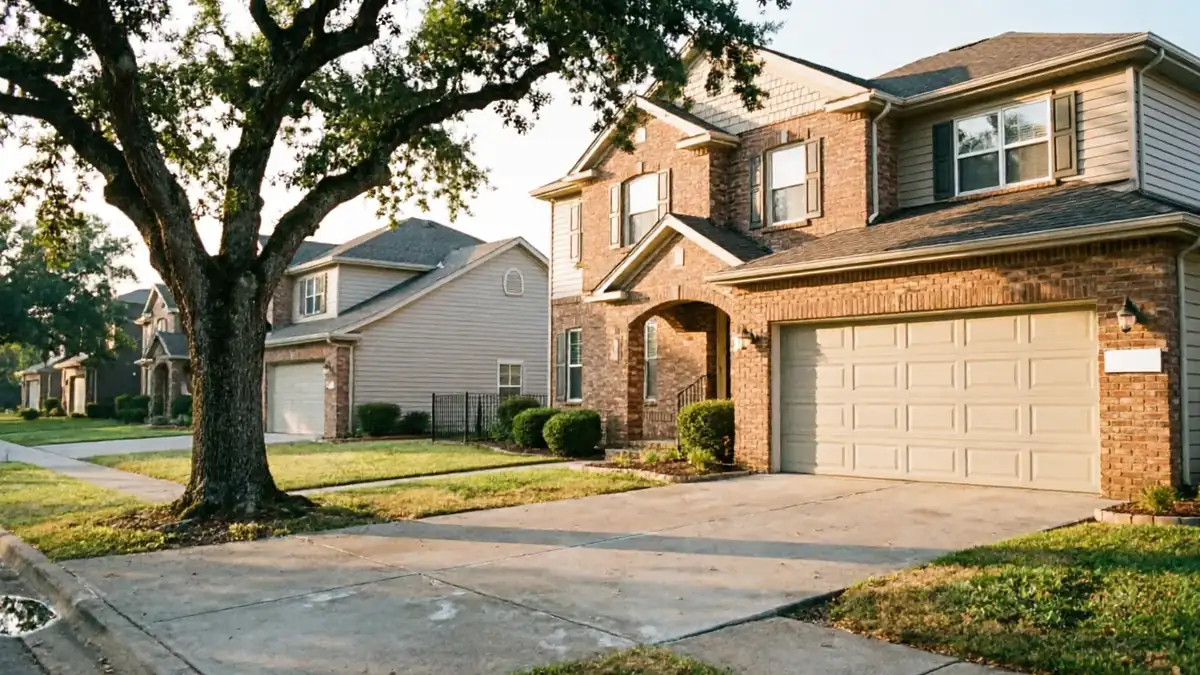
Most of our coverage area has a median build year of 1987, but Sienna is a different animal. The median house here went up around 2007, two full decades newer than the typical home we service elsewhere. That gap matters more than it sounds like it should. A door built in 2007 isn't fighting the same wear pattern as one built in the 1980s - the steel gauges are different, the opener drive systems are different, and the torsion spring winding cones on a 2007 install are not the same part number you'd pull off an '80s door.
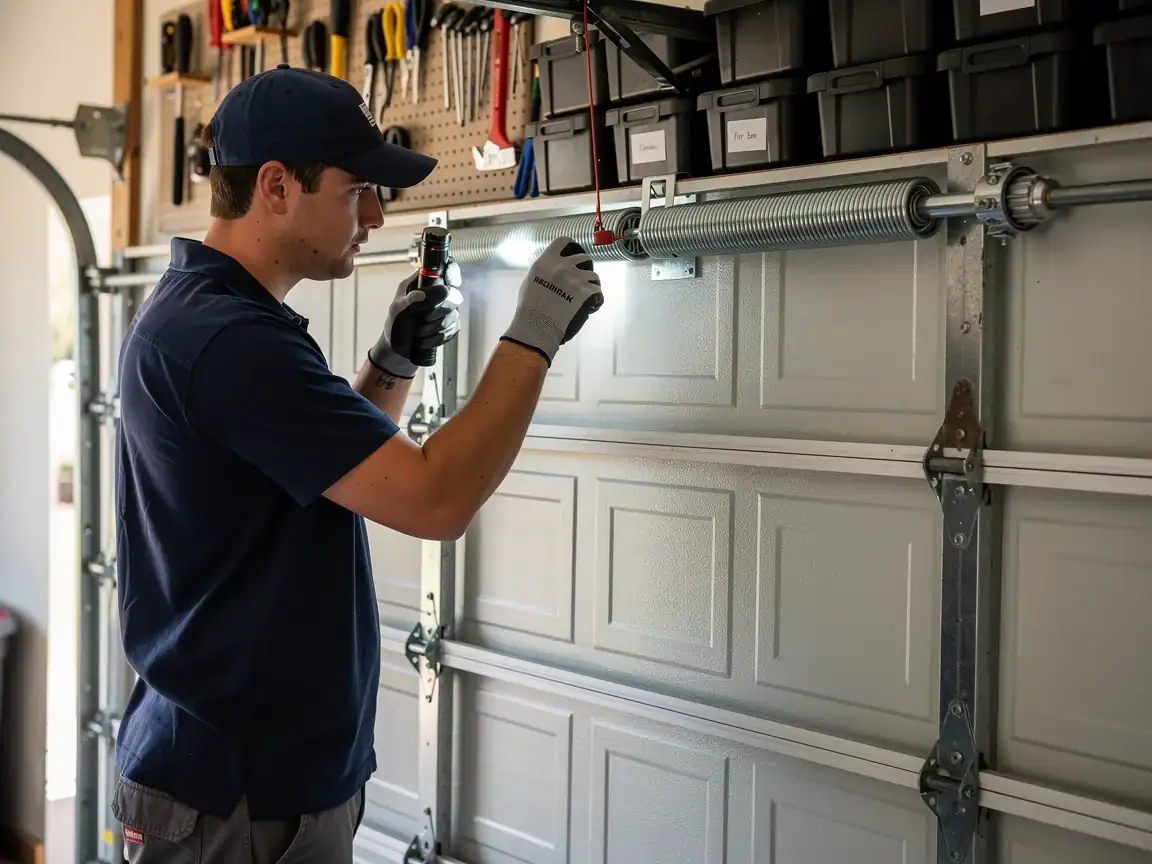
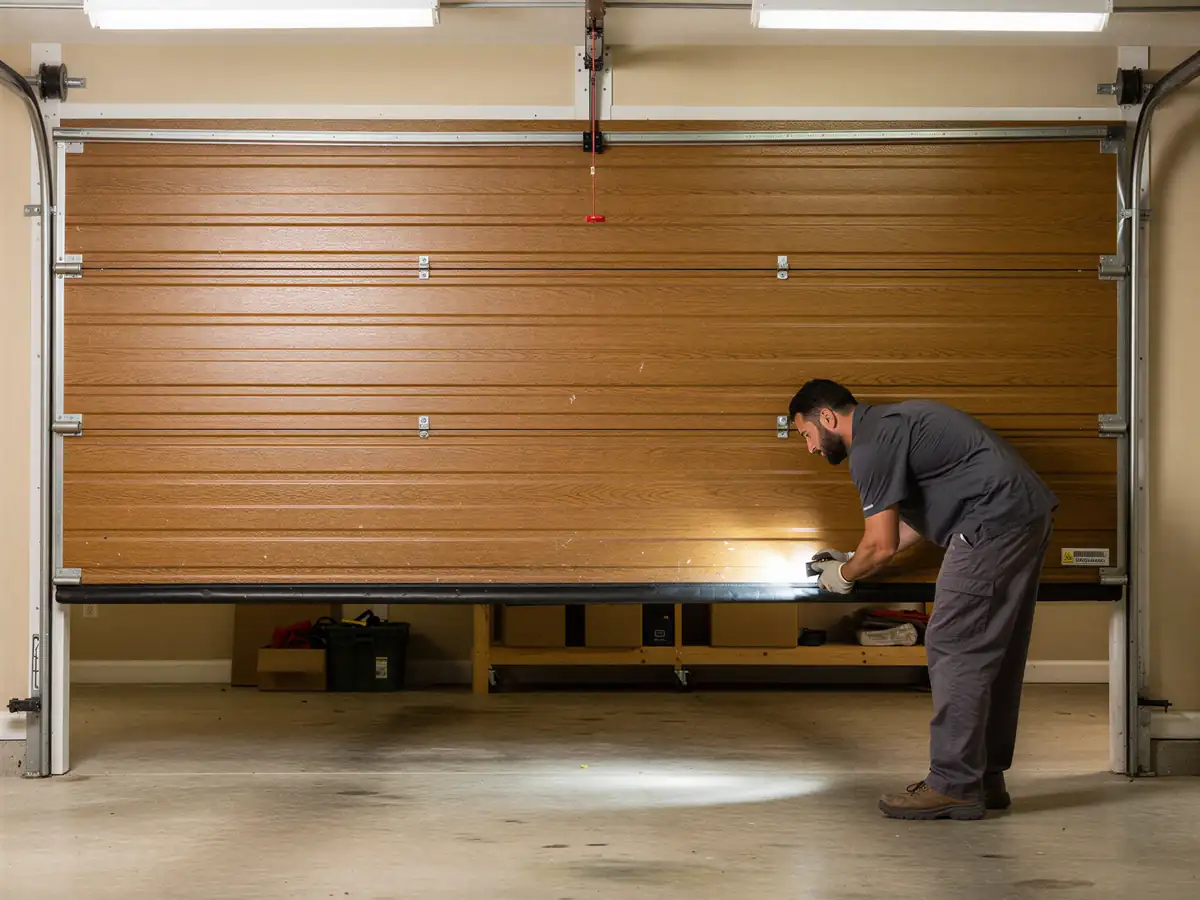
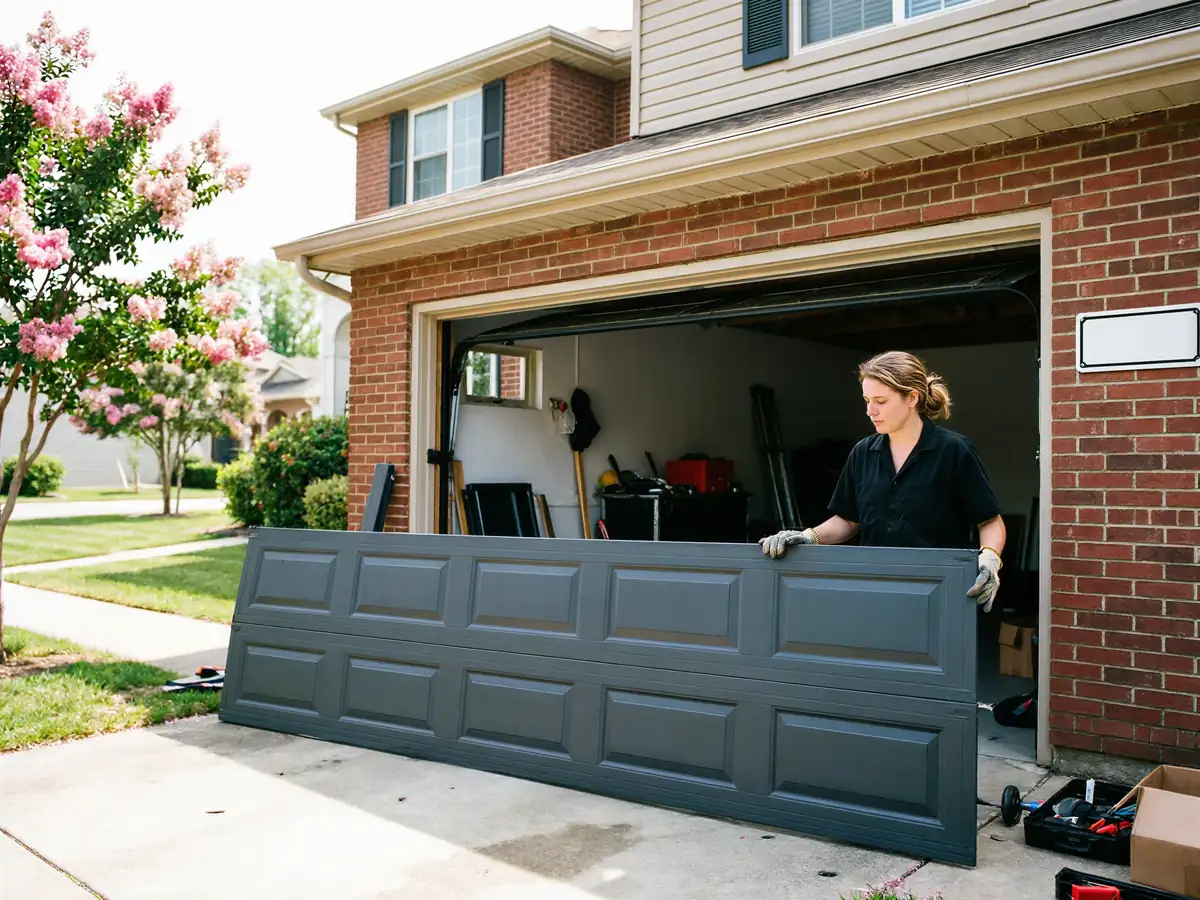
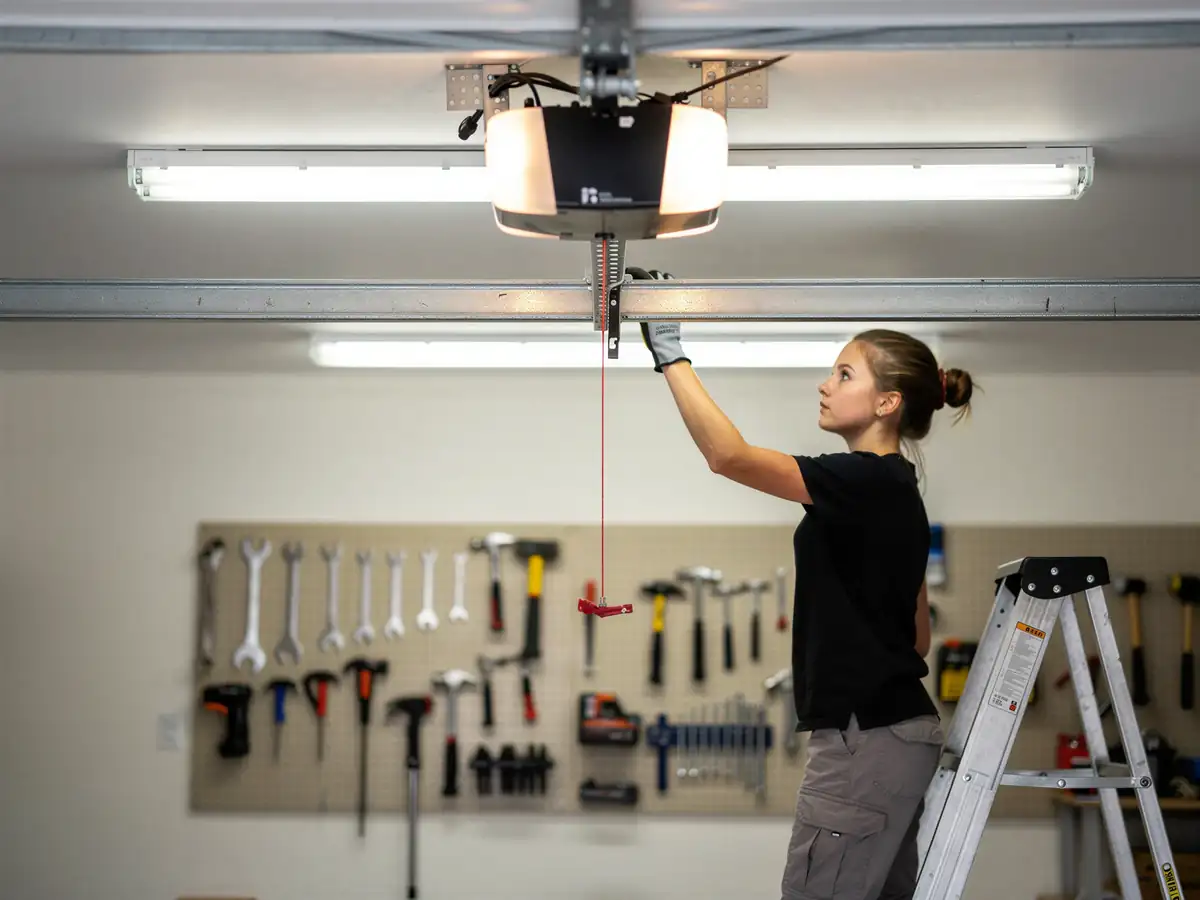
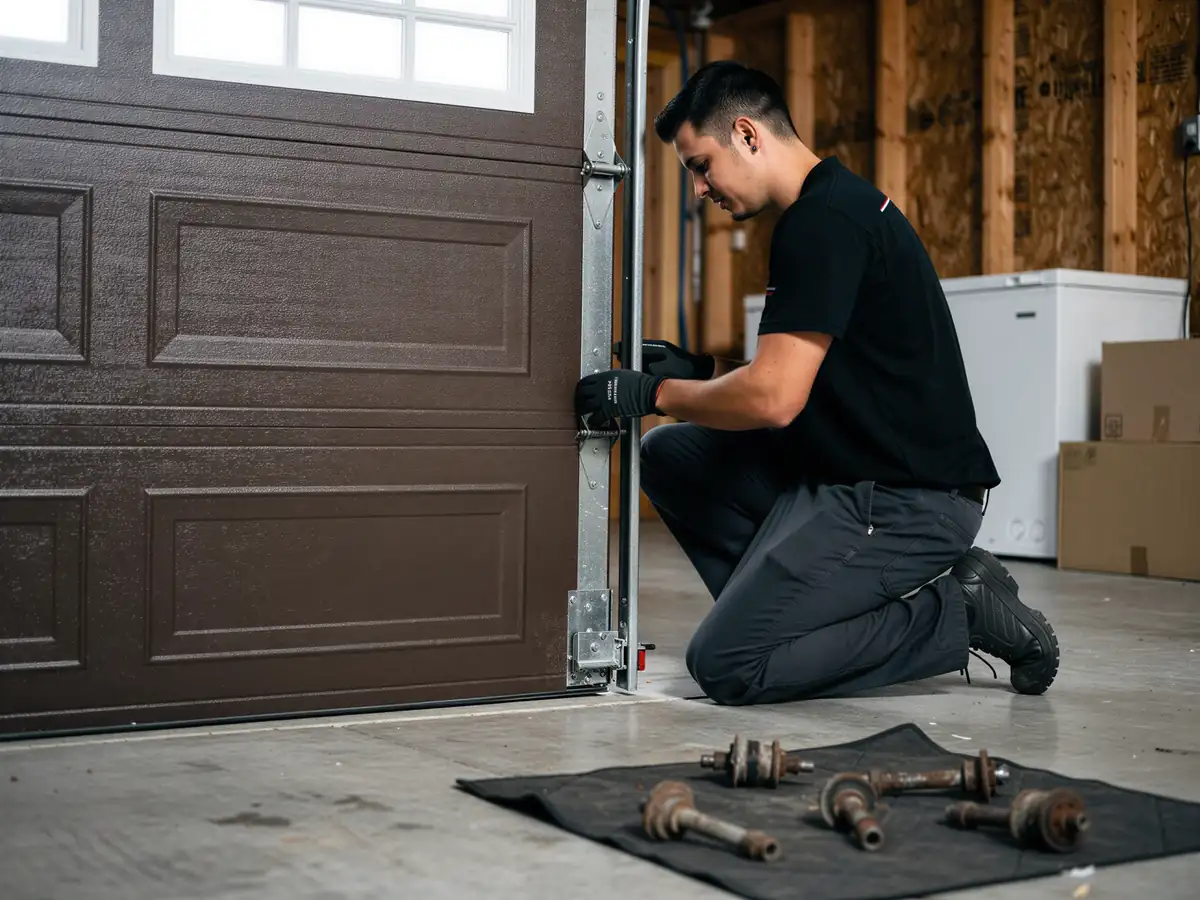
What this means in practice: when we get a call from Sienna, we're usually not dealing with a door that's simply worn out from age. We're dealing with a door that's 15-18 years old and hitting the first real failure point for hardware of that generation - the first torsion spring replacement, the first opener logic board going flaky, the first time a photo-eye sensor finally corrodes enough to misfire. It's a different kind of job than the one we run across town on an older street.
We don't guess at a build year on a specific block - we go by what the stock generally reflects and confirm on site.
Where We Stop
We run out of Friendswood, and Sienna sits about 18 miles out, which puts it on the far edge of where we schedule calls. We don't have a location or a yard in Sienna - every truck headed your way is coming from Friendswood, so if you're calling first thing on a weekday, factor that drive into when we can realistically get there.
This isn't a case where we're guessing at the distance either. Sienna is one of the farther stops on our map compared to closer-in spots like Nassau Bay or Taylor Lake Village, which sit closer to Friendswood. We still take the call and still make the trip, but we want you to know up front that it's a longer haul than some of our other coverage, not a same-block service.
How That Shows Up in the Door
Because most Sienna homes were built well after 2000
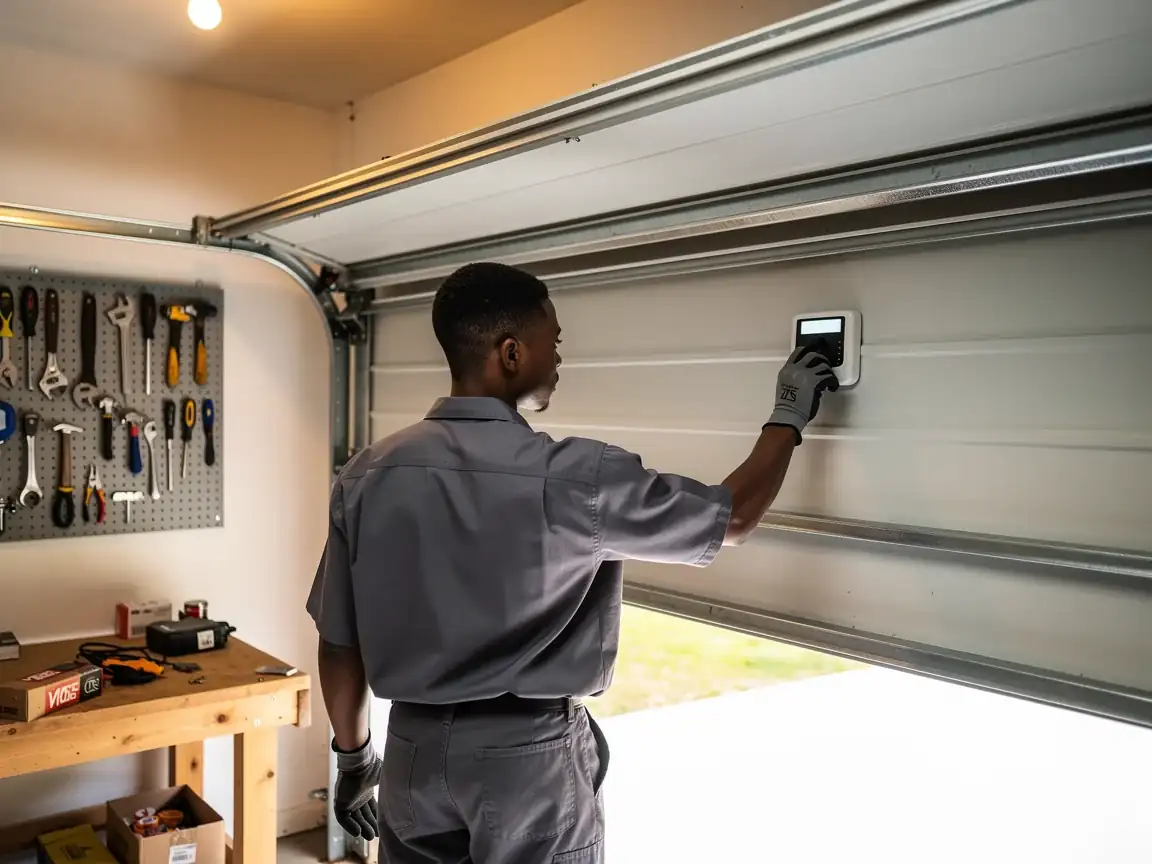
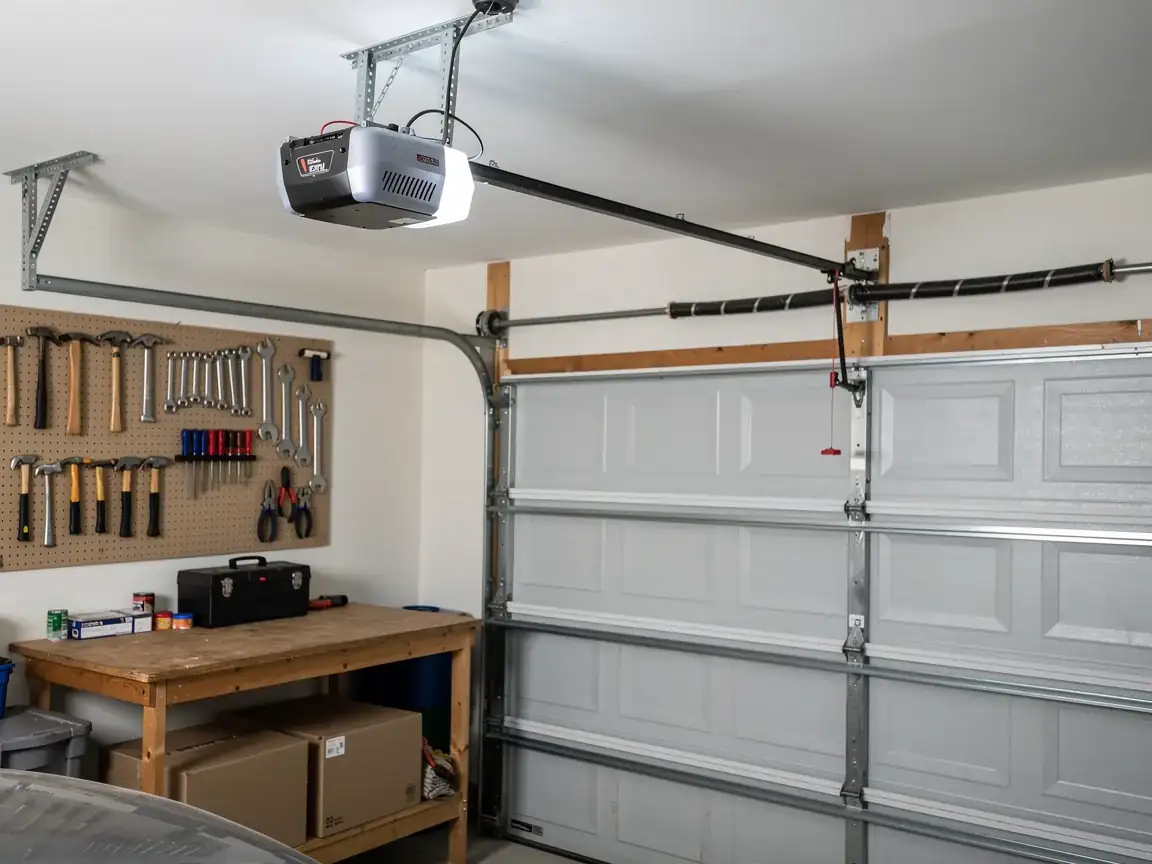
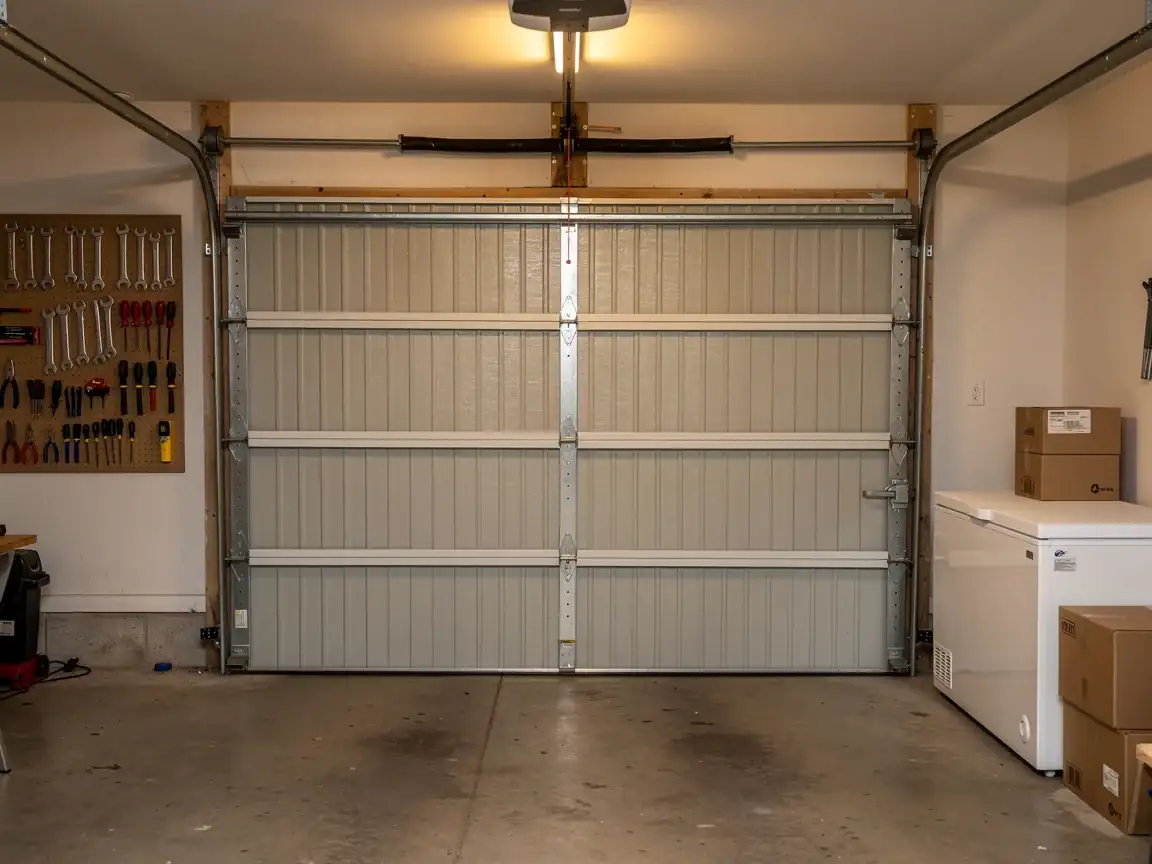
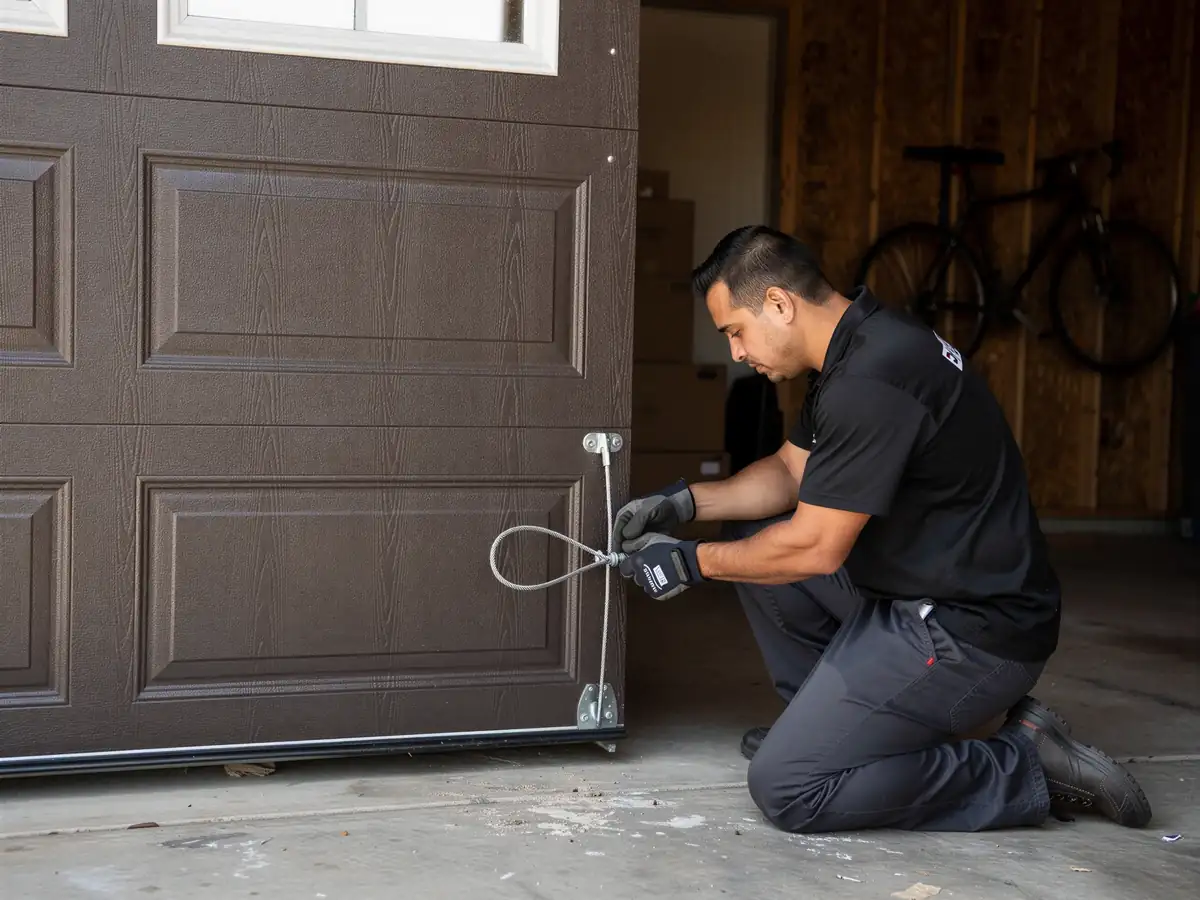
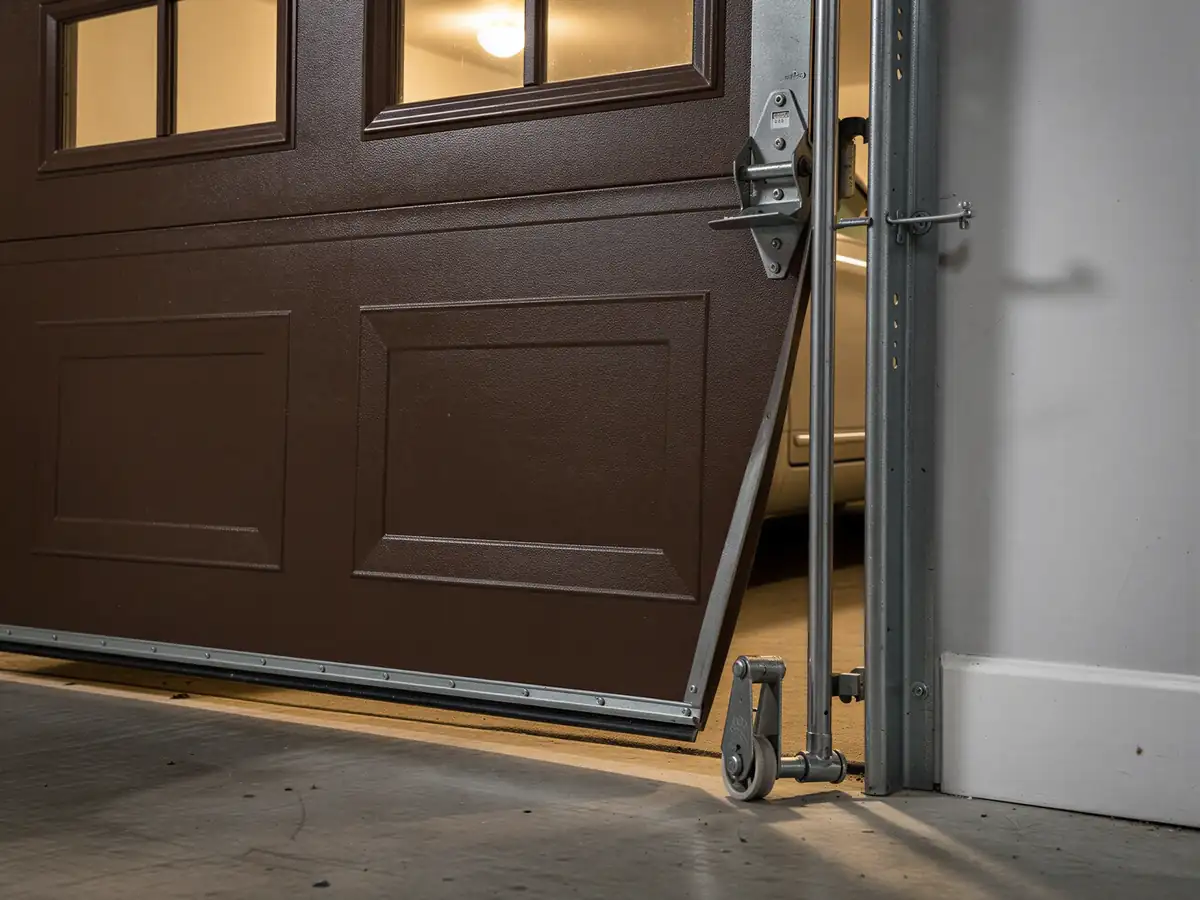
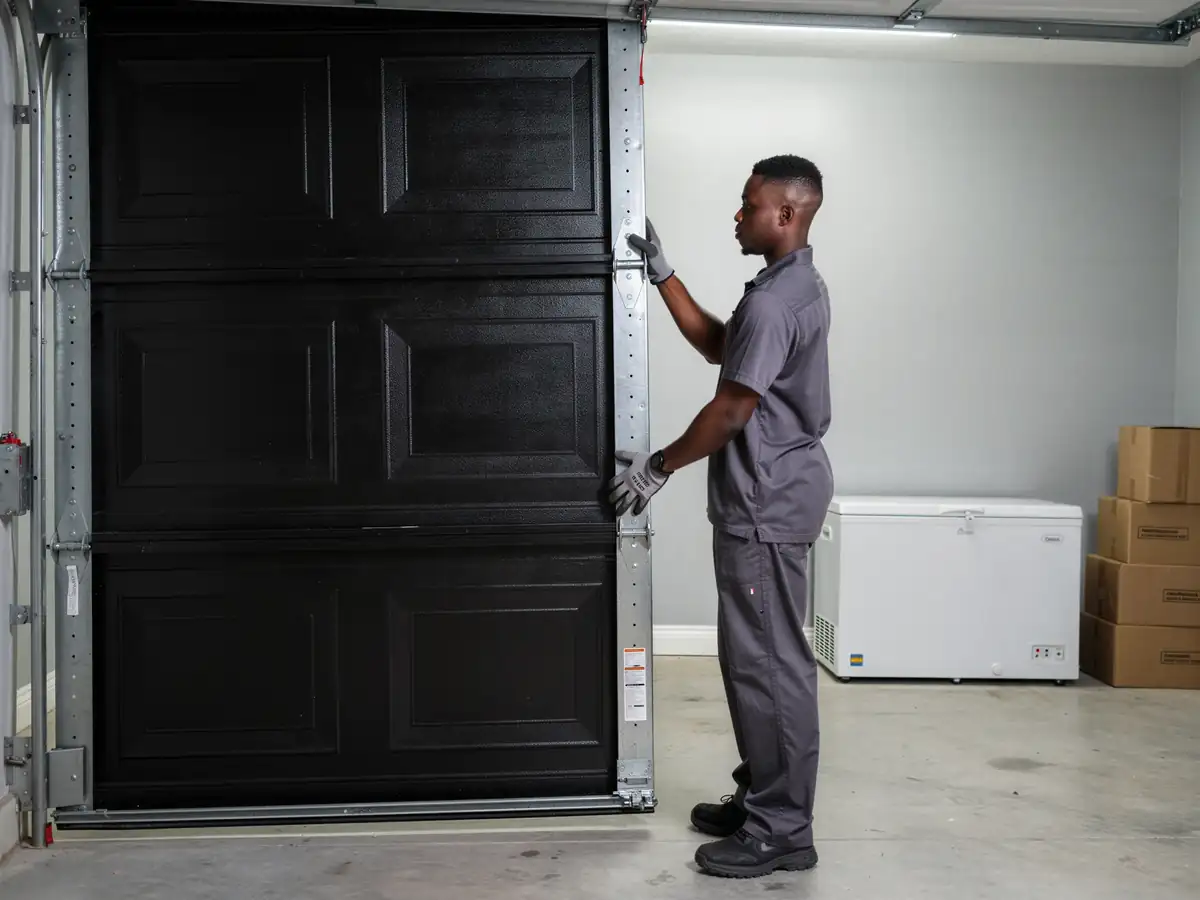
The garage doors we find out there are almost always factory steel sectional doors on standard torsion springs, not the older extension-spring setups you still see on pre-1990 houses elsewhere. The failures look different too. We see opener circuit boards and logic failures more than we see worn-out jackshaft hardware. We see plastic idler pulleys and nylon rollers cracking from heat cycling rather than steel rollers rusted solid. We see photo-eye sensors knocked out of alignment from a bump, which is a five-minute fix, instead of a full spring and cable replacement, which isn't.
- 1990 houses
The honest limitation here
If your opener is one of the early 2000s belt-drive units with a discontinued logic board, we may not be able to get that exact board. In that case replacing the opener head is usually cheaper and faster than chasing a part that's not made anymore. We'll tell you straight if that's where you land before we start billing hours on a part search.
This Area's Housing
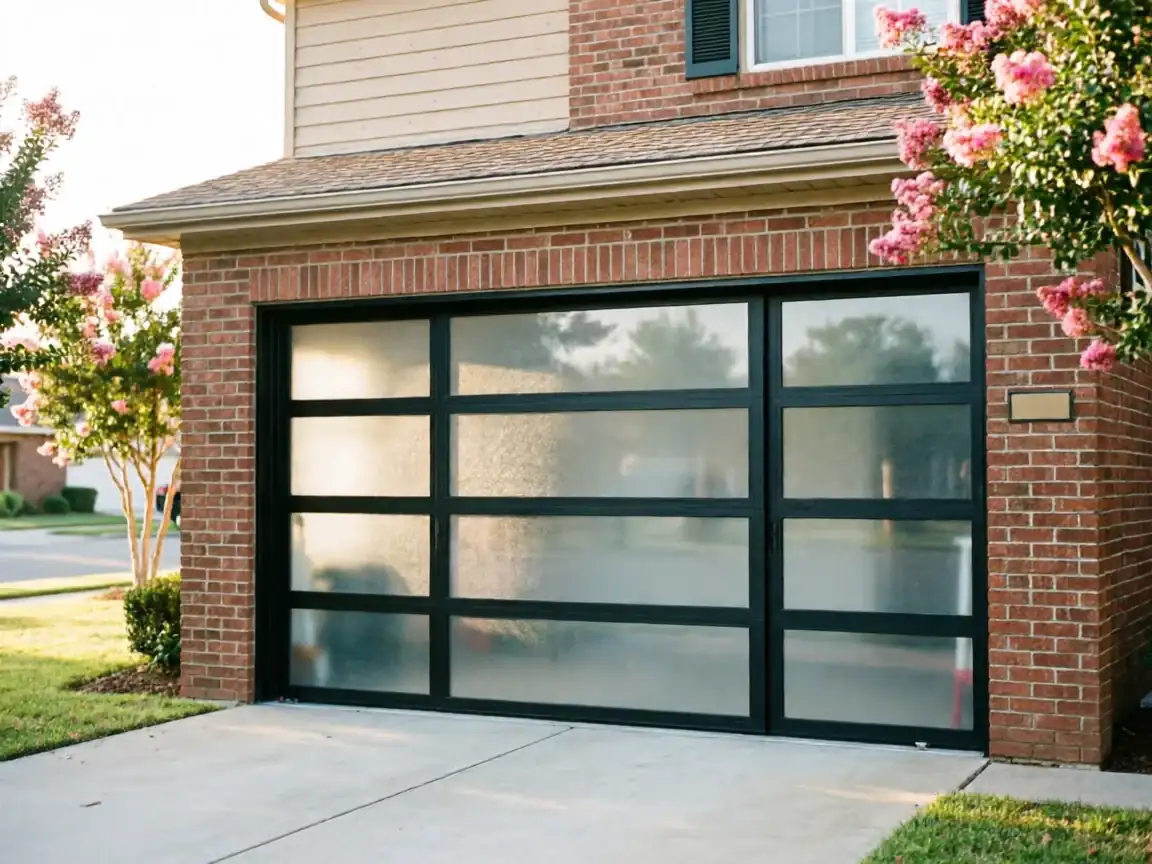
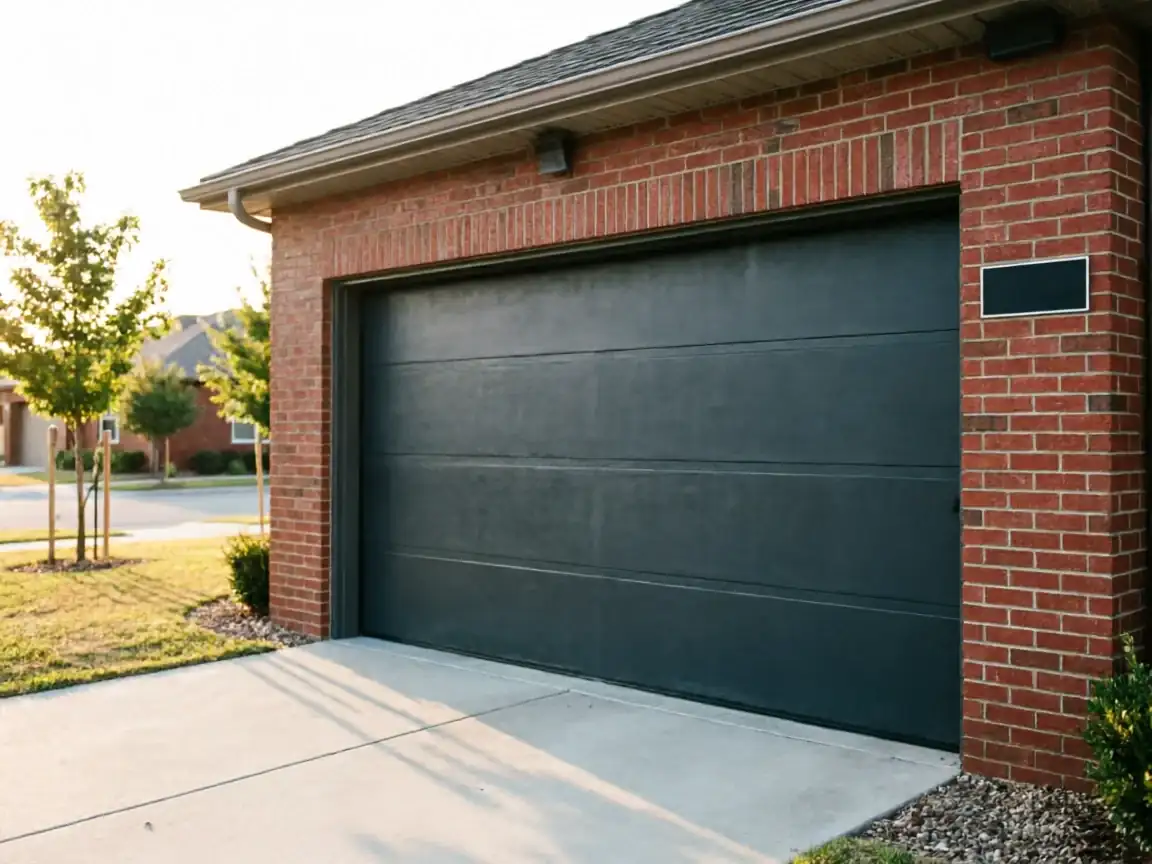
Sienna runs about 7,076 households with a median household income near $171,709, well above the roughly $82,018 median across our wider service area. That income gap shows up in the doors themselves - we see more insulated steel doors with factory-installed windows, more heavier-duty openers rated for taller two-car doors, and more homes where the owner wants a repair done right rather than patched to get by one more winter.
It also means parts availability tends to be better, not worse. Newer doors use currently-stocked spring sizes and hardware, so when something breaks, we're not searching for an obsolete part the way we sometimes do on an older street. If you're in Sienna and your door is acting up, odds are decent the fix is a standard part we carry on the truck, not a special order.