The Complications
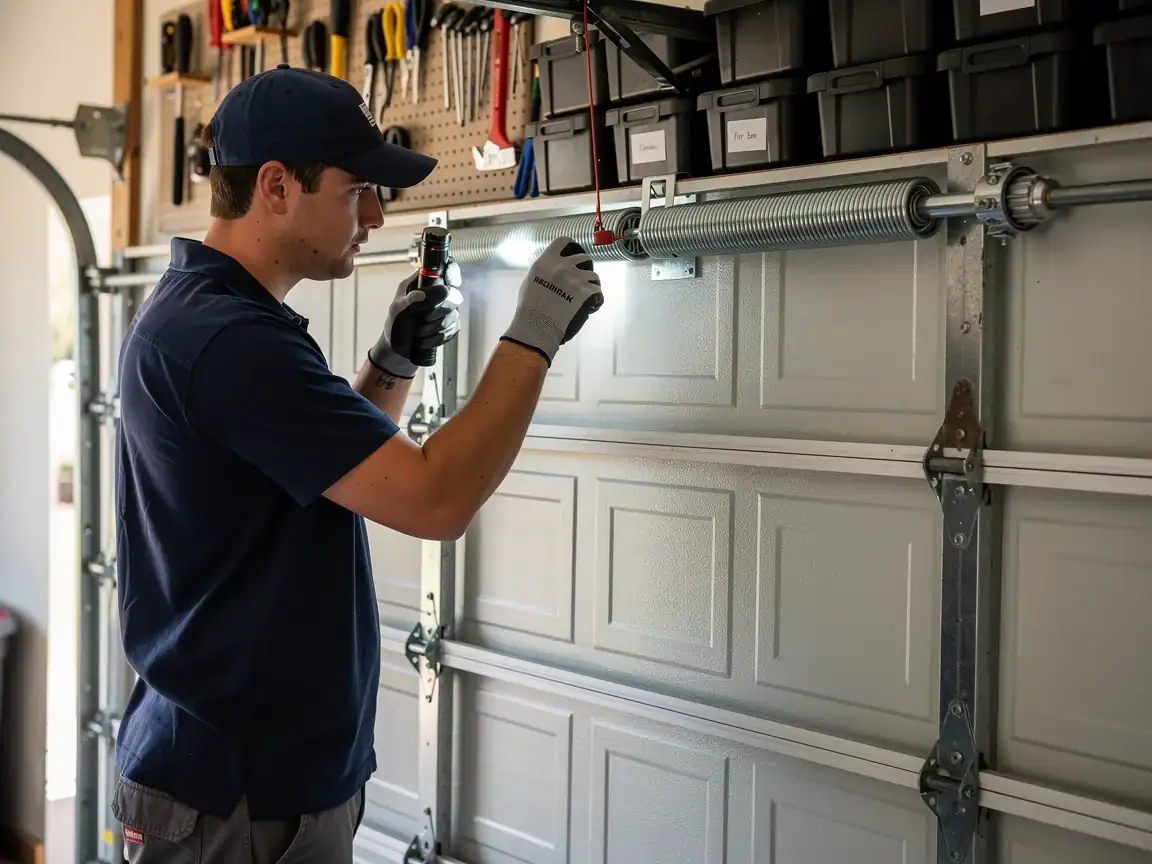
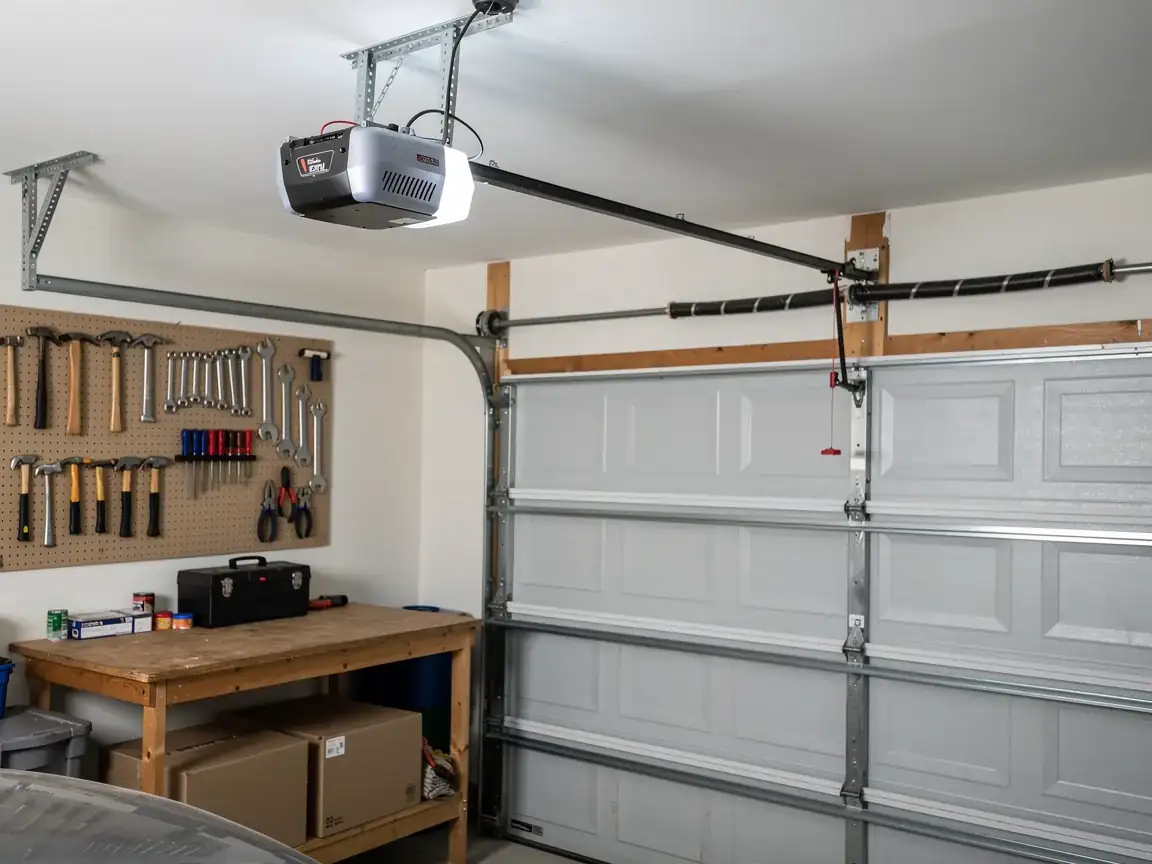
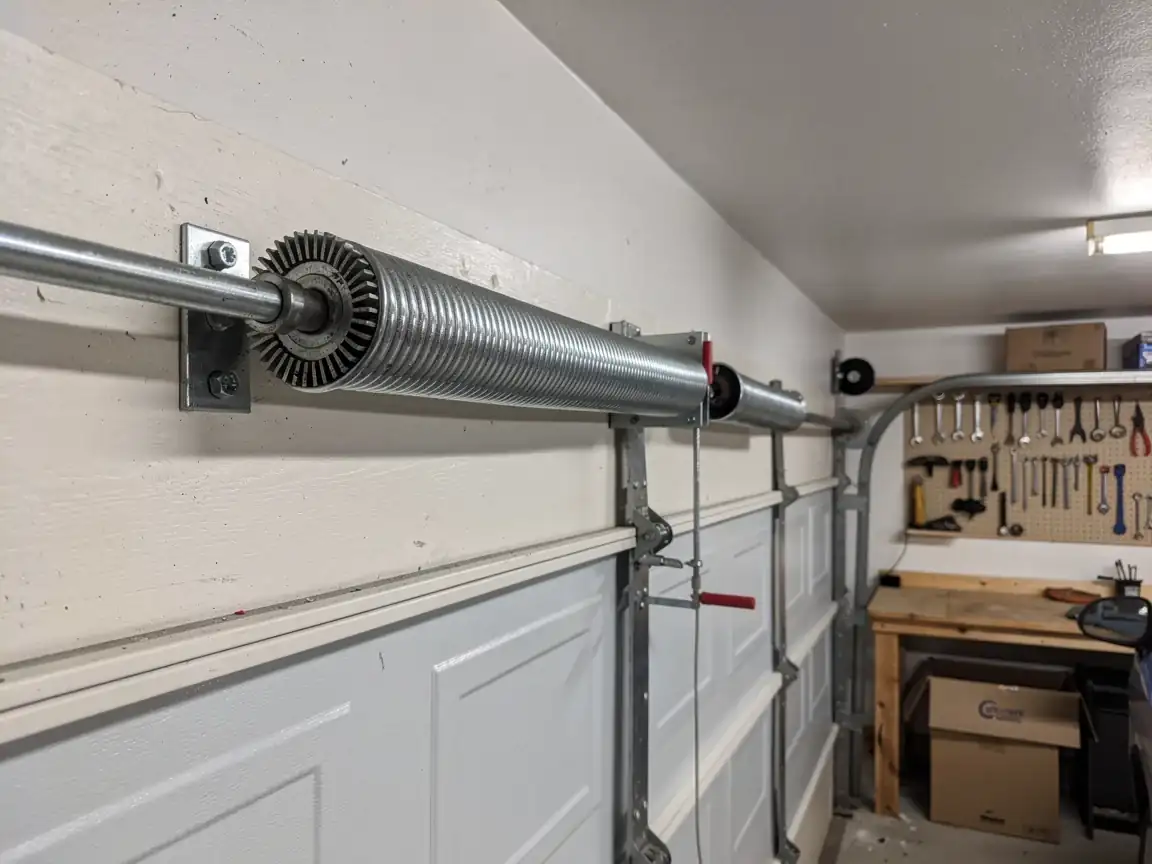
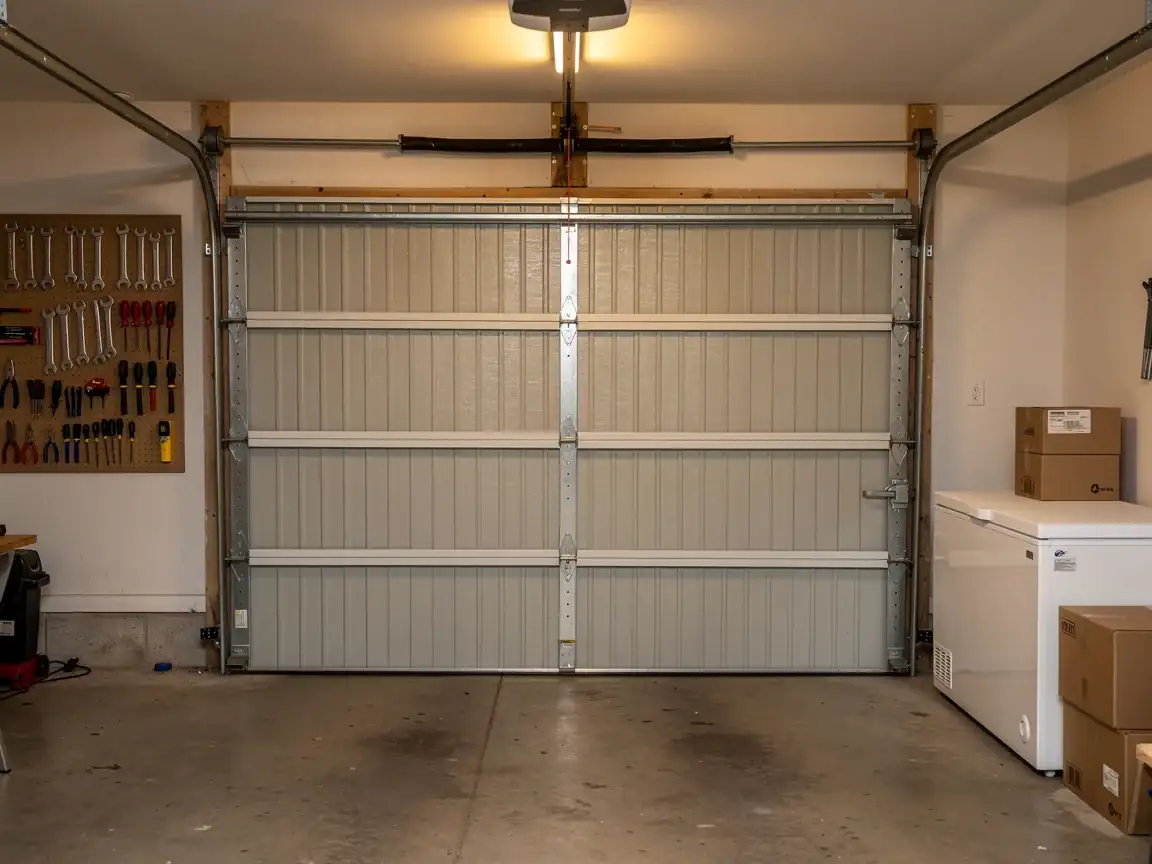
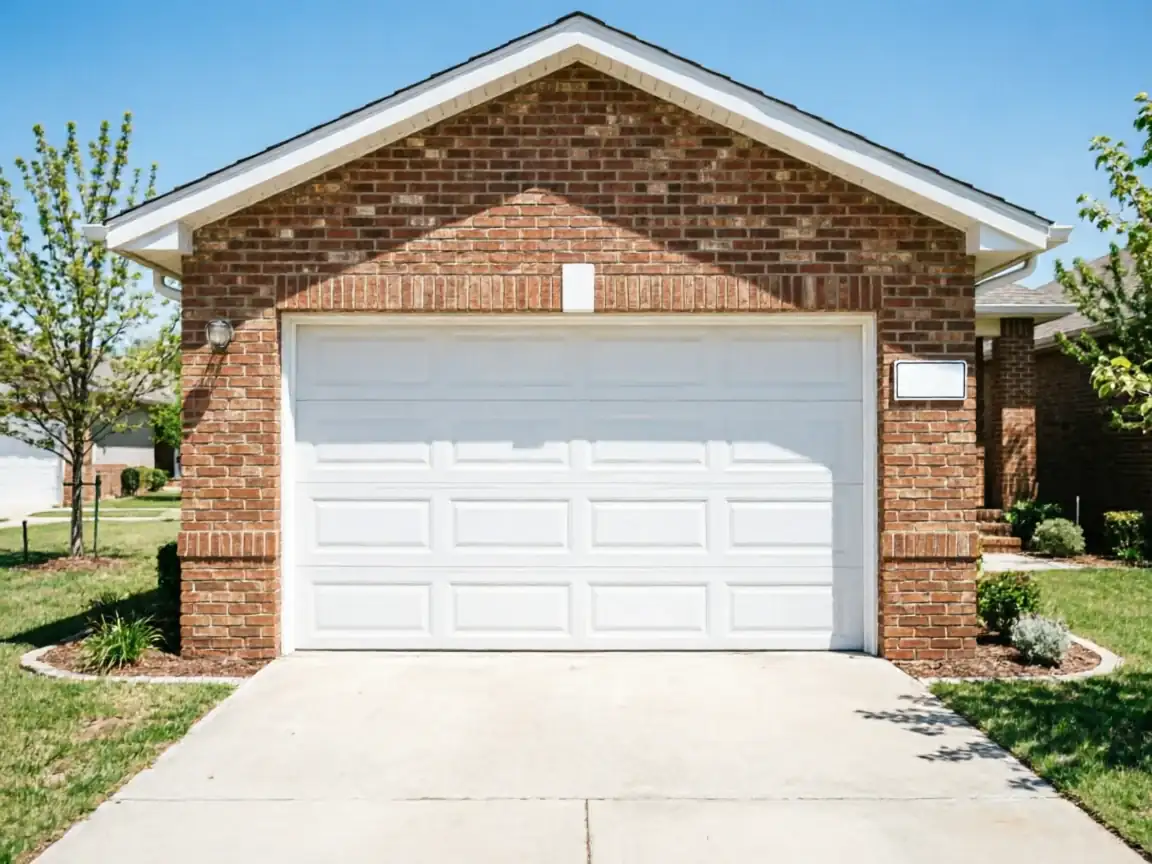
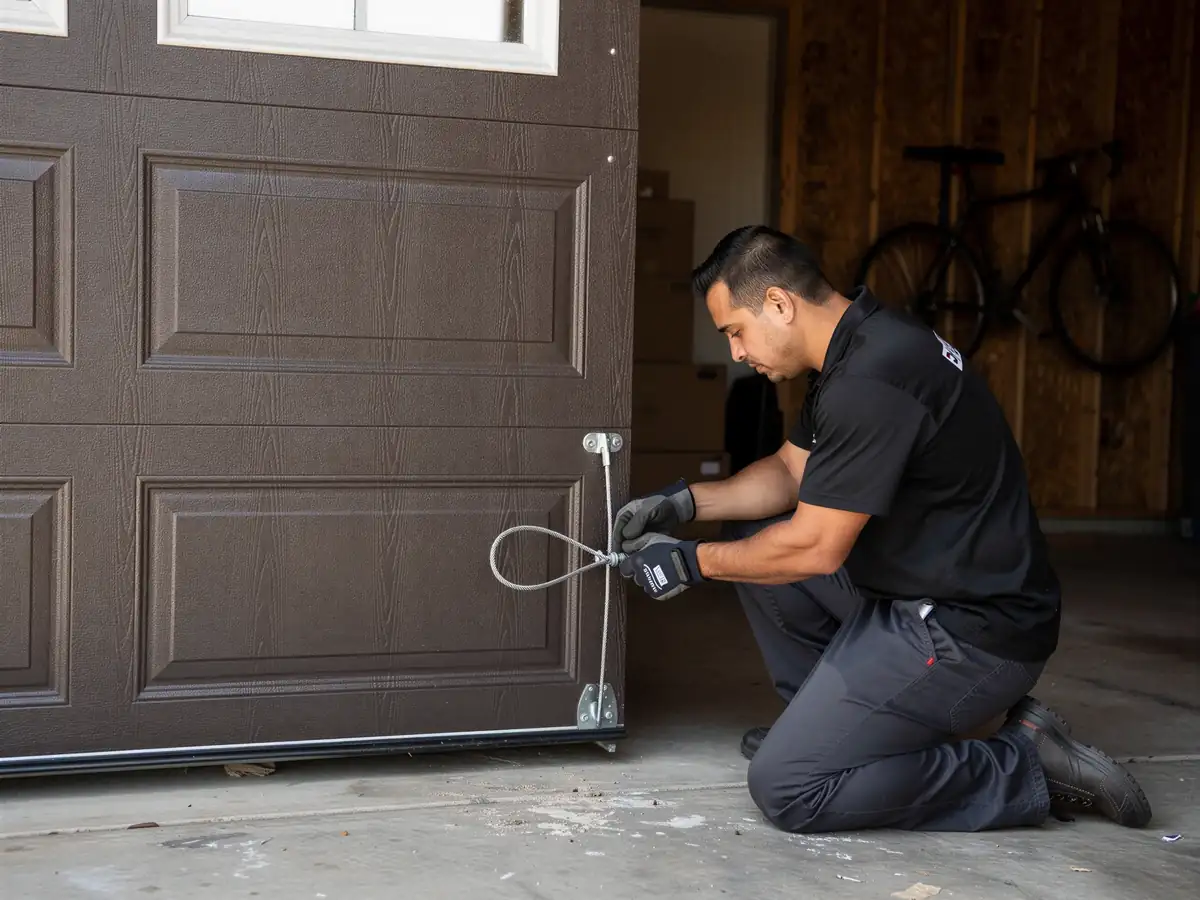
Across the wider Friendswood service area, homes went up anywhere from 1956 to 2014, with a median around 1987. West University Place's own building push landed a few years later, centering on 1991. That matters because 1991 was right at the tail end of extension-spring installs on steel sectional doors, before torsion hardware became the default on new construction. If your door is original to the house, there's a decent chance you've still got two extension springs stretched along the horizontal tracks instead of a single torsion spring over the header. Extension springs are cheaper to install but they don't age the same way - the cables that run through them fray, the pulleys wear oval instead of round, and the safety cables that are supposed to catch a broken spring are often missing entirely on doors this old, because they weren't code-required when the door went in. We travel about 20 miles from our Friendswood base to work in West University Place, and the call we get most from this part of town is some version of 'the door won't open' tied straight back to that original hardware.
What You Are Seeing
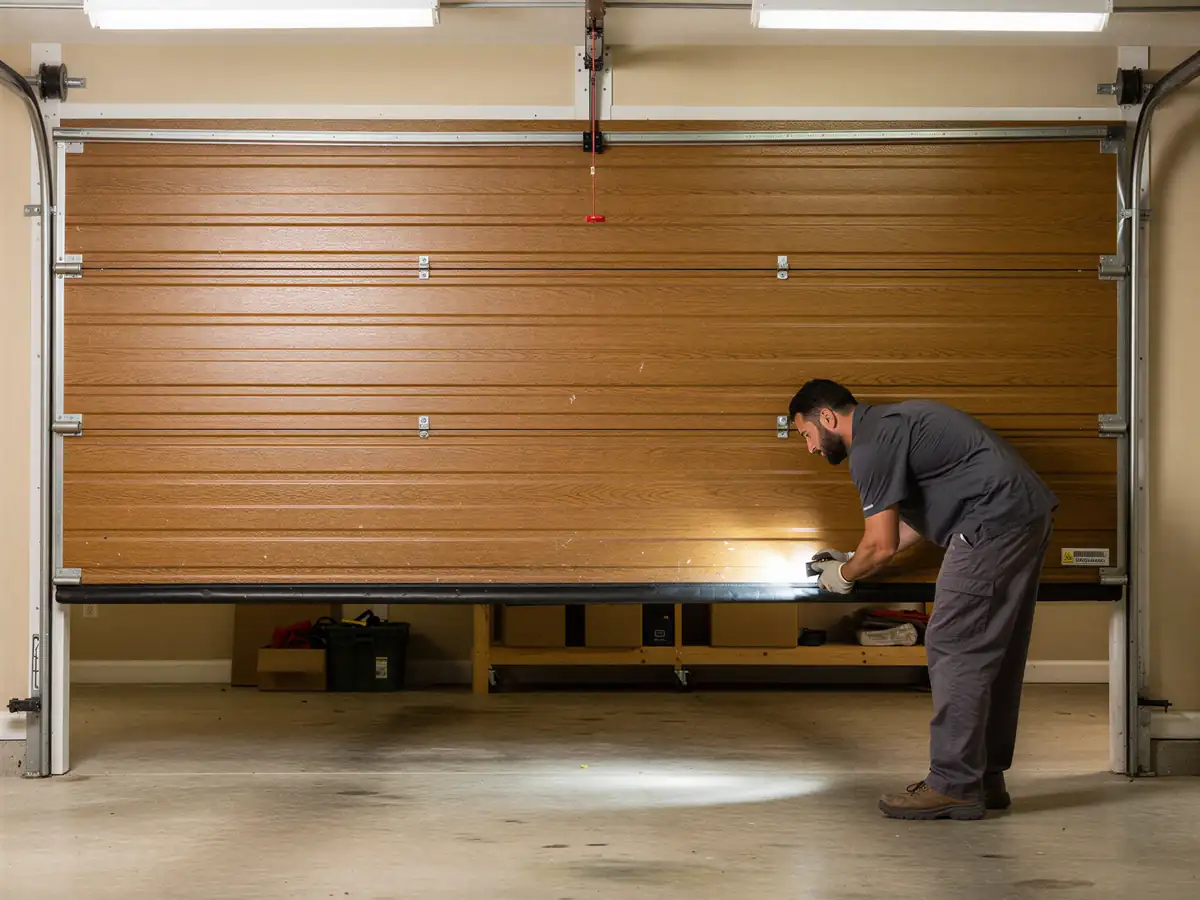
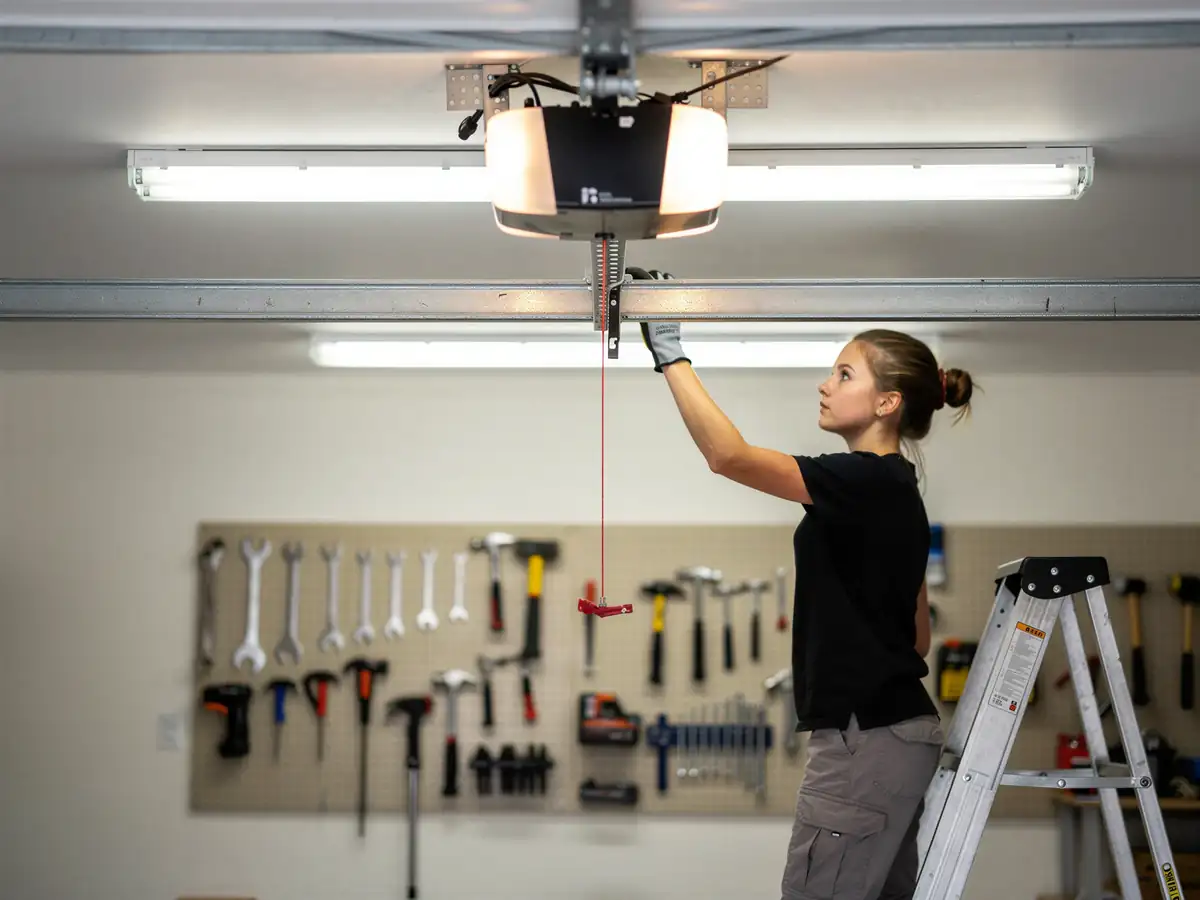
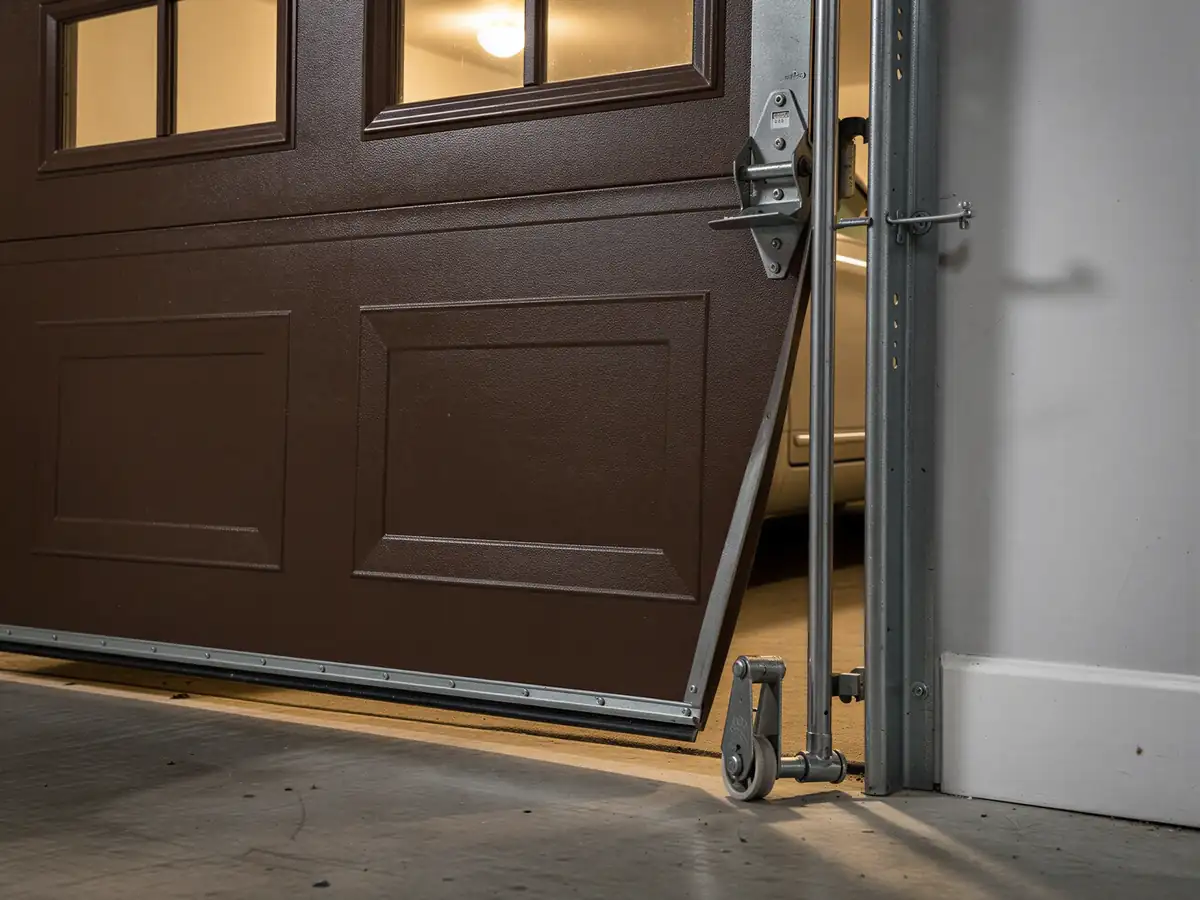
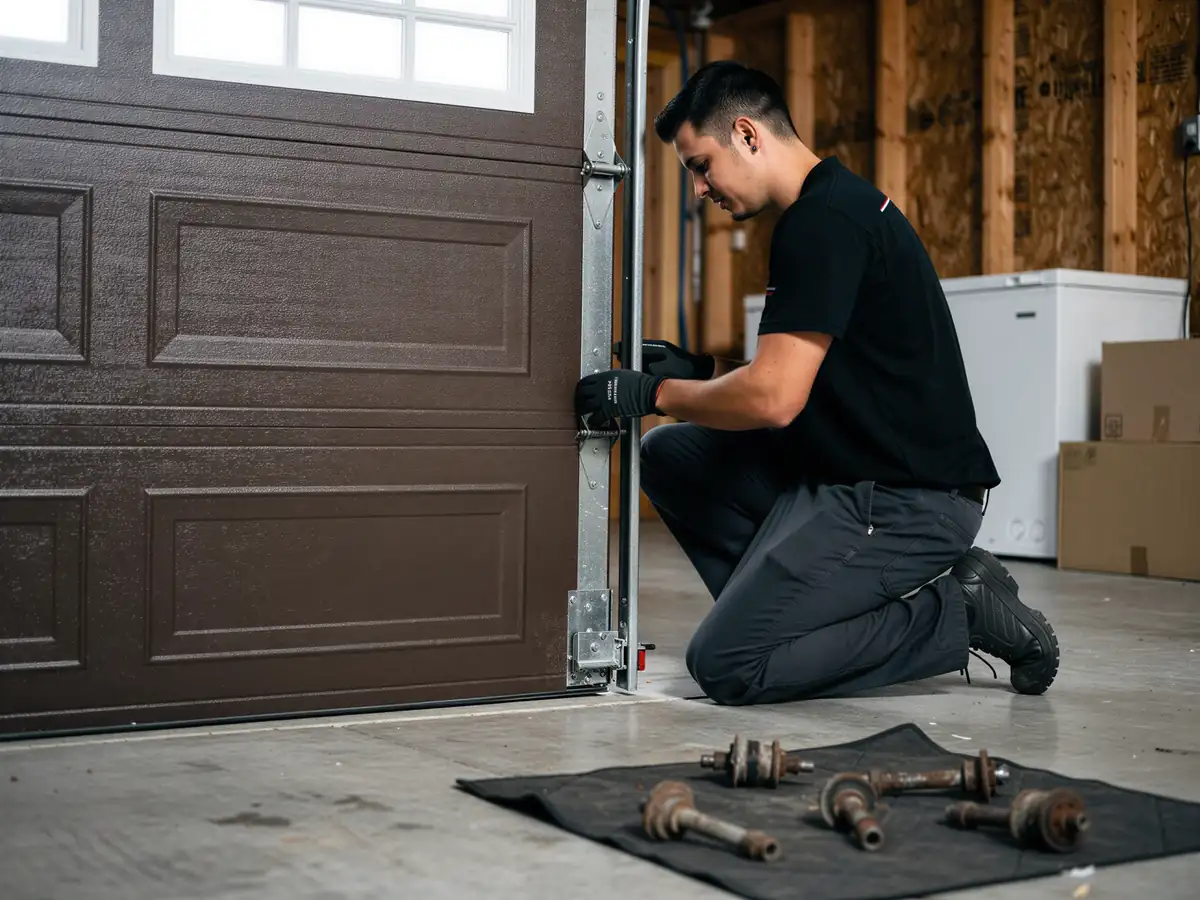
A door that slams down the last foot of travel instead of settling is usually a sign the extension springs have lost tension - they stretch less than they used to, so the opener (or your arm, on a manual door) is doing more of the lifting near the bottom. A loud bang followed by the door refusing to move at all is often a snapped cable or a spring that's let go completely. On steel doors from this era, you'll also see rollers that have gone from round to flat-sided, which shows up as a door that shudders or jumps in the track rather than gliding. If the opener is original too, intermittent operation - working sometimes, not others - is frequently a worn logic board or a remote that's lost its code, not the door itself.
What You Pay
We don't post flat prices here because spring count, torsion conversion, and panel condition change the number too much to quote blind. What's worth knowing locally: West University Place's median household income sits at $250,001, well above the $82,018 median across the rest of the Friendswood service area. In practice that means more owners here opt for the torsion conversion and full roller replacement up front rather than a minimal spring swap meant to buy another year or two - it's a different repair-versus-replace calculation than we see in older, lower-turnover parts of the service area. We'll still give you the cheaper option if that's what you want; we just won't assume it's what you want.
Time on the Job
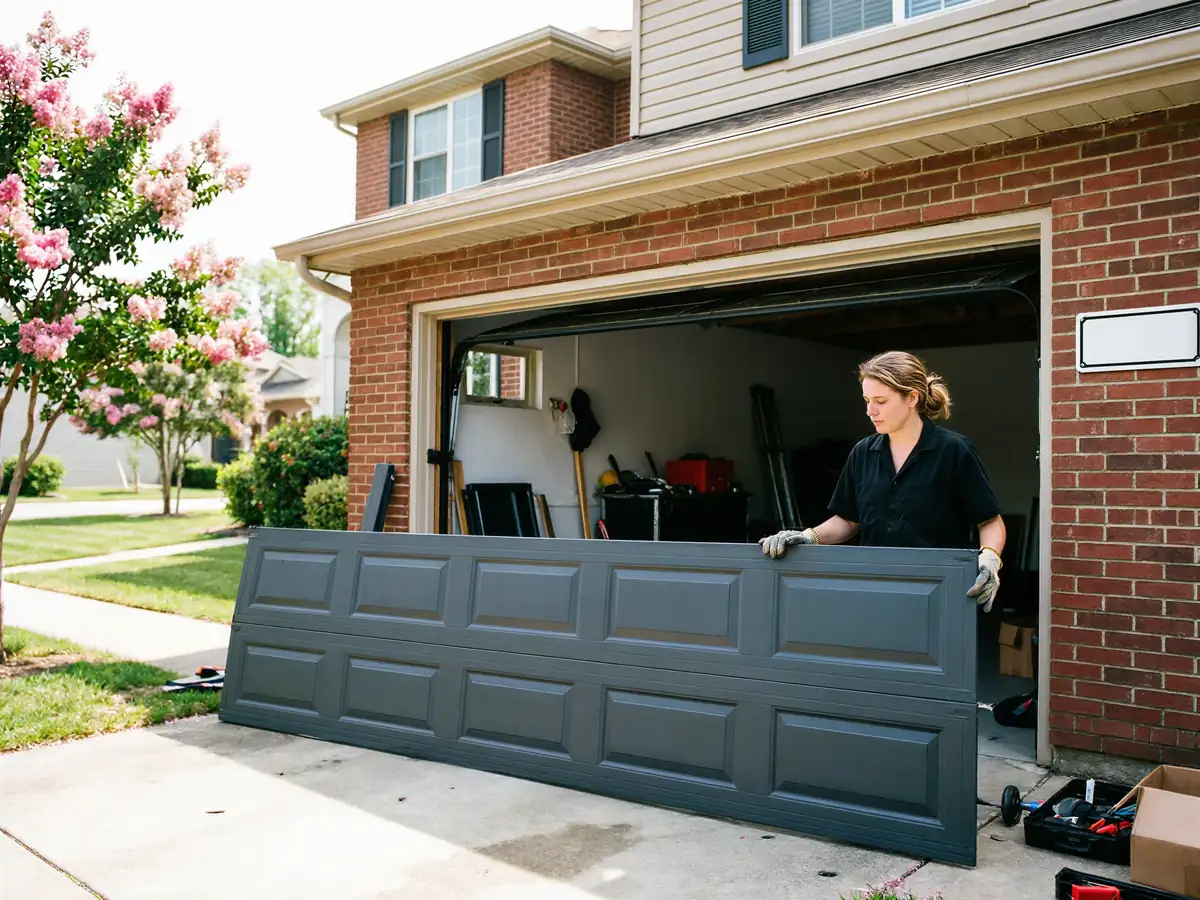
Most spring and roller work on a single door is a same-visit repair once we're on site - it's not an overnight job. The variable in West University Place isn't the work itself, it's the drive: at roughly 20 miles from Friendswood, we build that travel into scheduling rather than treating it as incidental. A torsion conversion takes longer than a straight spring swap because we're also replacing the header bracket and drum setup, so if you're combining that with new rollers and a cable replacement, expect more time on site than a simple 'door won't open' call.