The Complications
The fault we see most in West University Place isn't a dead remote or a door that won't budge - it's an opener that half-works. It runs partway, reverses for no reason, or grinds before it stalls. That pattern points to a logic board losing its mind or a drive mechanism wearing past the point where lubrication helps.
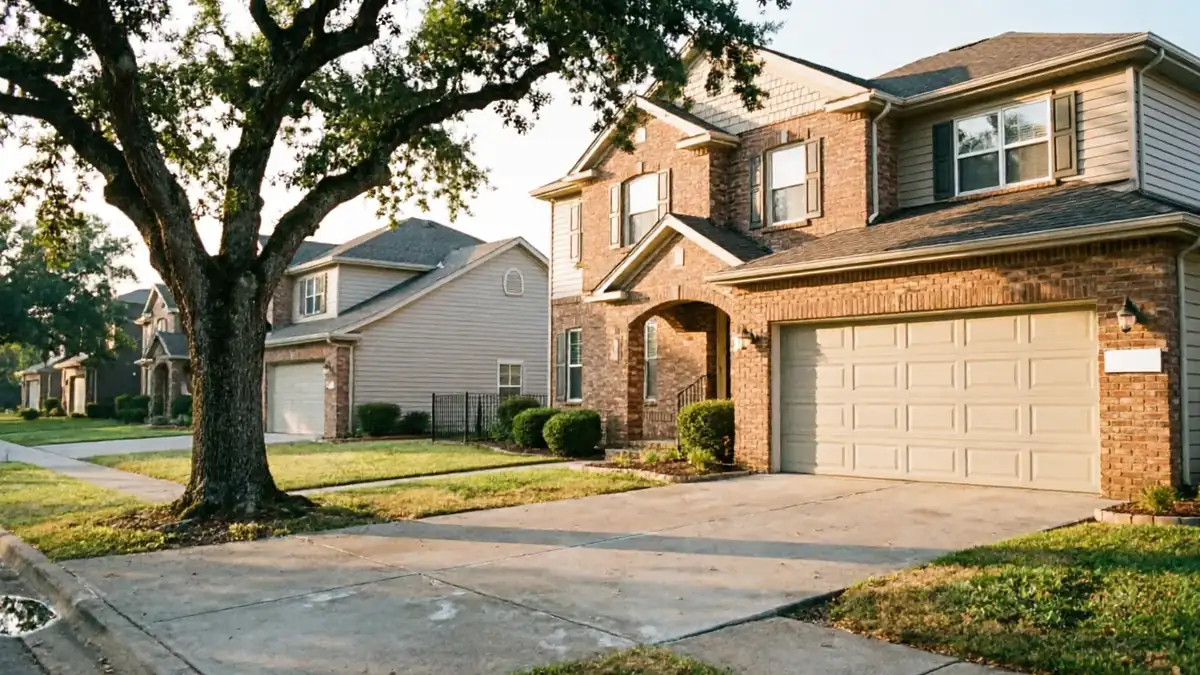
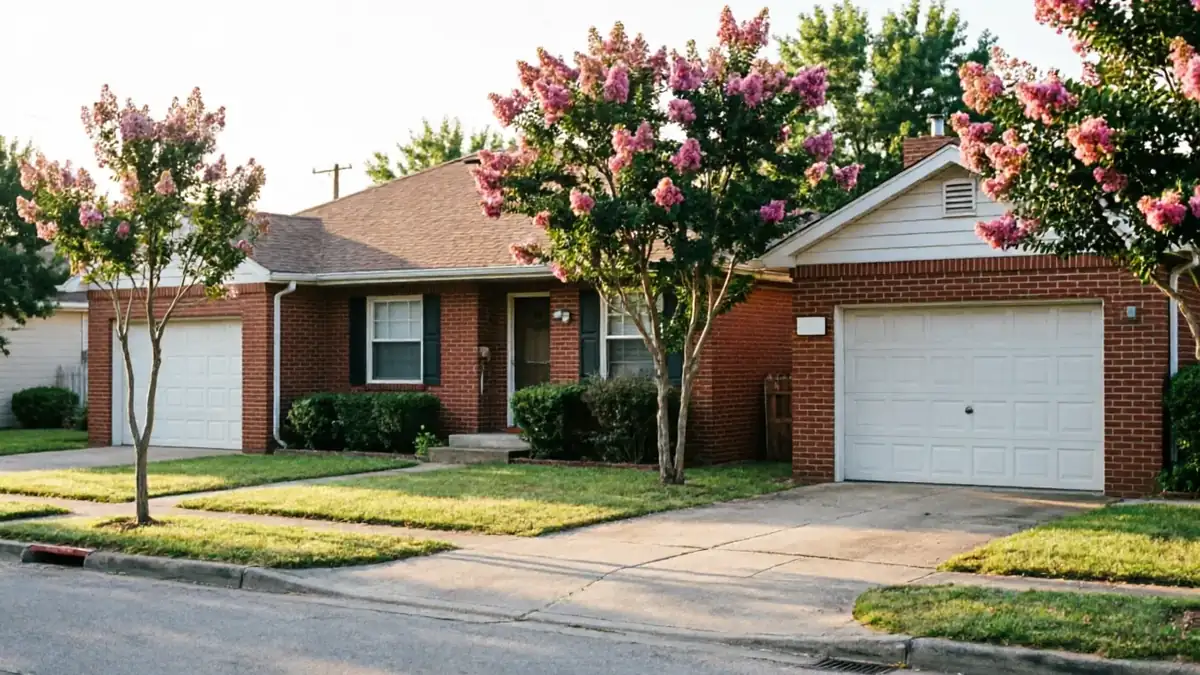
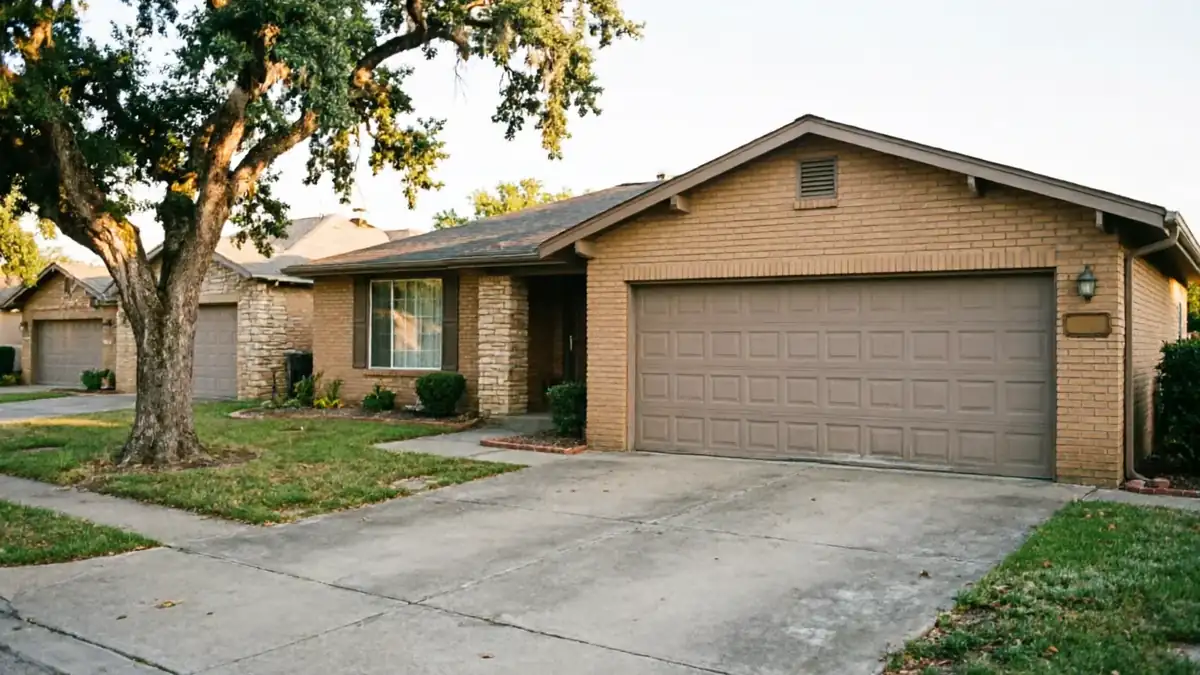
Housing in this part of the service area runs newer than a lot of what we cover - most of it went up around 1991, which puts these openers squarely in the chain-drive and early screw-drive era, sometimes upgraded once already to a belt unit. That means the common failure here isn't the ancient AC motor you find in 1960s stock elsewhere in the area - it's a control board or a drive gear that's simply hit its service life. We're honest about that: a 30-year drive gear is not a part worth nursing along once it's chipped.
The other wrinkle is distance. West University Place sits about 20 miles from our Friendswood base, so when we come out, we come prepared - we're not making a second trip for a part we should have brought the first time.
What You Are Seeing
Most calls start with one of three things: the opener runs but the door doesn't move, the door reverses right before it closes, or the remote works sometimes and not others. On a unit from the early-90s construction wave common here, that's usually a worn drive gear (plastic, and it does fail), a logic board that's lost its memory of the travel limits, or a safety sensor that's drifted out of alignment over the years.
Less often, we see a motor that hums and won't engage - that's a capacitor or a gearbox jam, and it's worth diagnosing before anyone assumes the whole unit is dead. A unit that's never been touched since install is also a unit whose safety reversal hasn't been tested in years, which matters more than people think once kids or pets are in the mix.
One honest limit: if the opener is original to a 1991-era install and the logic board is fried, we may not carry an exact replacement board on the truck. In that case we're usually looking at swapping the head unit rather than chasing a discontinued part - we'll tell you straight if that's the call before we start billing for diagnosis.
What the Fix Involves
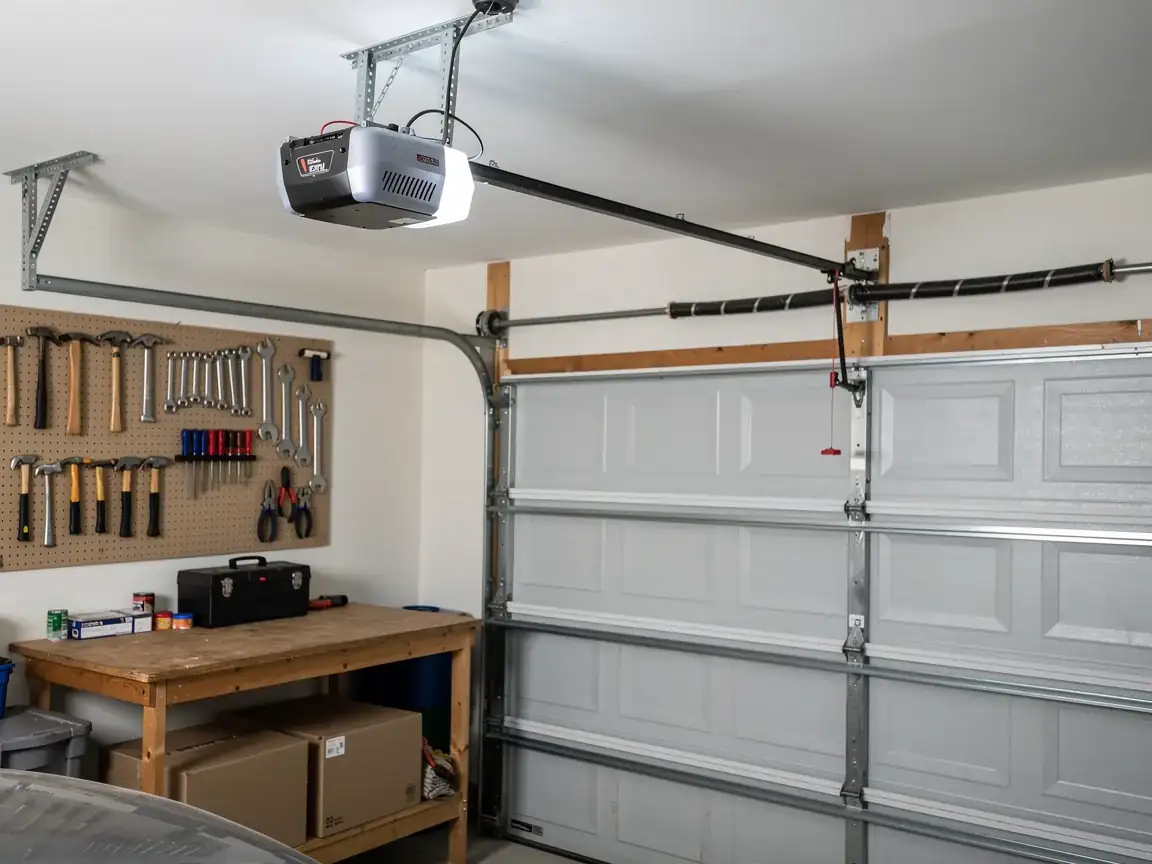
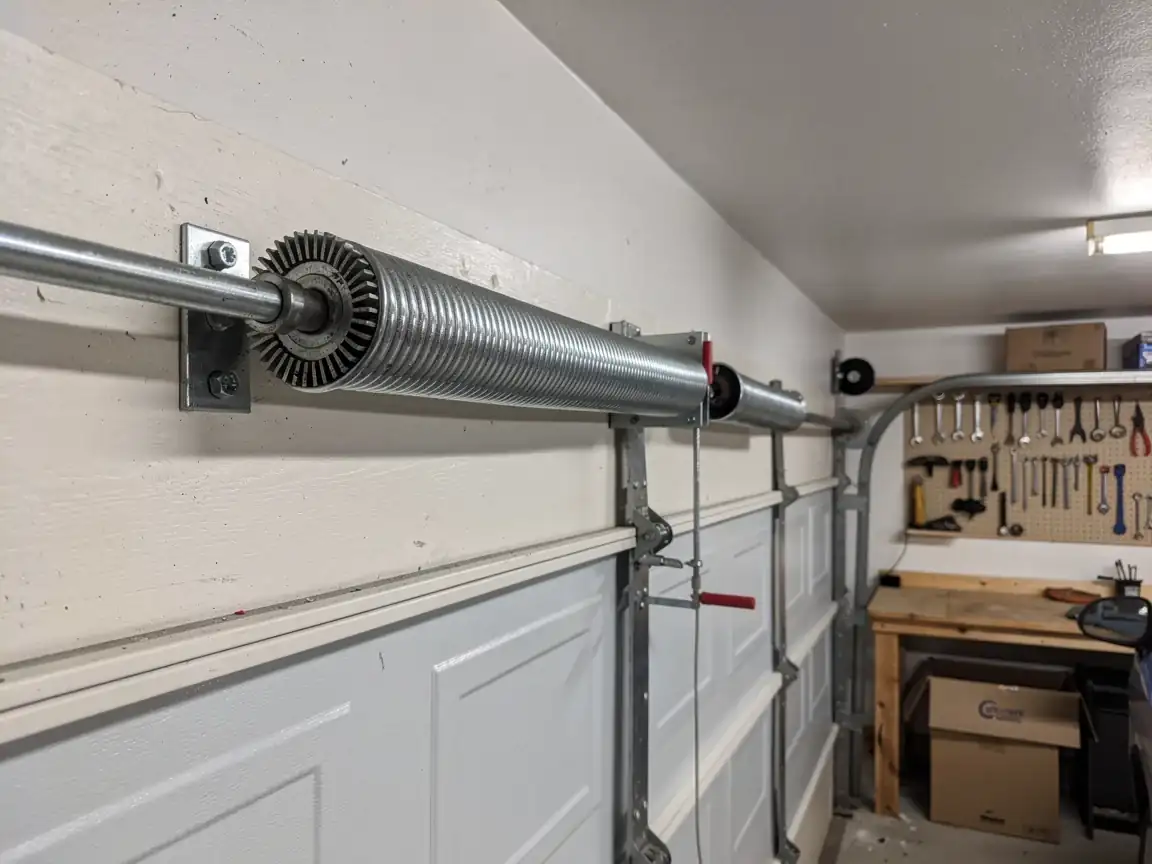
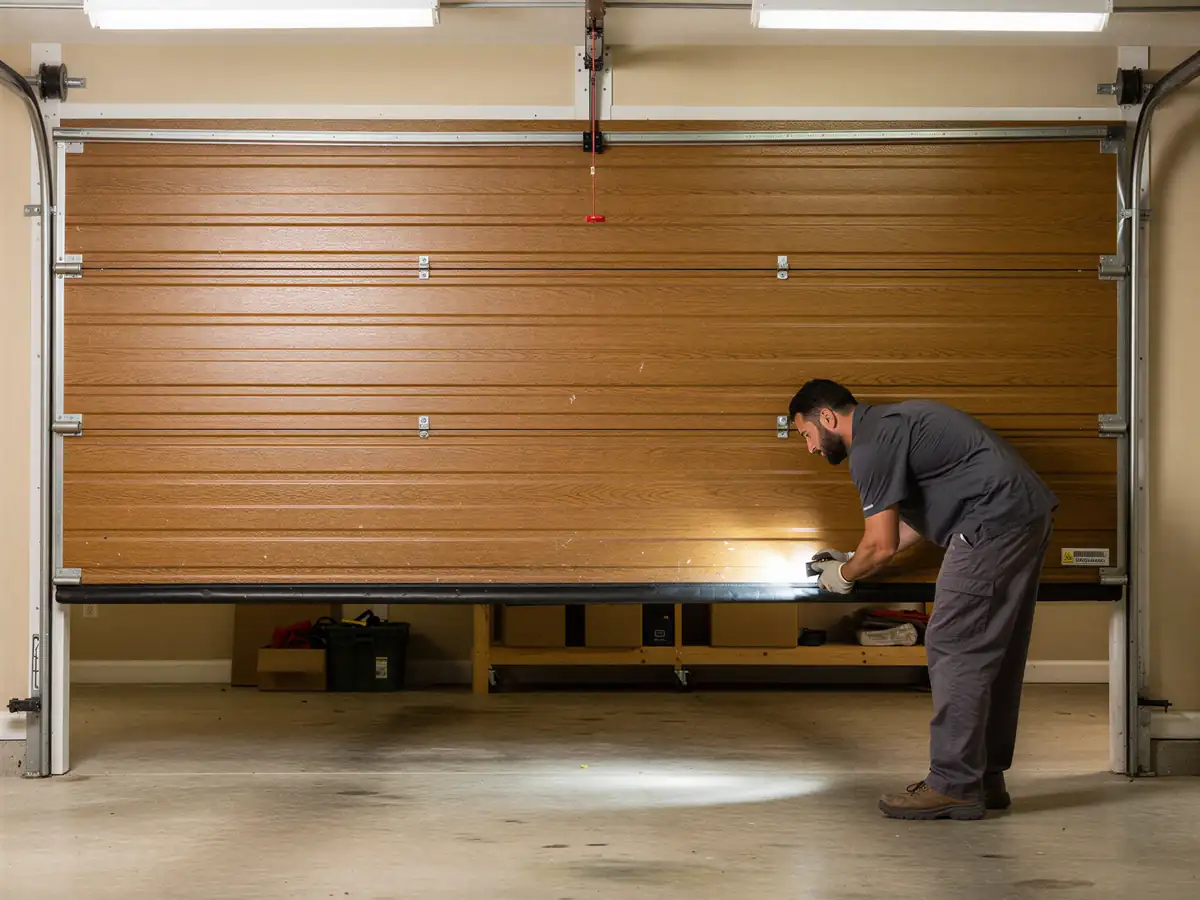
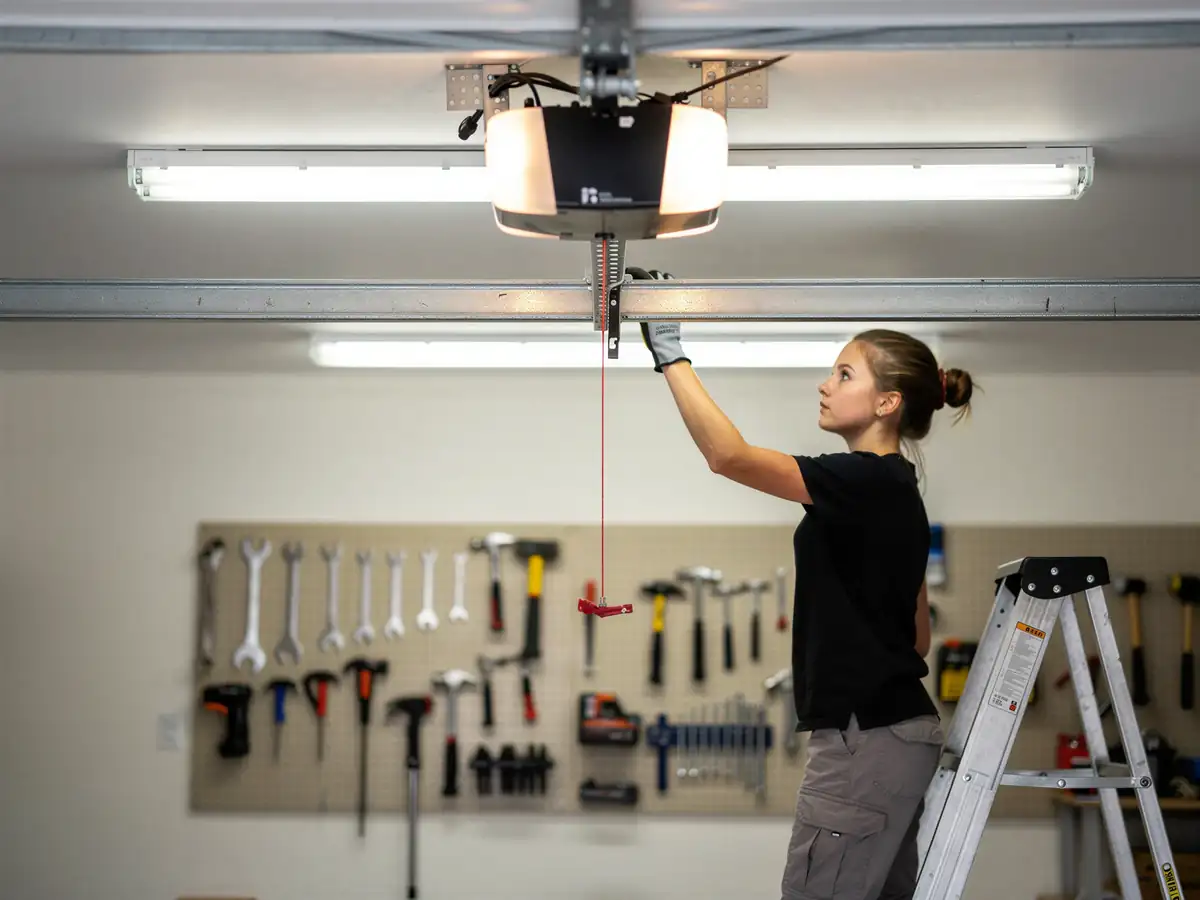
Diagnosis first: we run the opener through its cycle, check the travel limits, test the safety sensors, and look at the drive mechanism for wear or stripped teeth
If it's a logic board issue, we replace the board rather than guessing at a reset. If it's a worn gear or drive component, that gets swapped, and we reset travel and force limits to the door's actual weight rather than leaving factory defaults in place.
For homes in this part of the service area
We also check whether the existing unit is a good match for a belt or smart-control upgrade, since household budgets here skew toward wanting a quieter, app-connected opener rather than patching a thirty-year chain drive forever. That's not a push - it's a conversation, and plenty of units just need the one failed part replaced and nothing more.
We test full-cycle operation and auto-reverse safety before we call the job done
If the fix needs a part we don't carry on the truck for an older unit, we say so on-site rather than after a second trip.
What You Pay
We don't carry a published price list for this page, and we're not going to invent one. What we can tell you is that opener repair cost depends on whether it's a board, a sensor, a drive gear, or a full head-unit swap - those are different jobs with different parts costs. Call for a number specific to what's actually failing on your unit; we're not going to quote blind over the phone for a part we haven't seen.
Time on the Job
Board swaps, sensor realignments, and drive gear replacements are generally single-visit work once we've diagnosed the fault - we don't leave a half-fixed opener overnight if we can avoid it. The one variable is the trip itself: at roughly 20 miles from our Friendswood base, we schedule West University Place calls as a planned stop rather than a drop-in, so we bring the likely parts with us based on what you describe on the phone.
If the unit turns out to need a part we genuinely don't stock - which happens more with older head units than with the belt-drive openers common in newer installs - we'll say so on-site and set up a return trip rather than charge you for guesswork.
Why It Happens Here
The houses in this stretch went up mostly around 1991
A good three decades after the oldest stock elsewhere in our service area. That matters for openers specifically: it means the common fault isn't a seized sixty-year-old motor, it's a board or drive component reaching the end of a normal 25-to-30-year service life at roughly the same time across a lot of houses built in the same few years.
Climate plays a smaller role here than hardware age does
This area sits in a mild band with occasional freeze risk, which is gentler on seals and lubricants than a harsher climate would be, so we're not chasing weather-driven failures the way we might elsewhere. The failures we see are mechanical and electrical fatigue, plain and simple, showing up on schedule because the houses themselves are mostly the same age.