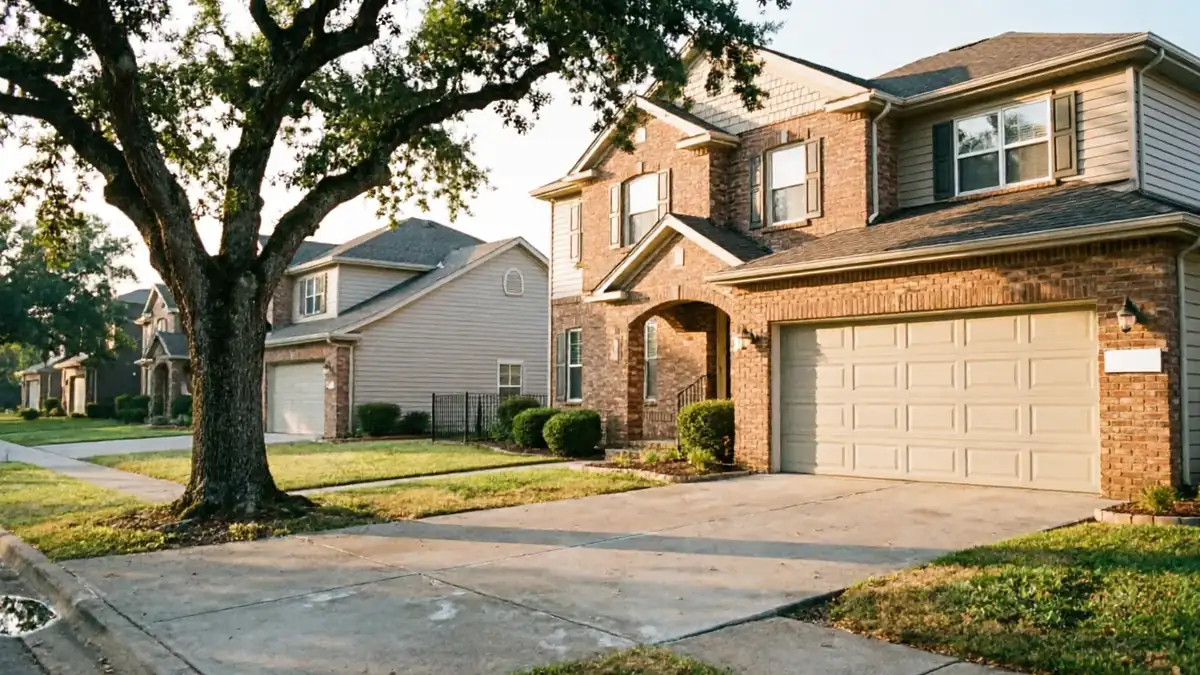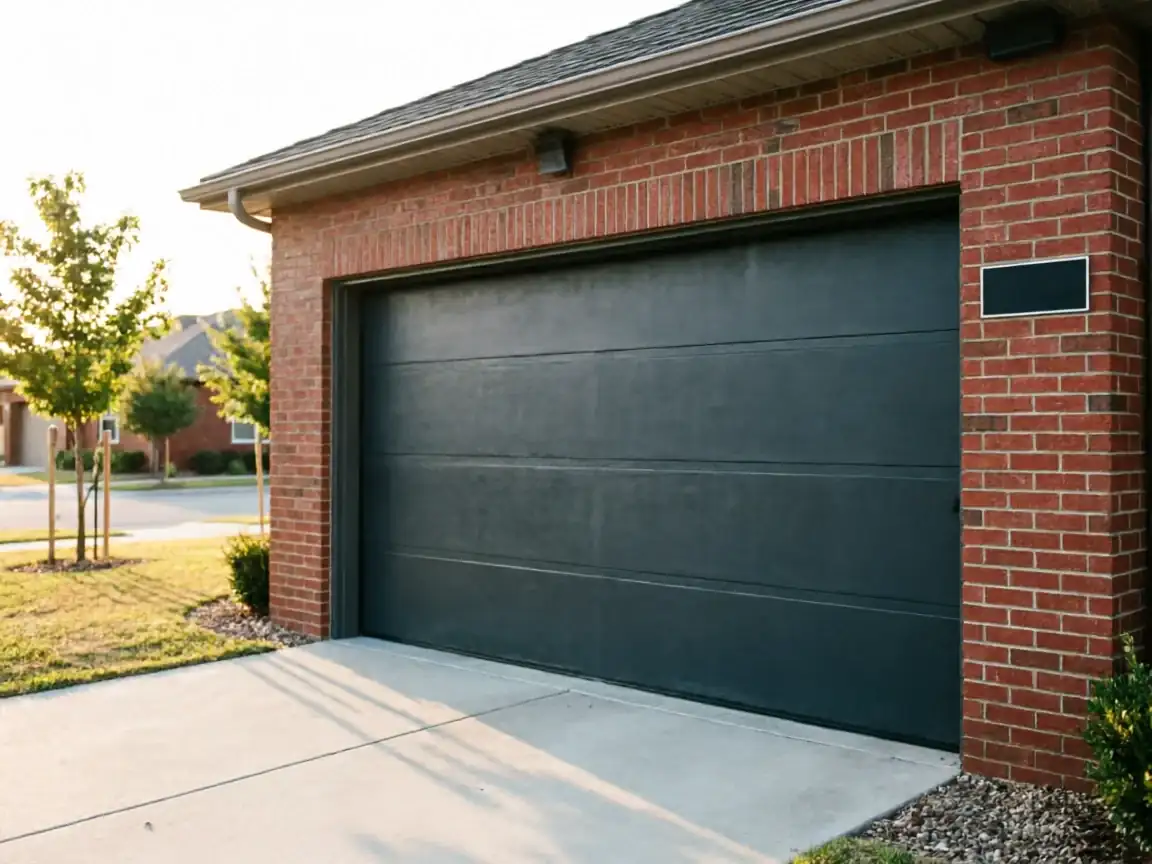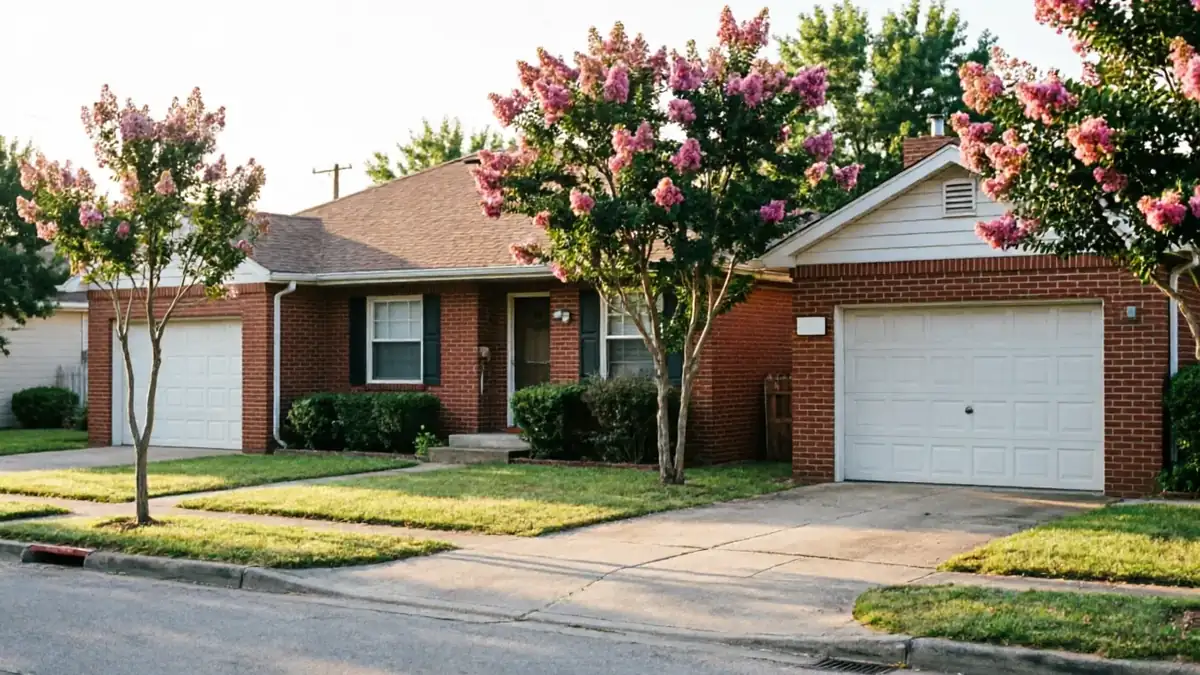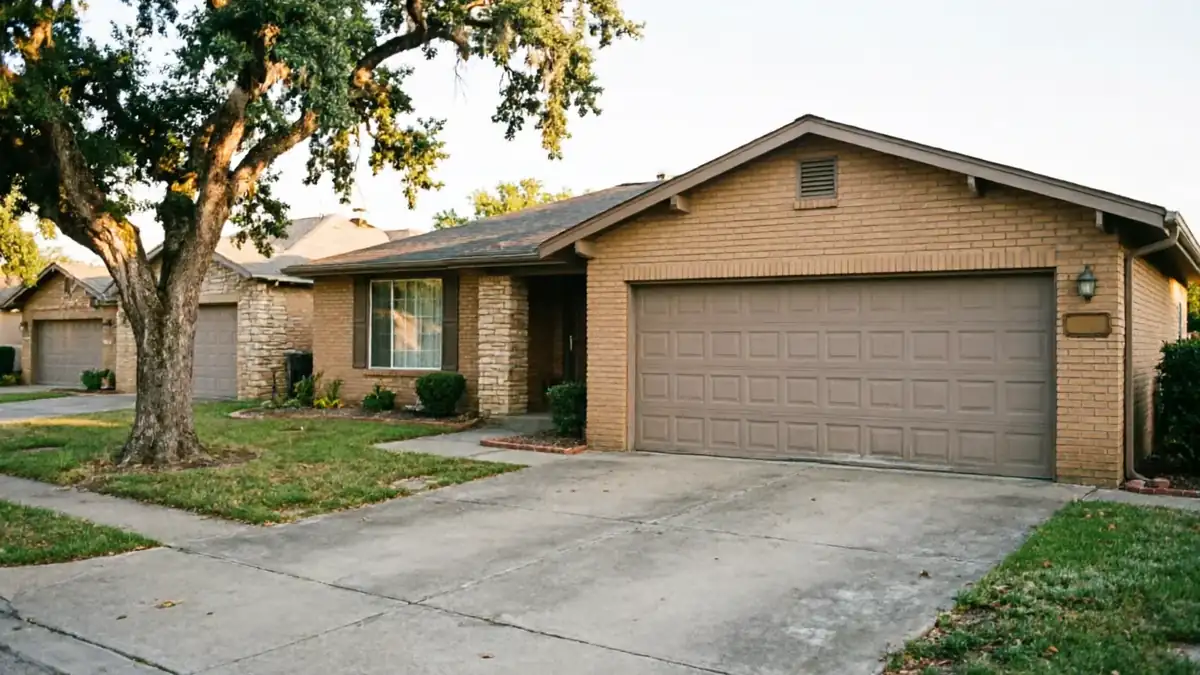
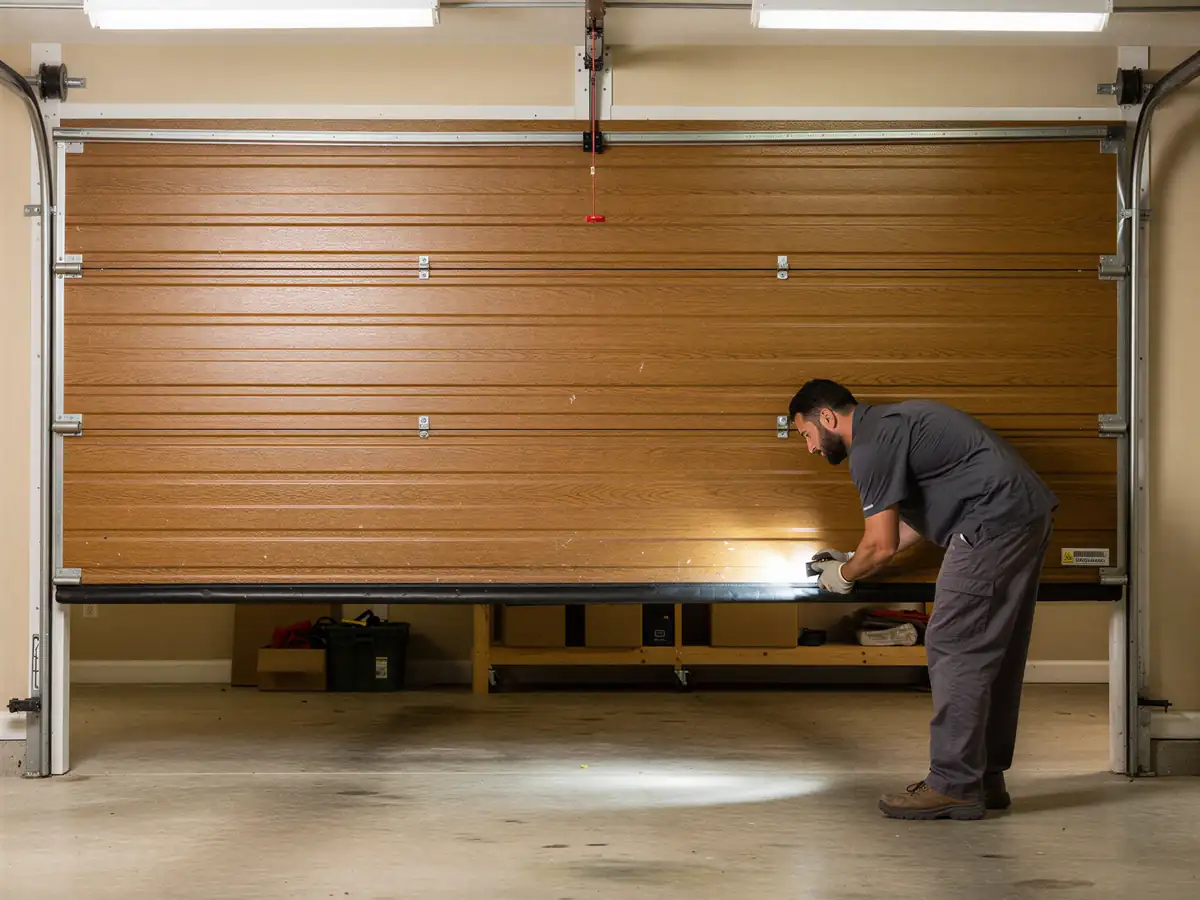
What You Are Seeing
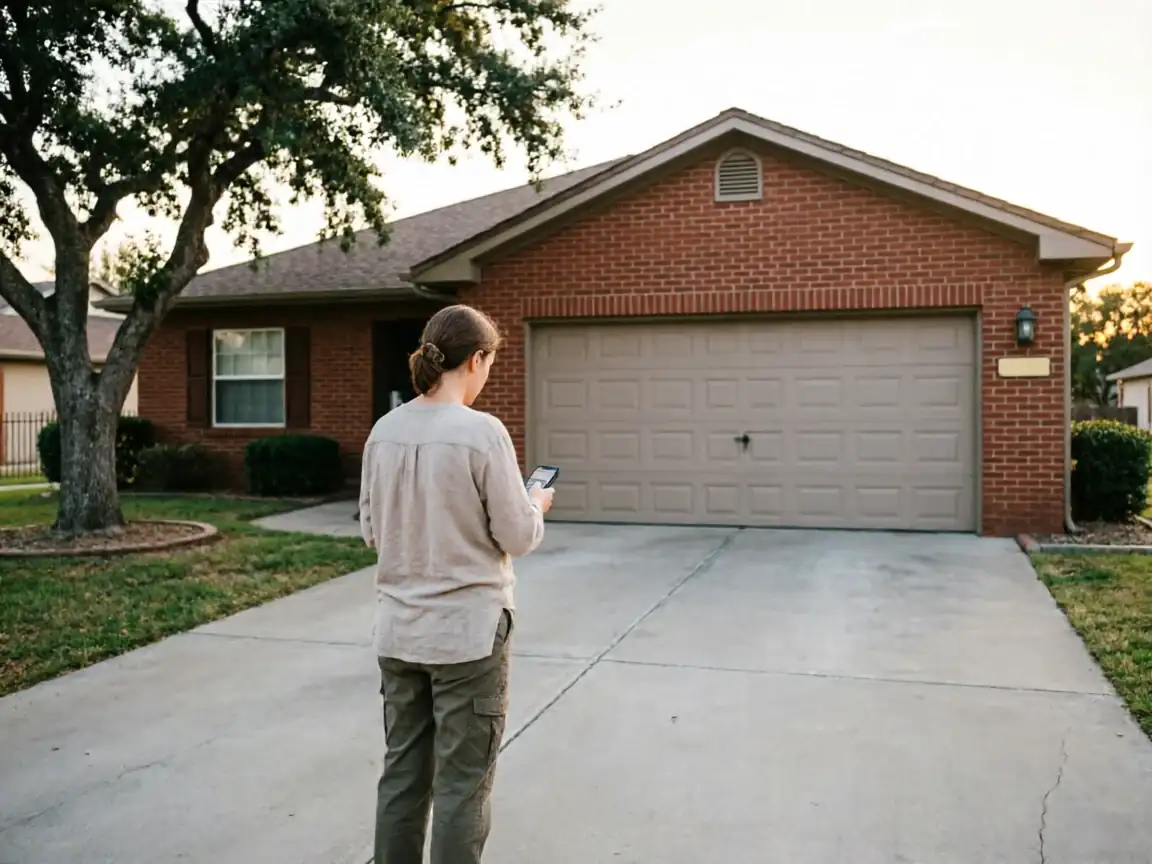
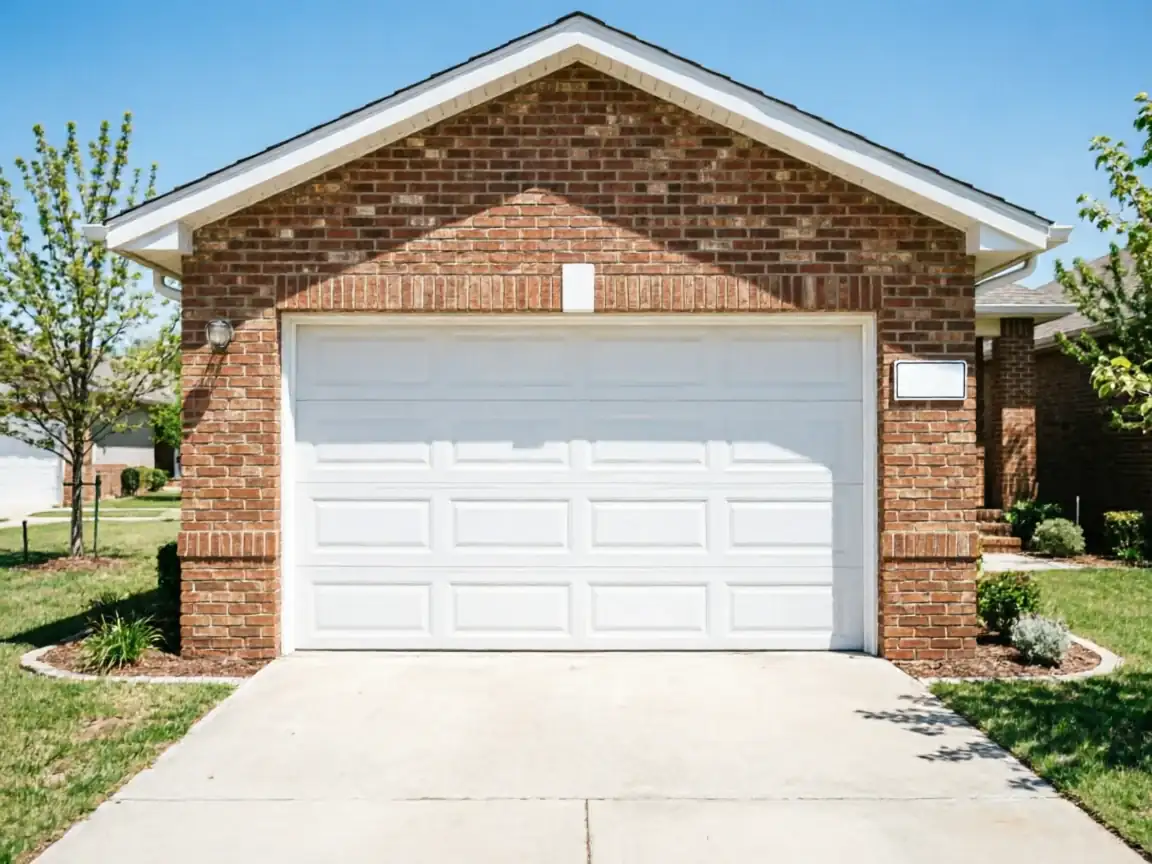
Deer Park is a mid-size suburb with roughly 11,829 households, not a sprawling market, which means the calls we get here tend to cluster around the same handful of problems rather than every possible failure mode. Most of the housing stock went up around 1981, a decade or so before the broader service area's median build year of 1987. That gap matters: a door and opener installed in the early 80s has usually been through two or three replacement cycles already, or it hasn't been touched since the house was built, and those are two very different service calls.
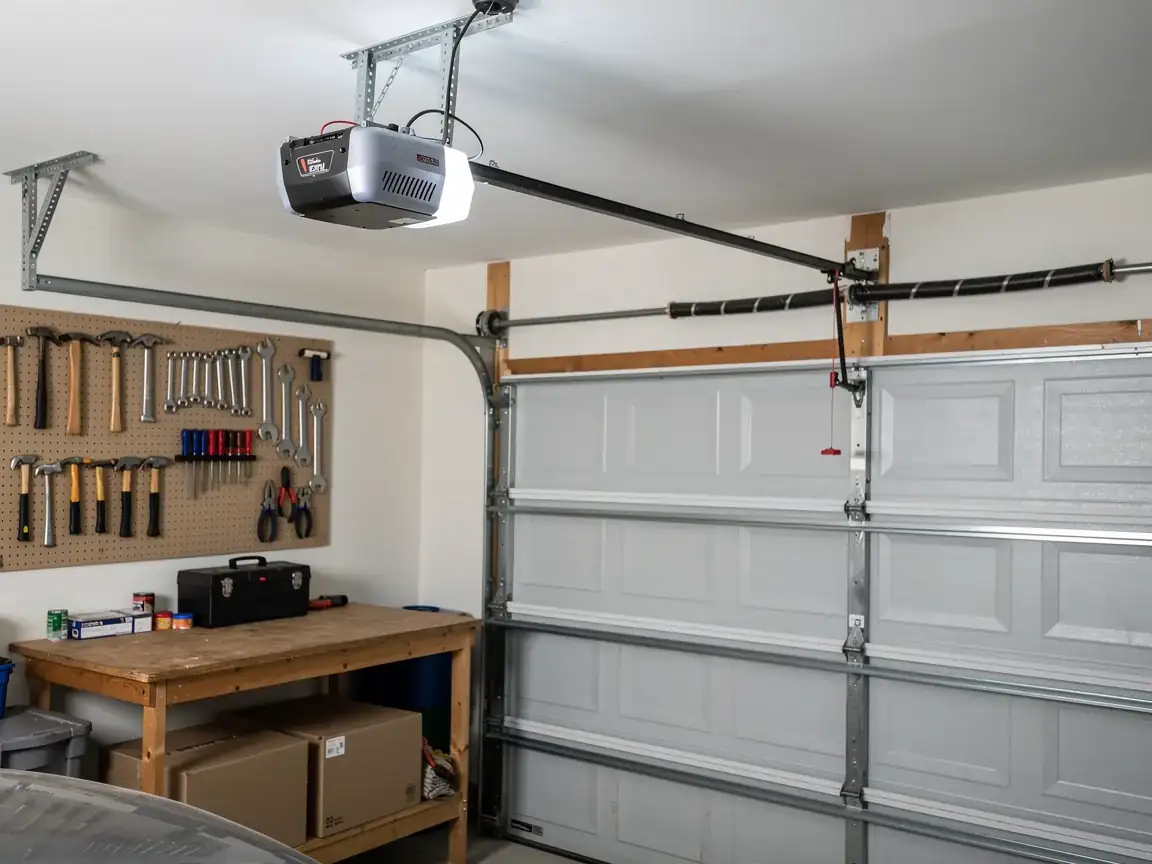
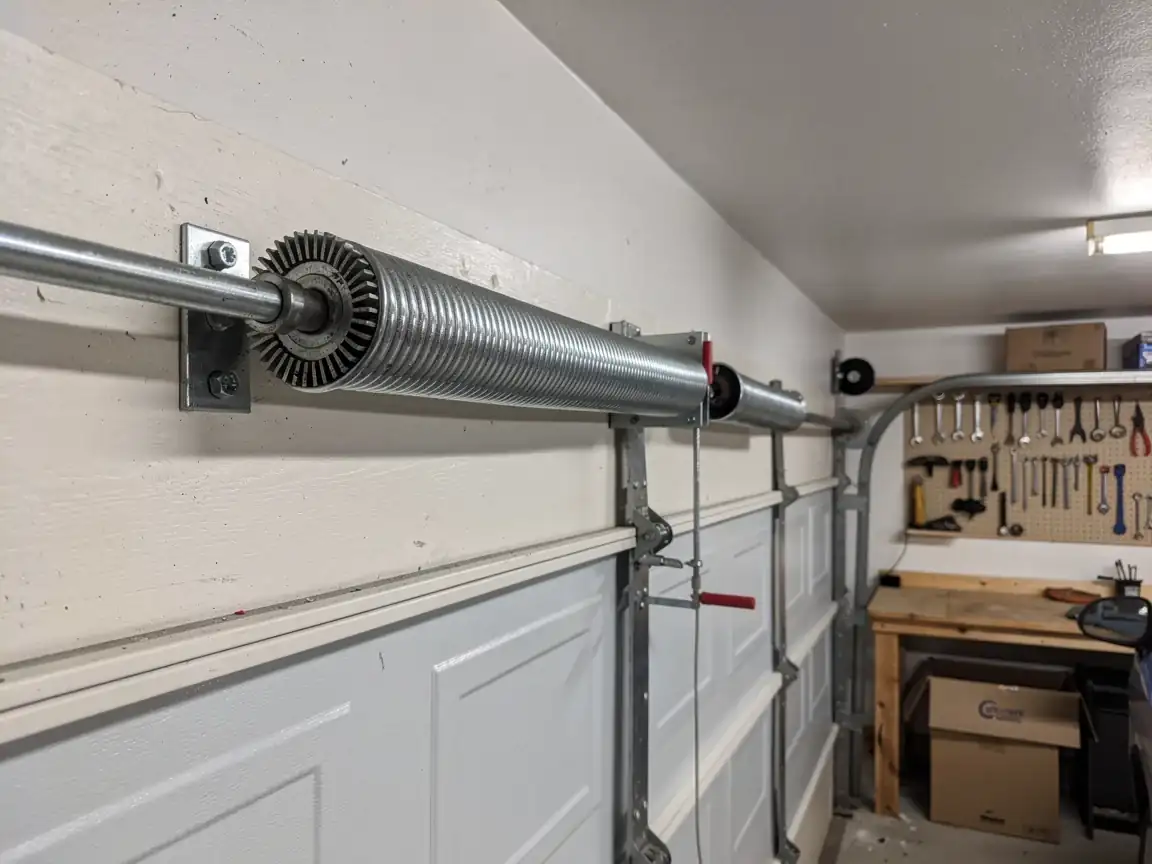
If your door is original to the house, you're likely looking at a steel section door on a extension-spring setup rather than the torsion-spring systems more common in newer construction across the area. If it's been replaced once, you may have a torsion conversion done without matching the opener to it, which shows up as grinding or uneven travel. Either way, the age of the neighborhood tells us more about what's wrong before we even open the panel.
Parts We Carry
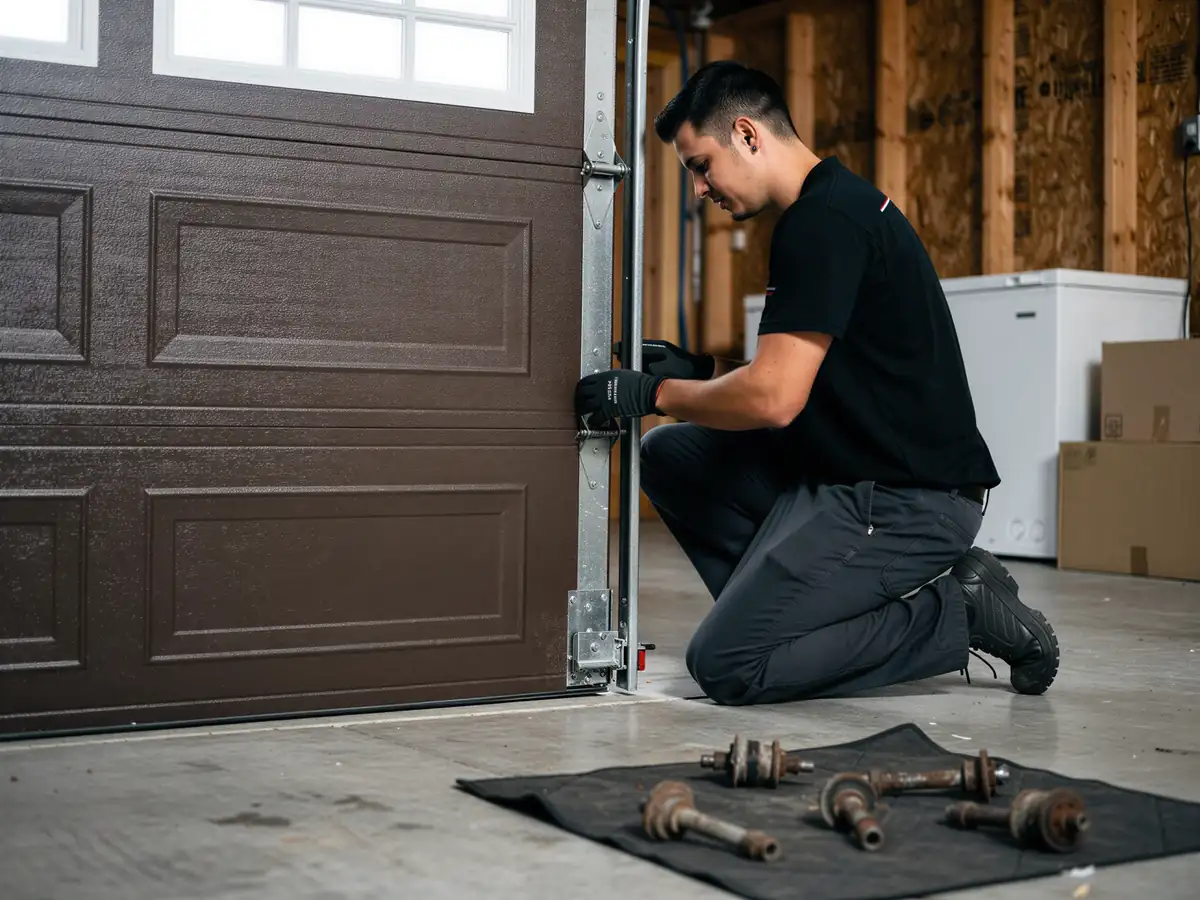
Because so much of Deer Park's housing sits in that early-1980s band, we keep stock sized for older extension-spring doors as well as the torsion hardware found in later retrofits: standard-wind torsion springs, extension spring sets, galvanized cable, nylon and steel rollers, and center and end bearing plates. We also carry universal opener logic boards and drive gears that cover most chain and belt-drive units still running from the 90s and 2000s.
What we don't carry on the truck is anything proprietary to a single manufacturer's smart-opener line, or oversized commercial-grade panels. Those are special-order parts, and if your door calls for one, we'll tell you the lead time up front rather than pretend we can turn it around same visit. For the common stuff, though, a spring swap or roller replacement on a Deer Park door usually doesn't need a second trip.
What the Fix Involves
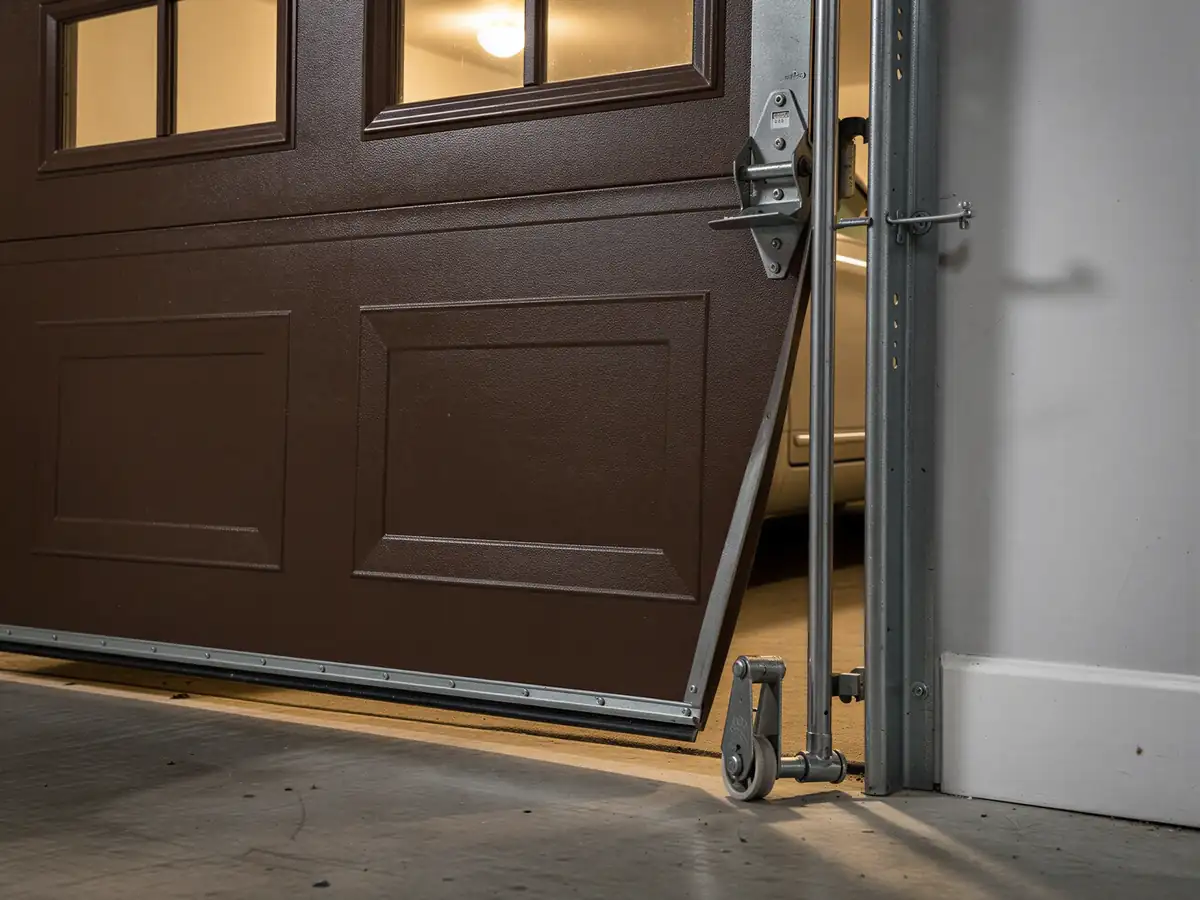
On a door from the early 1980s, the first thing we check is whether the track and hardware have ever been upgraded
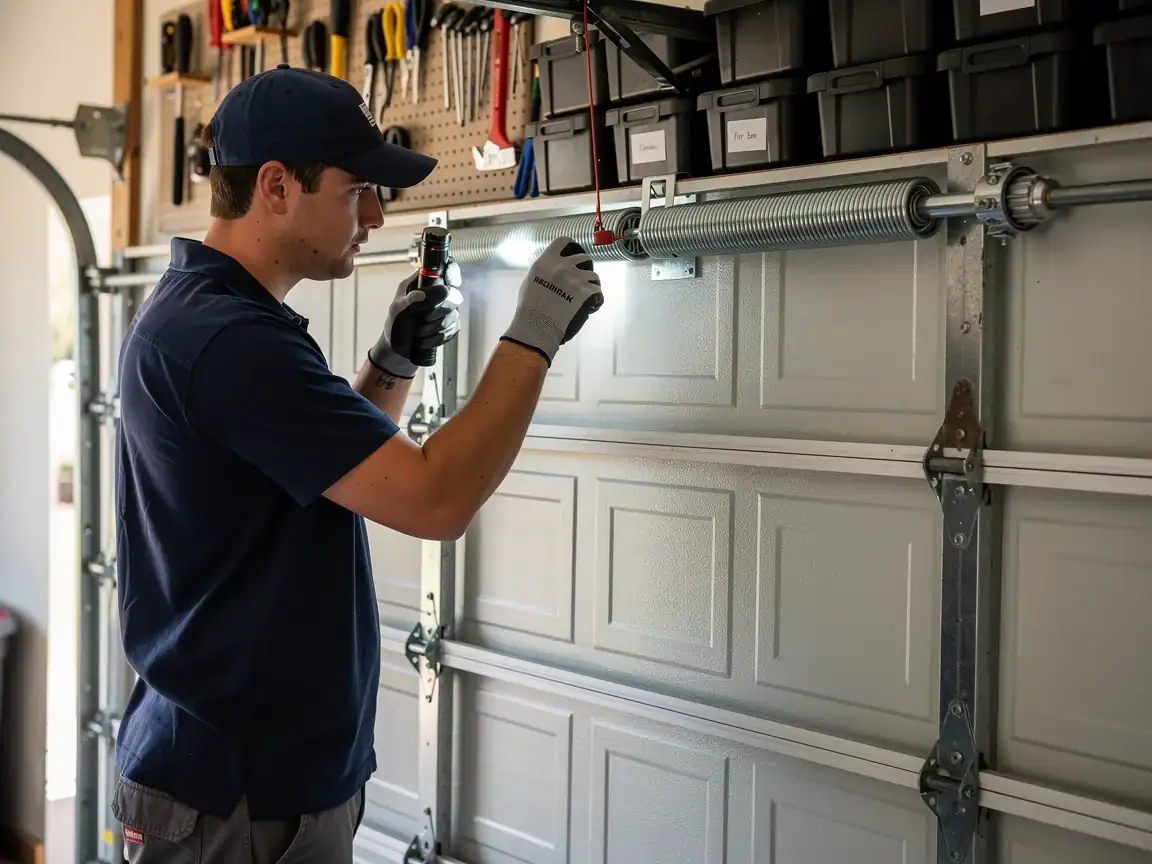
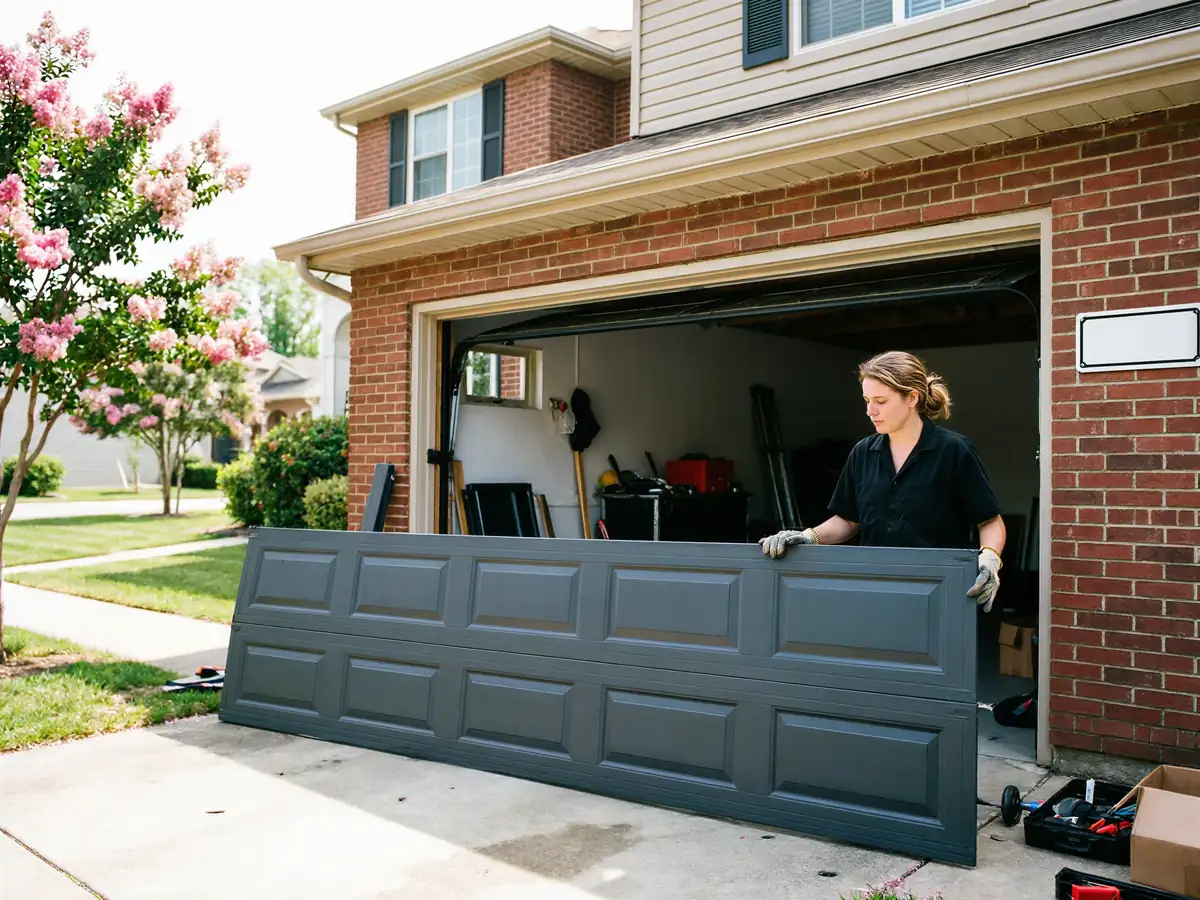
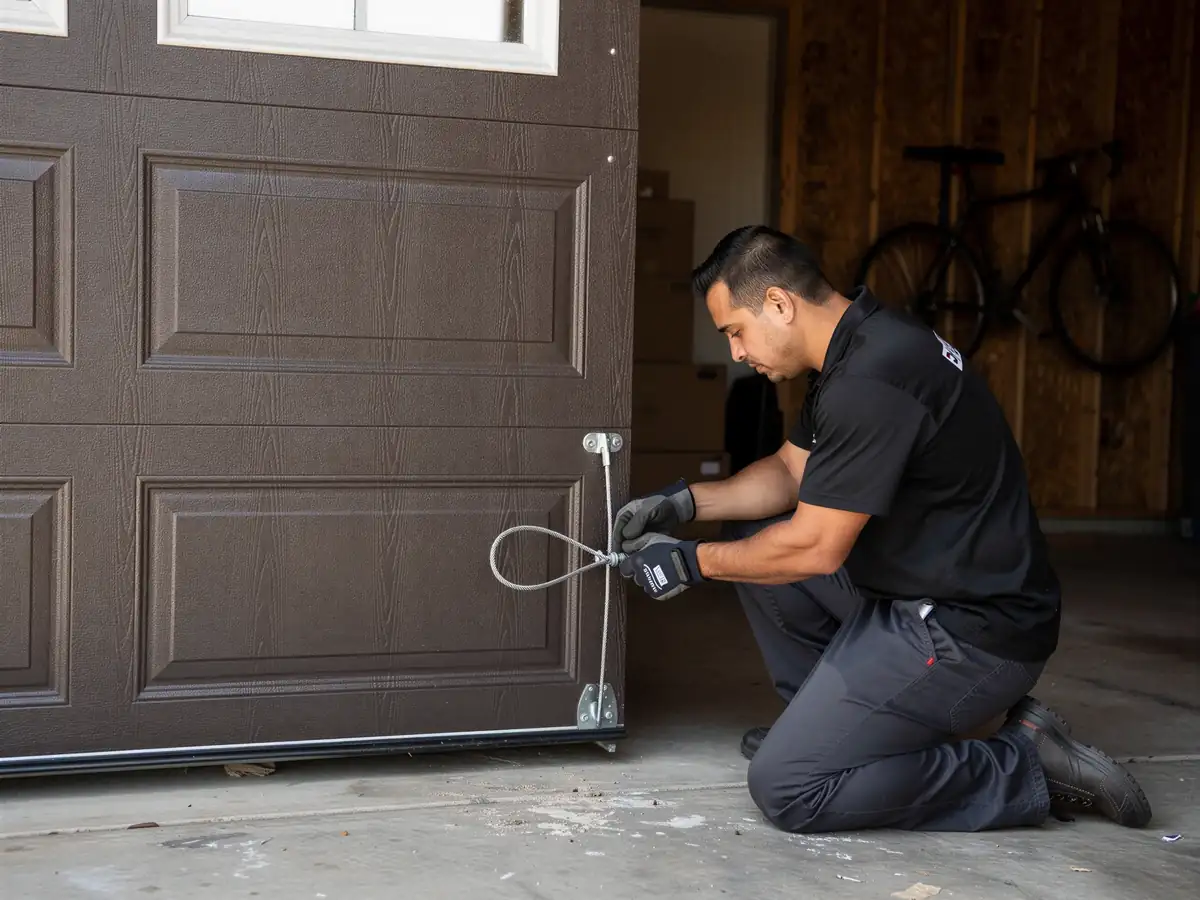
A lot of these houses still run the original extension springs, which means safety cables are either missing or installed after the fact - code didn't require them when the door went in. We add those as part of any spring job, not as an upsell.
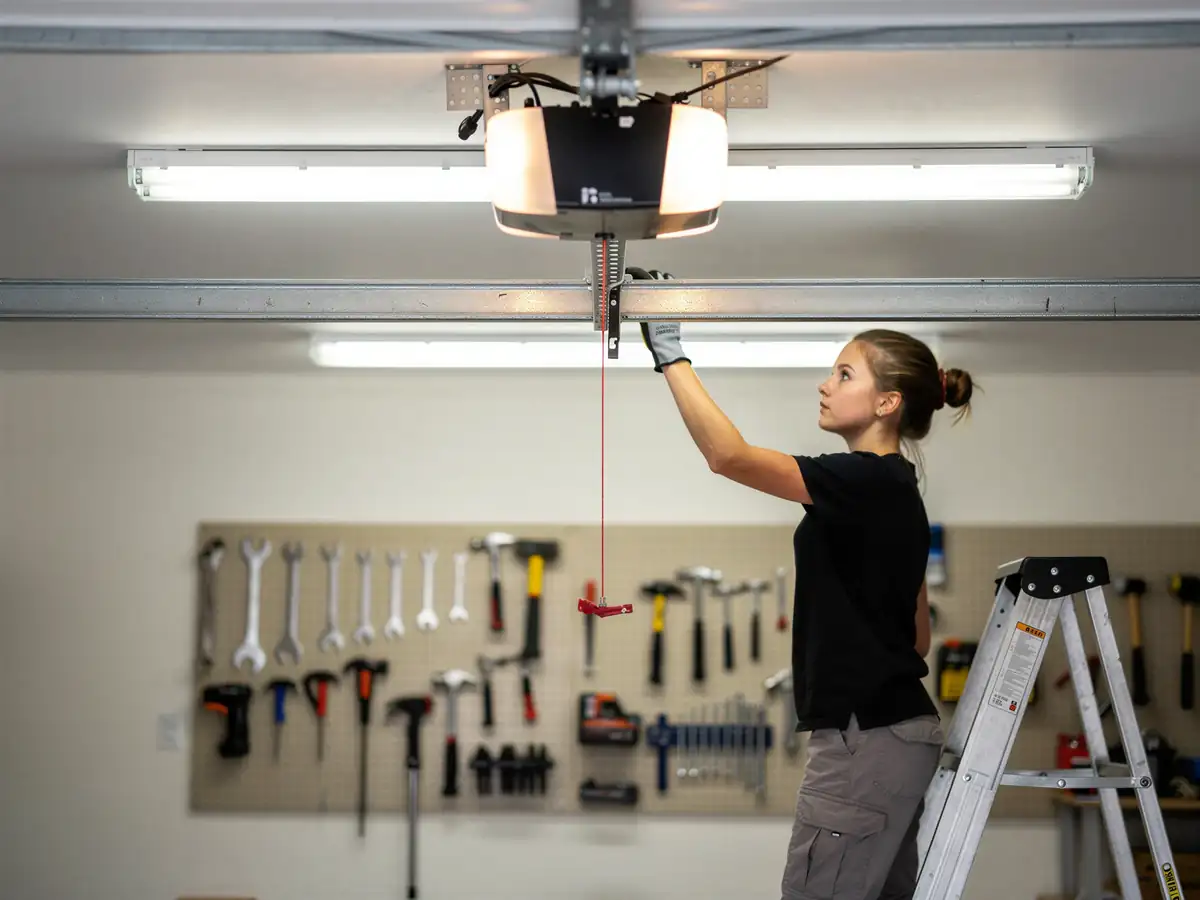
If the opener predates 1993, it won't have the photo-eye safety sensors that are now standard
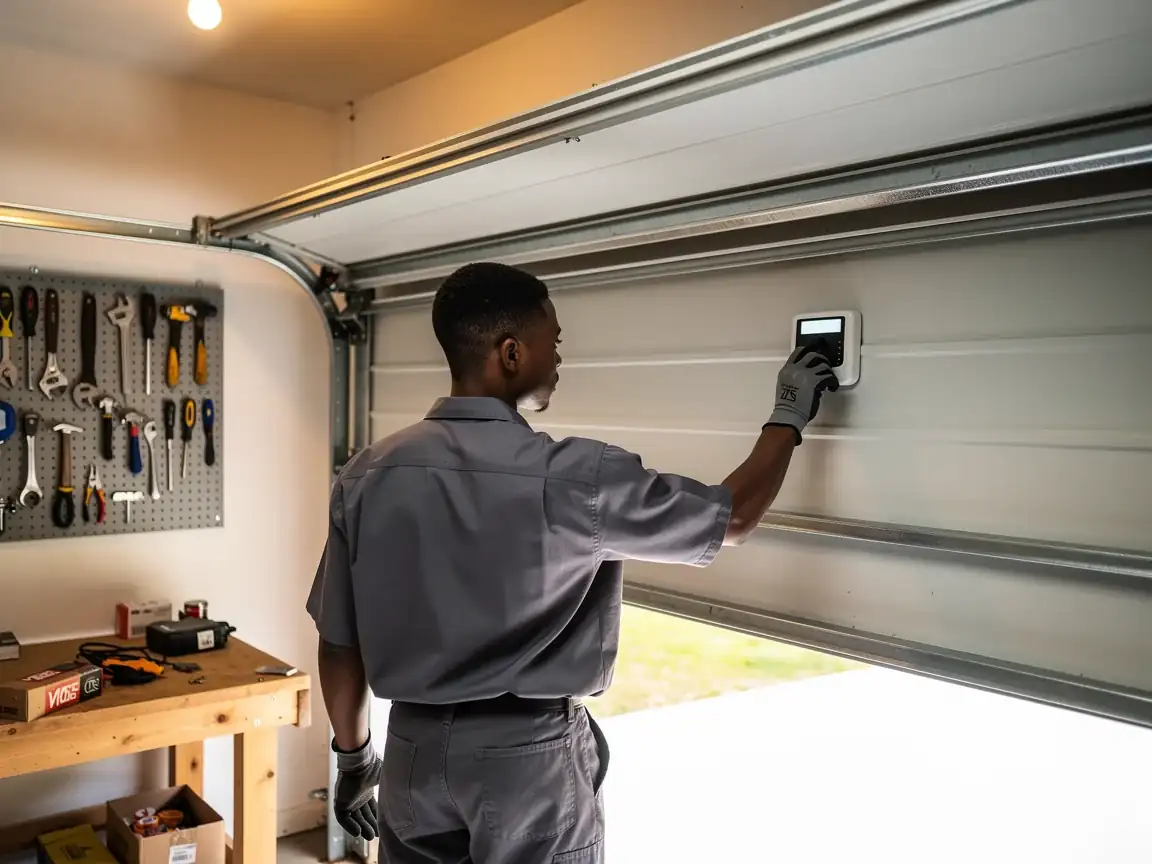
And we won't reinstall an opener without them. That's not us pushing a sale; it's the one thing we won't do, because an opener without reversing sensors is a real hazard with kids or pets in the house. For torsion retrofits, we check that the spring is actually sized for the door's weight - a mismatch from a past repair is one of the more common issues we find in this area, and it shows up as a door that won't stay open on its own or slams down the last foot of travel.
What You Pay
We don't have a published price list for this page, so we won't guess at a number here. What we can tell you is that households in this service area report a median income around $82,018, and Deer Park itself runs higher, near $95,233 (compared to a broader area average of $82,018, F7), which tends to mean homeowners here are more likely to replace a failing opener outright rather than nurse it along. That's a judgment call we'll walk through with you on site - sometimes a $40 part fixes it, sometimes the unit is old enough that sinking money into it doesn't make sense.
We travel to Deer Park from Friendswood, about 13 miles out, so the visit includes that drive. We'll quote the job itself once we've looked at the door, not before.
Why It Happens Here
The area sits in a mild climate band with occasional freeze risk, which isn't the kind of extreme heat or cold that cracks panels or warps track on its own. What does the damage here is age combined with humidity: steel hardware from the early 1980s has had four decades of Gulf Coast moisture to work on it, and galvanized coatings from that era weren't as thick as what's used now. We see more surface rust on cables and spring coils in Deer Park's older stock than we do in houses built after the mid-90s.
The other factor is simply how long these doors have been in daily use. A door installed in 1981 that's still on its original opener has been cycling for over 40 years. Motors wear out, gears strip, and springs fatigue on a cycle count, not a calendar - a door used twice a day for four decades has done the work of a much younger door used constantly. That's less about the town and more about the math, but it's the math Deer Park's housing age puts you in.