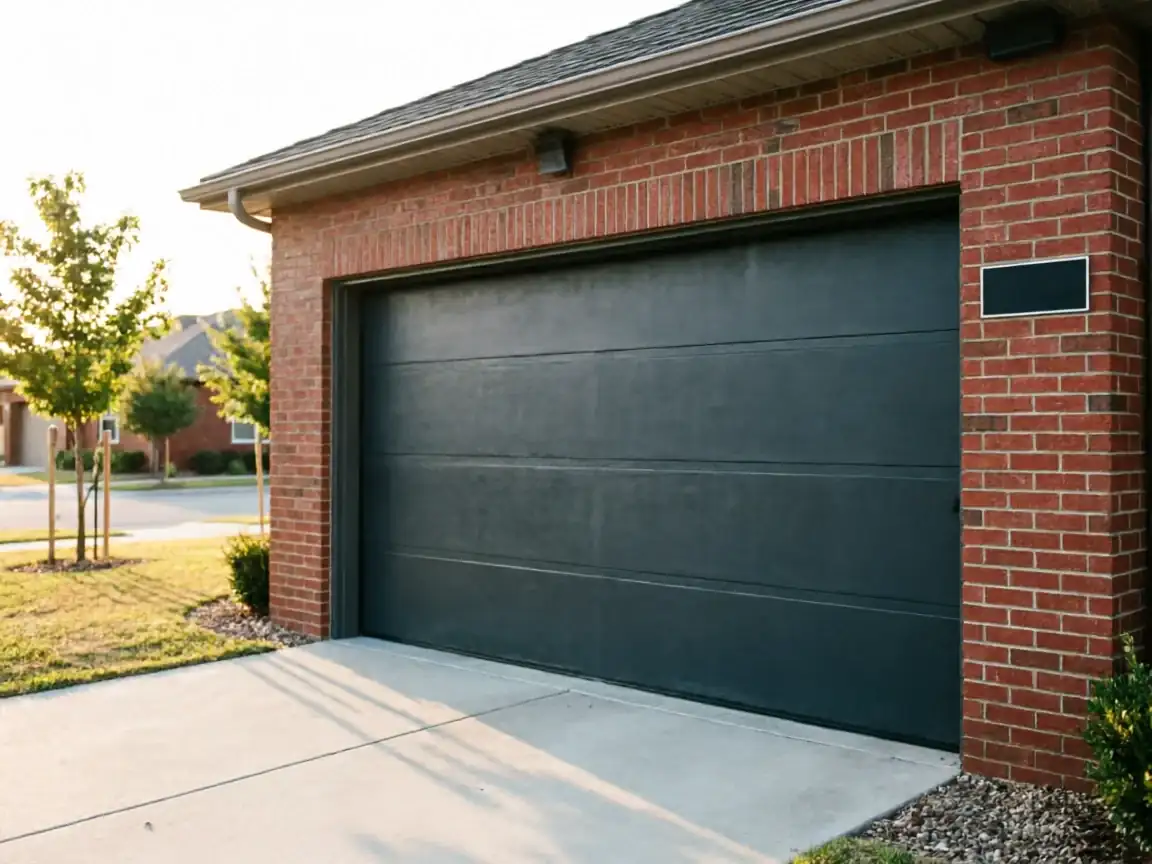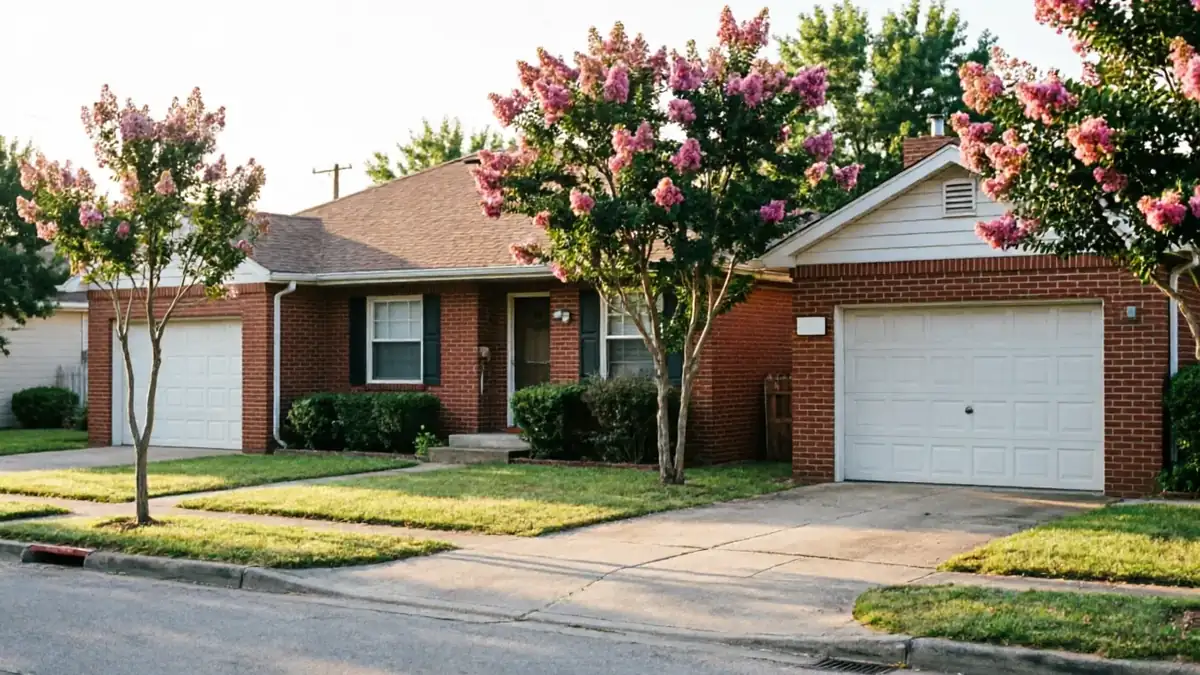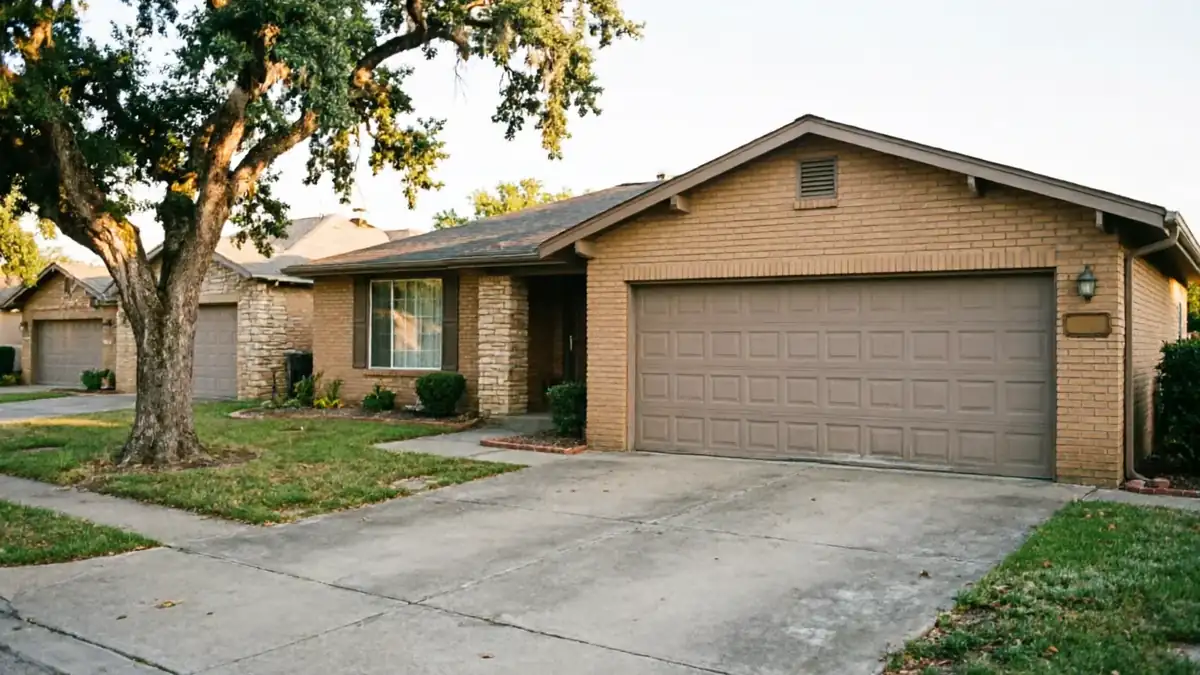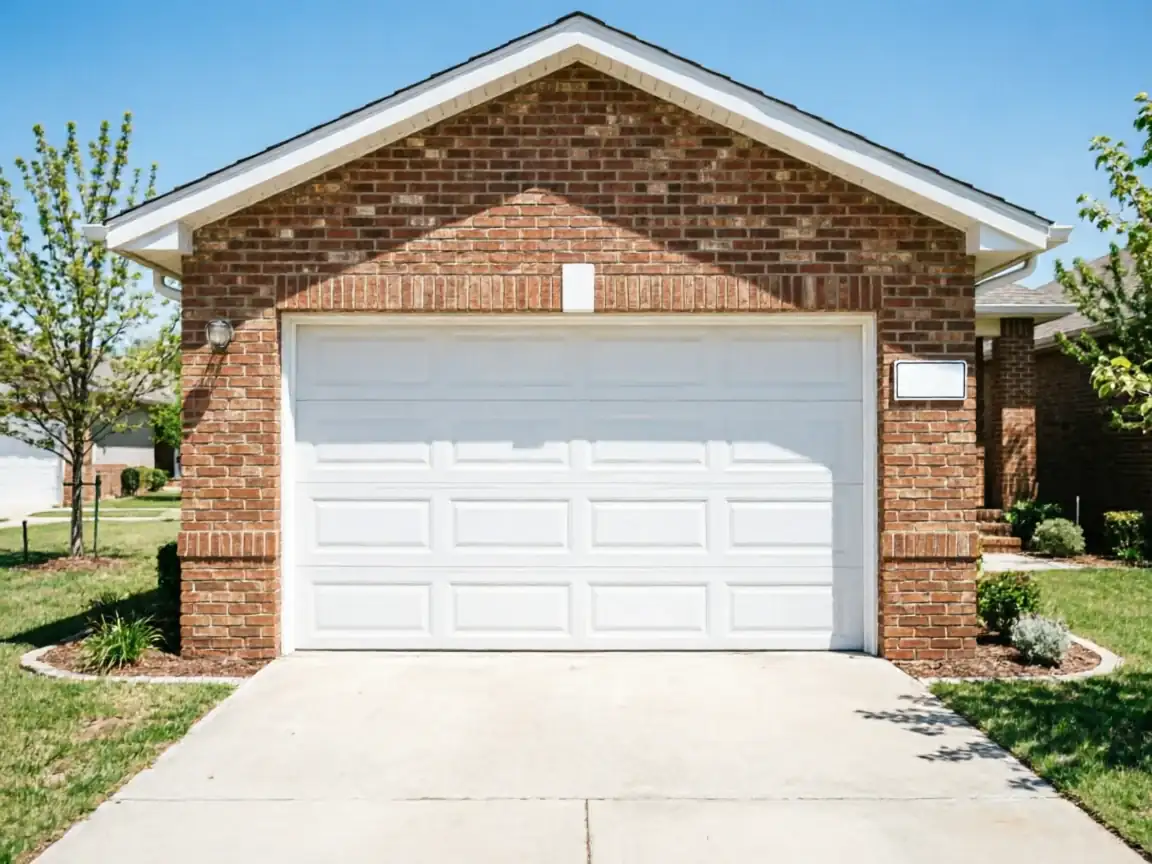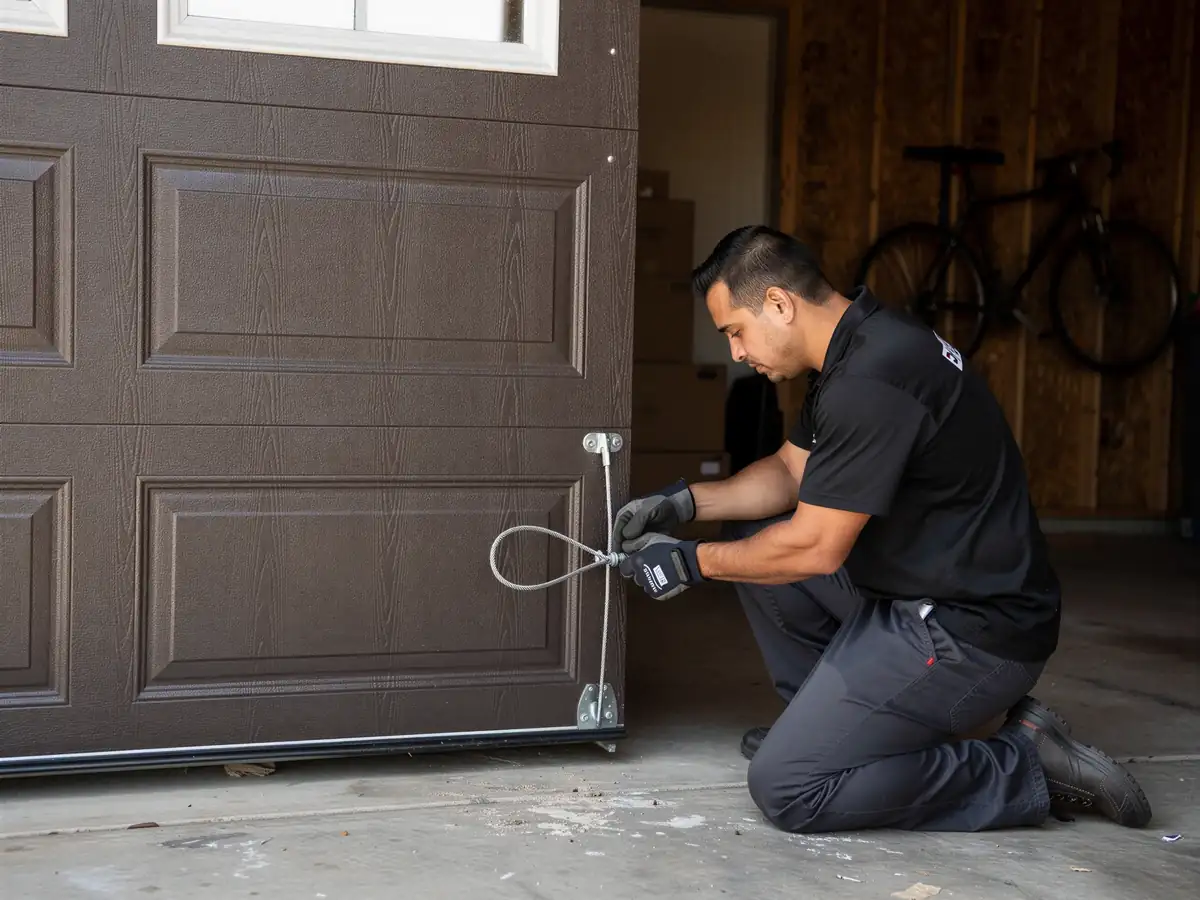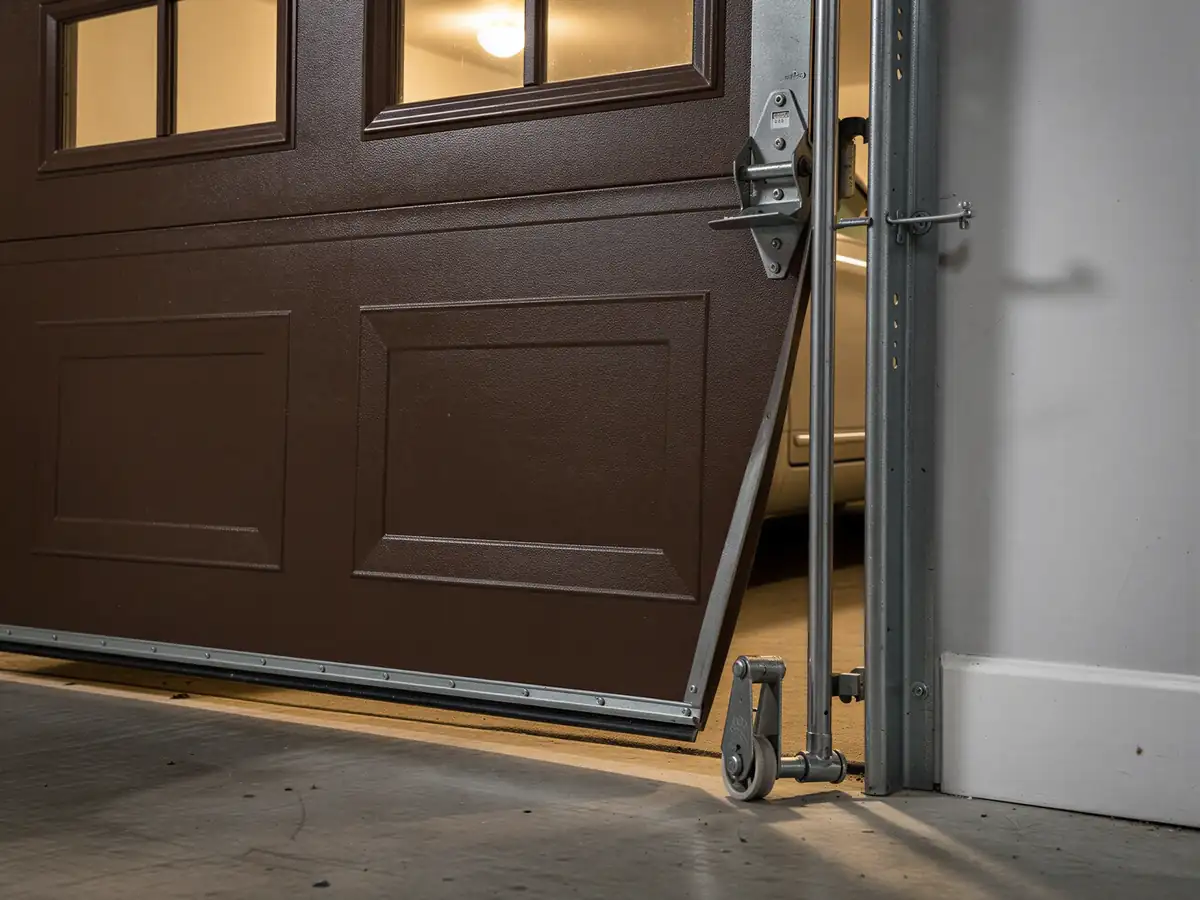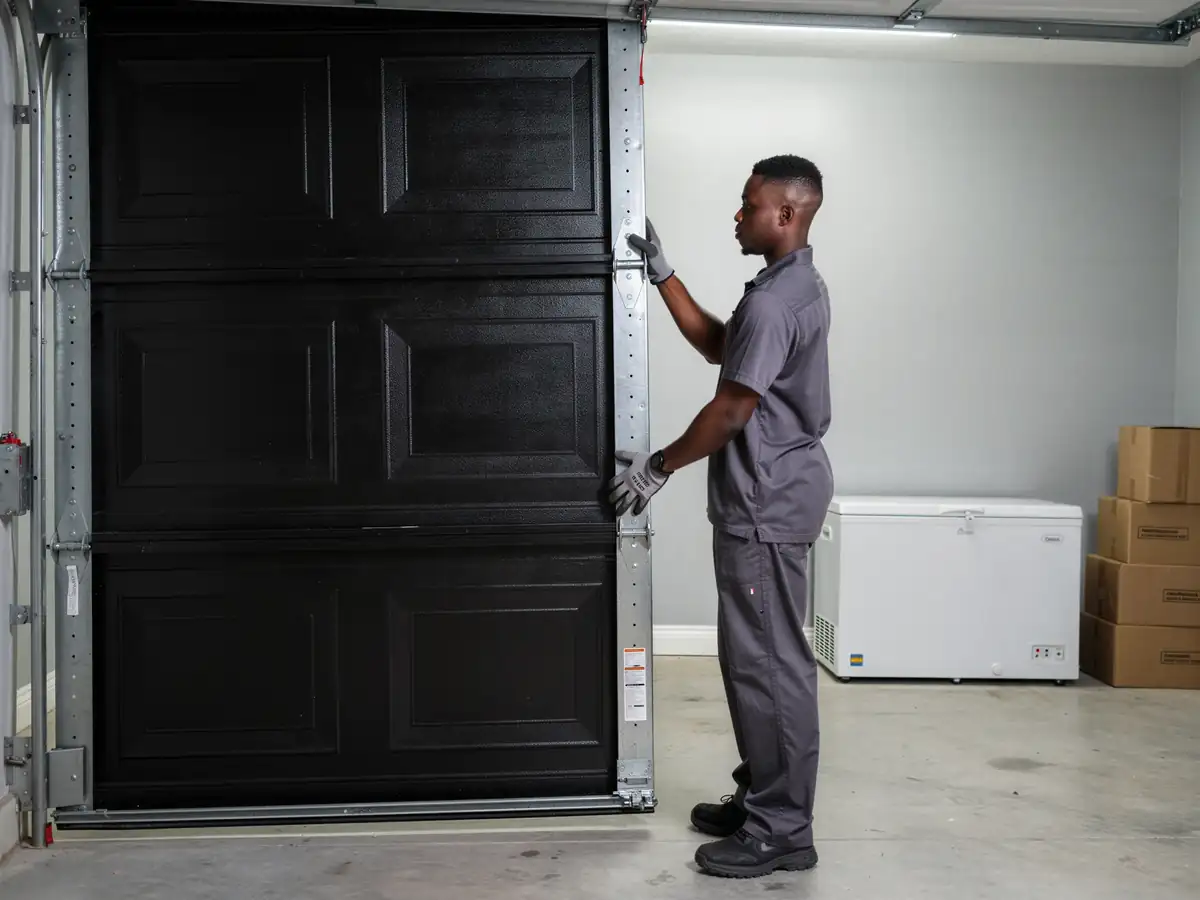
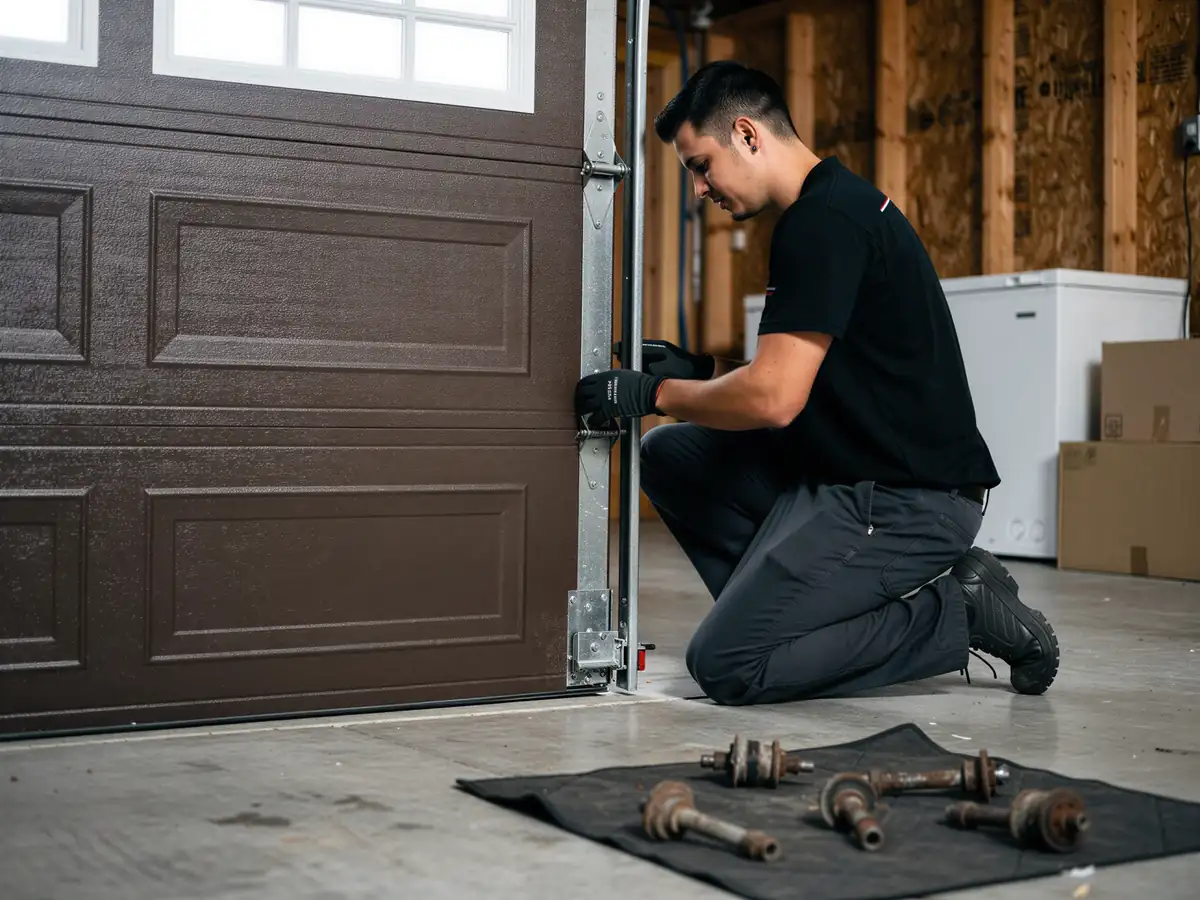
What You Are Seeing
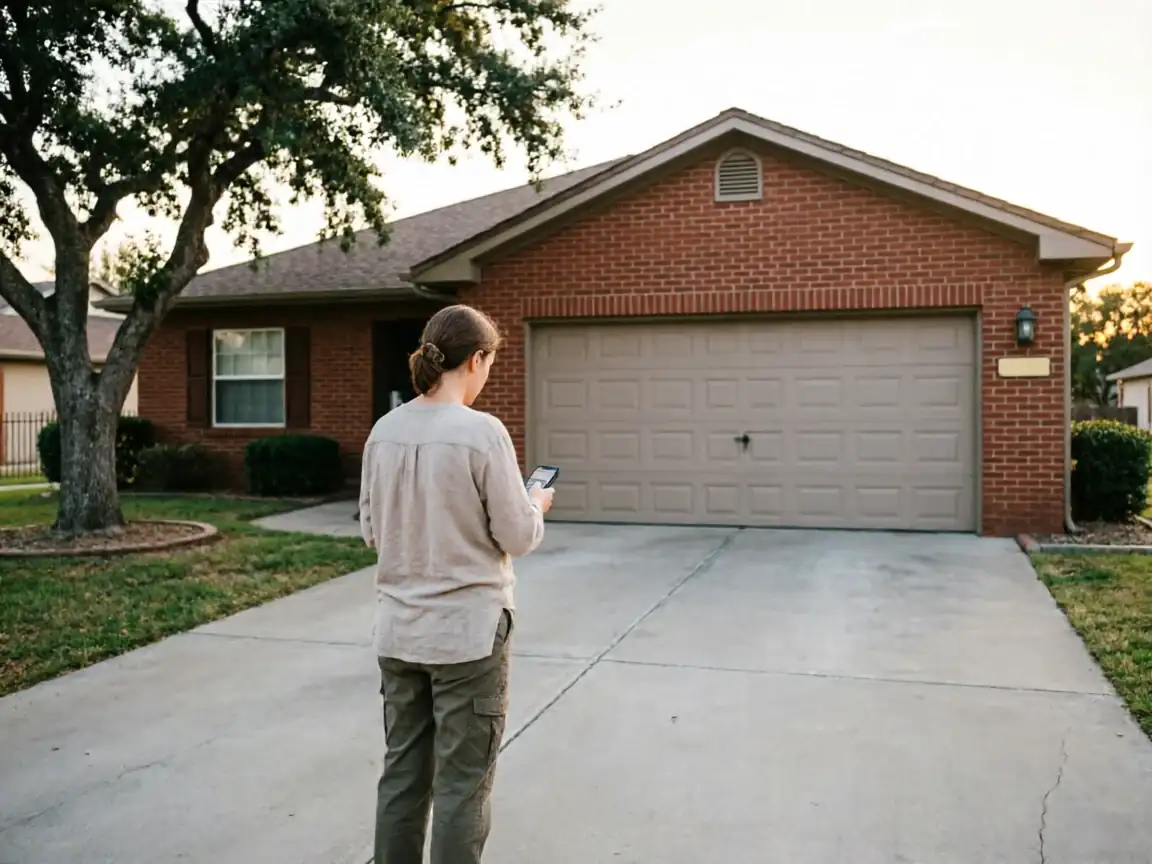
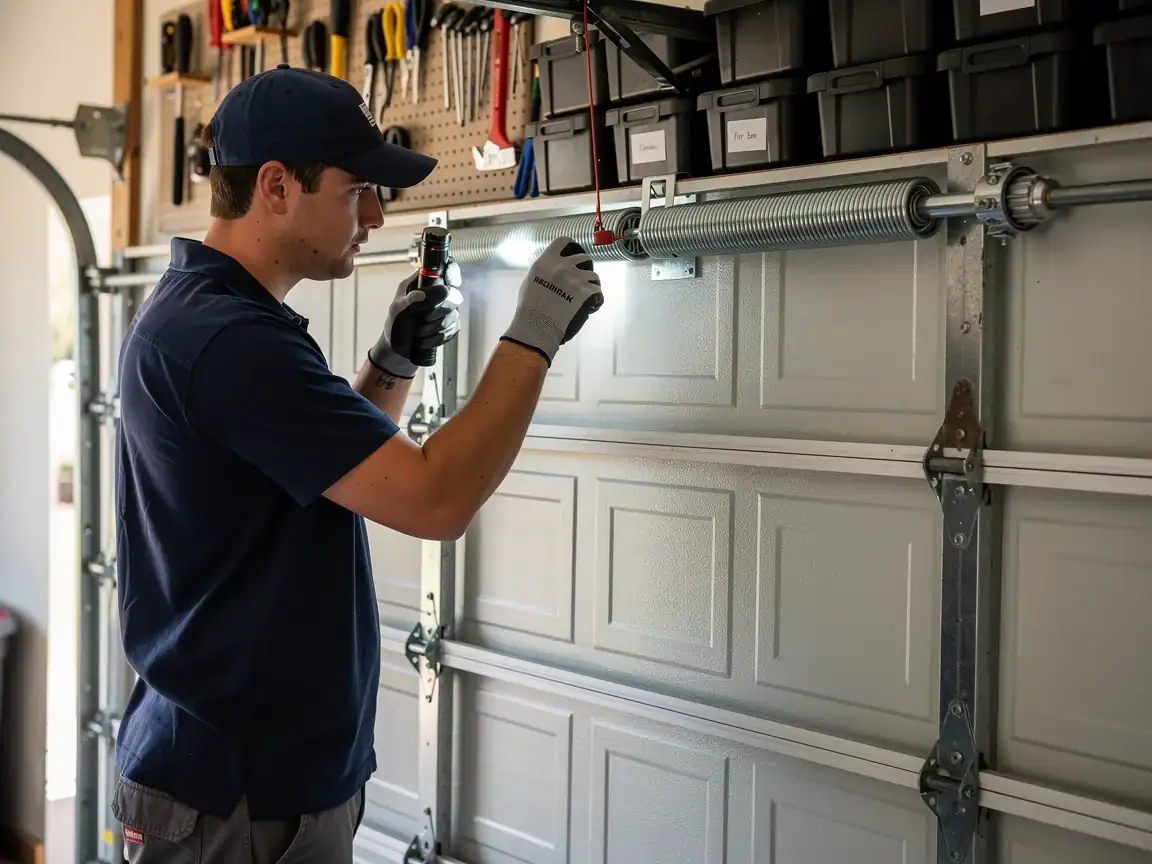
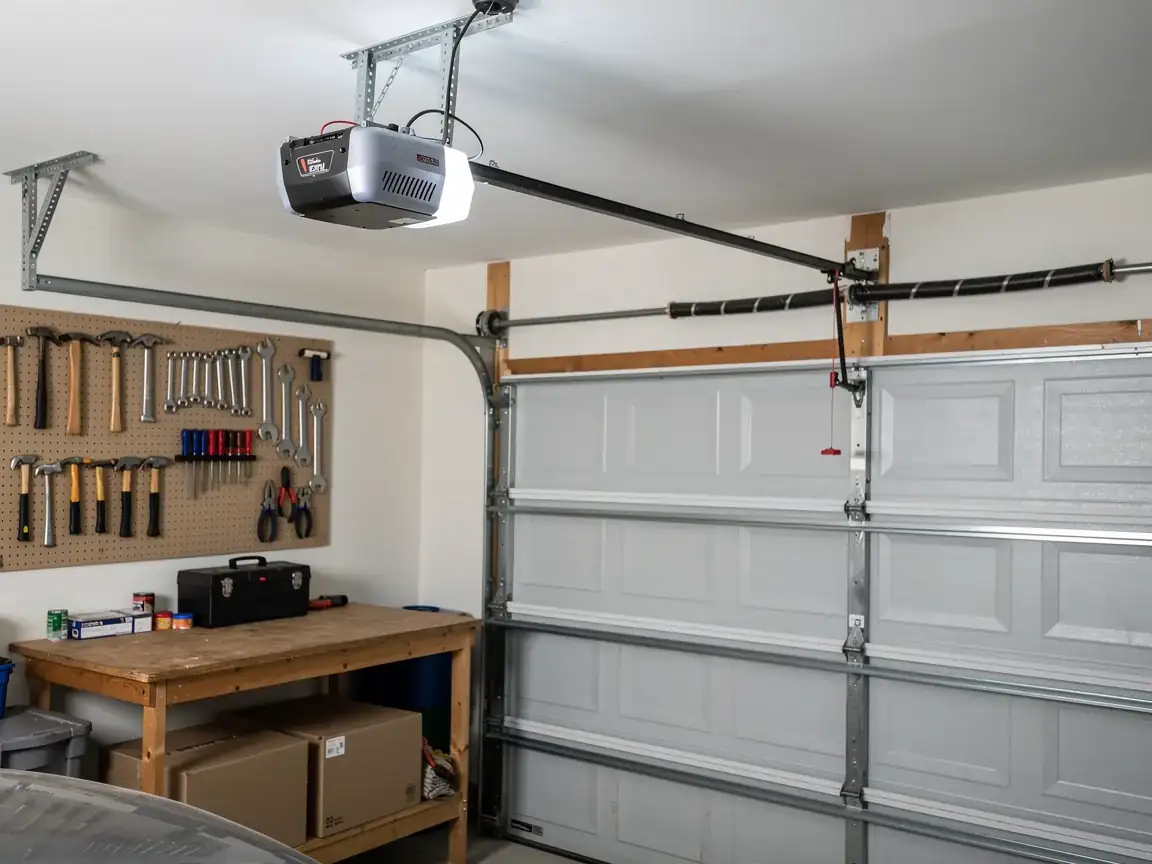
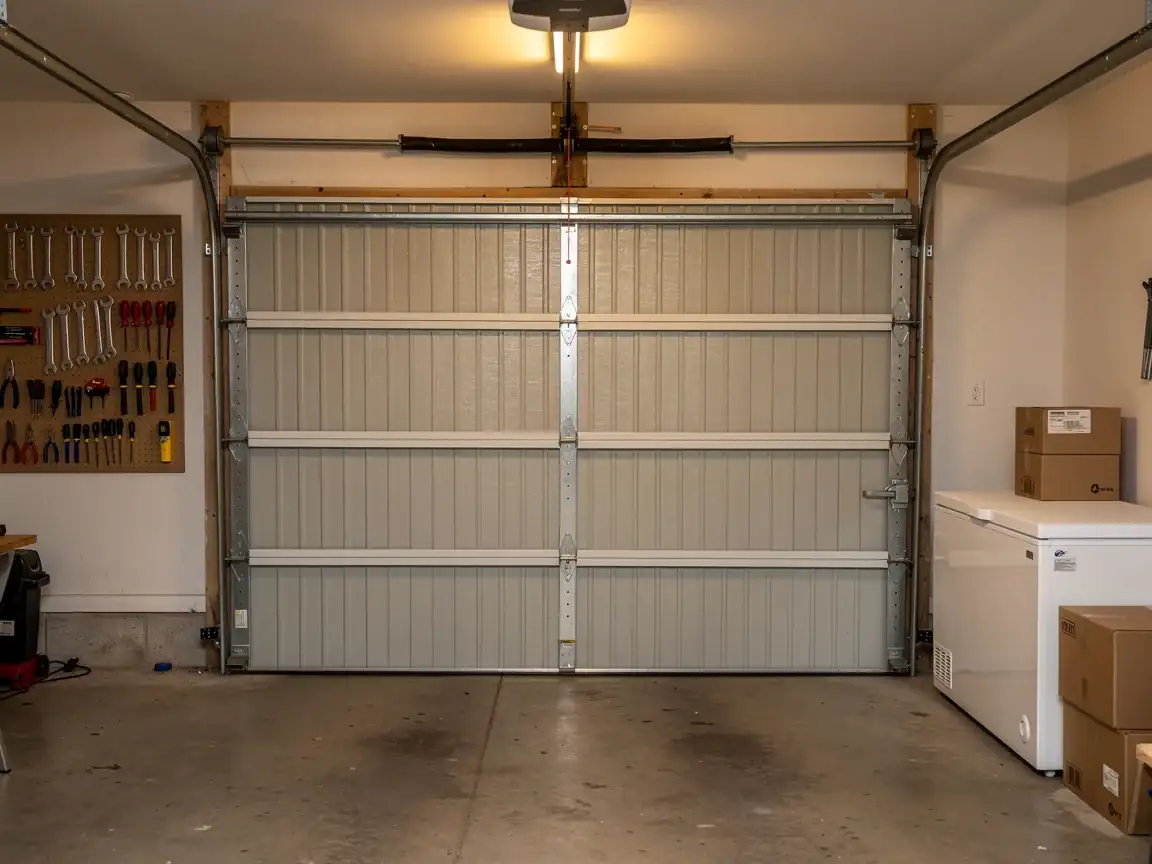
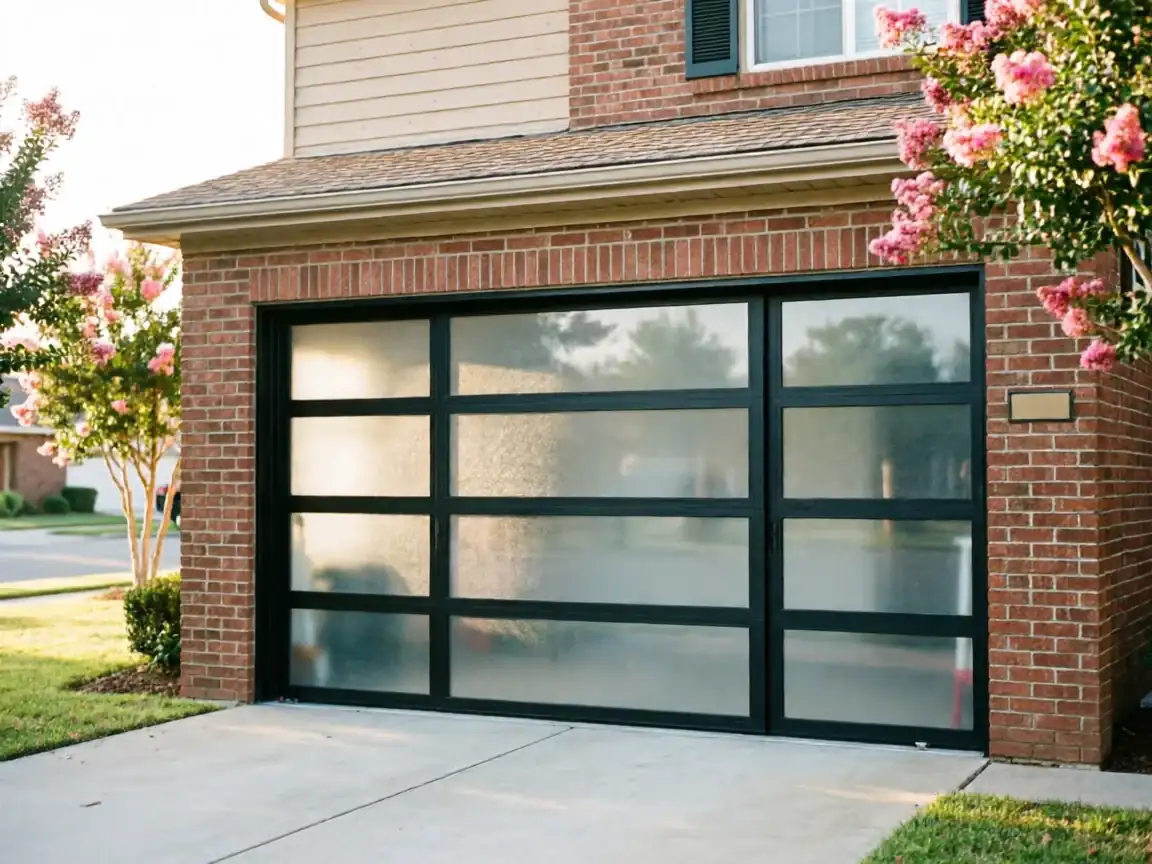
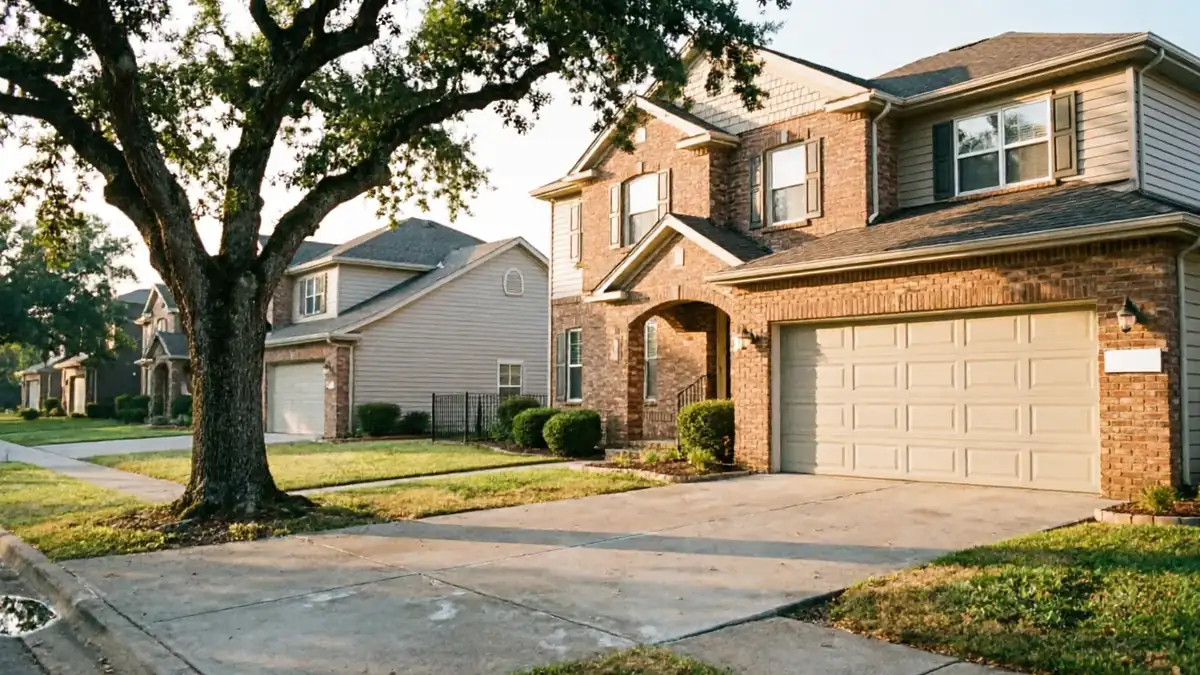
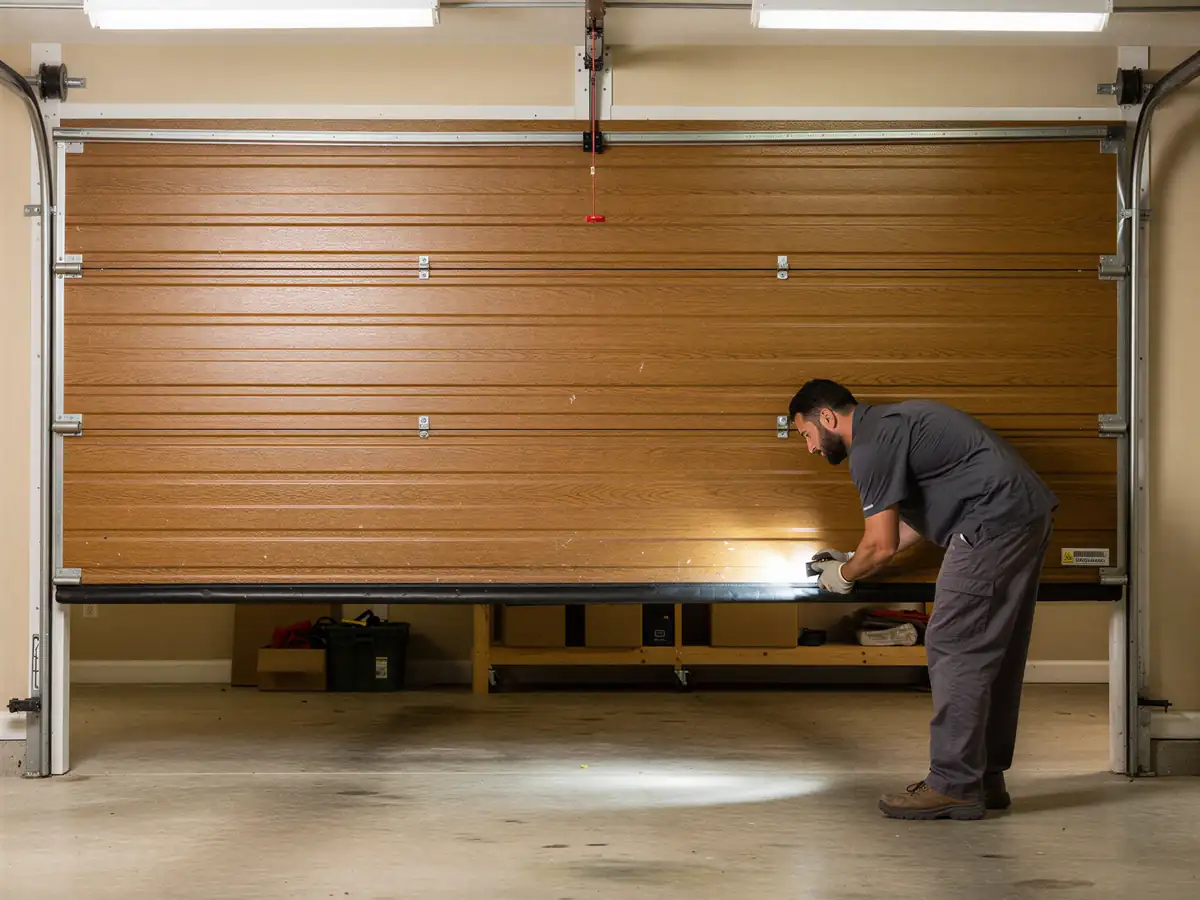
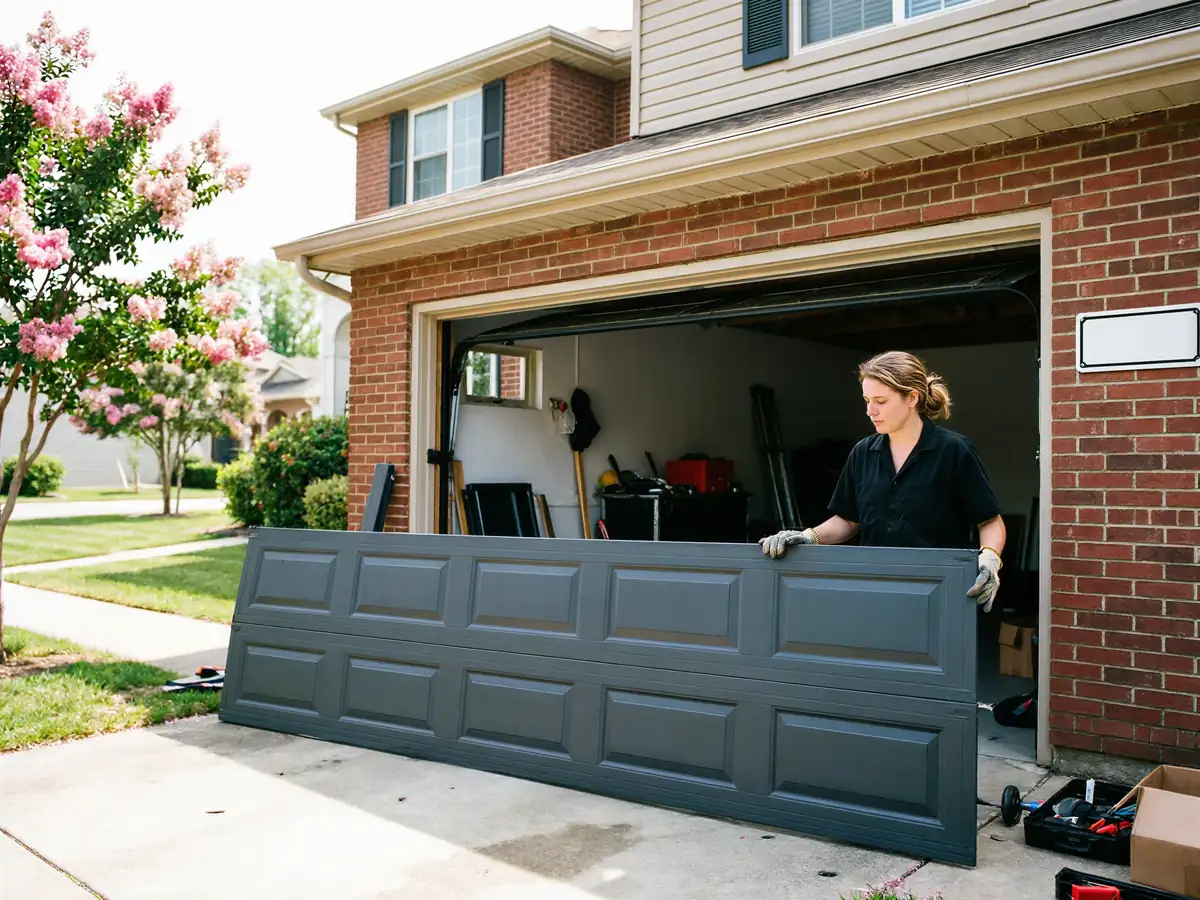
Deer Park sits about 13 miles out from our shop in Friendswood, which is close enough that a roller job doesn't turn into a half-day event, but far enough that we build the trip around having the right parts already on the truck before we leave. That matters here more than it does in some of the closer towns, because Deer Park's housing stock is older than a lot of what we see elsewhere in the service area - the median home here was built around 1981, compared to a broader range across our footprint that runs from 1956 up to 2014. A door installed in the early 1980s has usually been re-rollered once already, sometimes with whatever the original installer had on the shelf that week. If your door sounds like a shopping cart with a bad wheel, or it jerks and hesitates a few inches before the top of the track, that's a roller problem, not a spring problem or an opener problem. Steel rollers on these older tracks wear unevenly over four decades of Gulf Coast humidity, and the noise is usually your first warning, well before the roller actually fails and drops the door off the track.
Parts We Carry
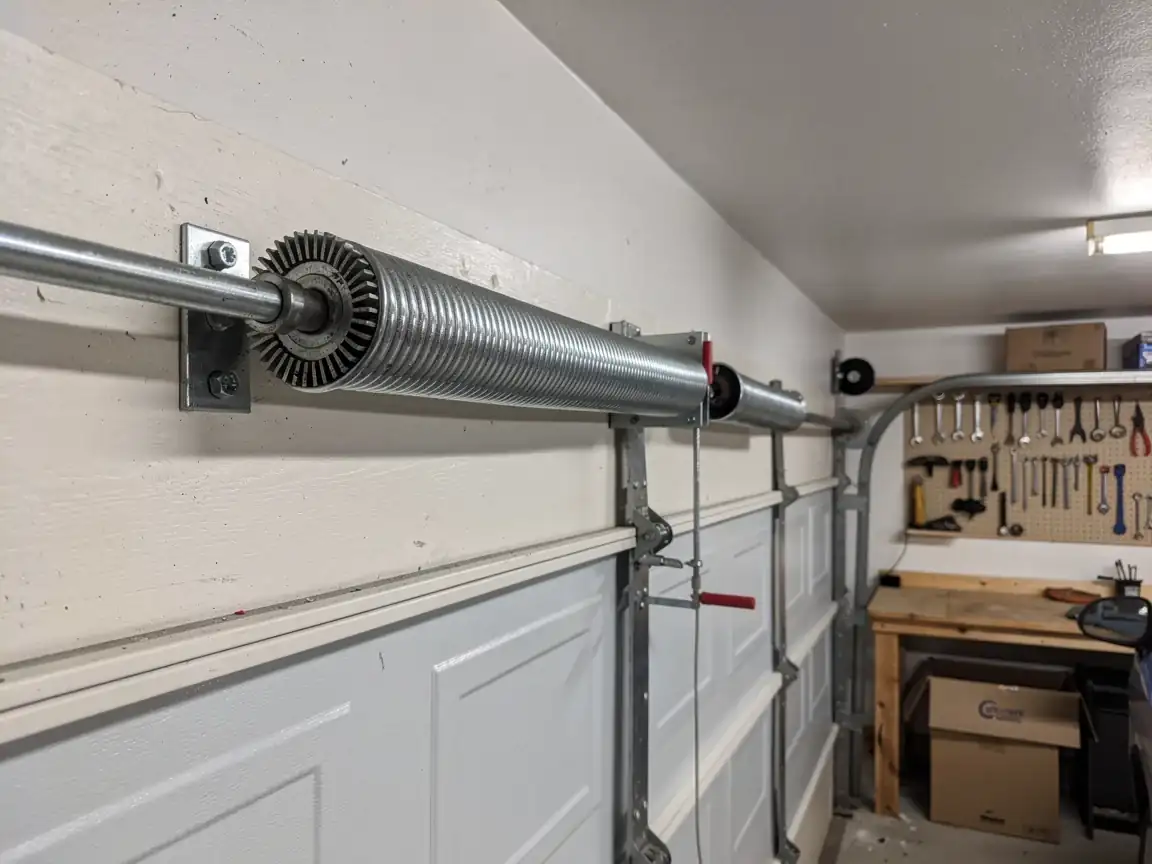
For a door of Deer Park's typical age, we're usually dealing with 2-inch stem rollers, sometimes 7-ball bearing steel units if nobody's touched the hardware since it was built, more often a mismatched mix if a prior owner did a partial fix. We carry nylon rollers with sealed bearings as the standard replacement - quieter than steel, no lubrication schedule to keep up with, and they handle the mild, occasional-freeze climate here without the metal fatigue that steel rollers show over time. We stock the full-length stems for tracks that have widened slightly with age, which is common on doors from the early 1980s where the track itself has taken decades of flex. We don't carry every obscure stem length or specialty bracket on the truck for every call; if your track hardware is a nonstandard size, we'll tell you that up front rather than make something fit that shouldn't.
What You Pay
We don't post a flat number here because roller count, stem length, and whether the track needs realignment all move the price. What we can tell you is that Deer Park households have a median income of $95,233, noticeably higher than the broader service area's $82,018, and that doesn't change what the job costs - parts and labor price the same no matter the street. What it does mean is we're not going to upsell a full track-and-roller overhaul when a straightforward roller swap solves the noise and the binding. If a quote comes back high, ask what's driving it: bent track, bad bearings, or rollers that are simply original equipment and overdue.
Why It Happens Here
The region's climate band is mild with occasional freeze, which sounds easy on hardware compared to real winters, but it's actually a slow grind on steel rollers - humidity swings corrode bearings gradually instead of cracking them outright, so owners often don't notice until the roller is seizing rather than just wearing. Combine that with a housing stock centered around 1981, and you've got forty-plus years of exactly that slow corrosion on original or first-generation replacement hardware. Newer construction elsewhere in our service area, built in the 1990s or 2000s, hasn't had the same stretch of time to wear through. Deer Park's age profile puts it squarely in the window where roller failure is common, not rare, and it's usually the rollers failing before anything else on the door does.