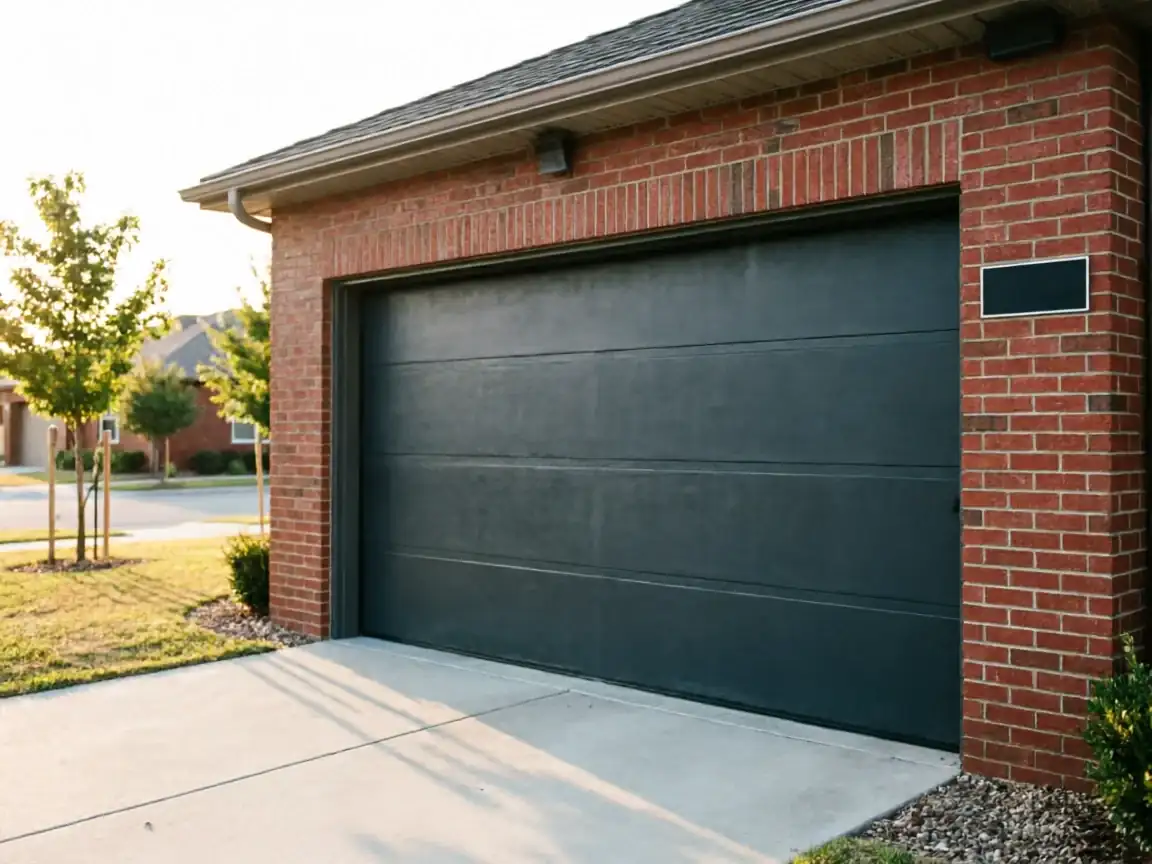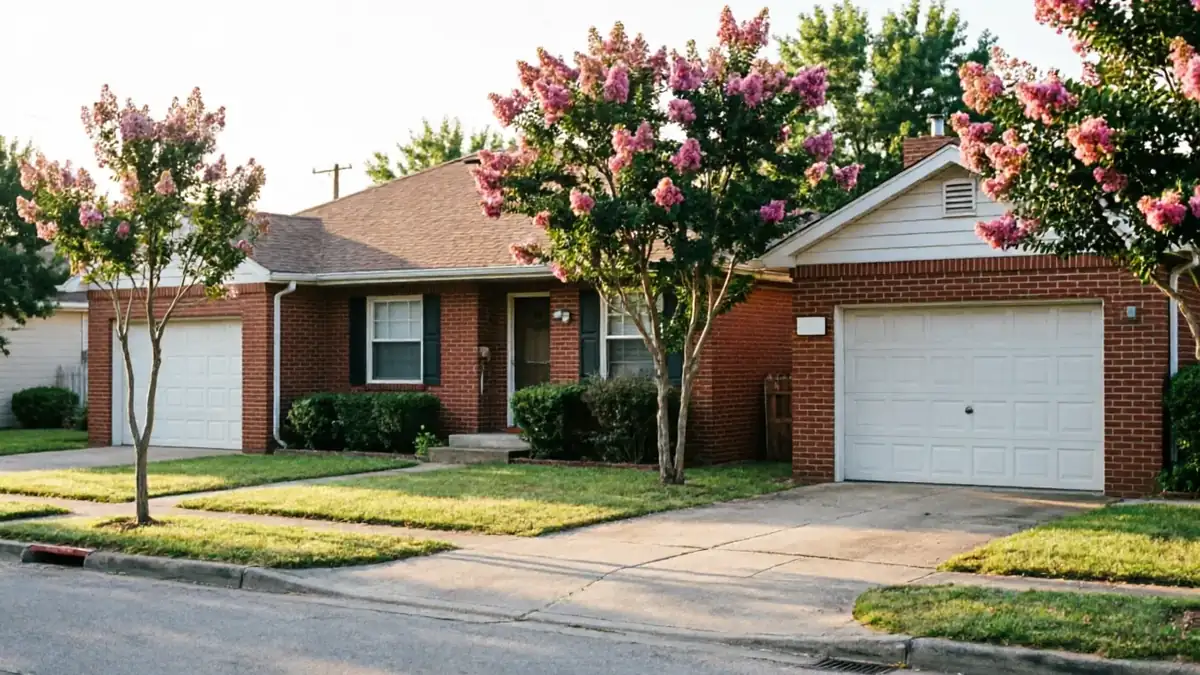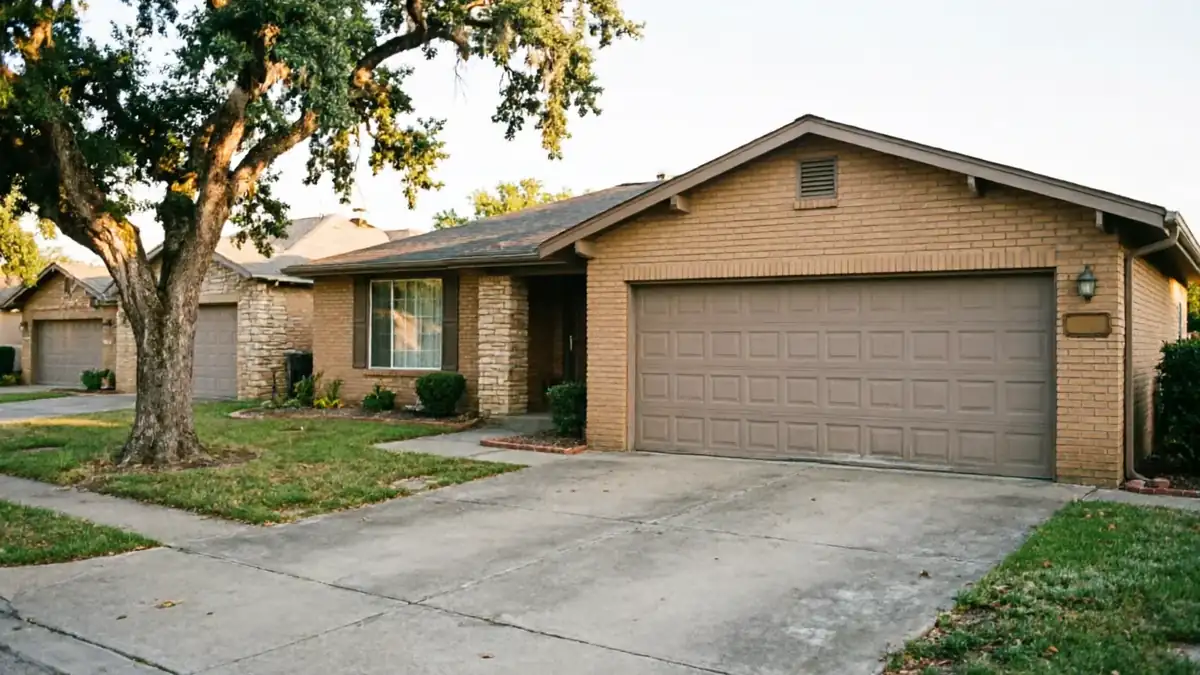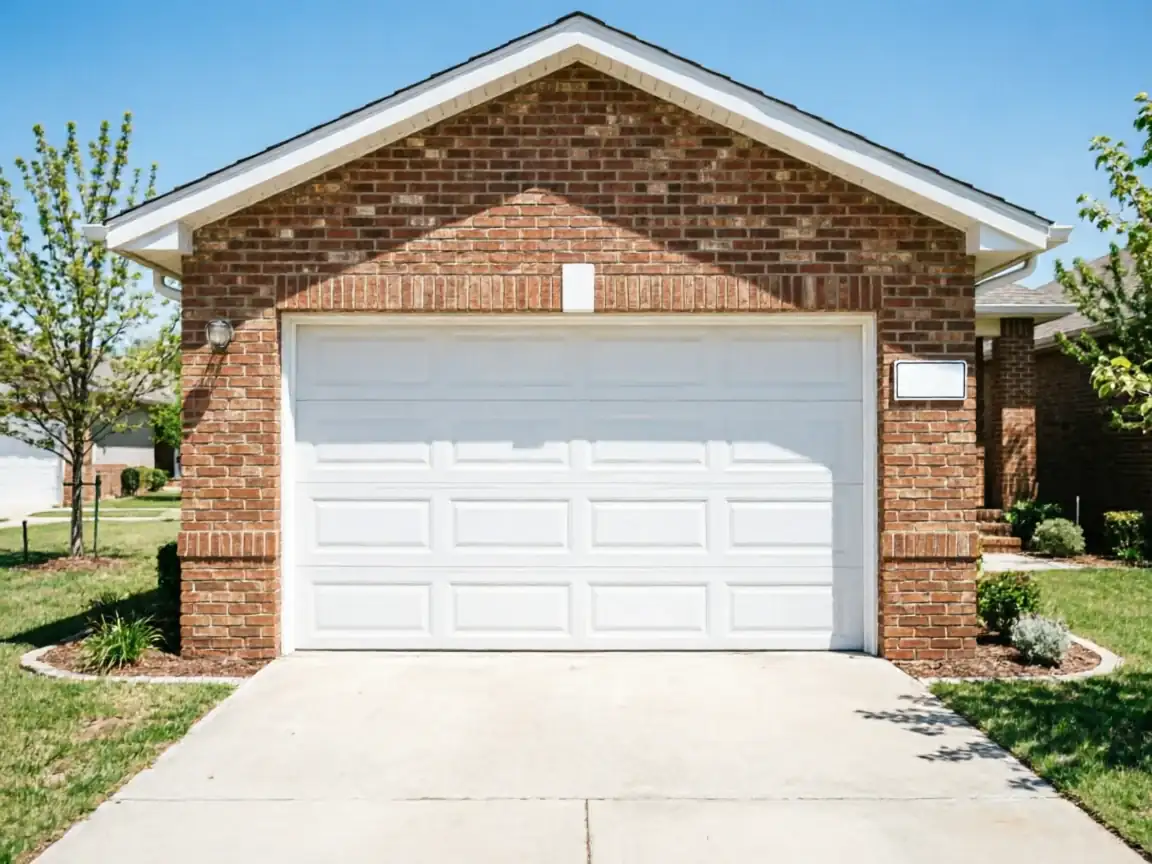
What You Are Seeing
Deer Park's median household income runs $95,233, well above the $82,018 median across our service area, and that number matters more than it looks. When a torsion spring breaks on a door that's already 35 years old, a homeowner at this income level is less likely to pay to patch a worn opener and more likely to ask for a straight replacement estimate instead. We see that shift in Deer Park more than in lower-income pockets of the area.
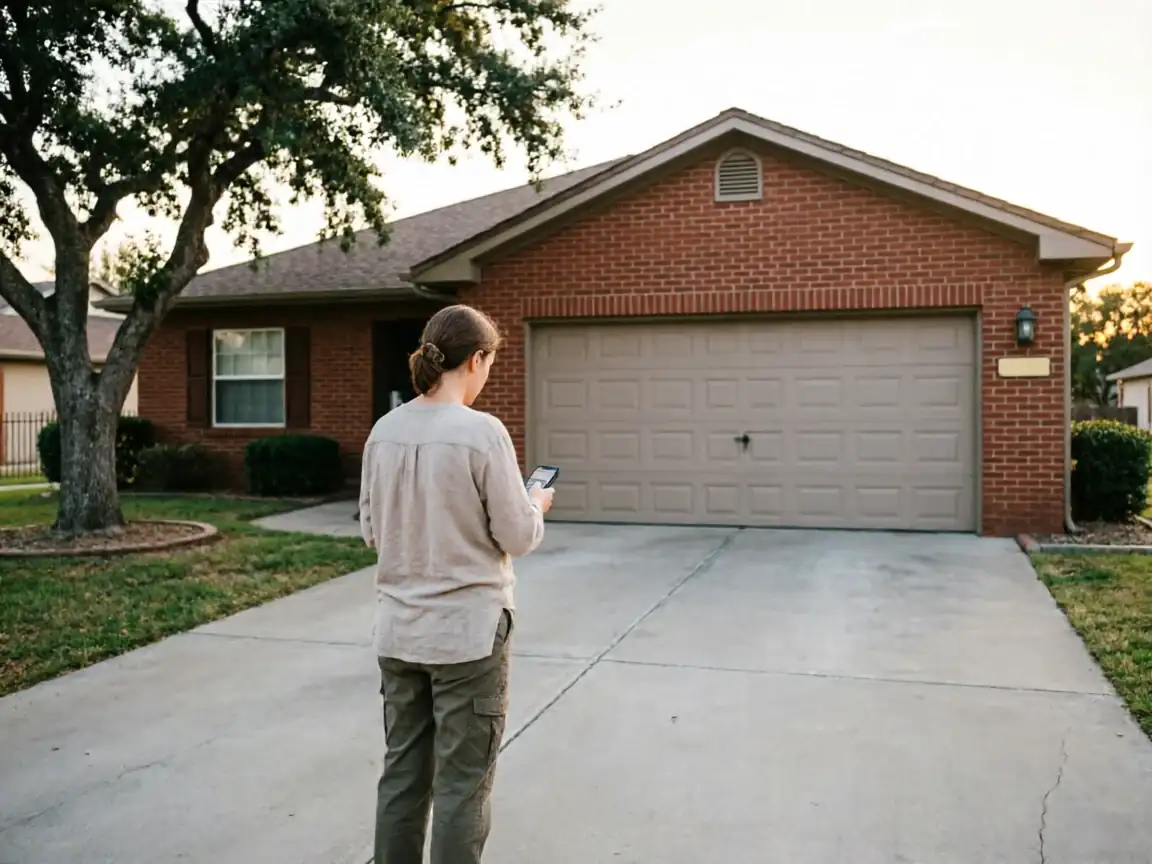
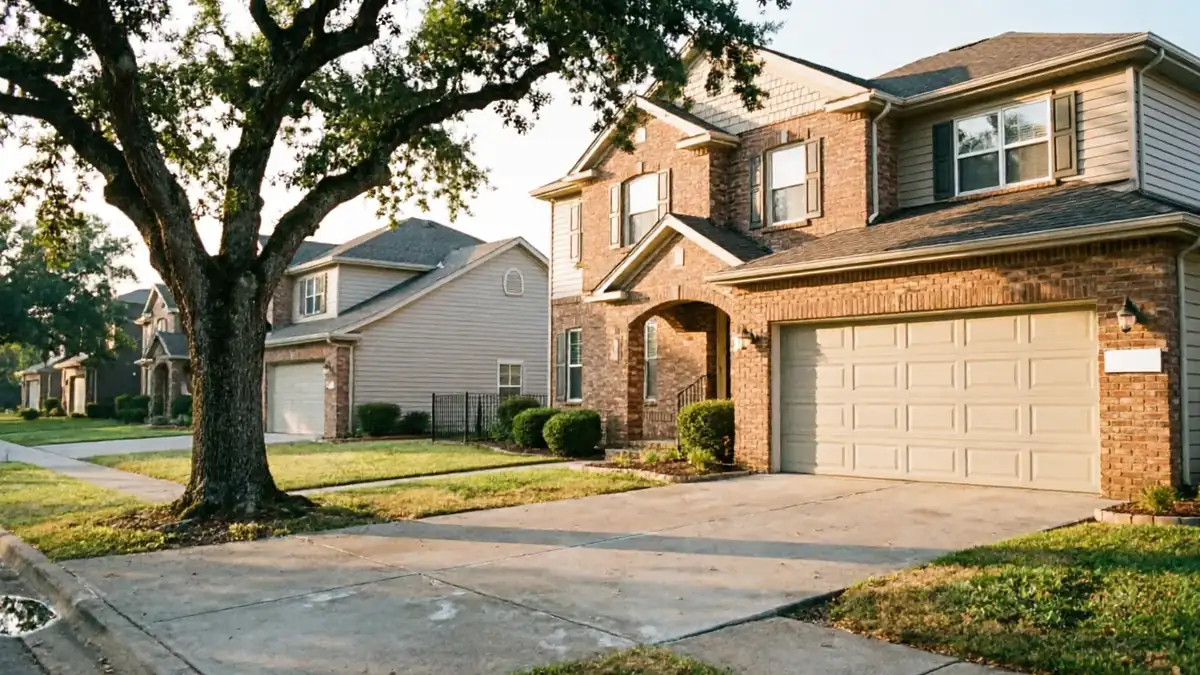
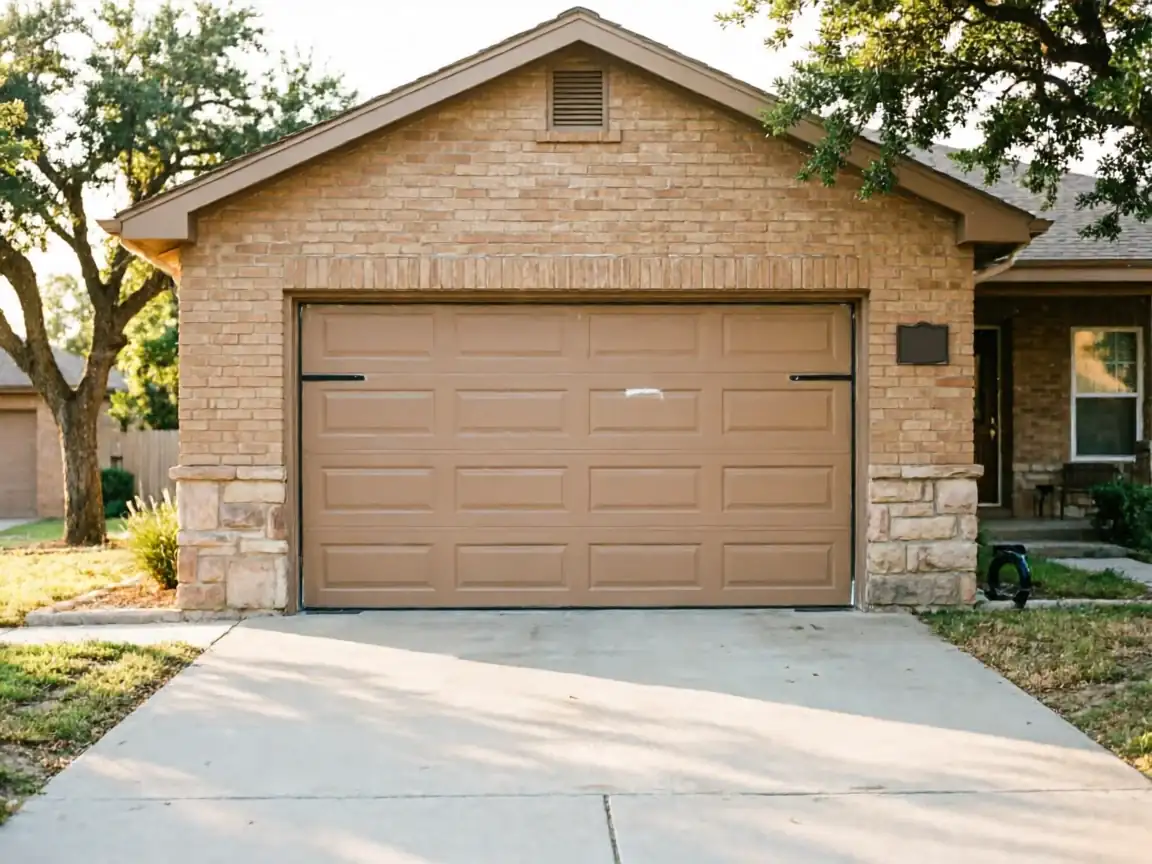
The houses themselves tell the other half of the story. Deer Park's median year built is 1981, a bit older than the 1987 median across the 24 areas we cover, where homes went up anywhere from 1956 to 2014. A door installed when a 1981 house was new is on its third or fourth opener by now, and the original track and roller setup is long gone in most cases - what's there now is whatever got swapped in over the decades, not always to code.
We come out from Friendswood, about 13 miles away. There's no branch or drop box in Deer Park - every job is a scheduled truck run, so we're not the people to call for a same-day walk-in fix. We just don't have a presence on the ground there.
Parts We Carry
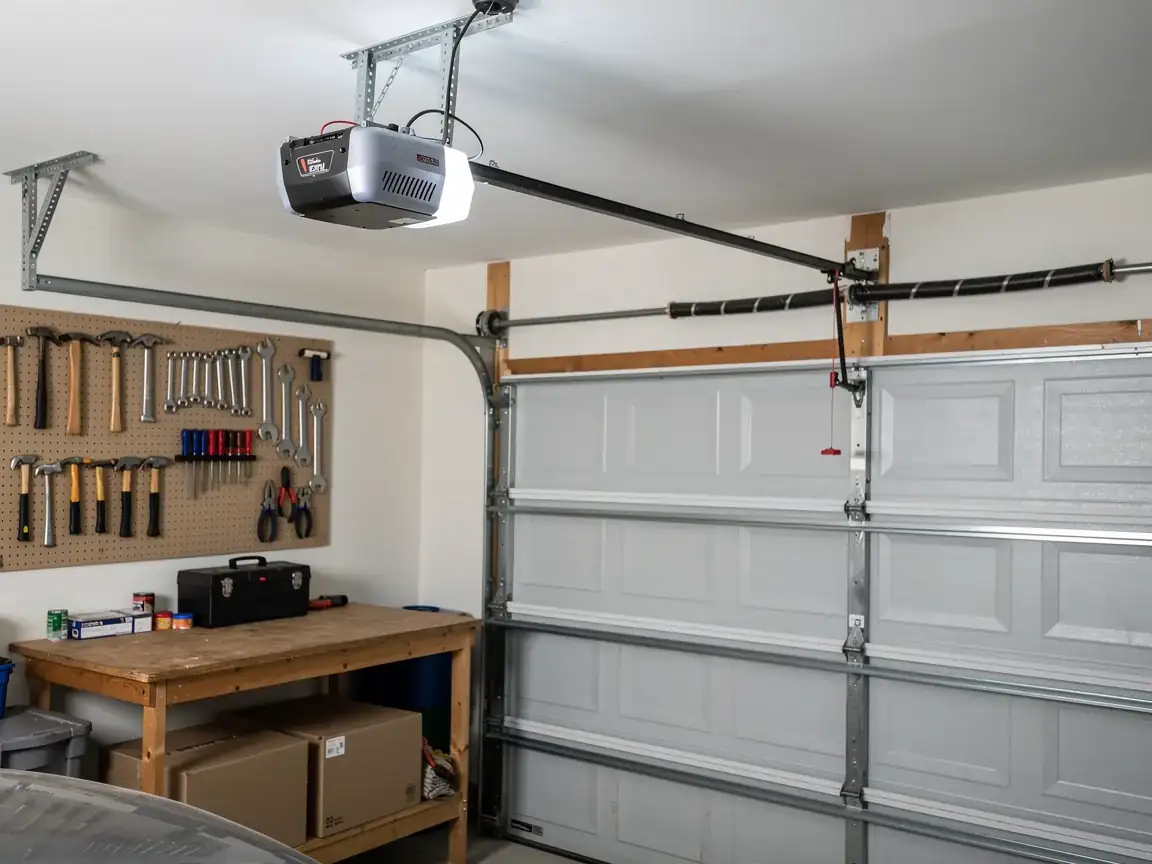
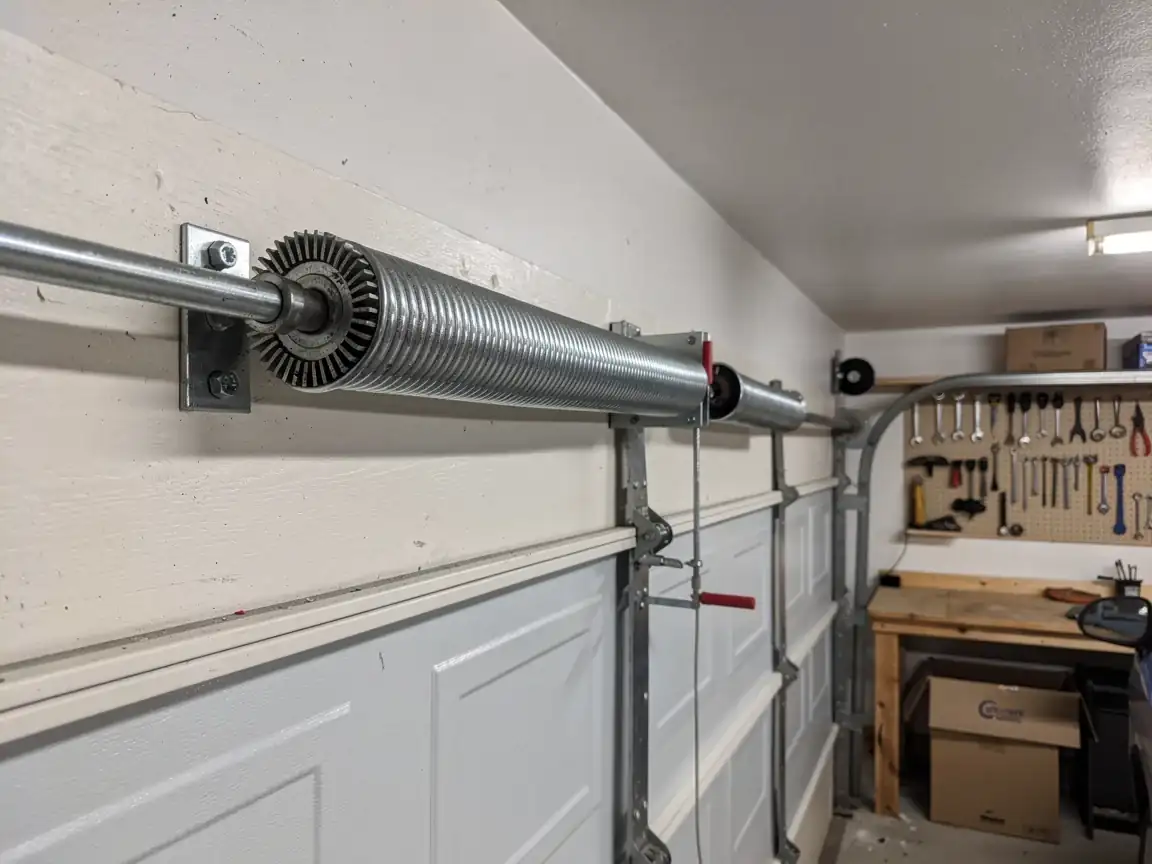
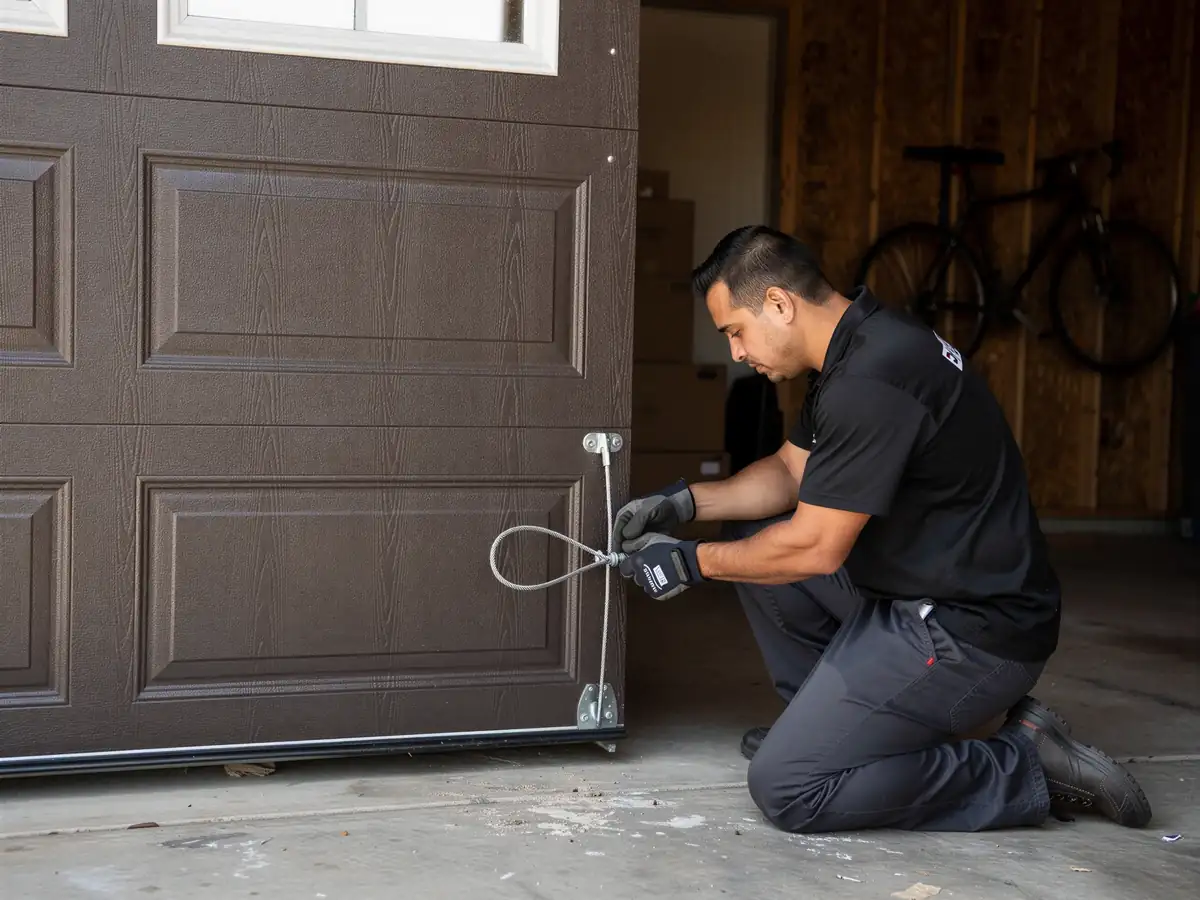
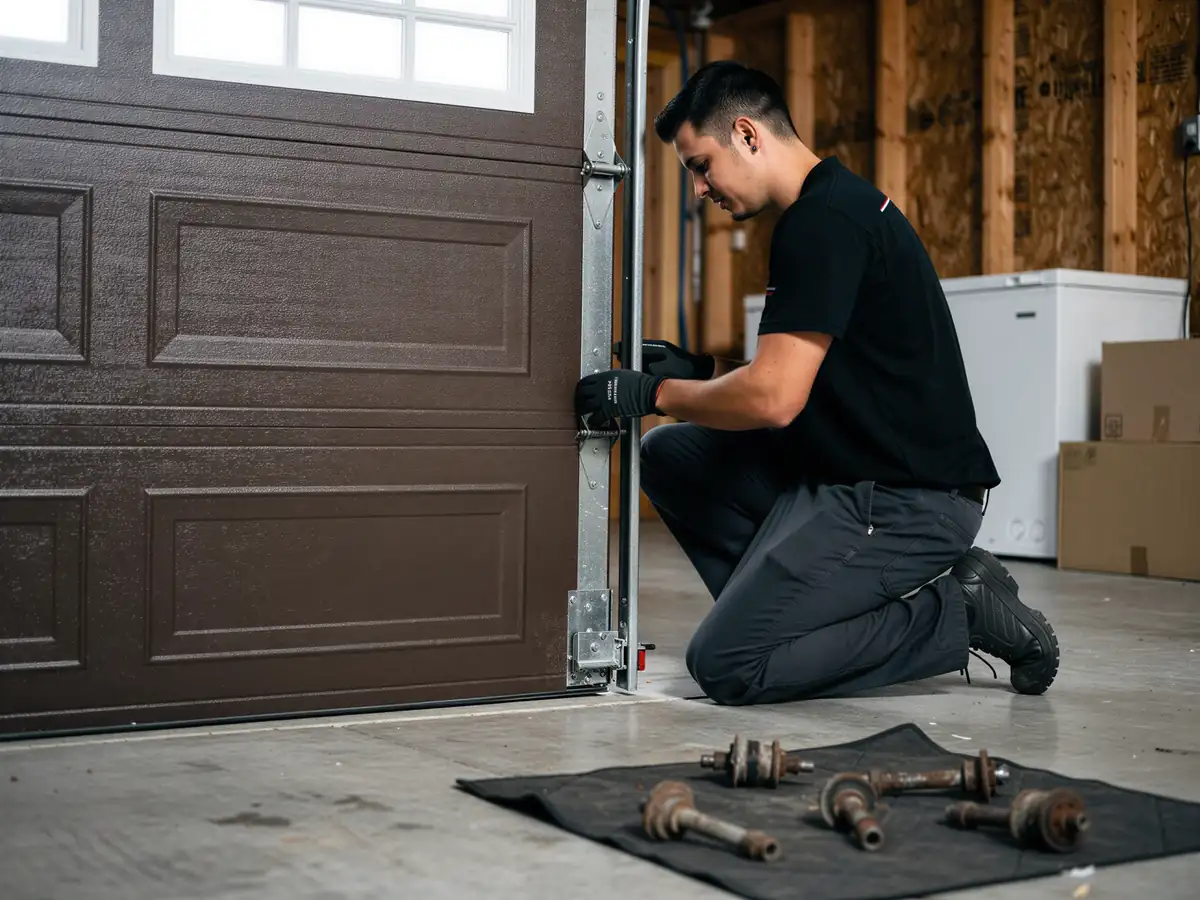
On a truck built for 1980s housing stock, the parts that get used most are torsion springs sized for older steel doors, standard-lift cable, and replacement rollers for tracks that have gone out of true after 30-plus years of thermal cycling in a mild climate with occasional freeze. Deer Park's building stock skews toward doors and openers installed well before current opener safety standards, so we also carry photo-eye sensor kits and reversing mechanisms to bring an older setup up to a safer baseline without replacing the whole door.
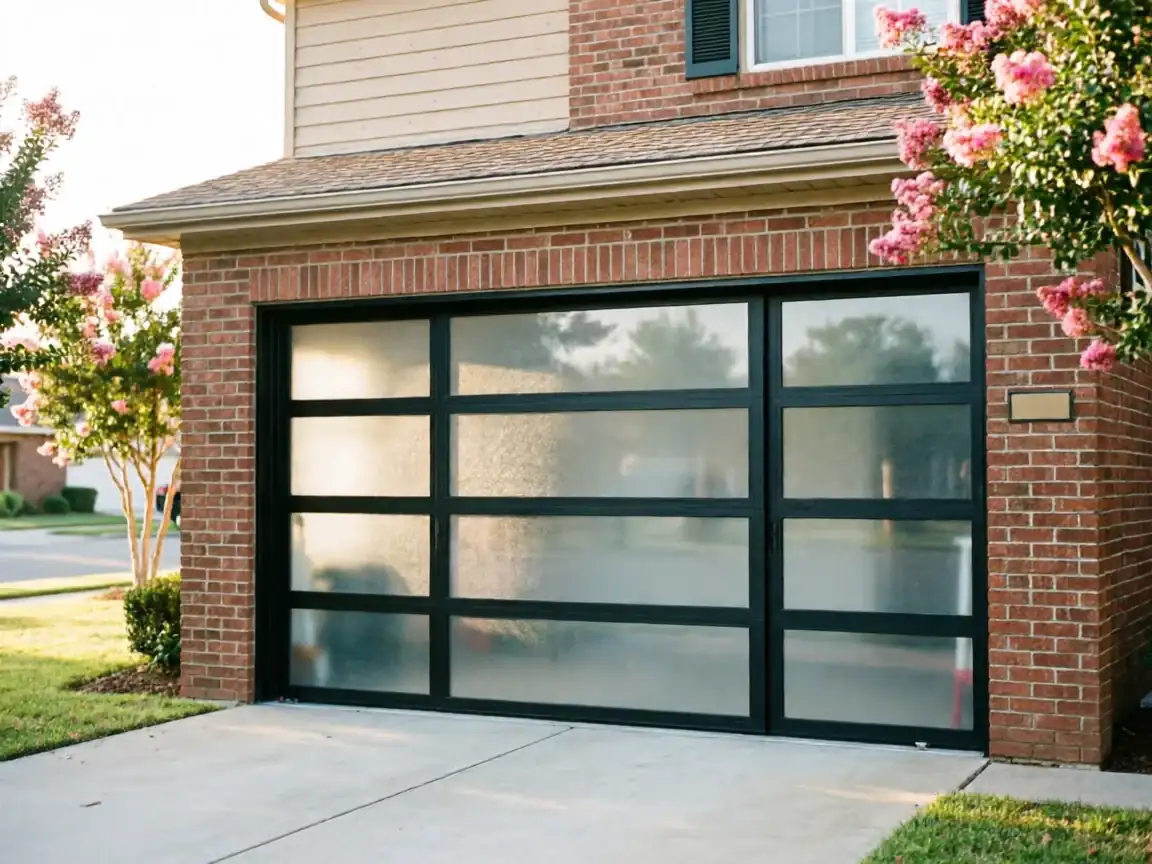
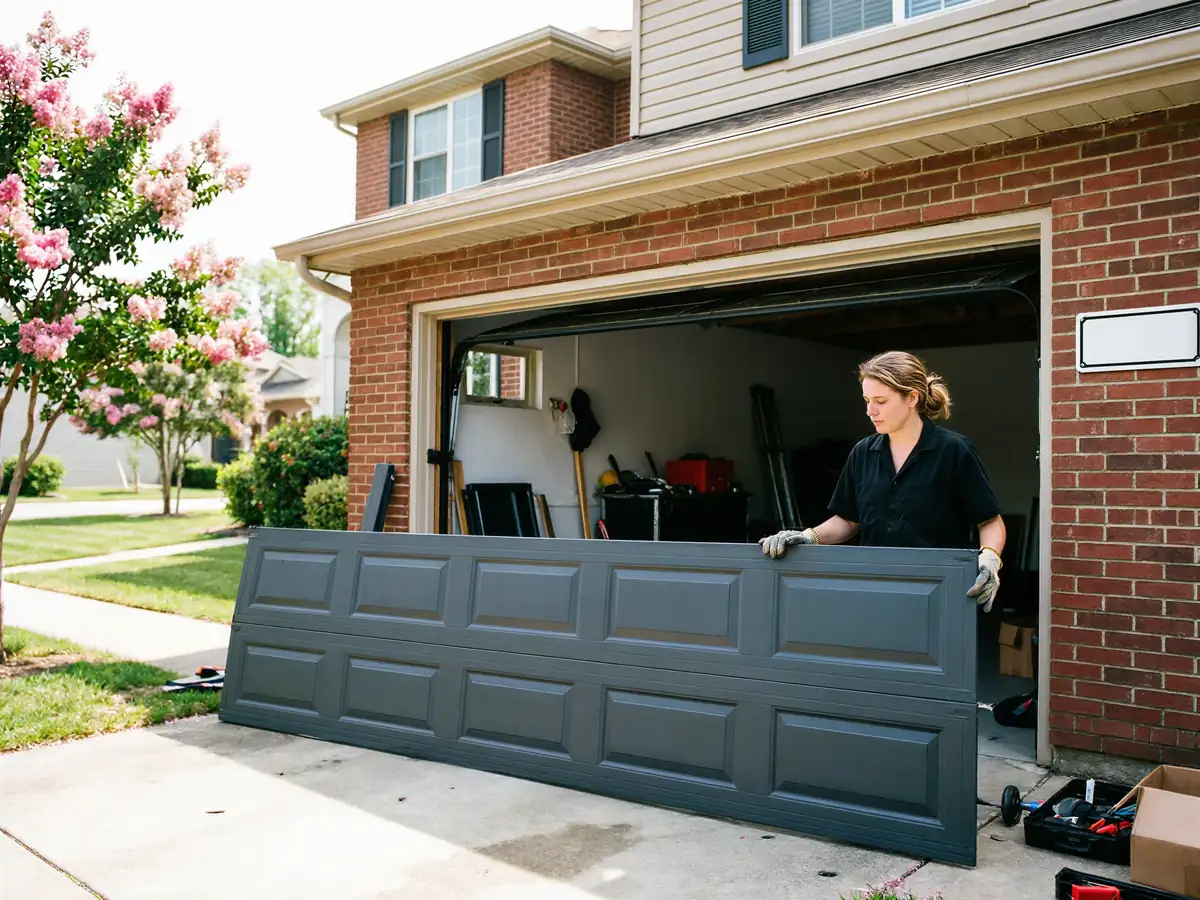
We don't stock every obsolete panel style. If a Deer Park door is an old steel panel pattern that's been out of production for years, we'll tell you straight that matching a single panel isn't realistic and a full door is the more honest answer - trying to force a mismatched panel onto an old frame usually costs more in labor than it saves.
What the Fix Involves
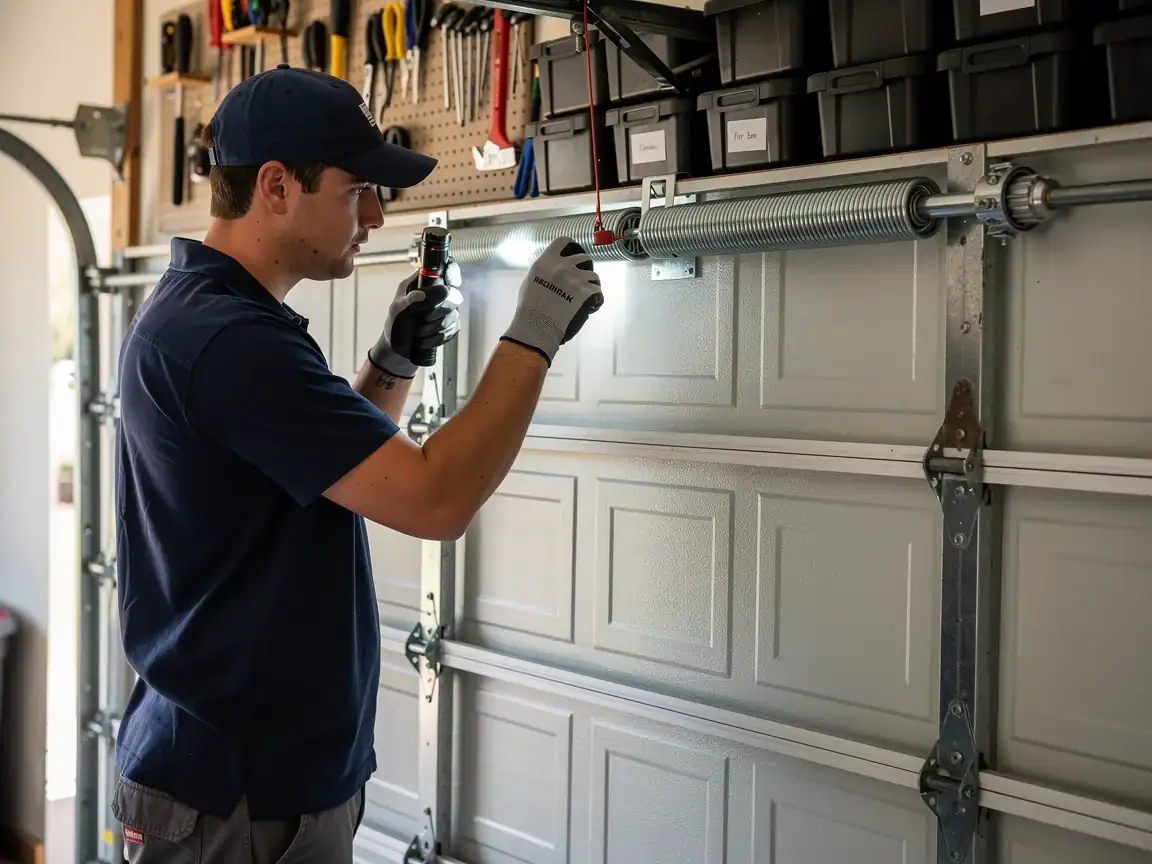
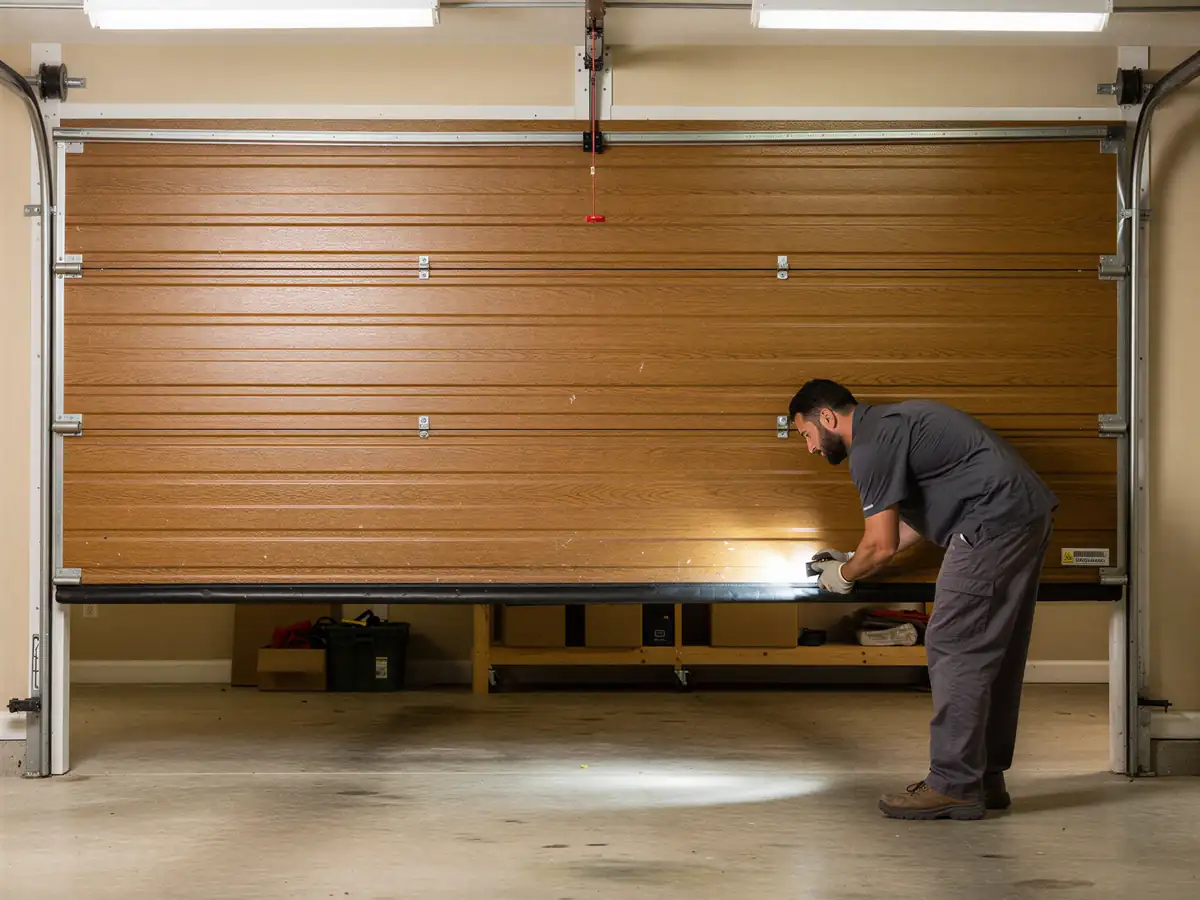
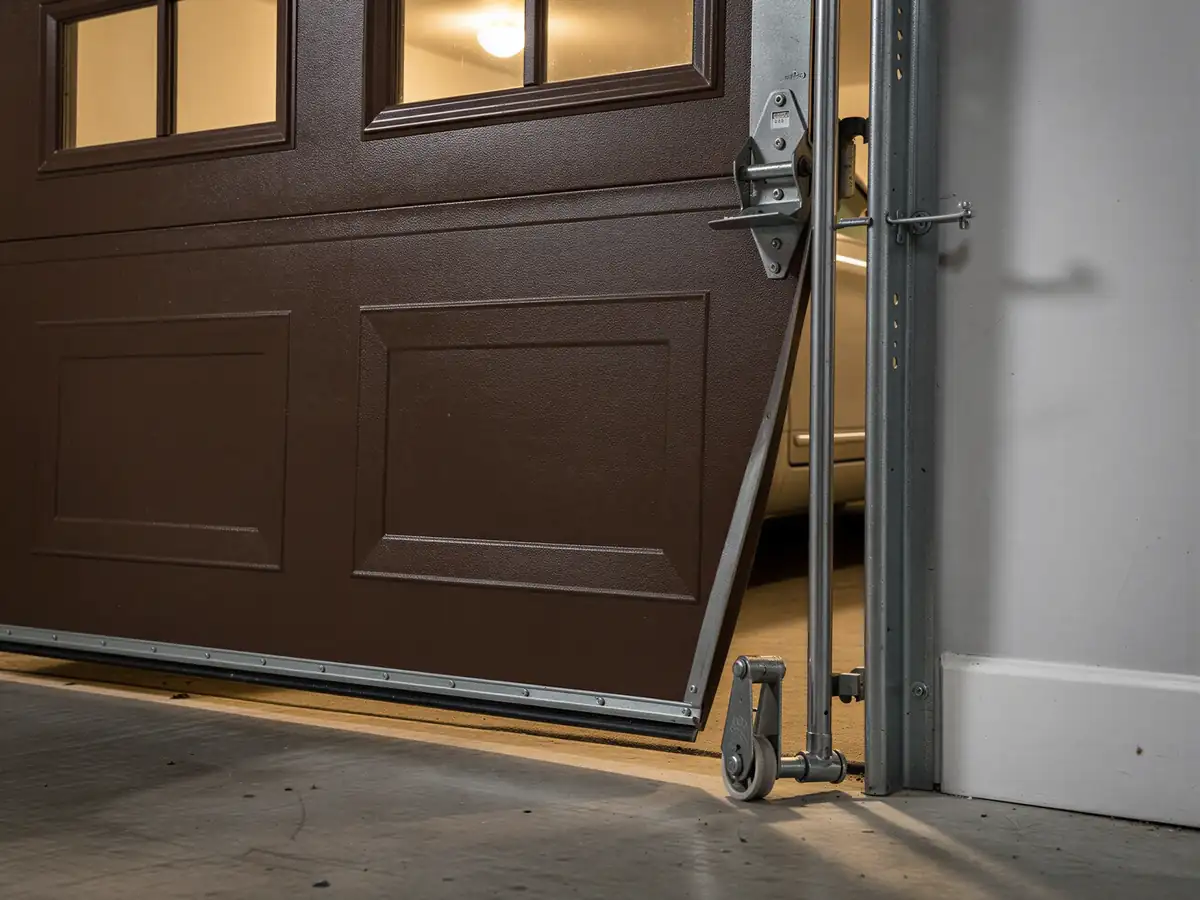
A typical spring job on a Deer Park door starts with checking the drum and cable against the door's actual weight
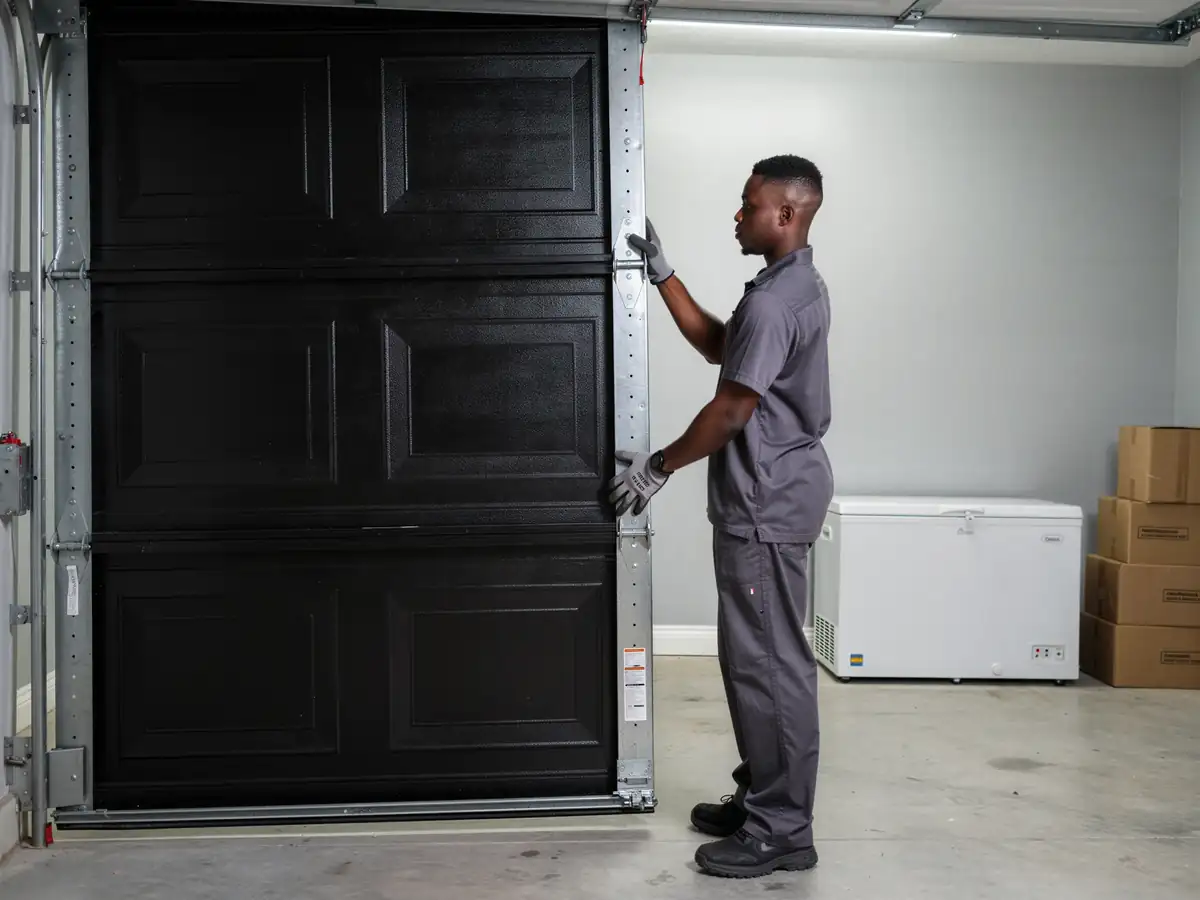
Not just its age - a mismatched spring is a common leftover from a prior repair on an older house. On a 1981-era structure, we're also checking whether the track was ever reset square, since decades of settling do more to garage door alignment than people expect.
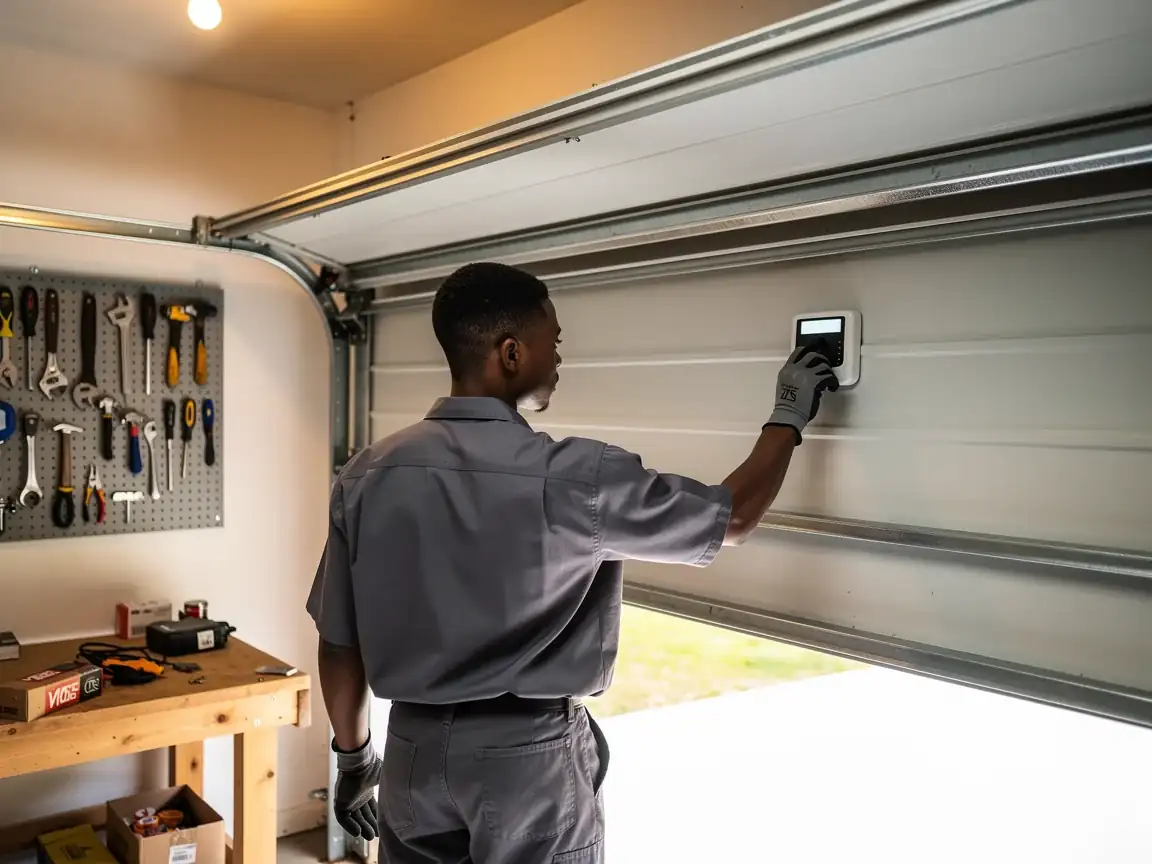
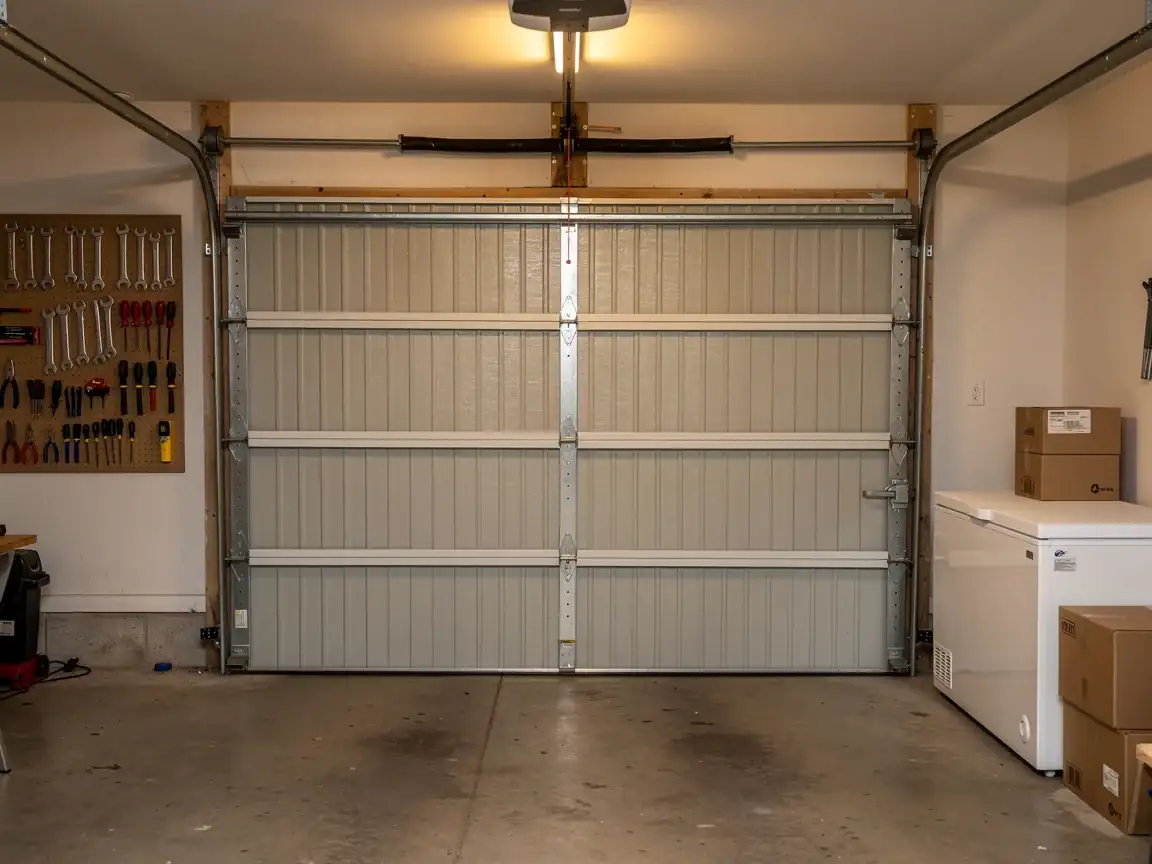
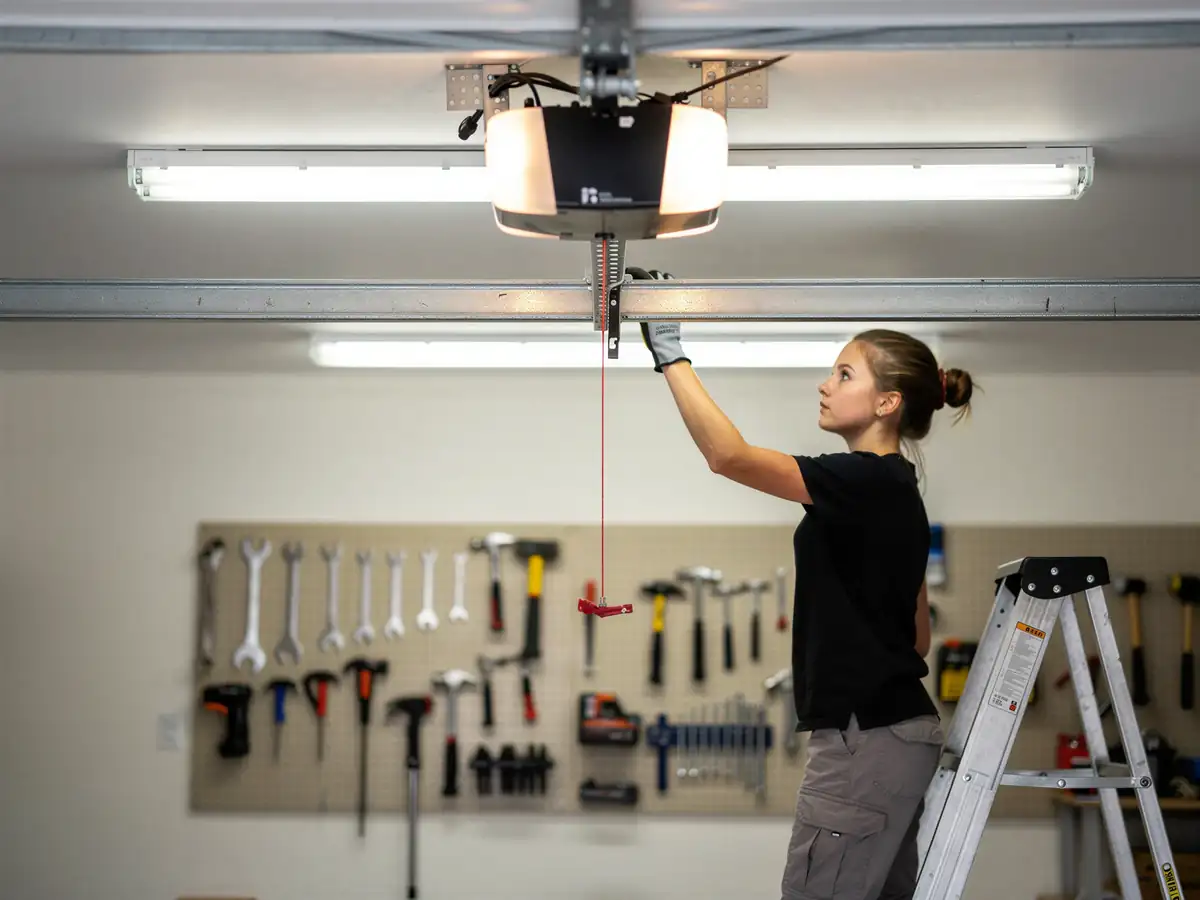
For opener work, the question is usually whether the unit has a working auto-reverse safety feature
On houses from this era, it's common to find openers that predate that safety requirement, installed before current standards were in place. Where that's the case, we explain what's required versus what's optional, and let the homeowner decide rather than pushing a sale.
What You Pay
We don't have a posted price list broken out by town, and prices vary by door size, spring count, and what's actually failed. What we can say is that the repair-versus-replace line sits differently in Deer Park than in lower-income parts of our coverage area, given the median income of $95,233. For a door already past 35 years old, replacement often pencils out better than a string of repairs on original hardware, and we'll lay out both numbers before we start work rather than defaulting to the cheaper-looking option.
Why It Happens Here
Deer Park's housing stock dates to a median of 1981, and across the wider service area homes run from 1956 to 2014. That gap matters for hardware: a door and opener from the early 1980s has usually been serviced piecemeal over 40-plus years, with parts from different eras bolted together. We work under a mild climate with occasional freeze across this region, which is easier on steel and springs than a harsh winter zone, but it doesn't stop torsion springs from fatiguing out on their own clock, regardless of weather.
With 11,829 households in Deer Park, there's a real range of maintenance history behind those doors - some kept up, some not touched since installation. That's part of why we check the whole system on every call instead of assuming the original spring size or track alignment is still correct.