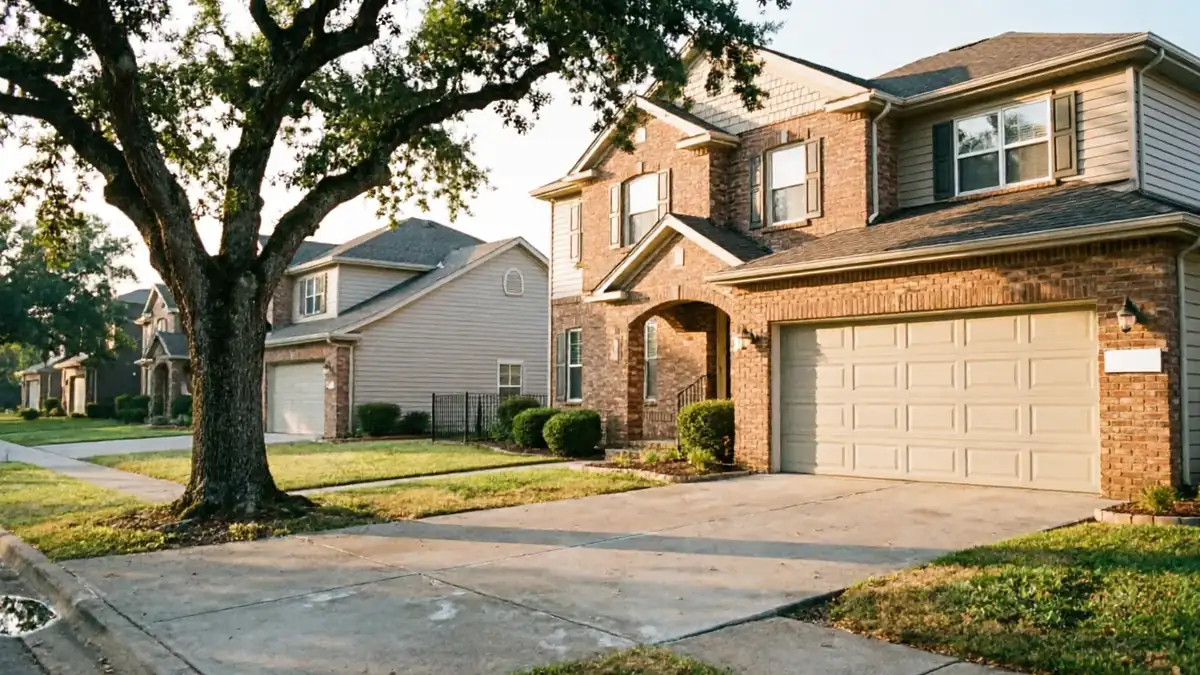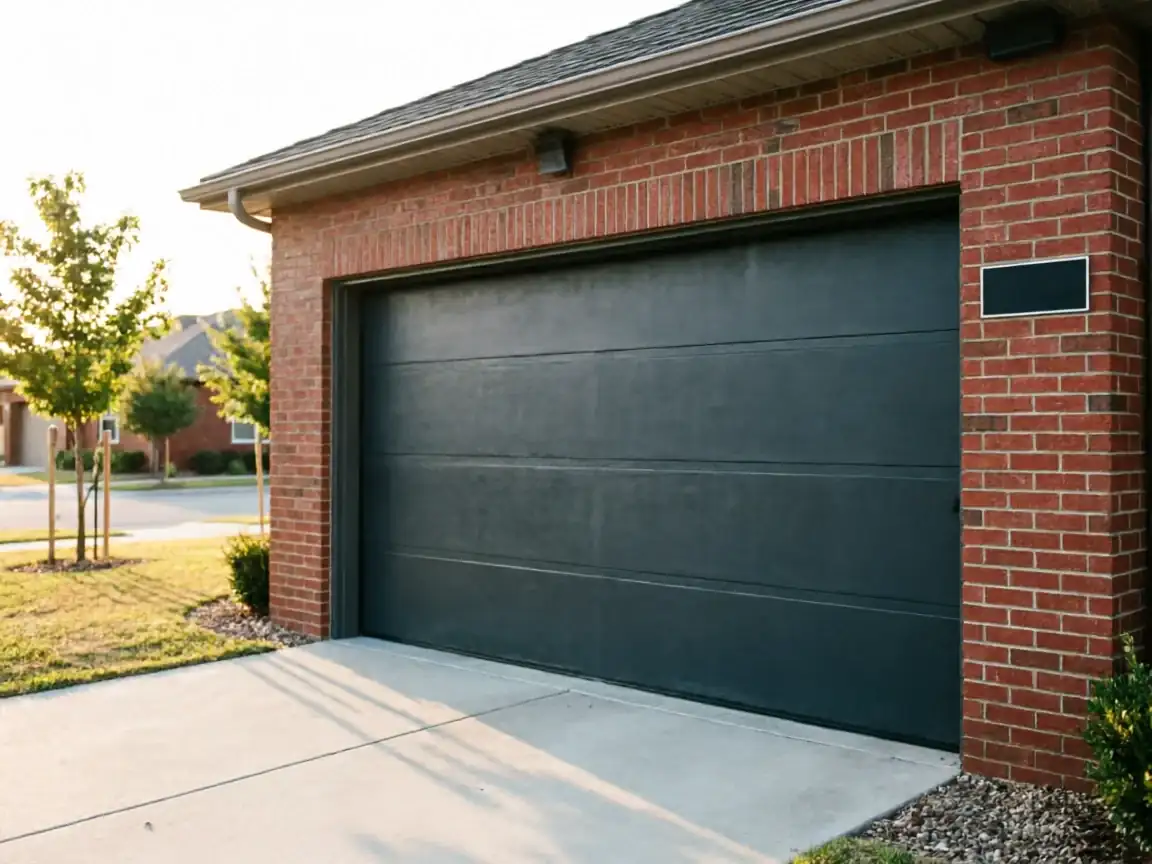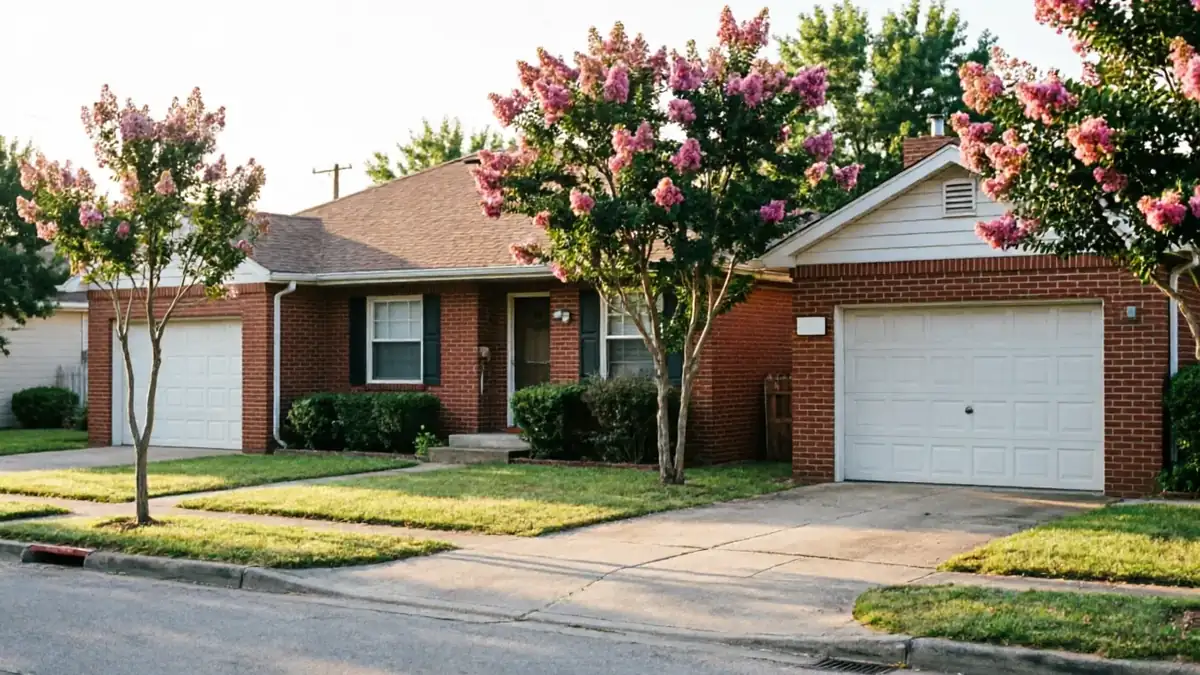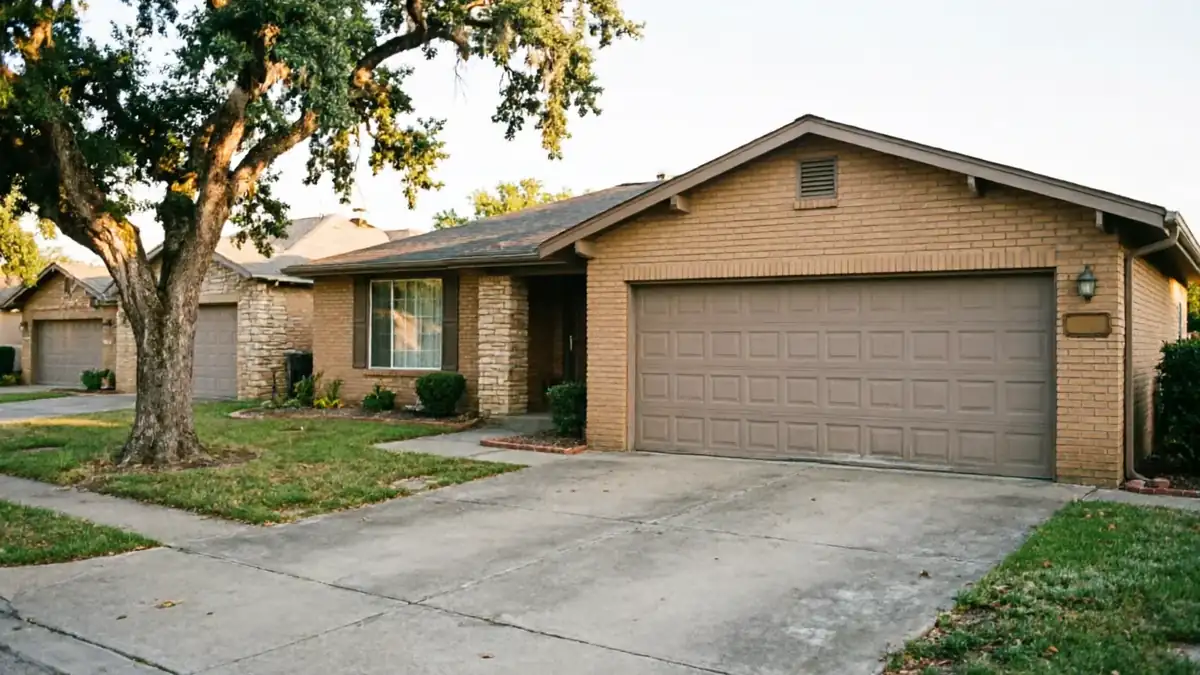
What You Are Seeing
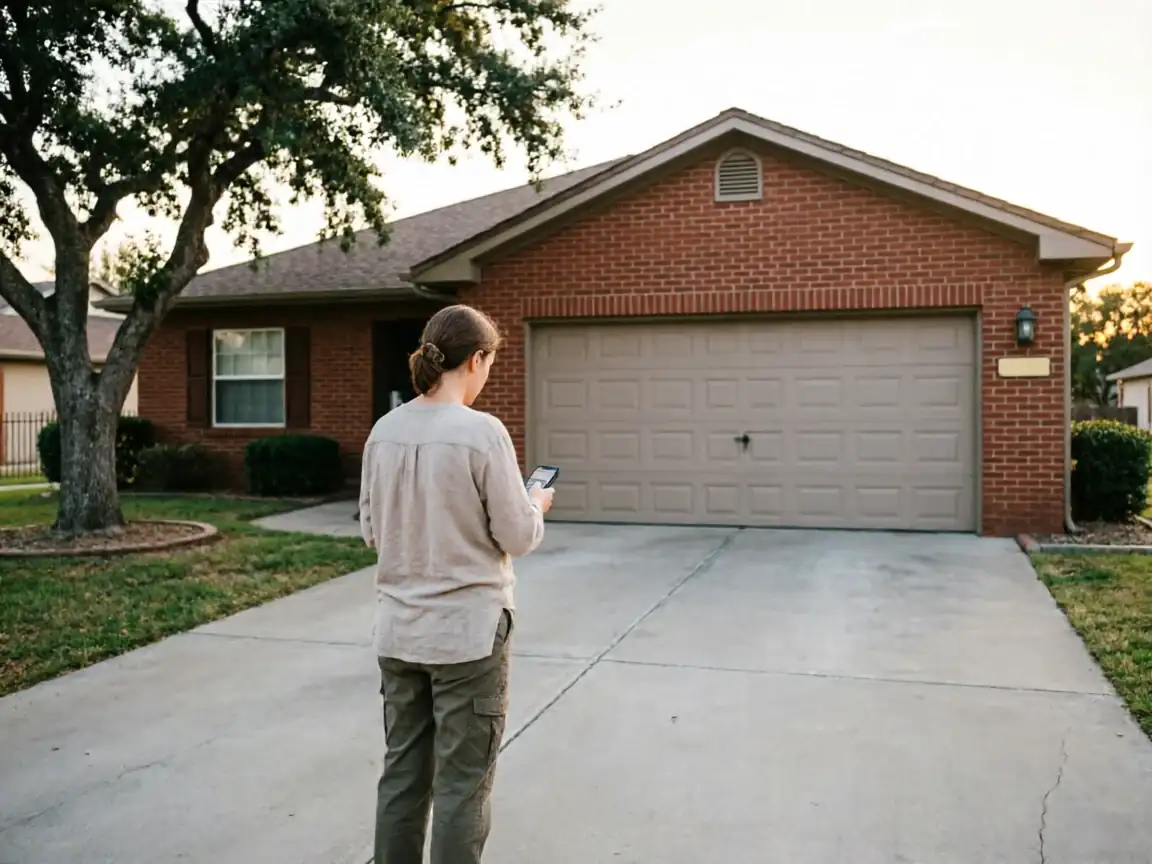
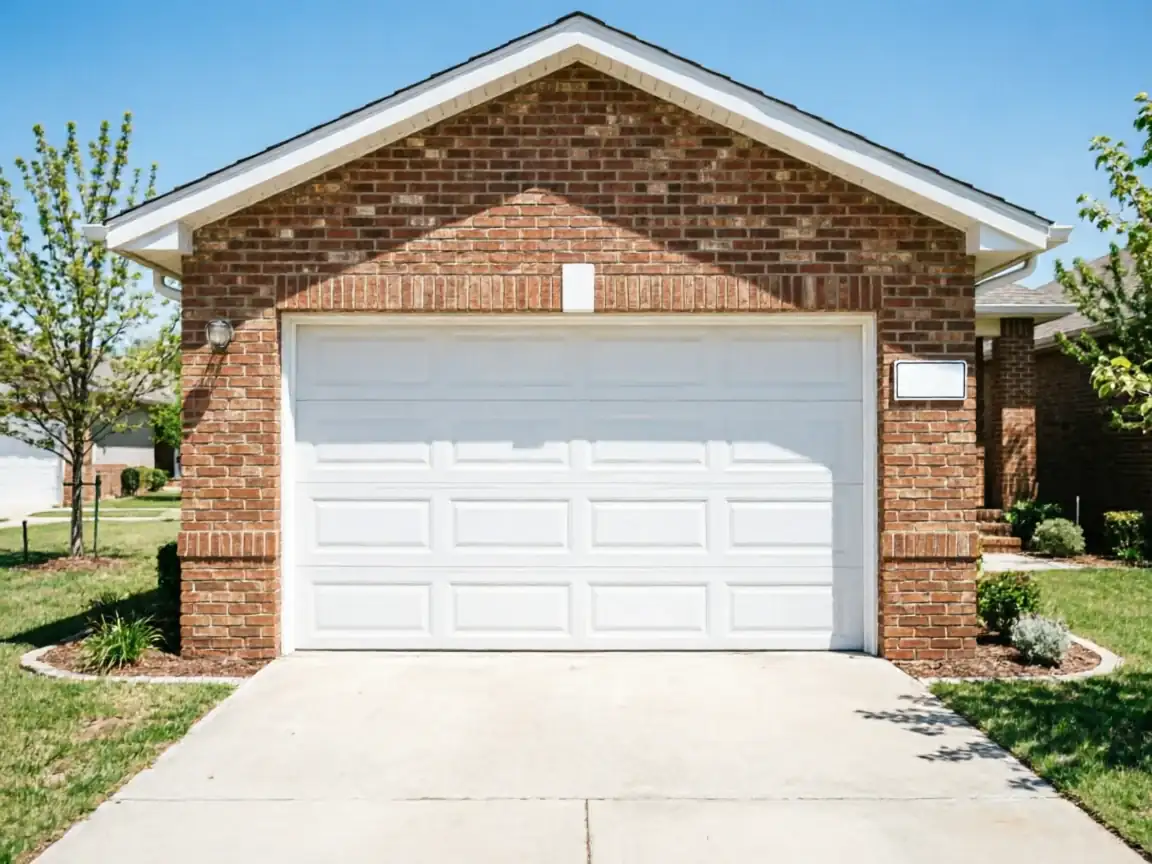
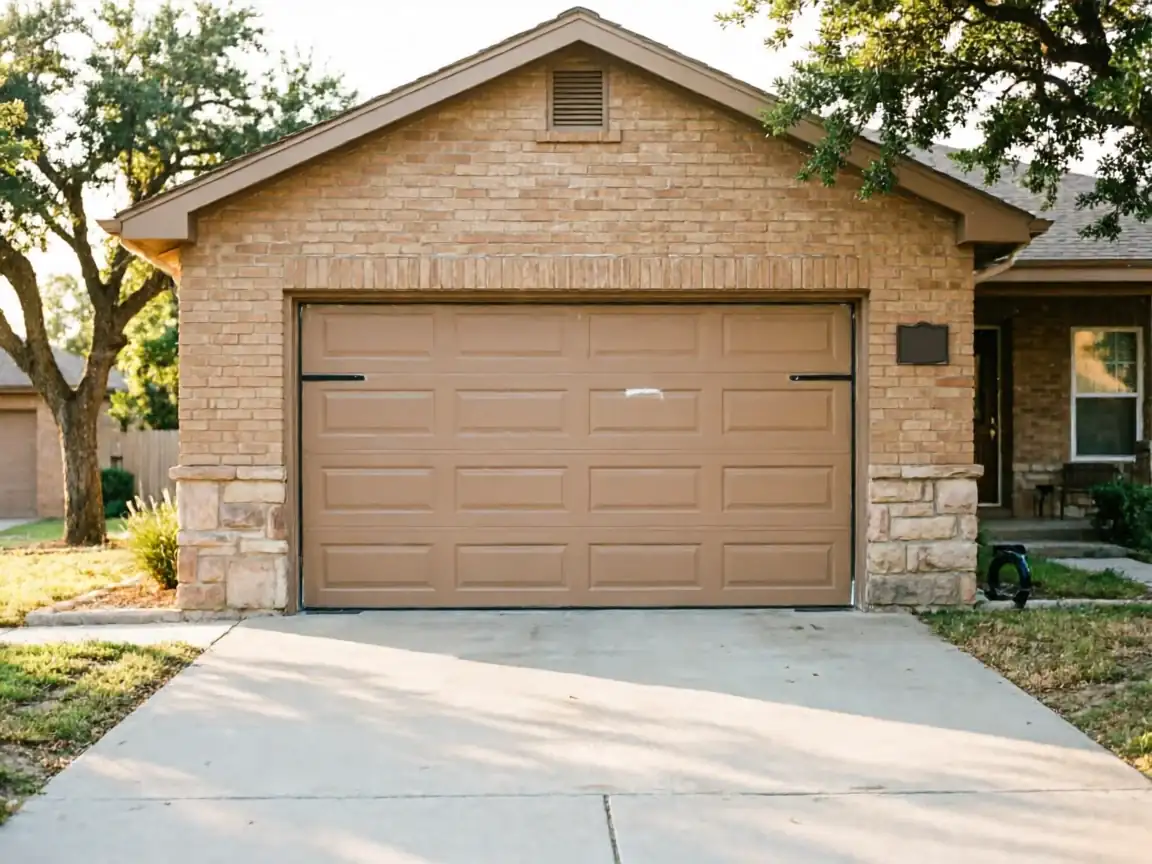
Most of the calls we get out of Fresno aren't the same calls we get from older parts of the service area. Fresno's housing stock runs younger - the median home here was built around 2006, which puts a lot of these garages into their late teens and early twenties right now. That's the age where factory-installed openers start throwing codes, logic boards get flaky, and the original rollers (plastic, not nylon) start cracking rather than wearing smooth.
Compare that to the broader Friendswood service area, where the housing stock spans 1956 to 2014 with a median build year of 1987. A 1987 house is dealing with 35+ year old steel and hardware fatigue. A 2006 house is dealing with the first real failure of parts that were never meant to be rebuilt - circuit boards, plastic idler pulleys, stamped-steel end bearing plates. Different fault, different fix, even though the symptom looks the same from the driveway: door won't open, door stutters, door reverses for no reason.
Doing It Yourself
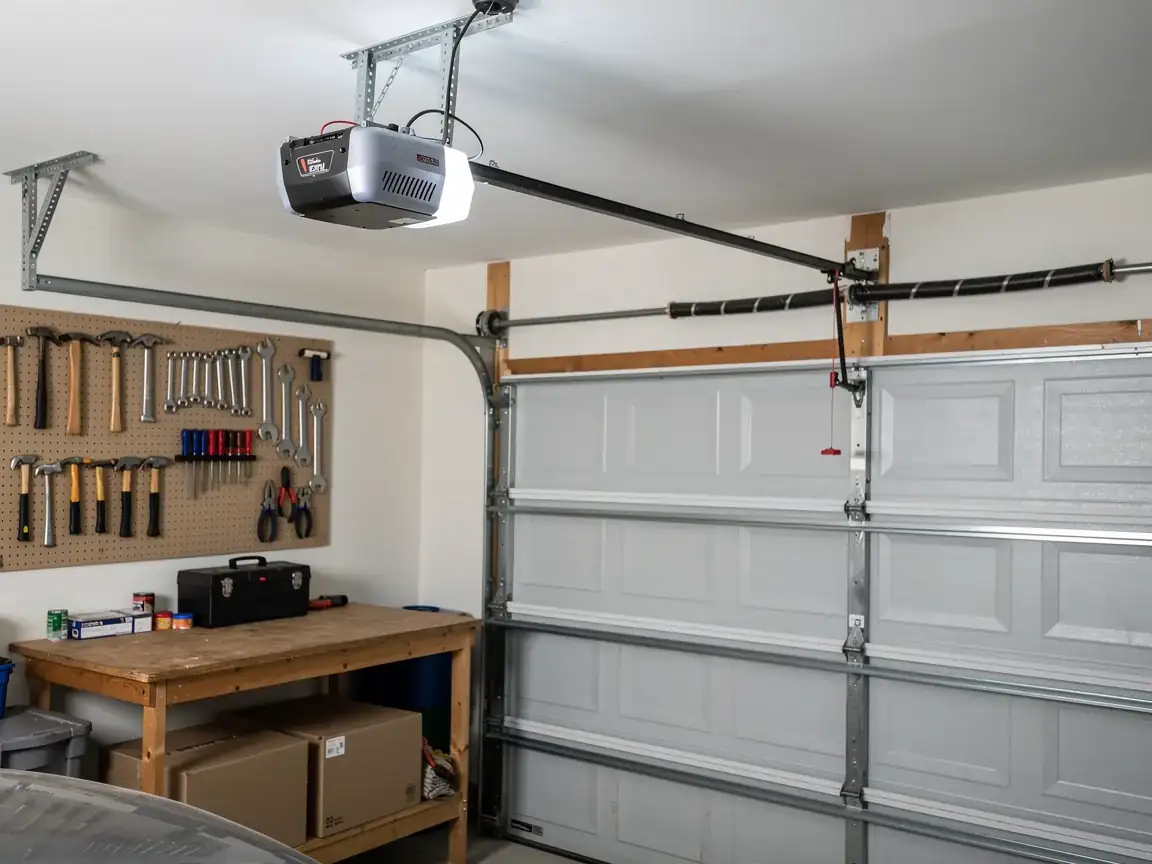
If your opener is throwing a blinking light code, check your owner's manual before you call anyone - most 2000s-era openers (LiftMaster, Genie, Chamberlain) have a code chart printed inside the light cover or in the manual, and half the time it's a sensor alignment issue you can fix with a level and five minutes. Wipe the sensor lenses too; dust buildup reads as an obstruction on these models.
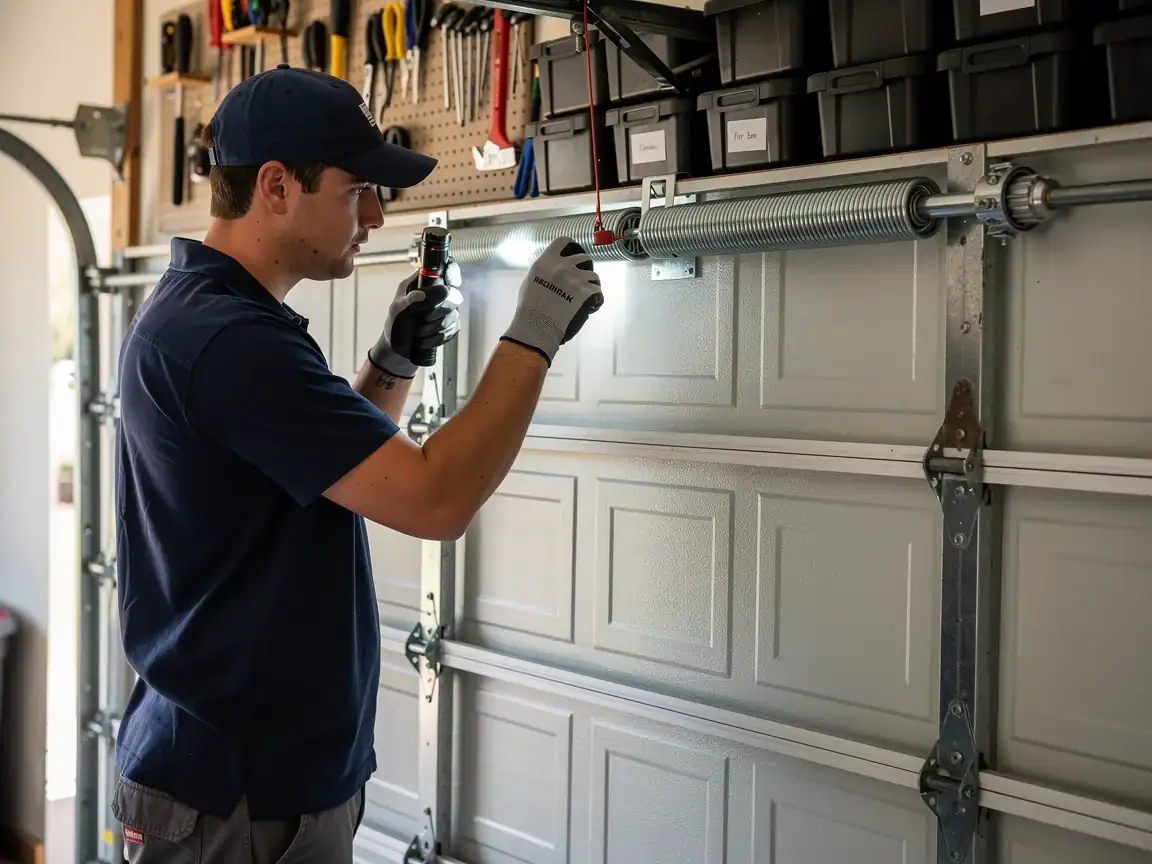
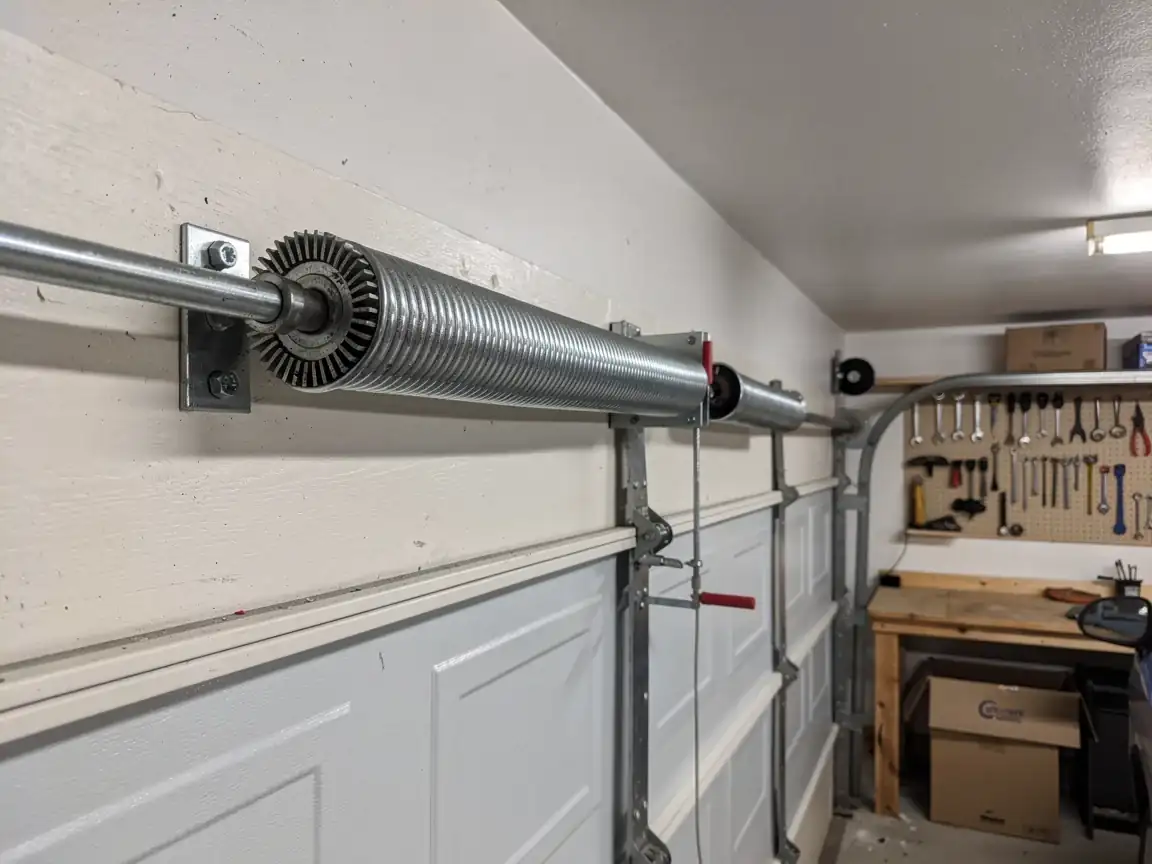
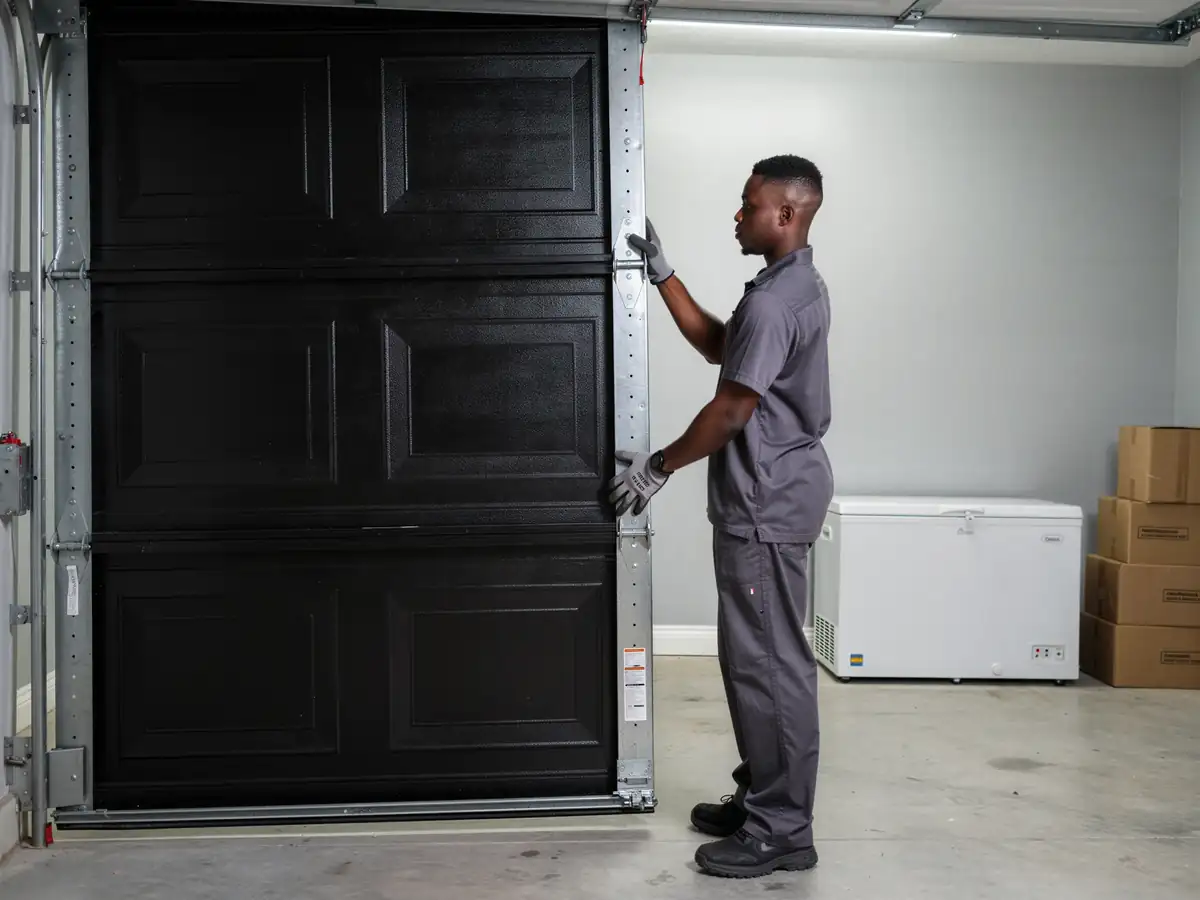
What you shouldn't touch: torsion springs, period. Doesn't matter how new the door is - the spring is still under enough tension to break a bone or put a dent in a windshield. If the door feels heavy to lift by hand, or one side sags lower than the other, that's a spring or cable problem, not a DIY afternoon.
What the Fix Involves
For a Fresno-era door, the repair usually starts at the opener, not the door itself
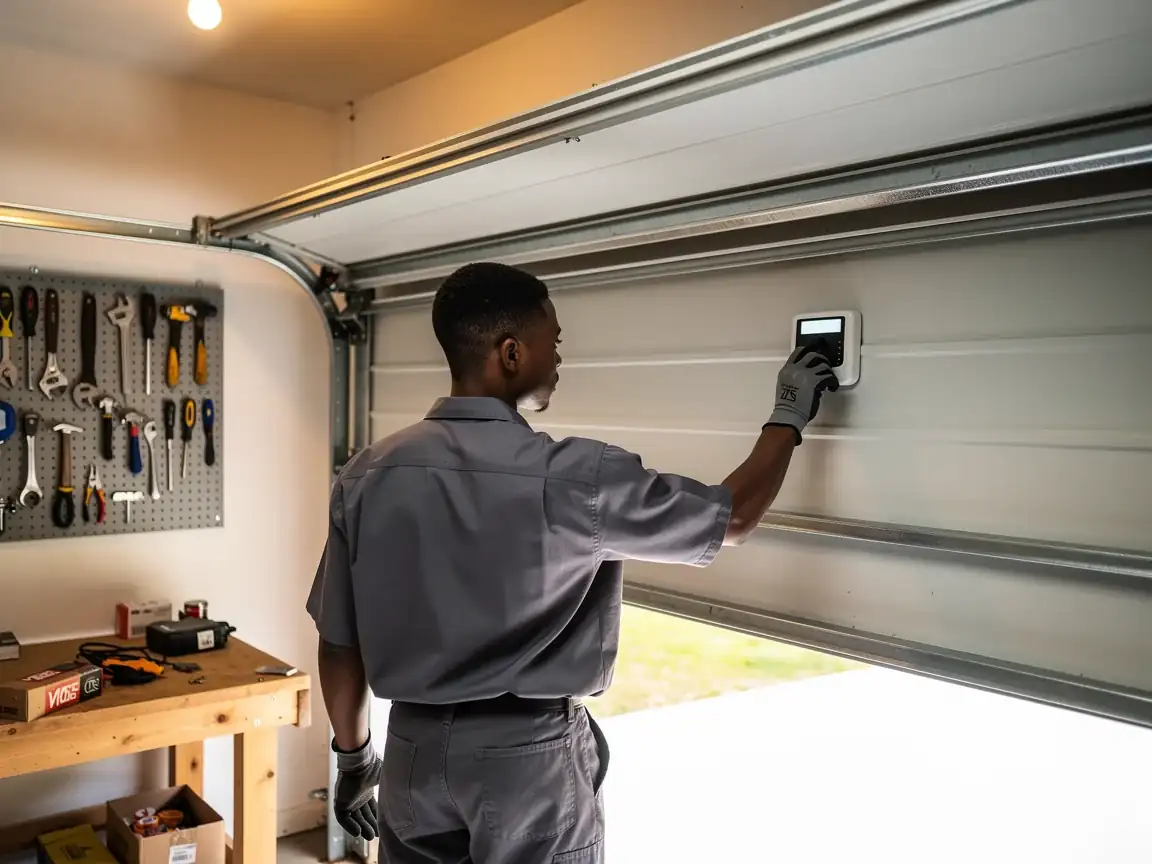
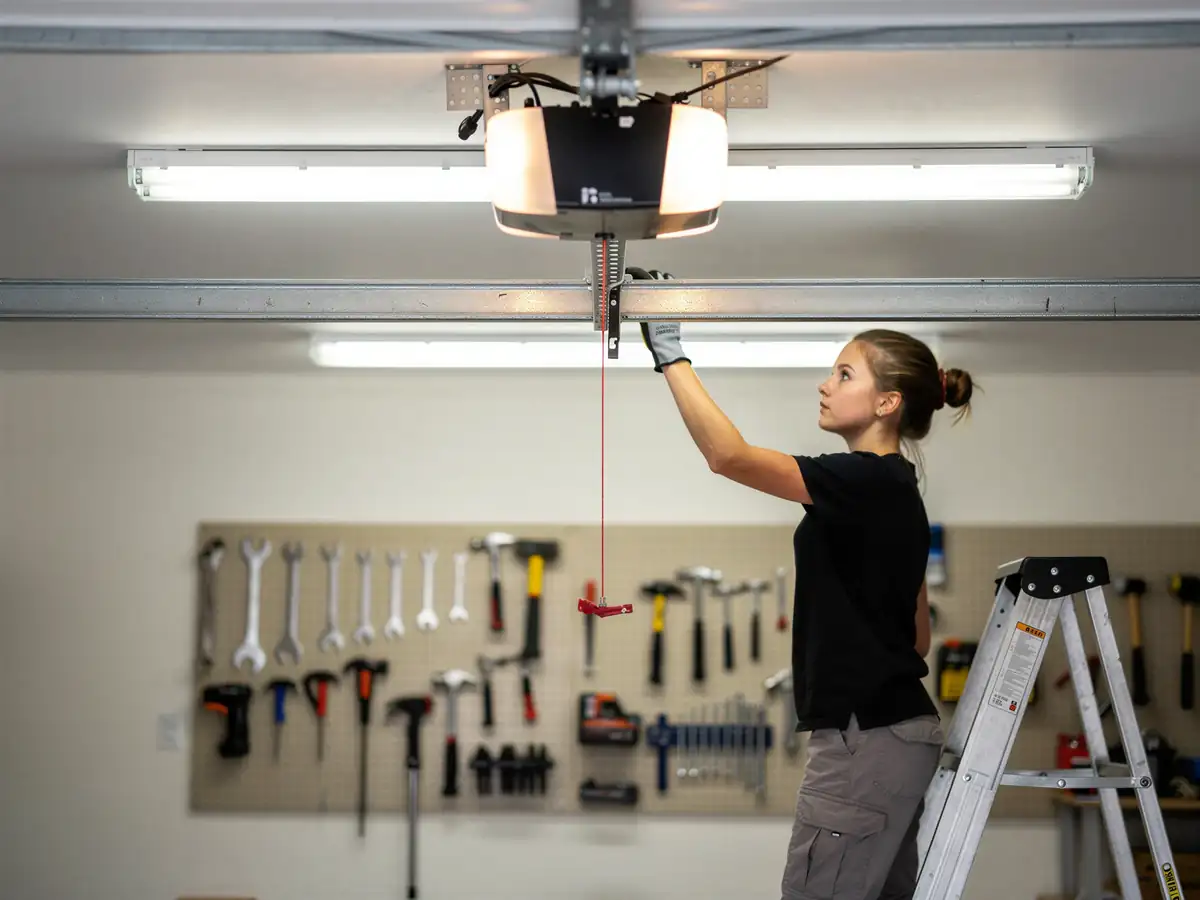
We check the logic board, the drive gear (plastic gears strip out around the 15-20 year mark on chain and belt drives alike), and the safety sensors before we touch anything structural. If the opener's board is dead, replacement is usually the honest call - boards for discontinued models get hard to source, and a new opener with a warranty costs less than chasing parts for one that's end-of-life.
- 20 year
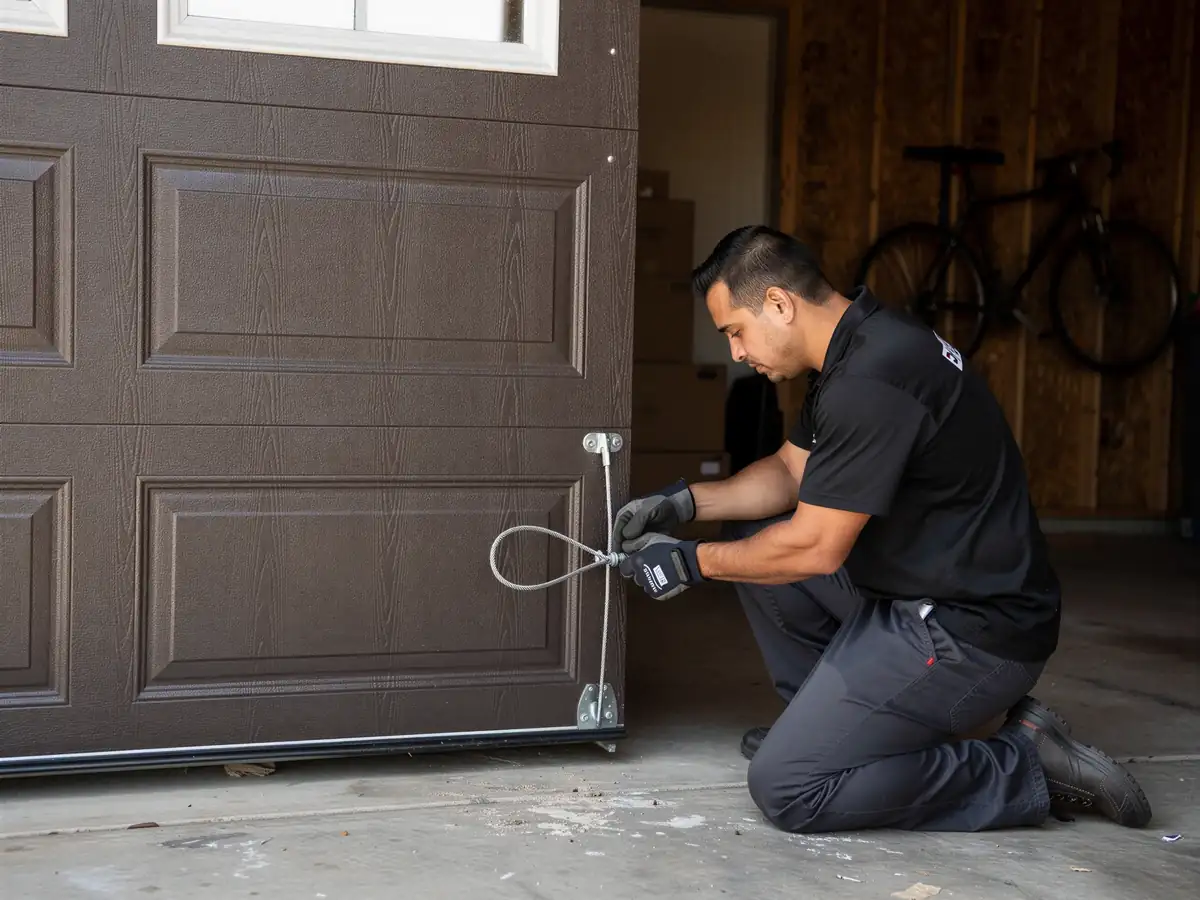
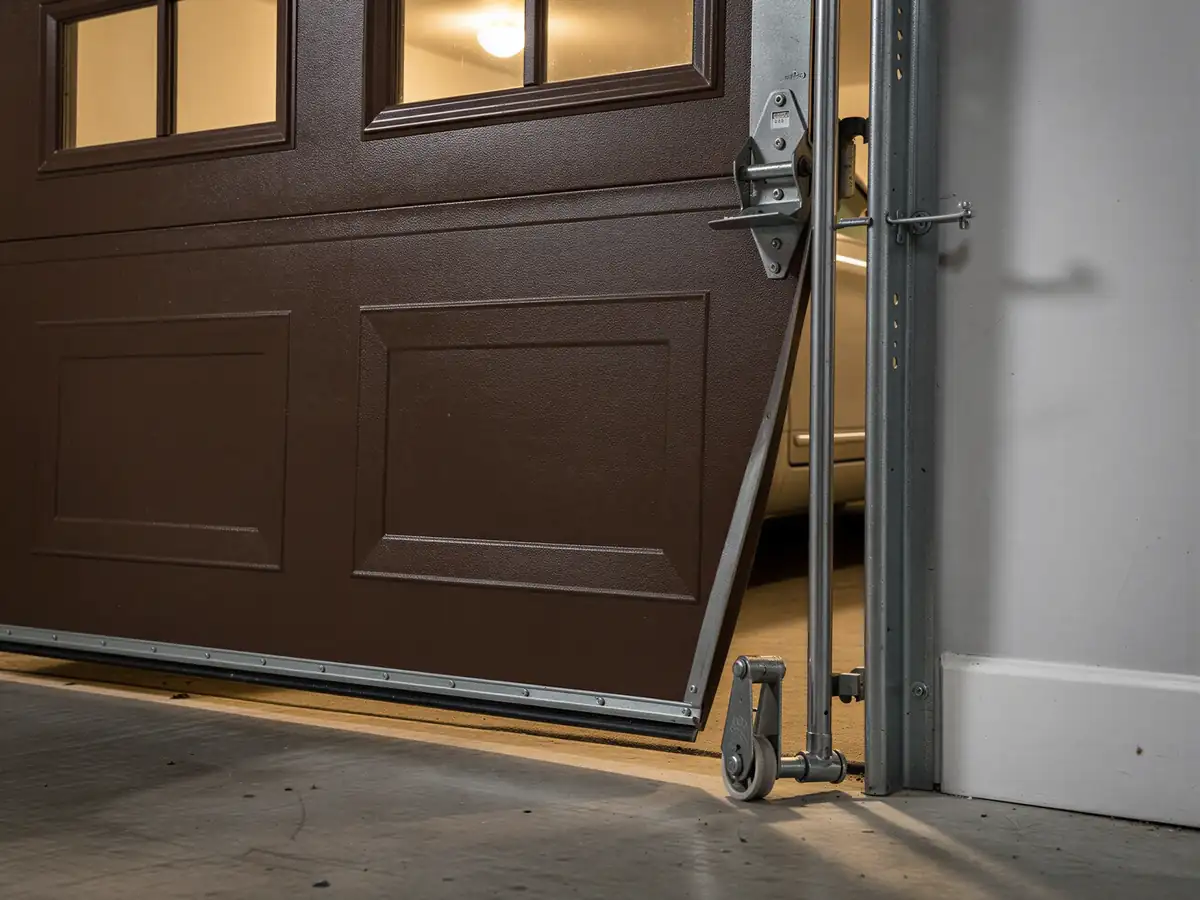
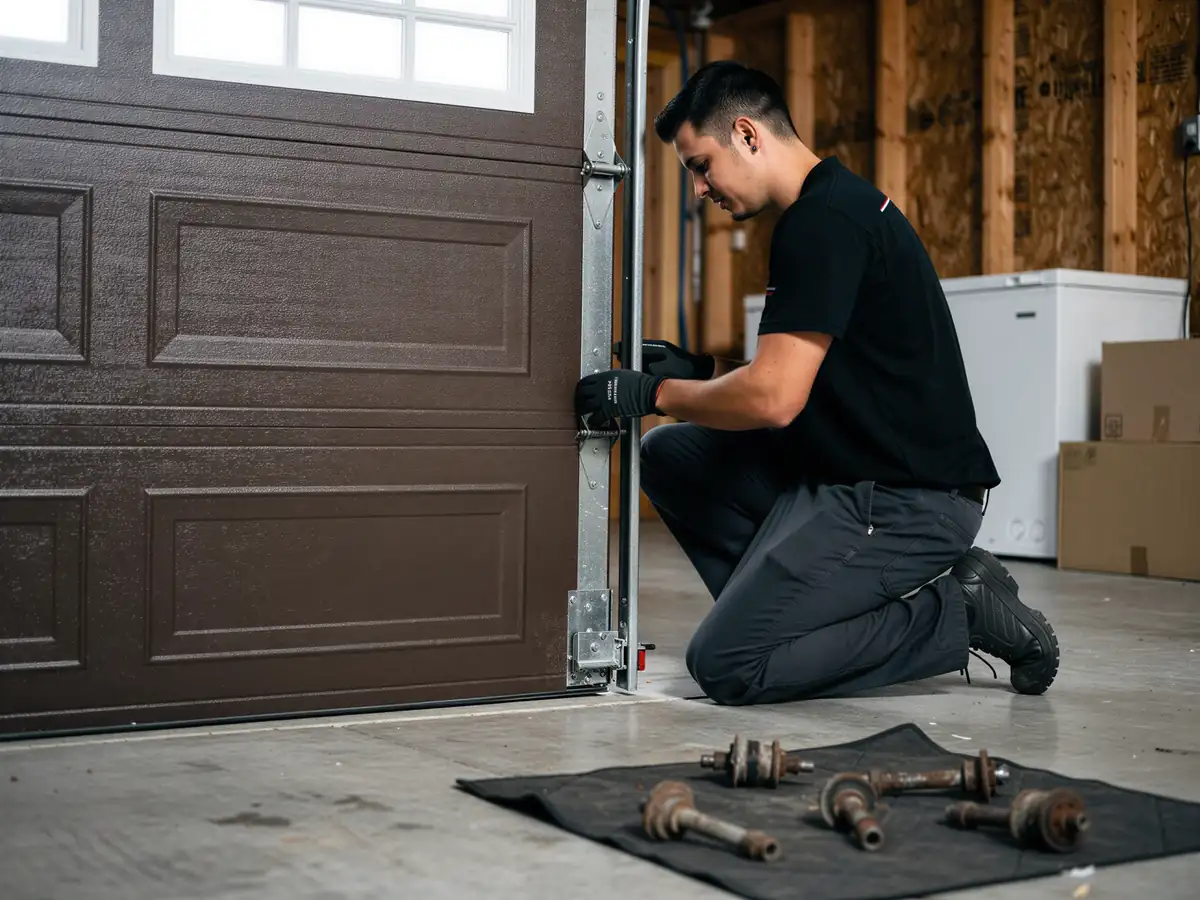
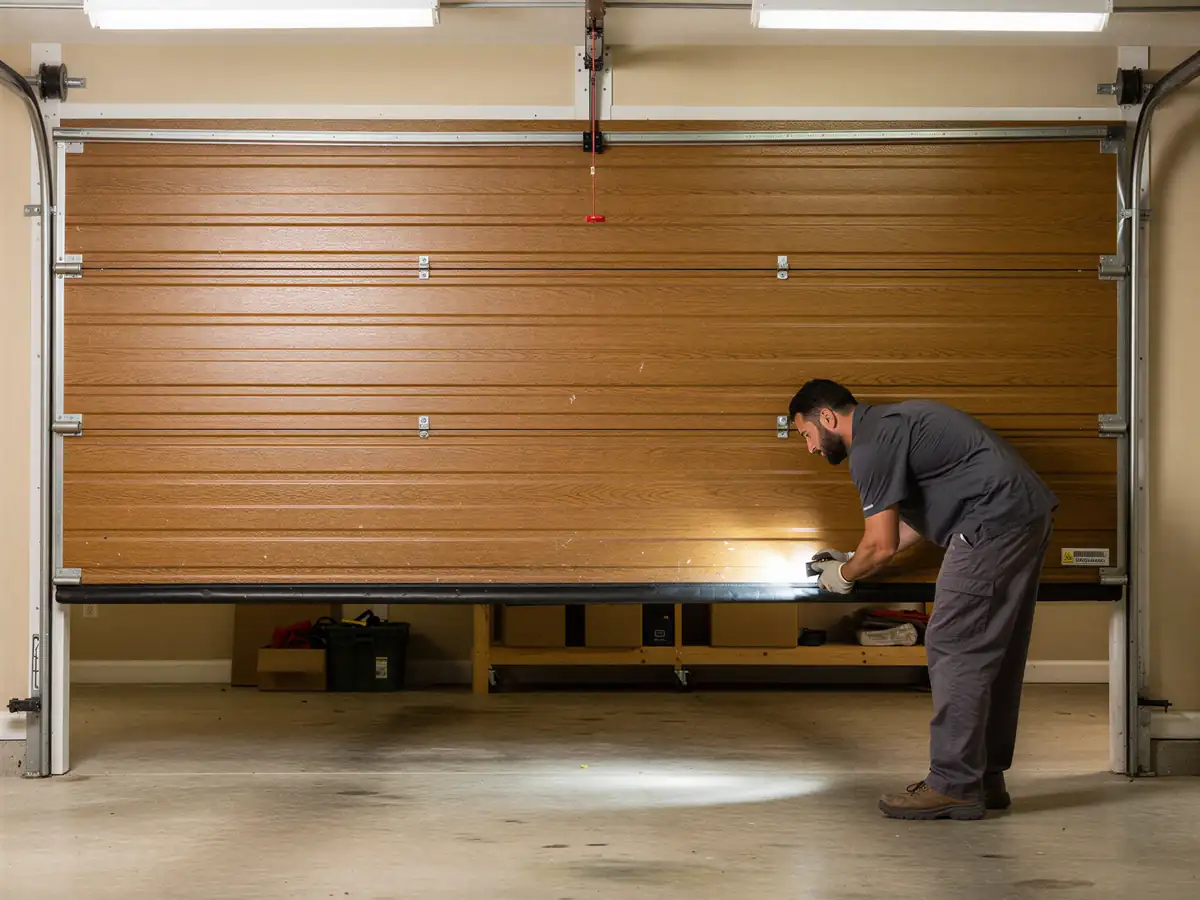
On the door side, we're looking at roller wear and cable fray more than spring failure
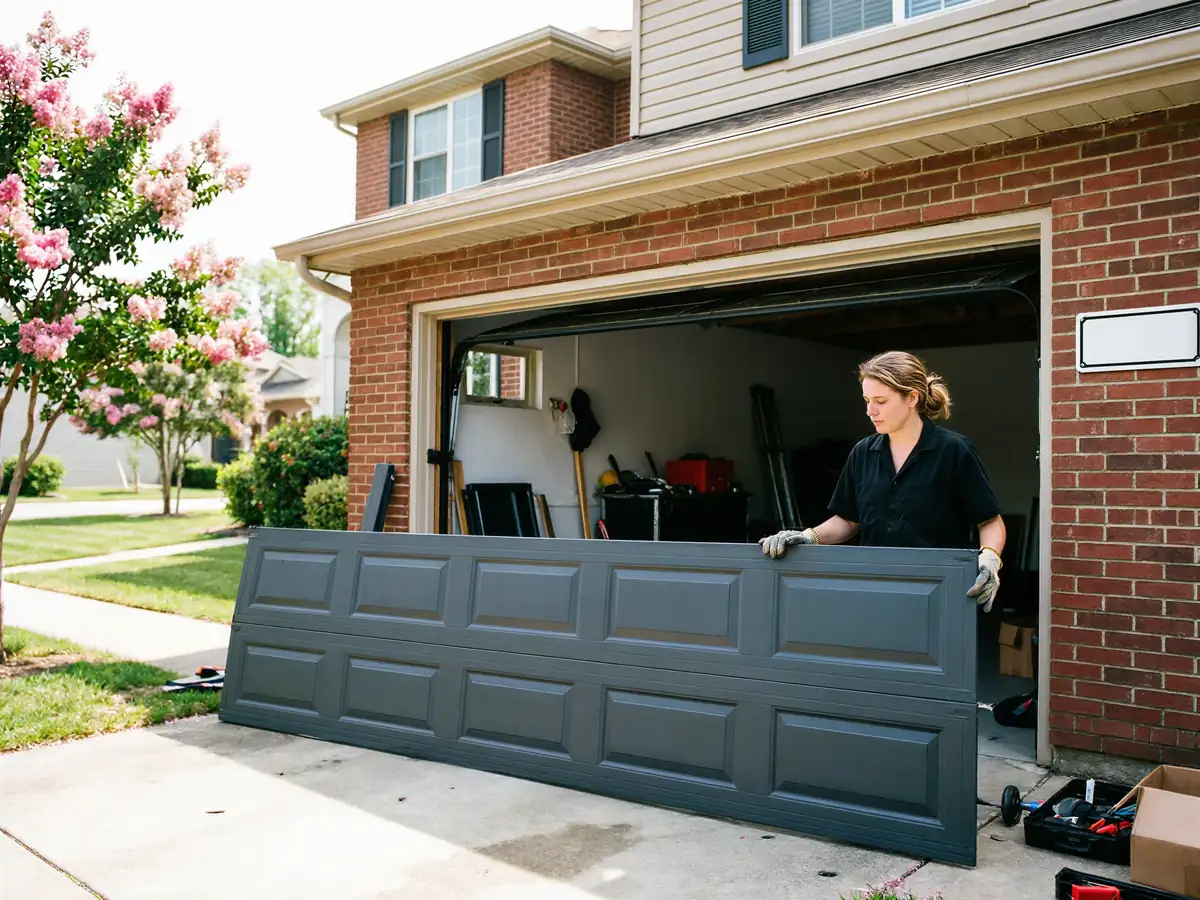
Since factory torsion springs on a 2006 build still have some life left in them if they were sized right to begin with. We'll pull the door off track, check the cable drums, and re-tension or replace what's actually worn instead of swapping parts that are still good.
Time on the Job
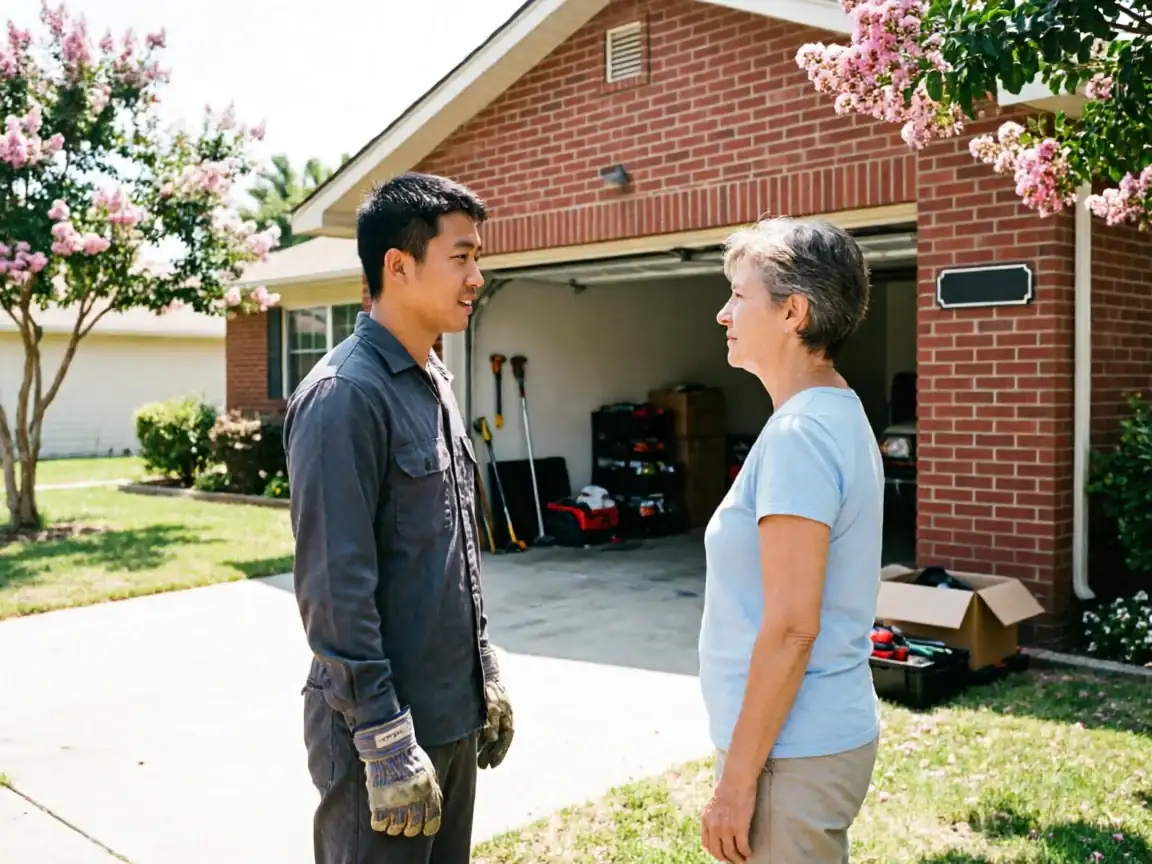
A straight sensor fix or roller swap is a short visit. An opener replacement, including pulling the old unit and programming remotes and keypads, runs longer - plan for most of a morning or afternoon slot, not a quick stop. We're traveling from Friendswood, about 16 miles out, so we schedule Fresno calls with that drive built into the appointment window rather than treating it as a same-neighborhood stop.
Why It Happens Here
The service area sits in a mild climate band with occasional freeze, so Fresno doors aren't fighting the same expansion-and-contraction cycle you'd see somewhere with real winters. The failures here are mechanical age, not weather damage - plastic components outliving their design life, electronics reaching obsolescence, not steel rusting through or wood rotting out.
That's actually a point in Fresno's favor compared to older housing in the service area. A 2006 build doesn't have the rust-through end bearing plates or the warped wood-panel doors you find on 1960s stock. What it has instead is a first wave of electronics and plastics hitting the end of their first life, which is a cheaper, faster fix than structural door replacement.