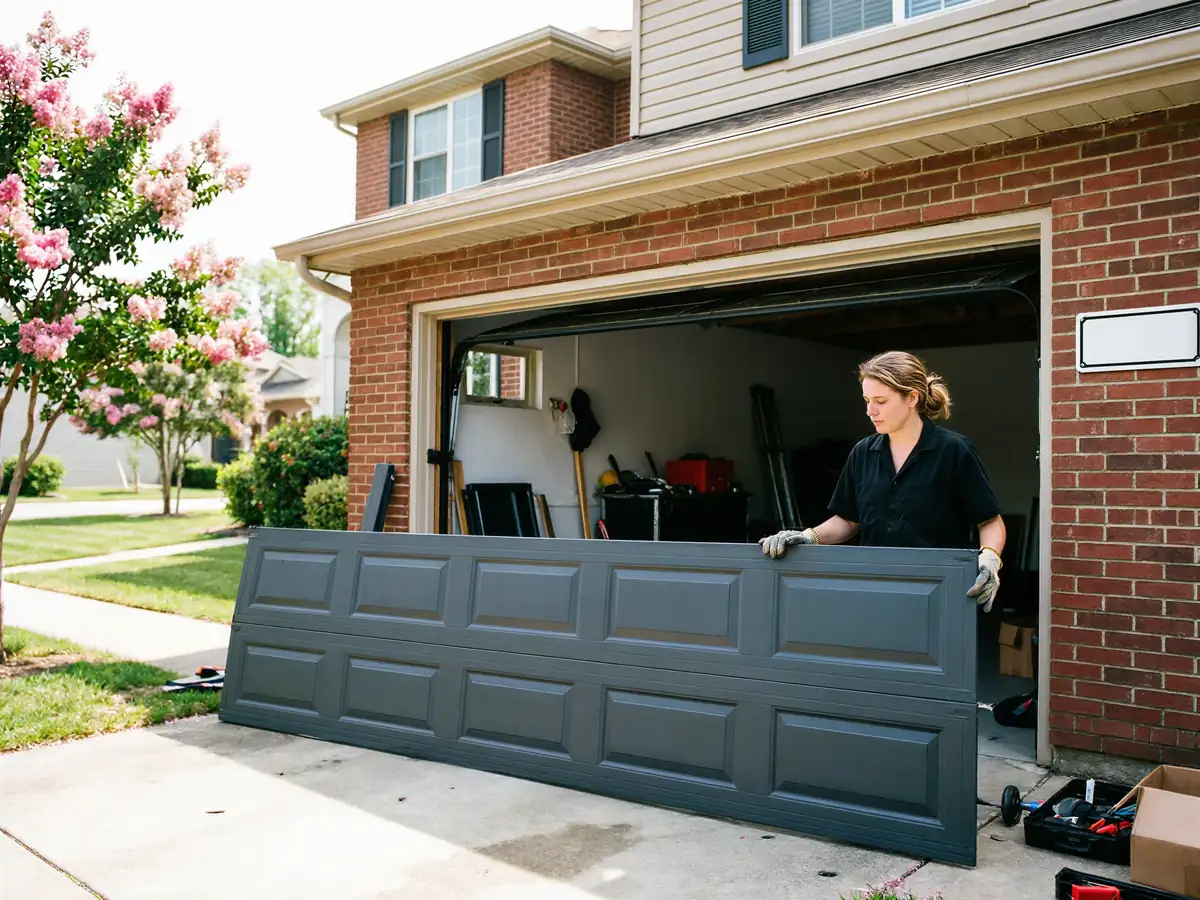
What You Are Seeing
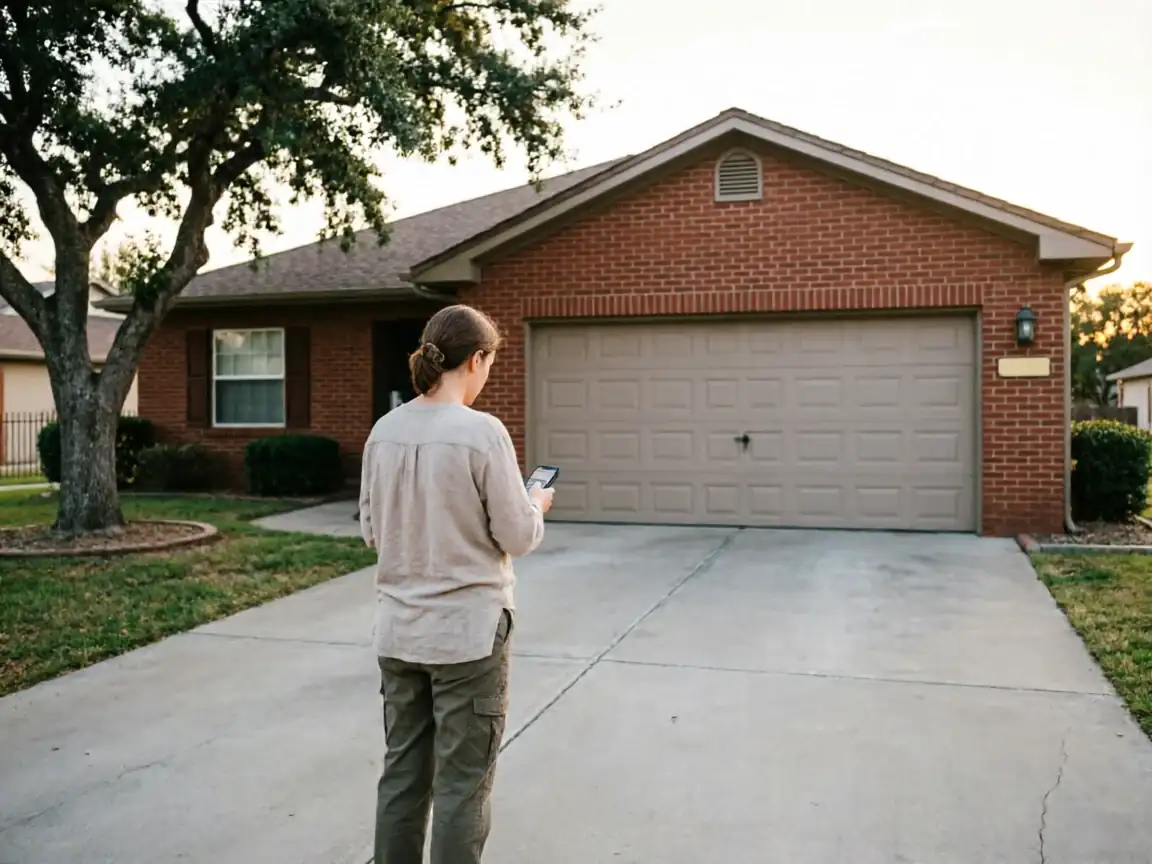
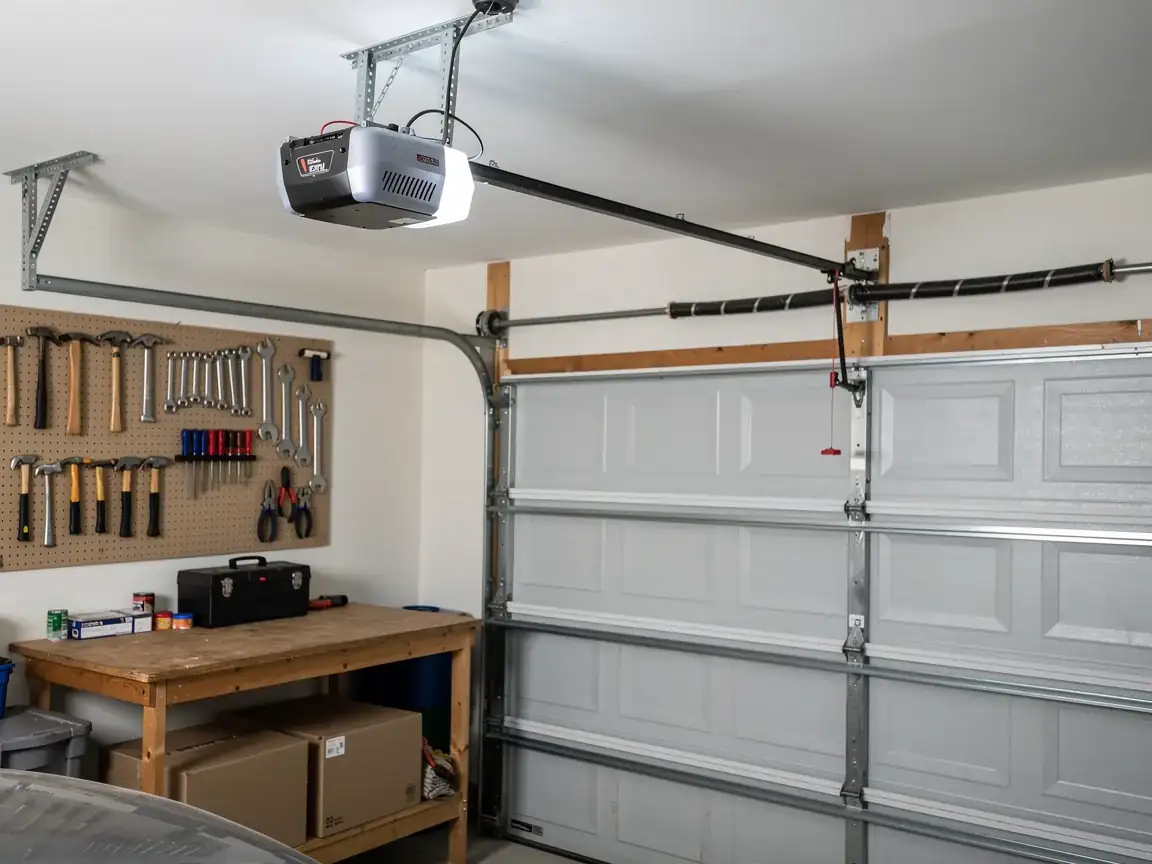
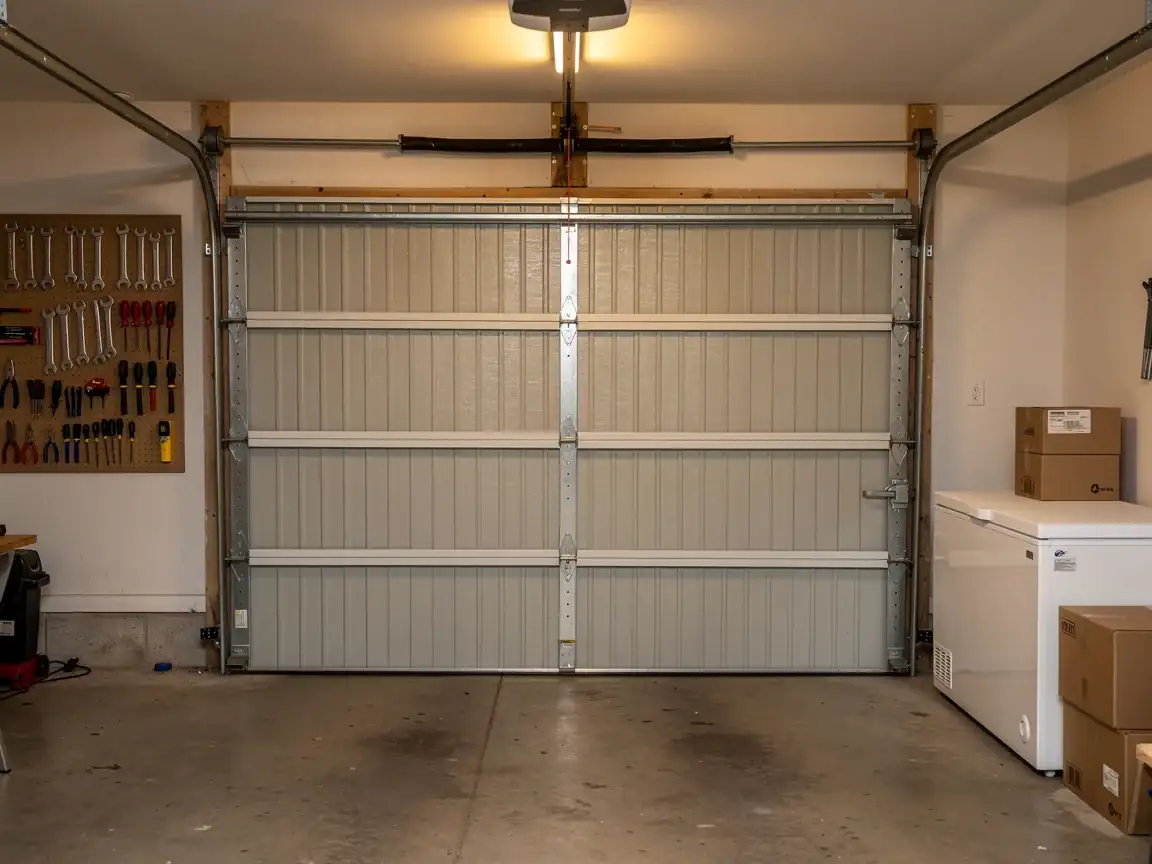
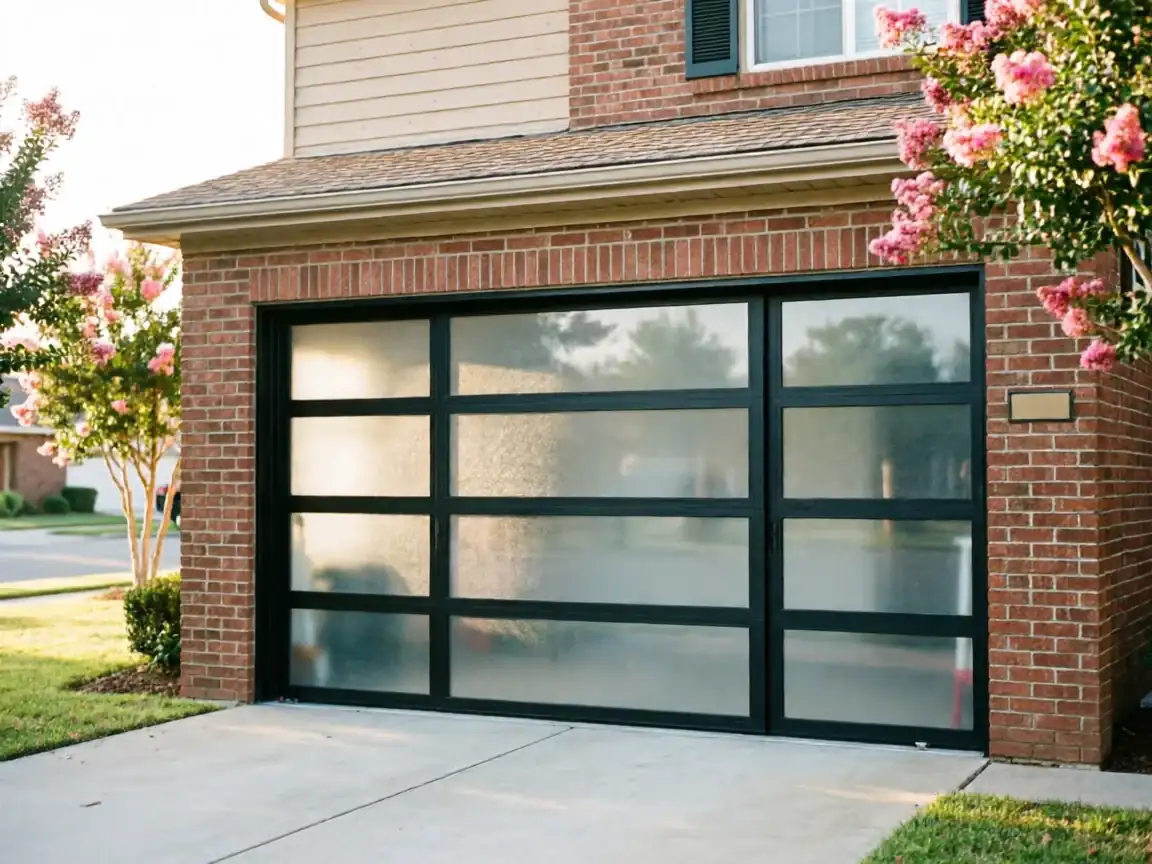
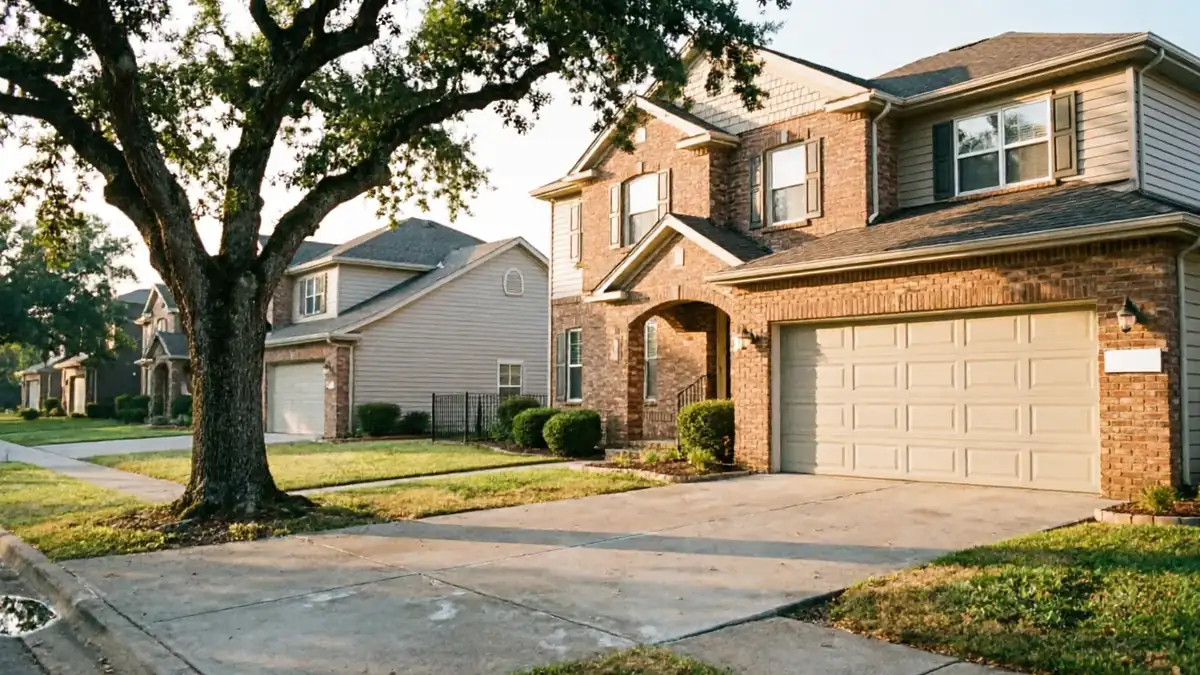
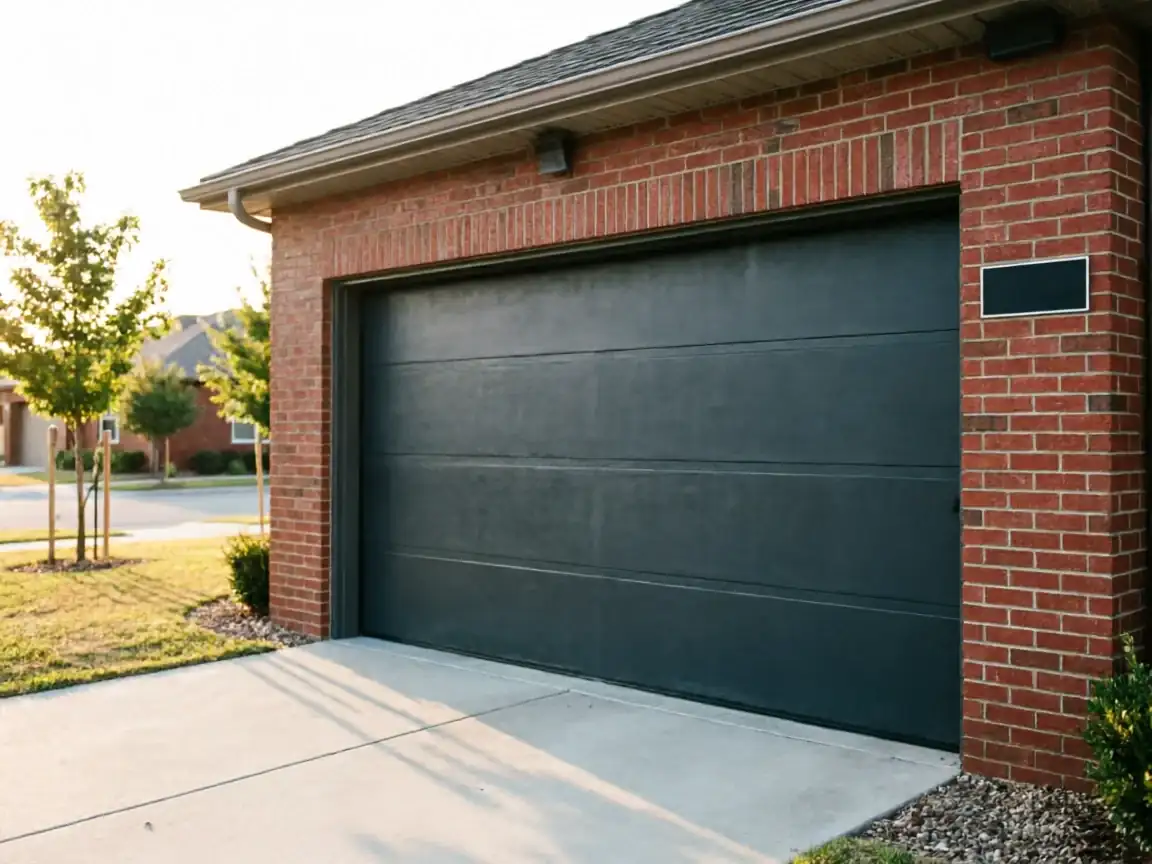
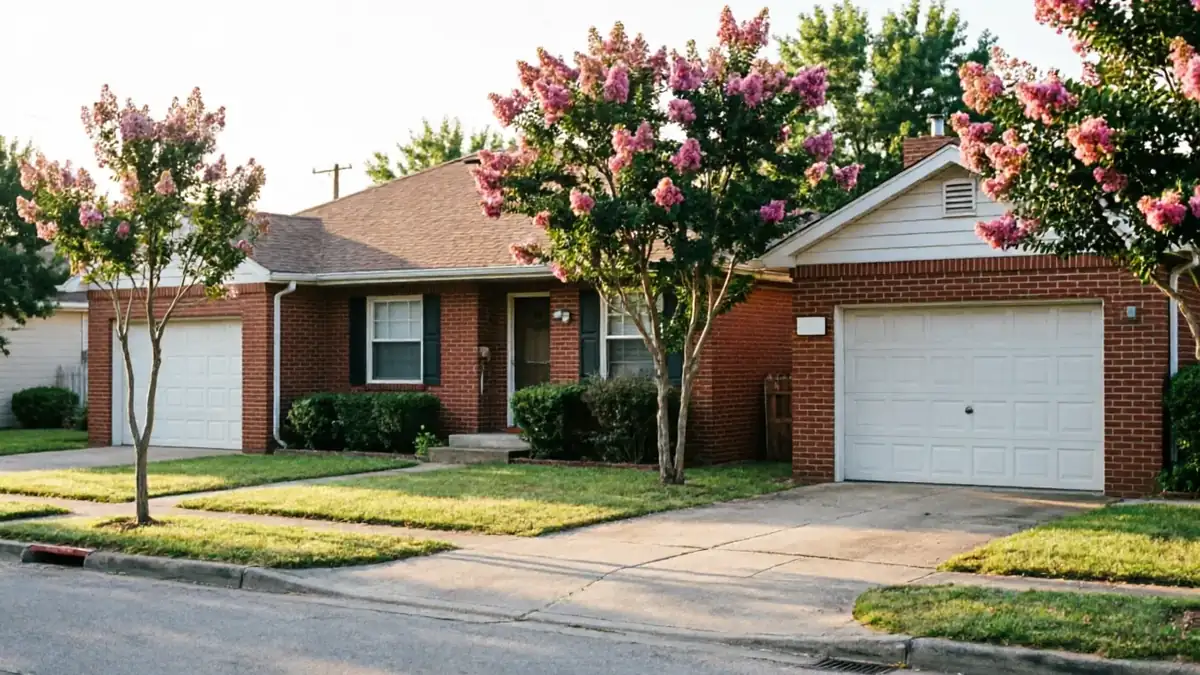
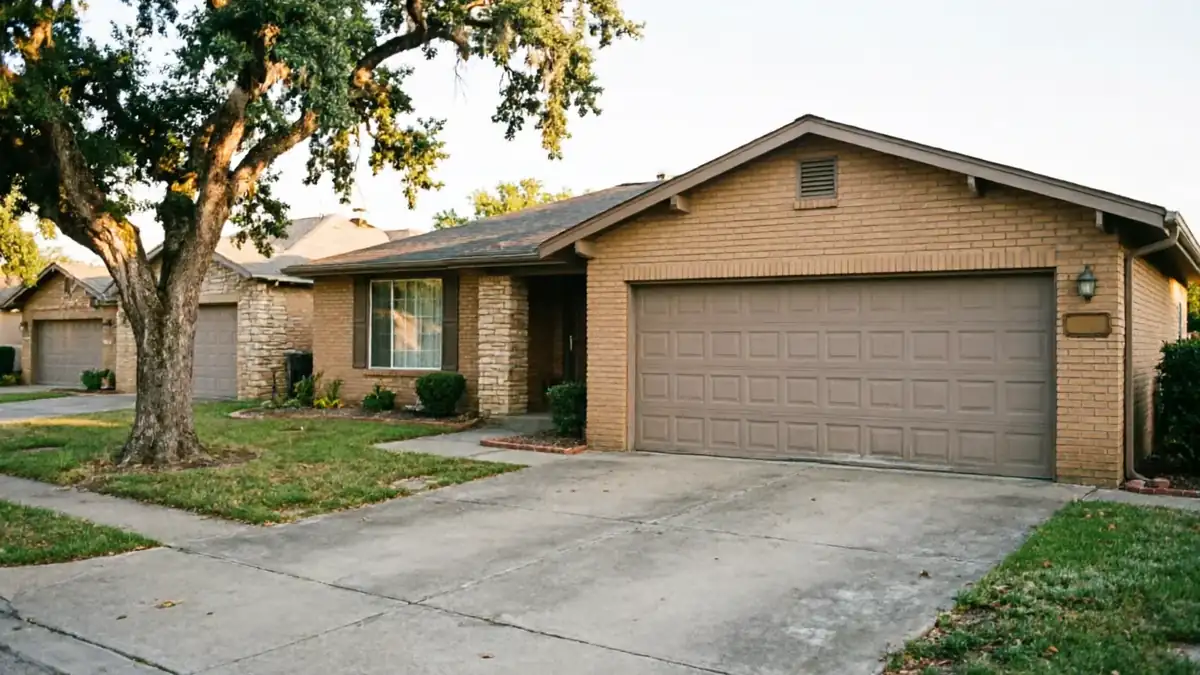
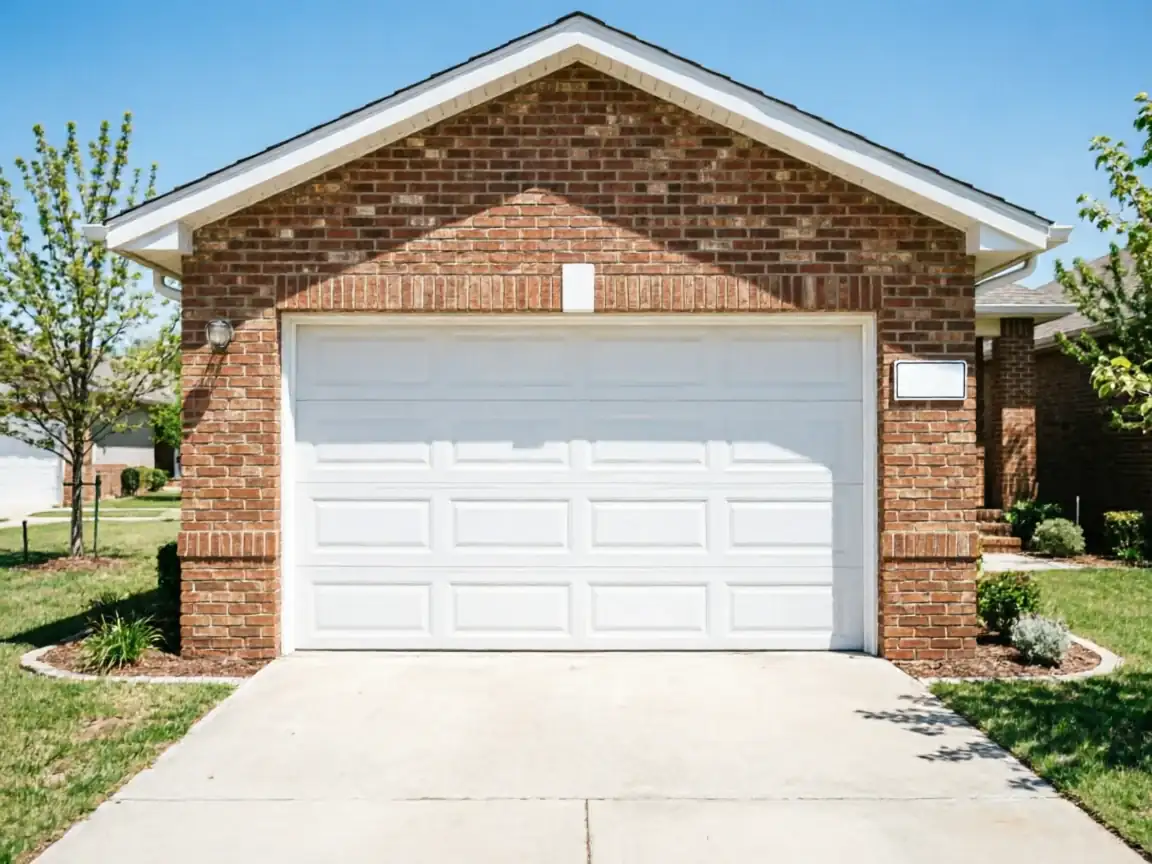
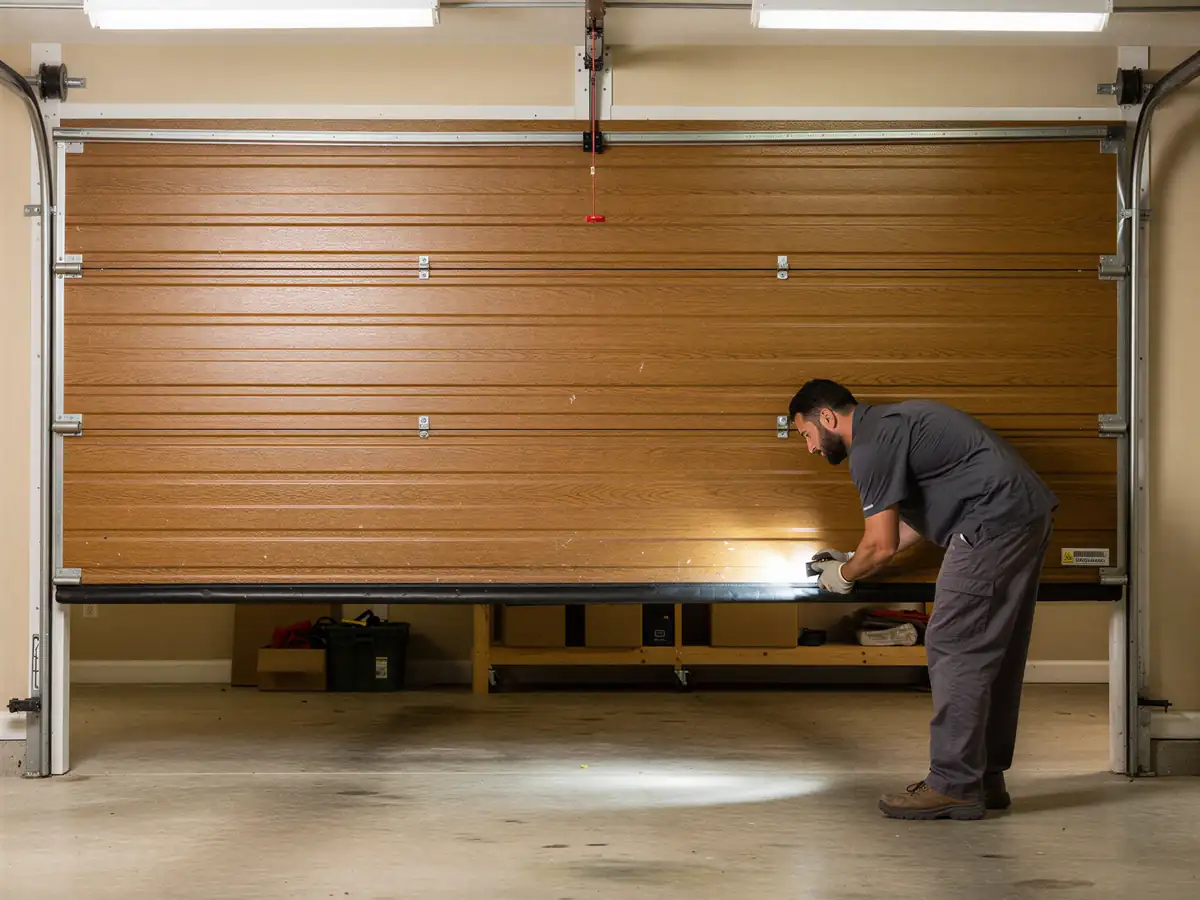
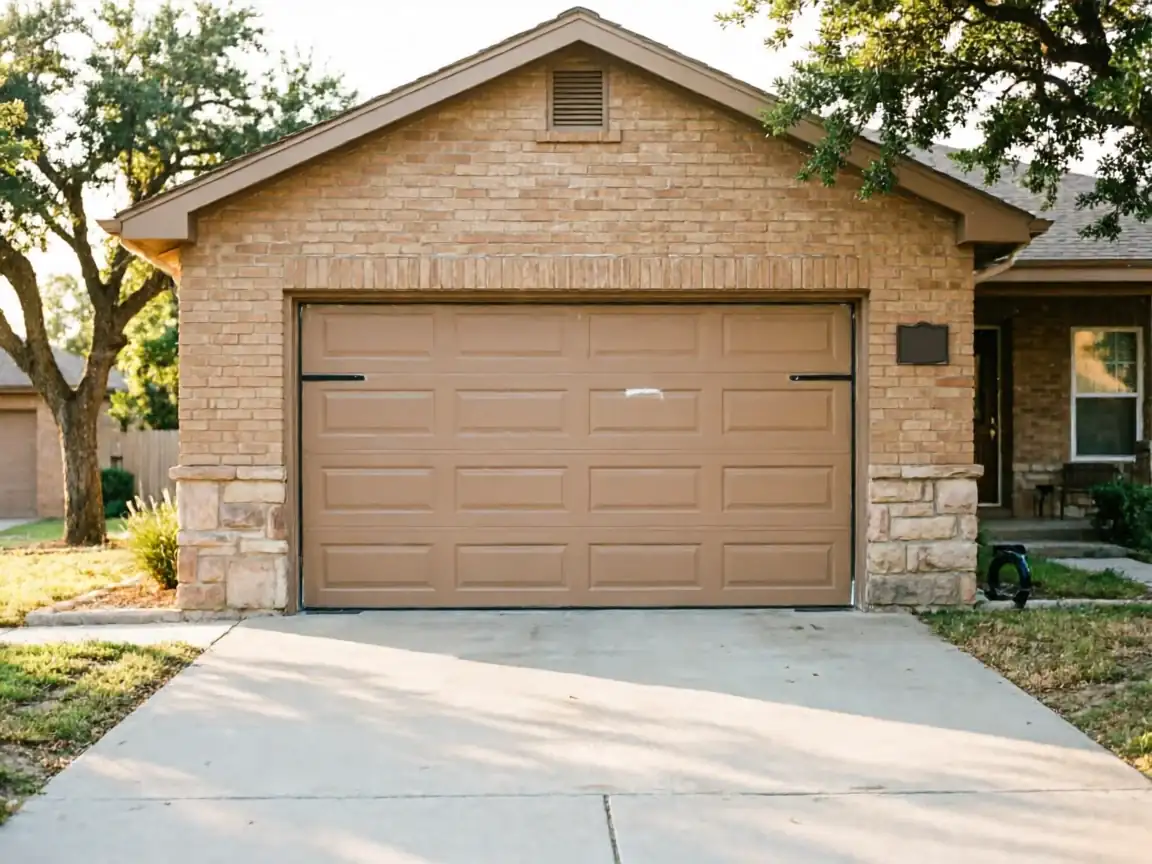
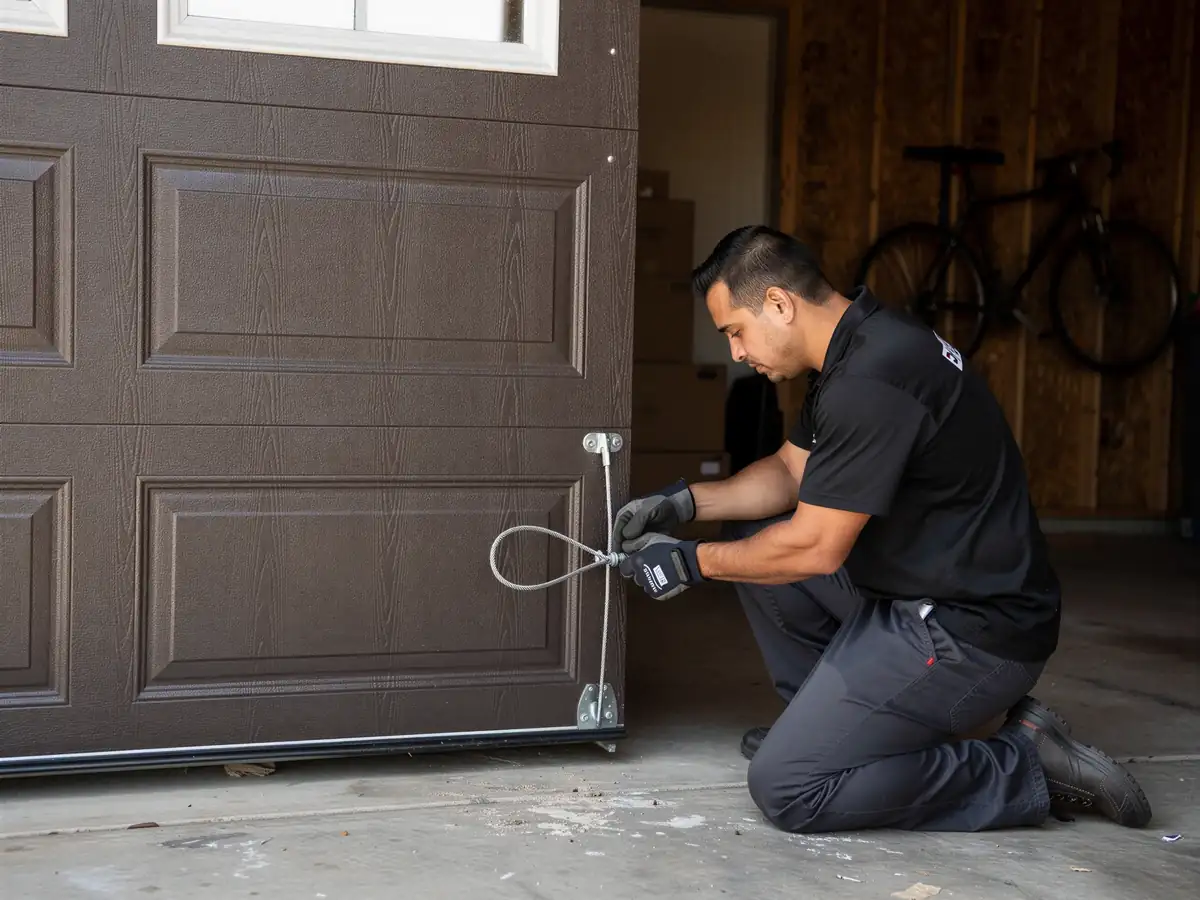
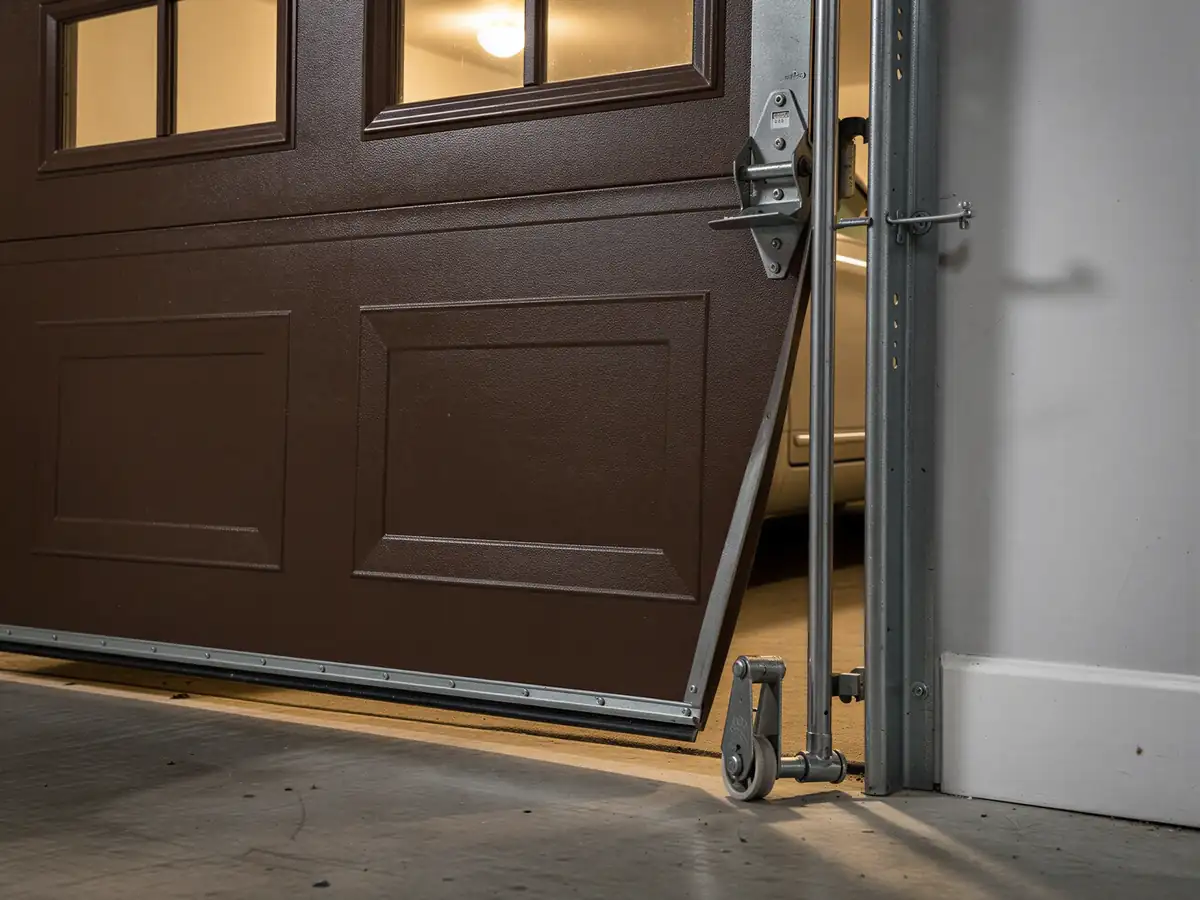
Most garage doors in Fresno are younger than what you'll find across the rest of the service area. The broader area's housing stretches from 1956 to 2014 with a median build year of 1987, but Fresno itself is newer, centered around 2006. That means the door bolted into your opening right now is probably a builder-grade steel unit, likely a double-wide 16x7 in a two-car garage, installed with the short-span track and torsion spring sized for a production-home budget rather than a custom one. These doors aren't failing from age in the way an older one would. They're hitting the end of a builder-grade spring's rated cycle count, or the original panels have taken enough sun and humidity that the finish has gone chalky and the insulation foam has started to separate at the seams. If you're looking at a door that's sagging at the bottom panel or won't seal flush at the floor, that's usually a track or hinge wearing out on a door that was never top-tier to begin with, not structural failure from decades of weather.
Doing It Yourself
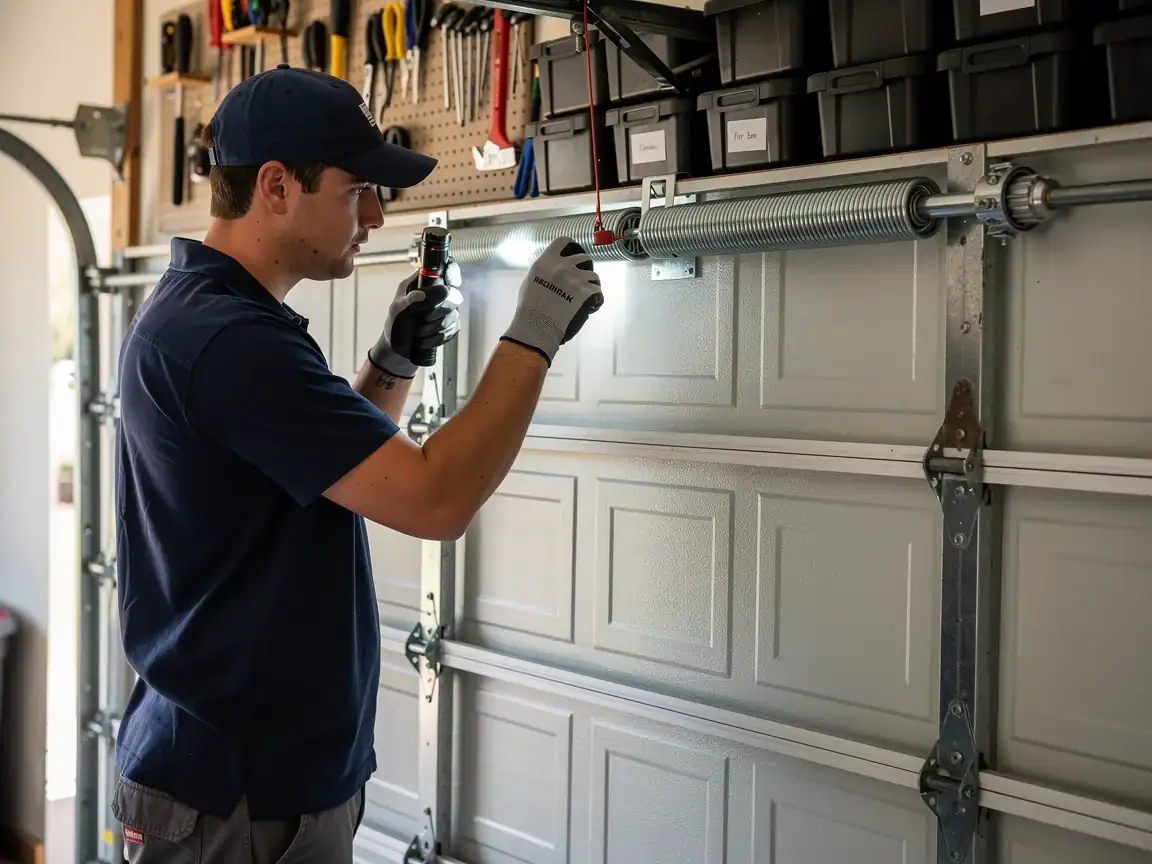
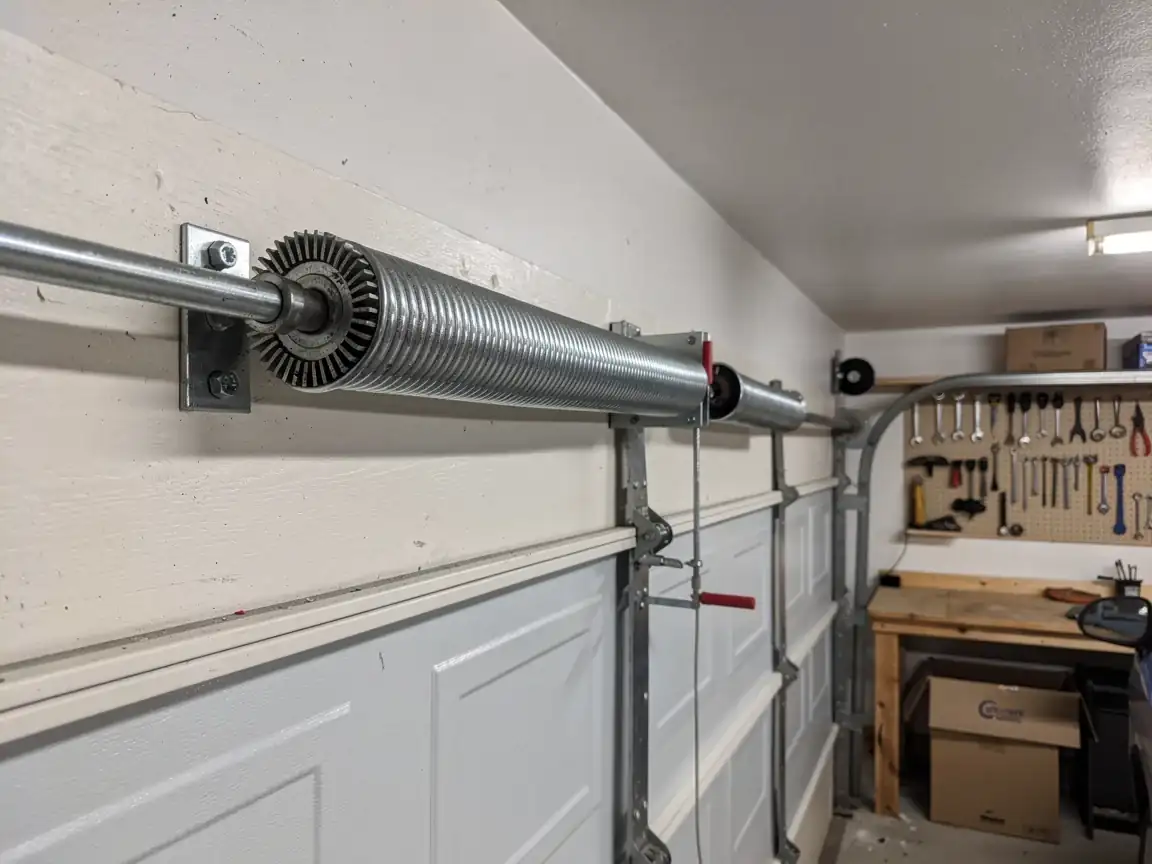
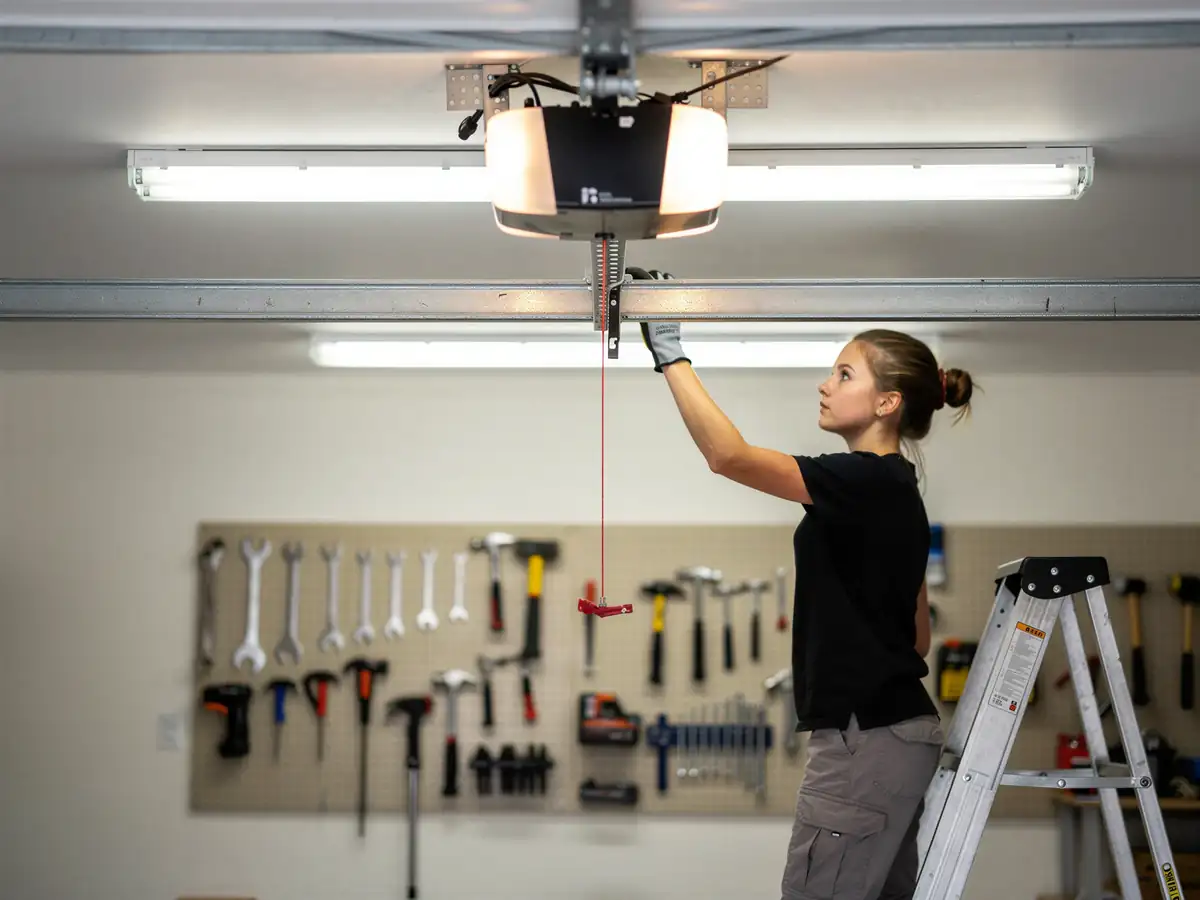
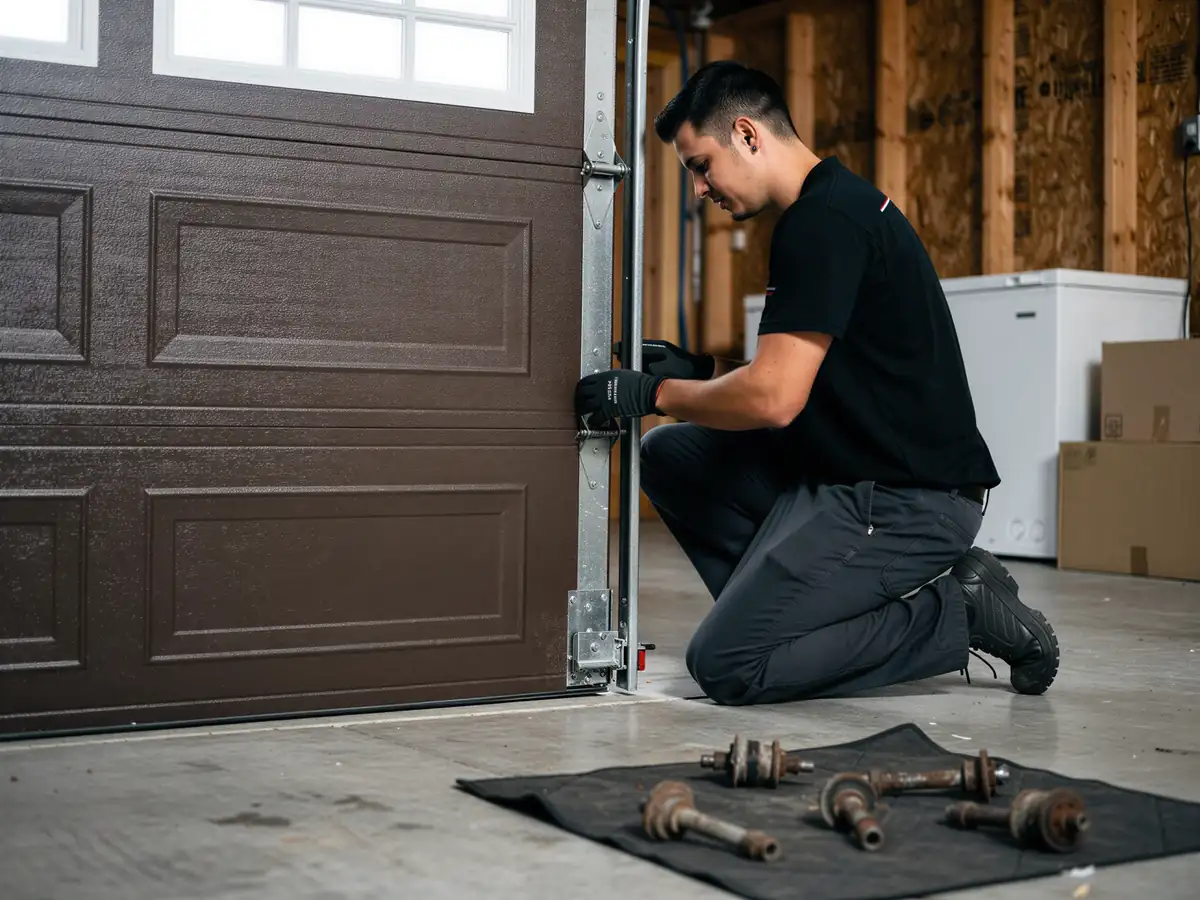
A new install is not a bolt-it-in-a-weekend job, and I'll say that plainly. Setting torsion spring tension on a double door wrong can put someone in the hospital, and getting the track plumb off a stock builder header takes more shimming than most people expect on a slab that's settled even slightly since 2006. If you're swapping a damaged panel on an otherwise sound door, that's a smaller job and sometimes worth doing yourself if you can match the panel. But a full door and track replacement, especially where the opener also needs to come down and go back up square, is where I'd tell you to call it in. The honest limitation here: if your current opener is more than a few years old, I may not be able to get a matching panel or bracket part fast, since Fresno's garages are young enough that older builder-grade components aren't always still in production. That sometimes means replacing more of the system than you planned on.
Time on the Job
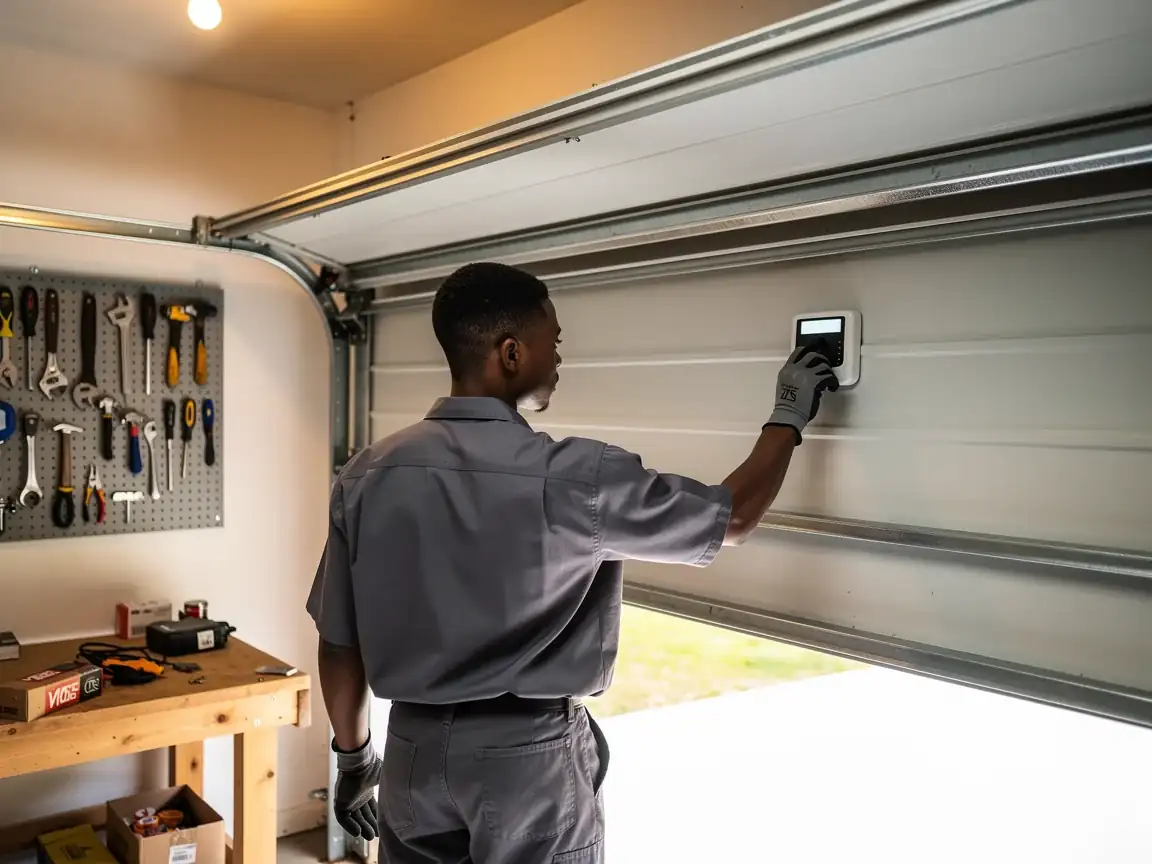
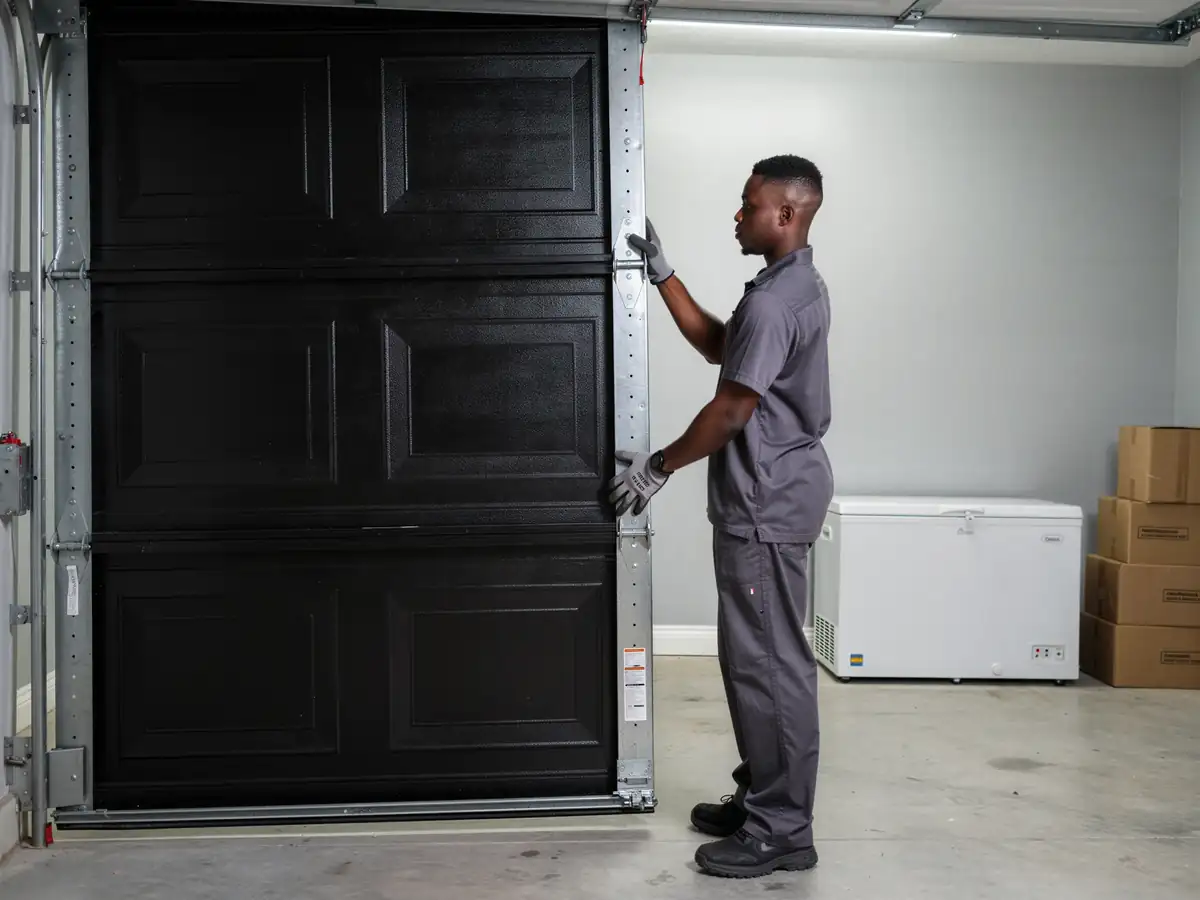
A straight swap on a standard double door, same size opening, same track footprint, is typically a one-day job start to finish. Where it runs longer is when the opening itself needs adjustment, when the existing track or jamb bracket doesn't match what the new door needs, or when the opener is old enough that it needs replacing alongside the door rather than being reused. Because Fresno's homes are mostly inside that 2006-and-later build window, we're not usually fighting warped framing or decades of settling, which keeps surprises on the low end compared to older housing stock elsewhere in the service area. Parts availability is the other variable. A standard steel door in a common size is usually in stock. A custom width, a non-standard insulation package, or a color match to a specific builder run can add lead time that's outside our control, and I won't promise a date on that until the order's confirmed.
Why It Happens Here
The service area sits in a mild climate band with occasional freeze risk, not the deep freeze-thaw cycling that cracks concrete and warps wood doors further north. For Fresno's newer steel doors, the bigger stress isn't cold, it's humidity and heat cycling on the insulation foam and the weatherstripping, which is what causes the gap at the bottom seal that lets water and bugs in over a few summers. Builder-grade torsion springs are also rated for a set number of open-close cycles, and with a median household income of $89,442 and a lot of two-income households running the garage door daily, those cycles add up faster in a neighborhood like this than in an older, lower-turnover block. The failures I see here tend to be spring fatigue and seal failure on doors that are otherwise structurally fine, which is part of why a straight replacement, not a full structural rebuild, is usually what's actually needed.