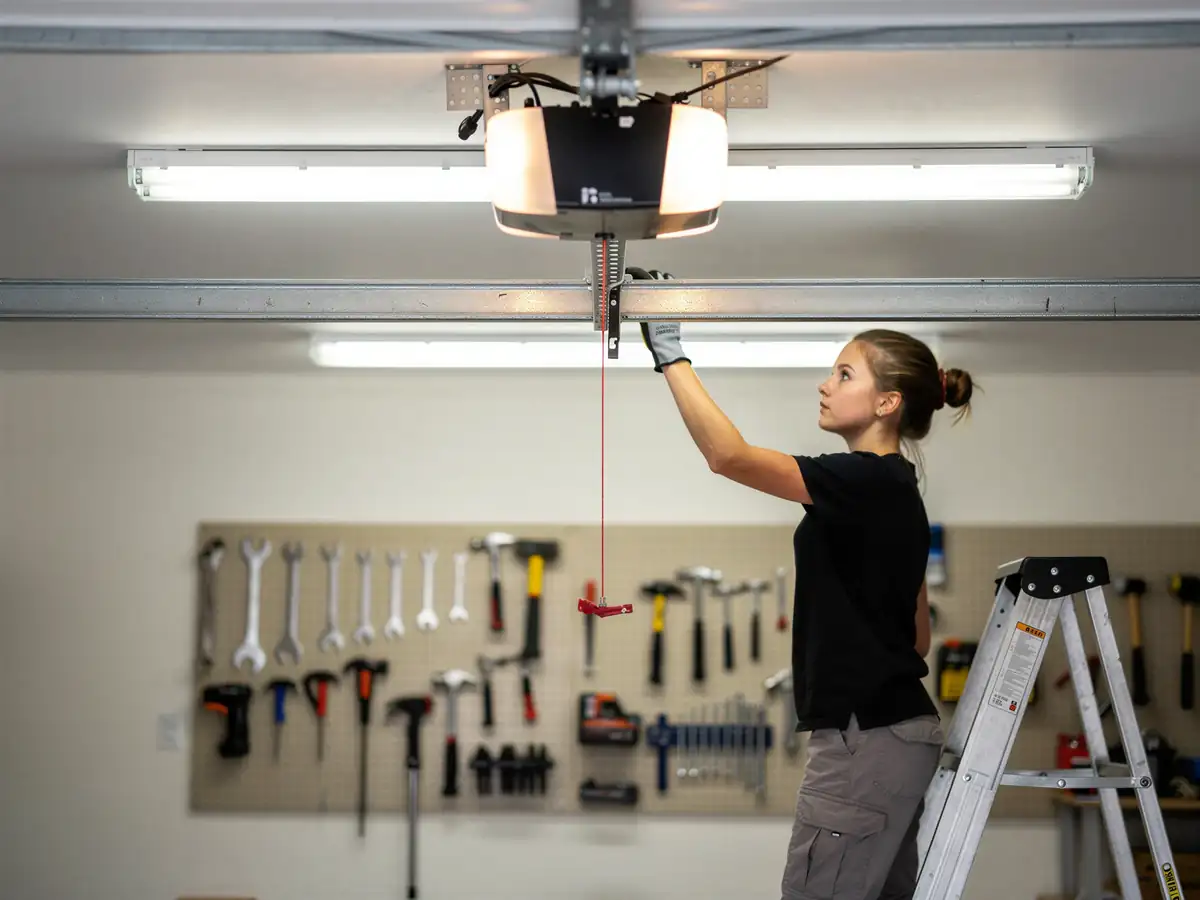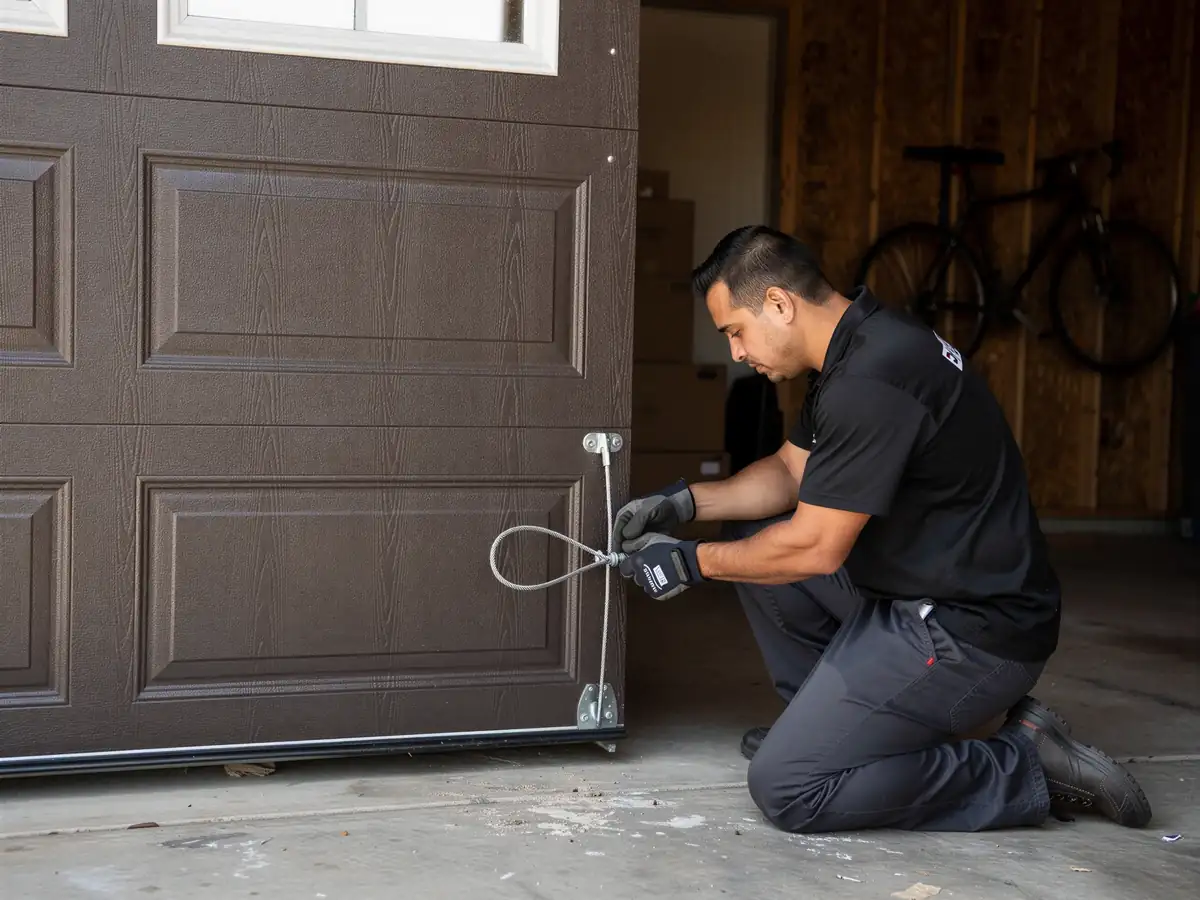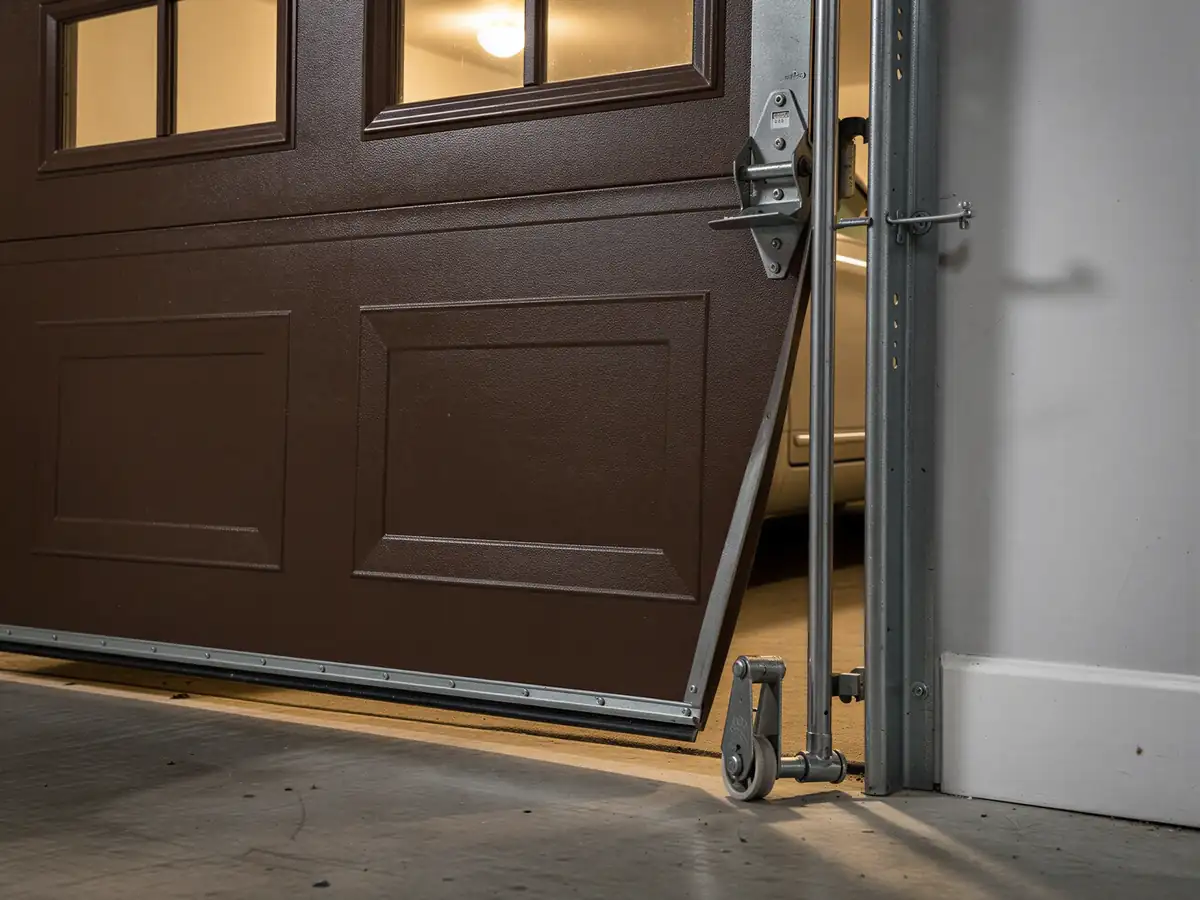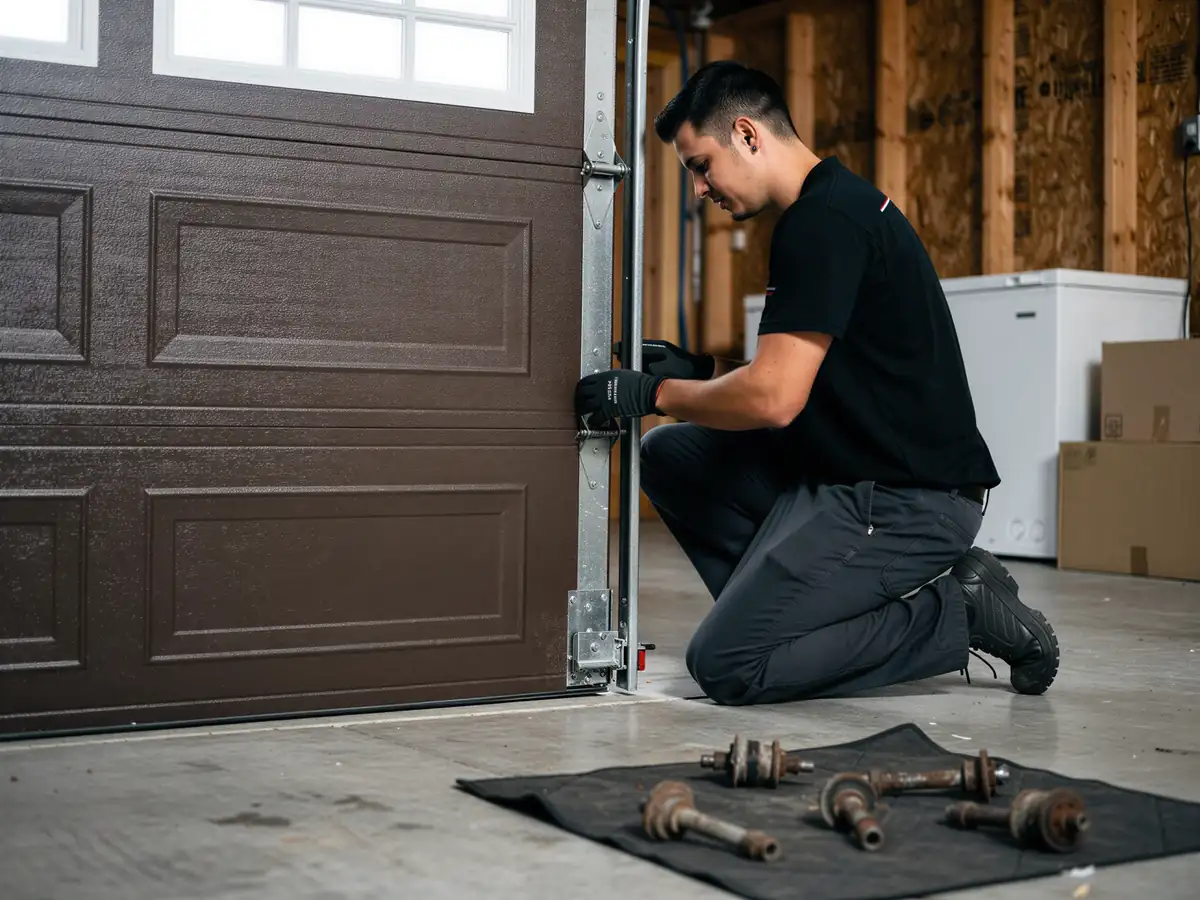
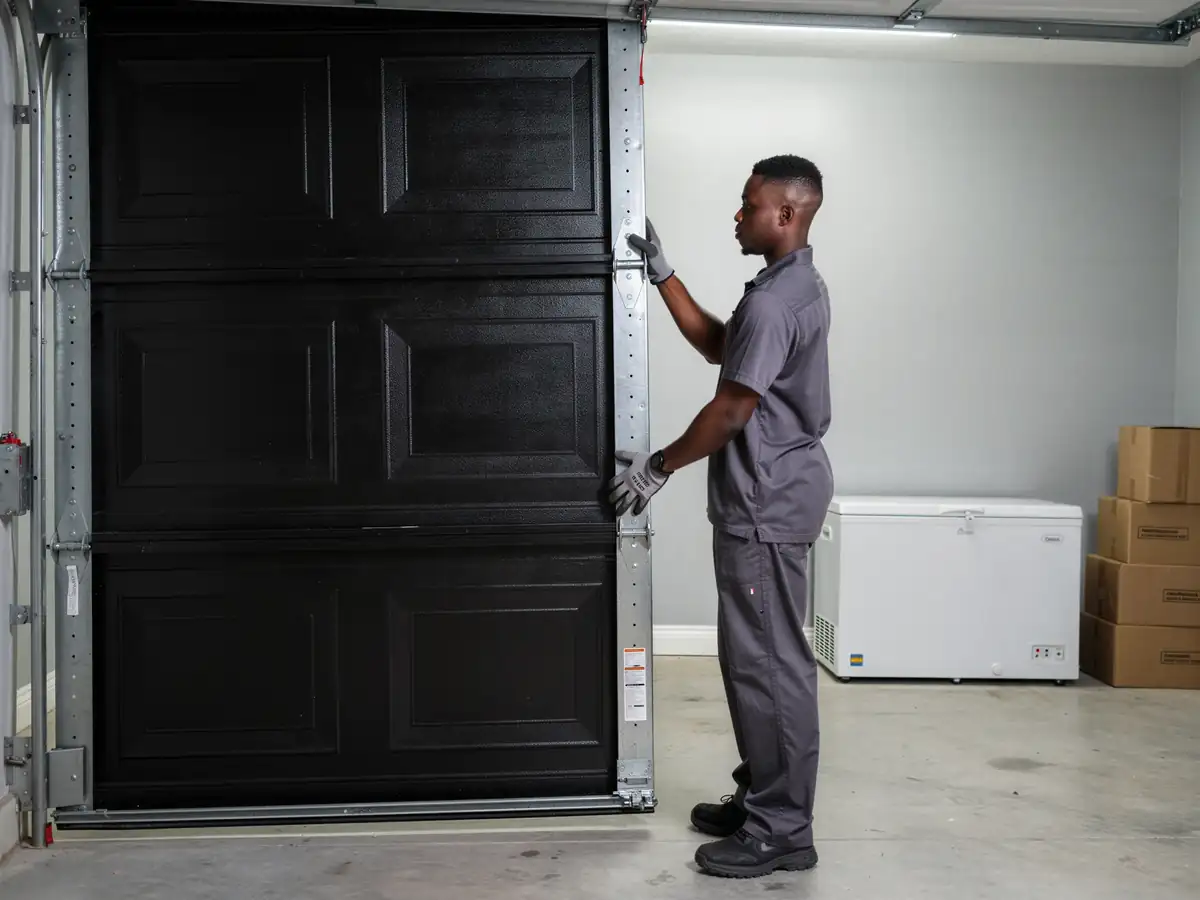
What You Are Seeing
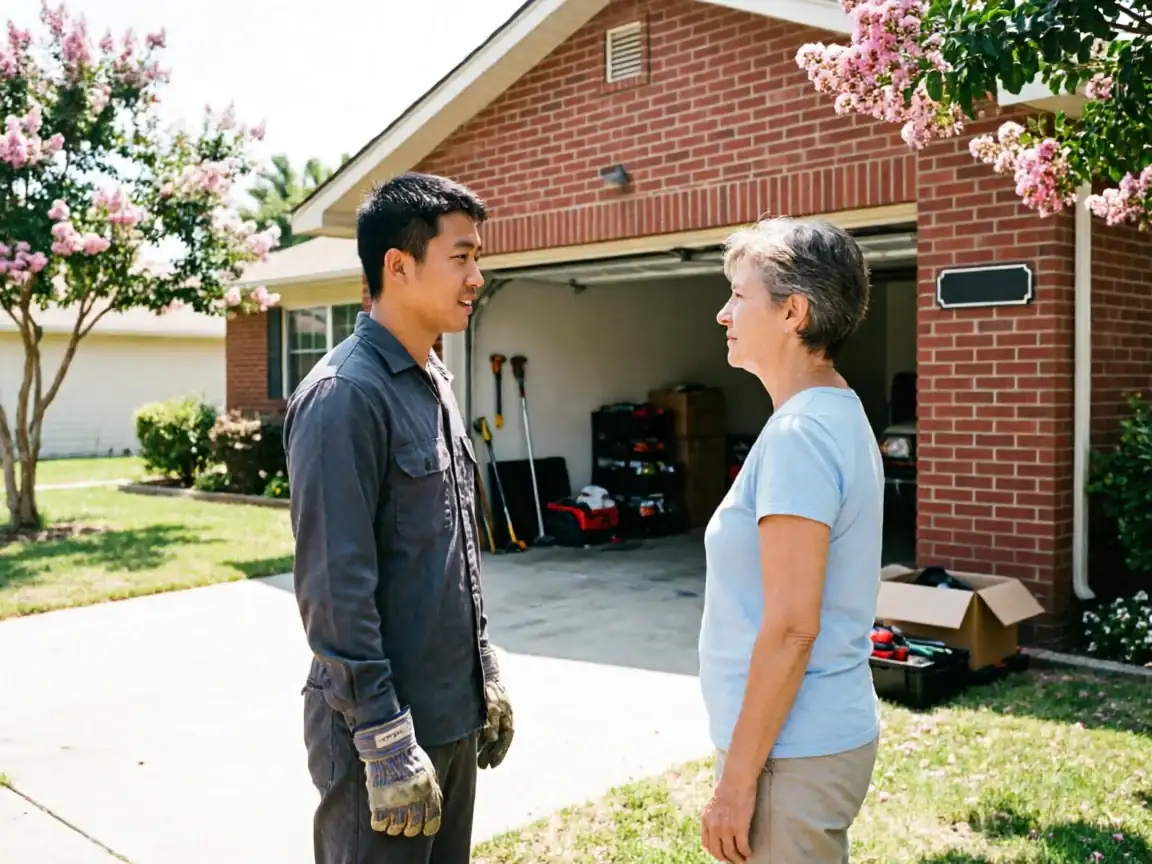
Fresno is 16 miles from our shop in Friendswood, which is far enough that a maintenance call here gets scheduled, not squeezed in between two closer jobs. That drive matters less for what we find once we're at your door than for how the visit gets planned - we batch Fresno calls so the trip is worth making, and that's worth knowing before you call expecting a same-hour fix.
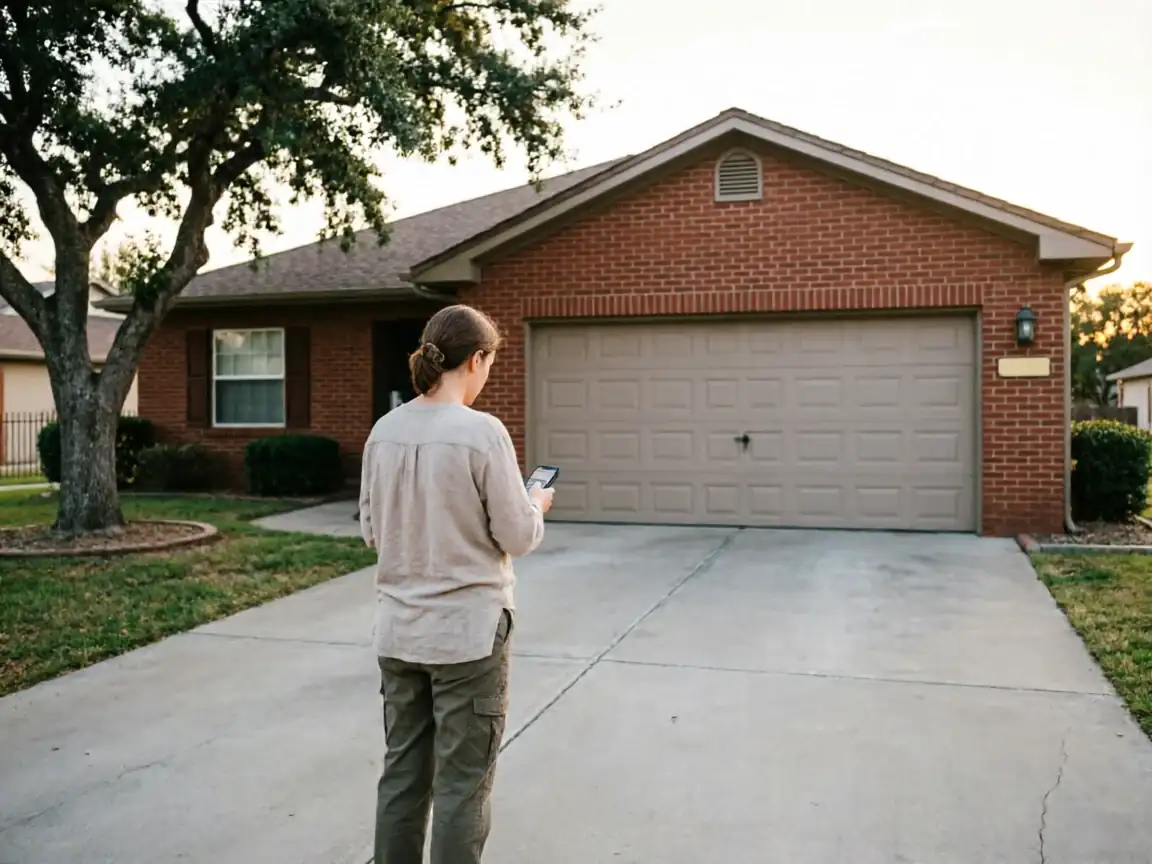
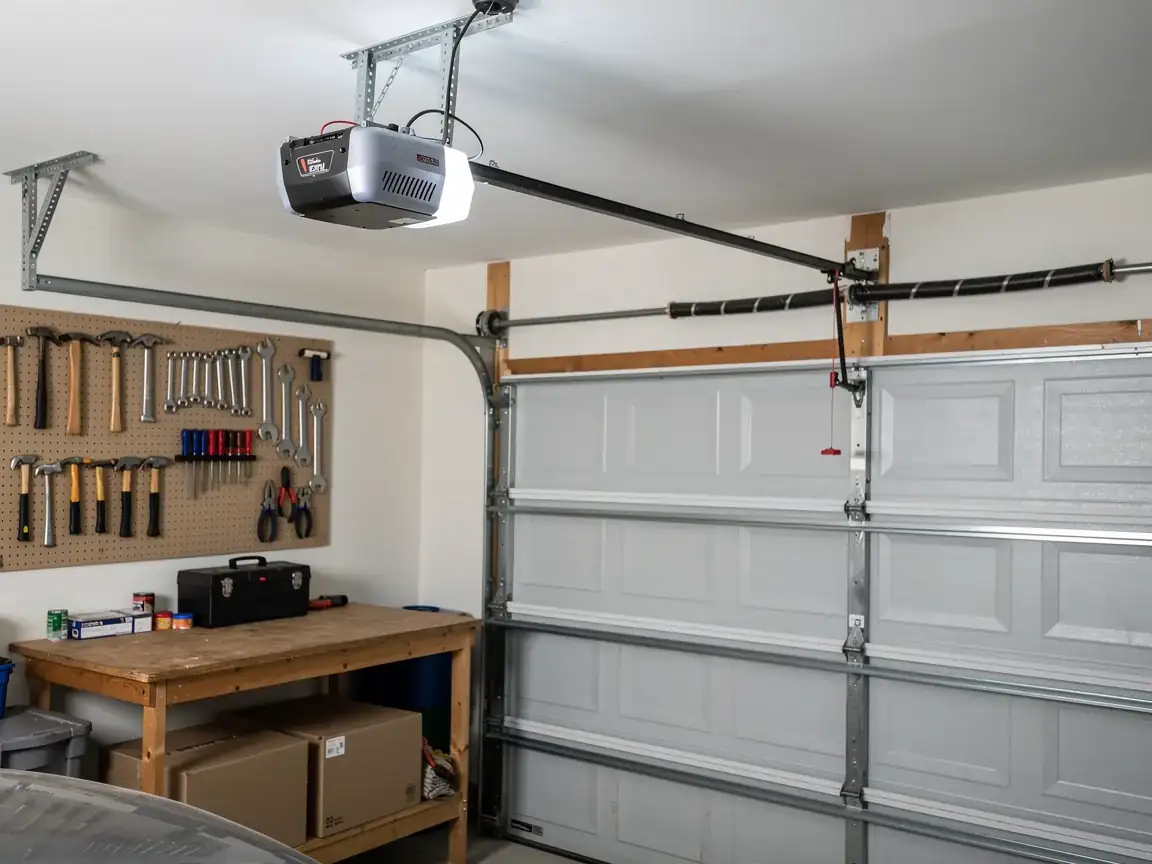
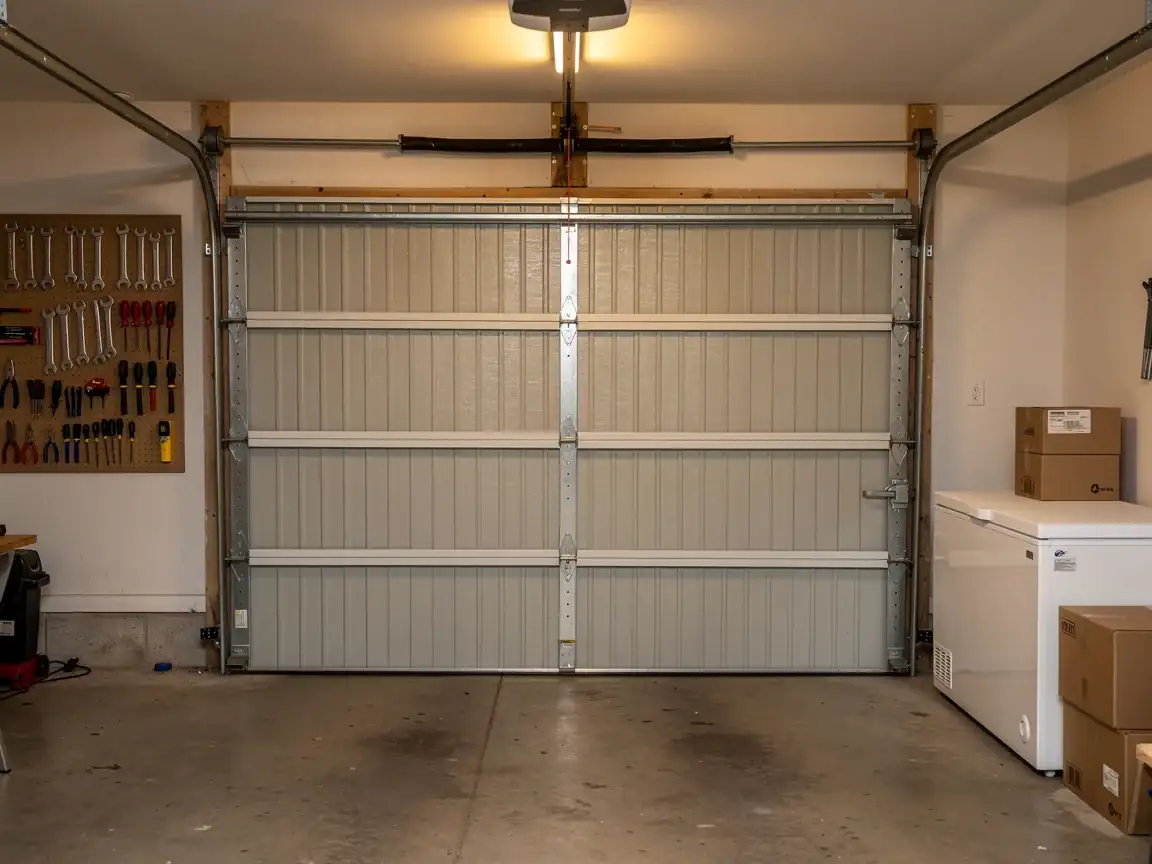
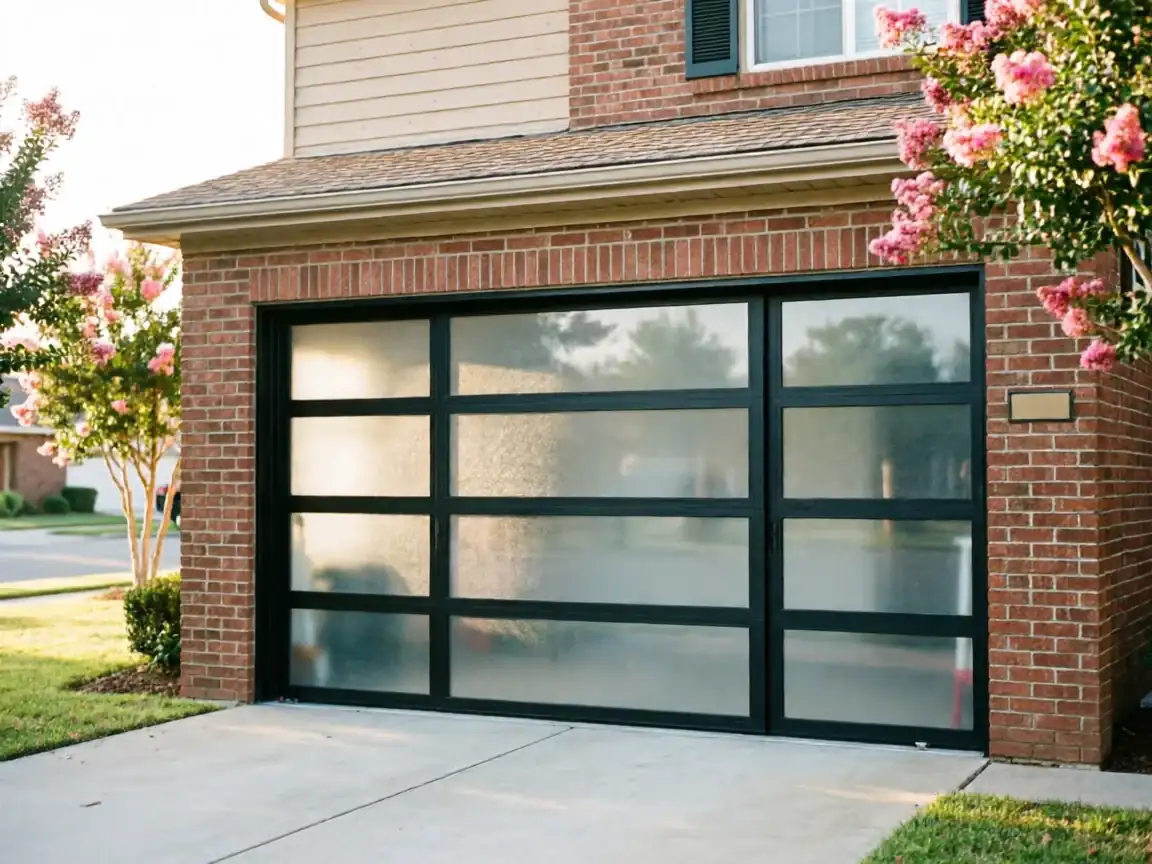
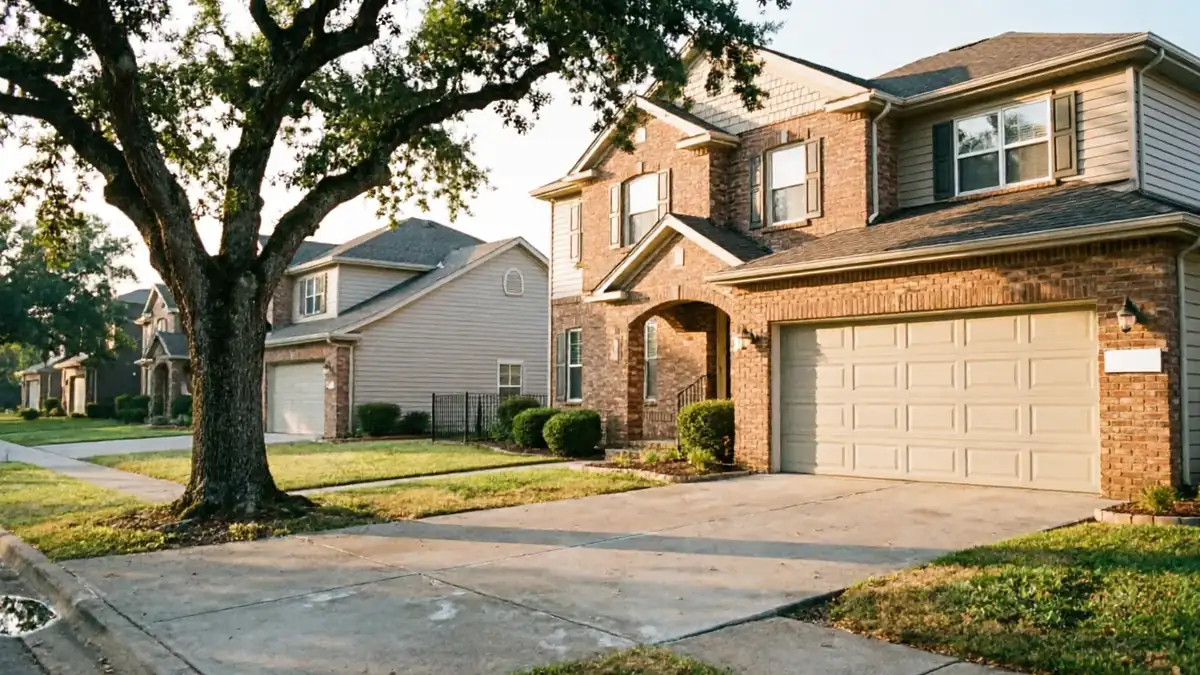
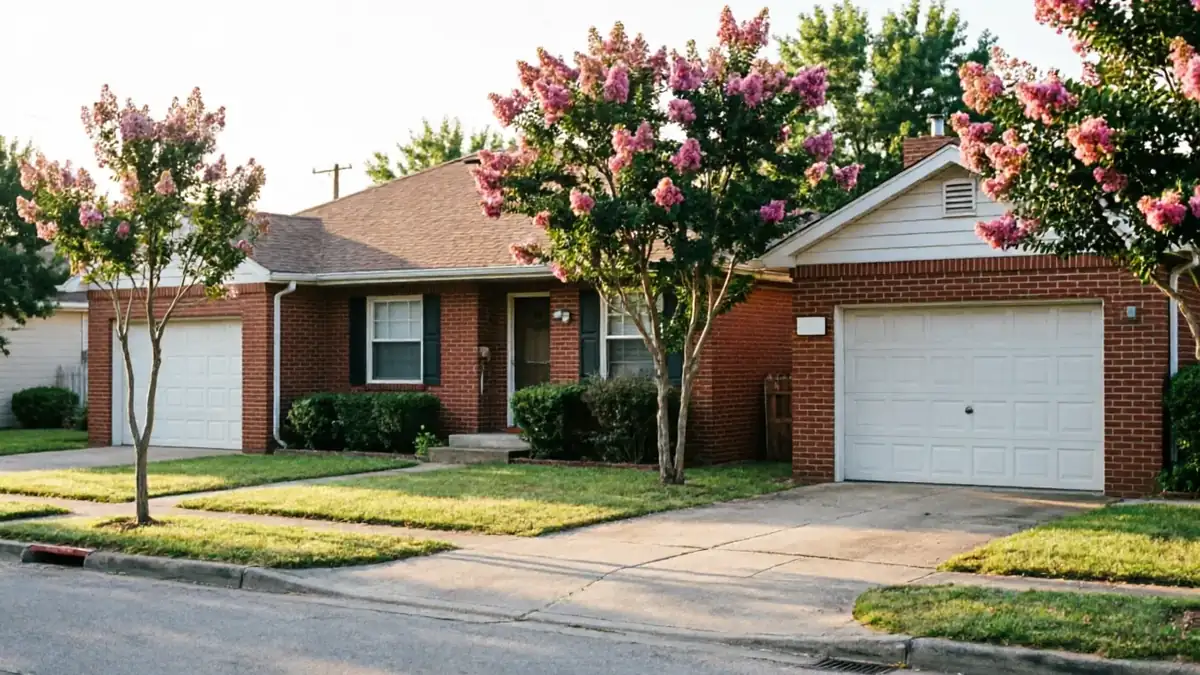
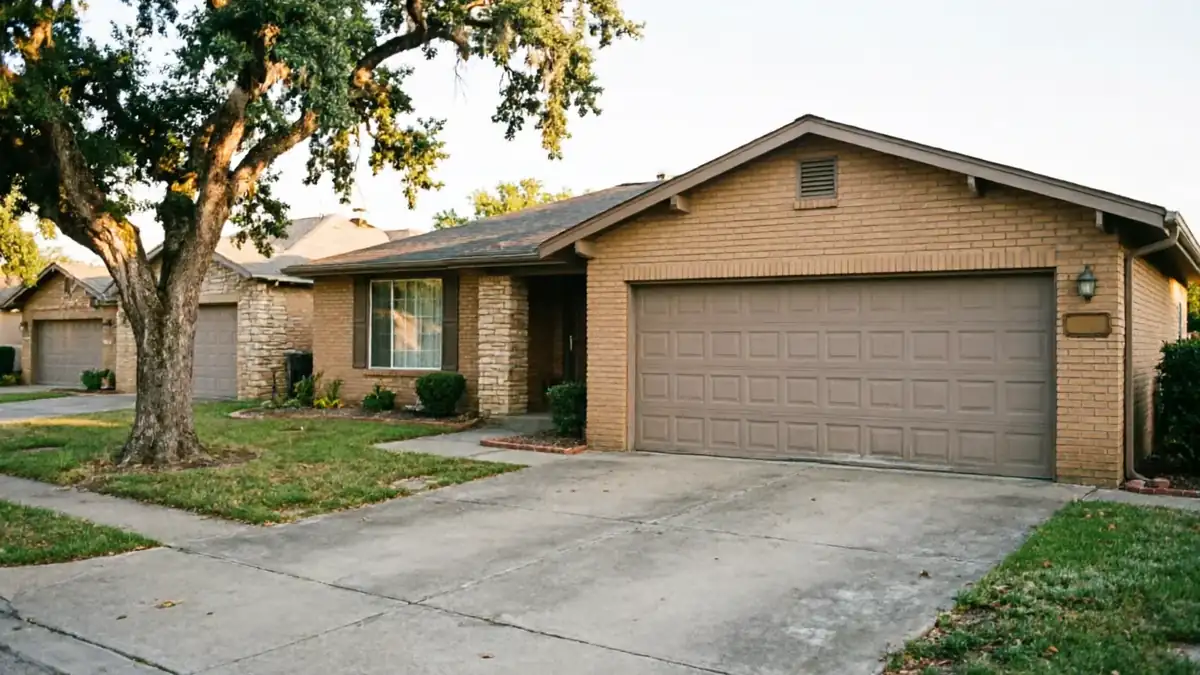
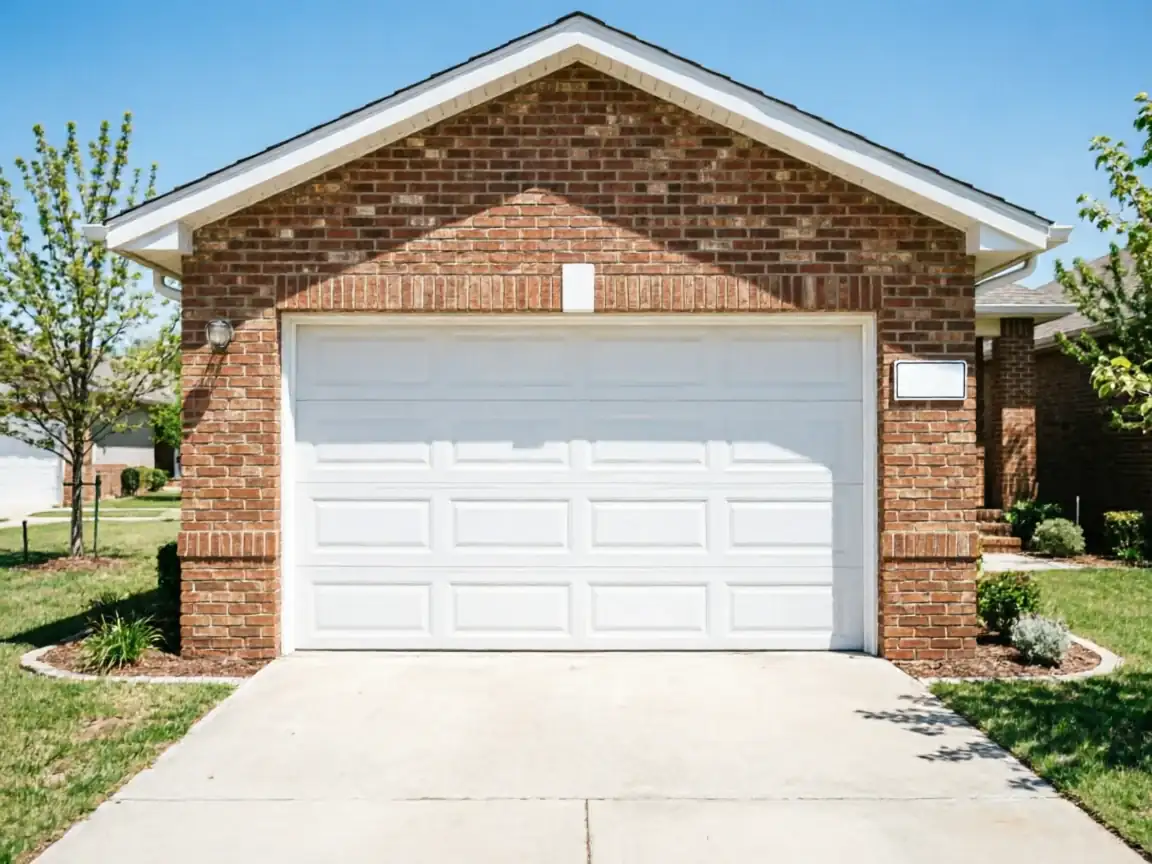
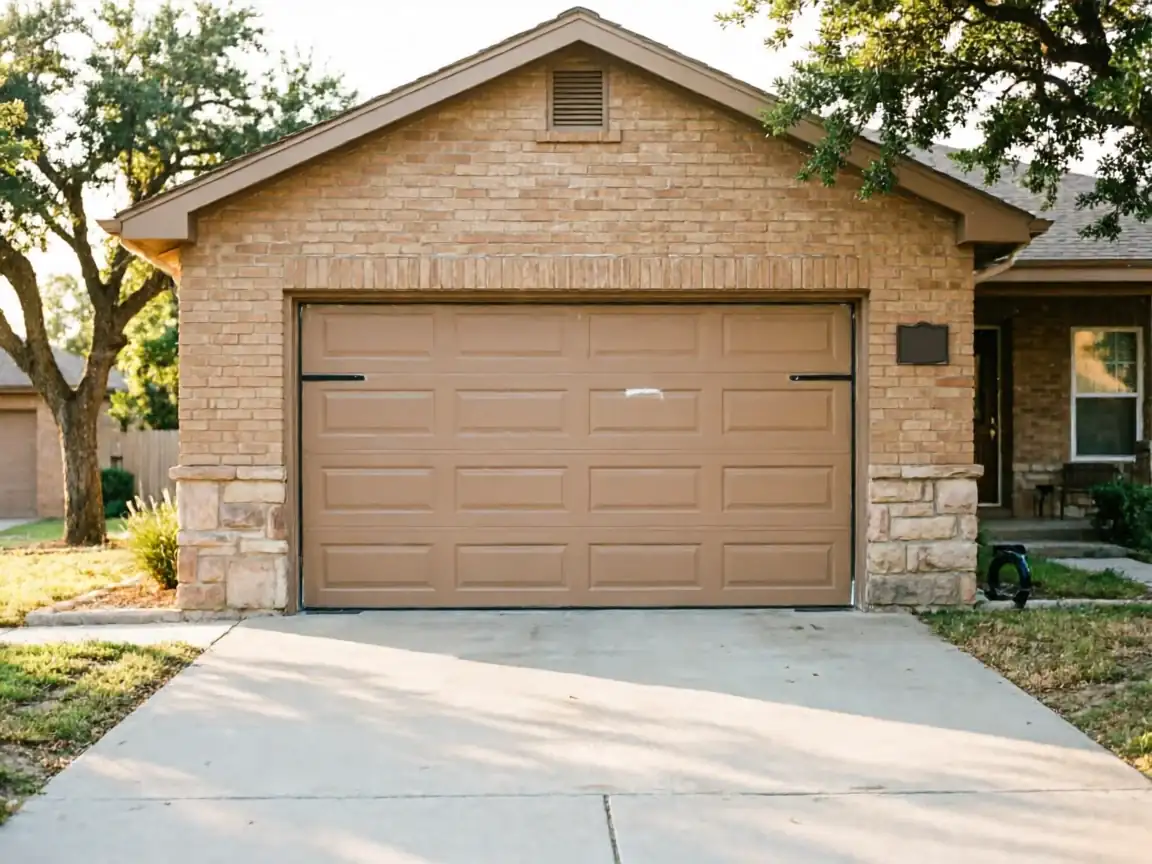
Once we're there, what we're looking at is different from an older Friendswood house. Fresno's housing stock centers around 2006, which puts most garage doors and openers here well inside their service life but past the point where factory lubrication and the original roller set are still doing their job. These aren't doors with worn-out one-piece panels or obsolete hardware - they're doors with steel rollers that have gone dry, openers whose logic boards are starting to show age, and springs that have cycled tens of thousands of times without ever being looked at.
The complaint we hear most from this area isn't "it won't open," it's "it's gotten loud" or "it catches partway." Both point to the same root cause: nobody's touched the hardware since the house was built.
Doing It Yourself
A homeowner can do real maintenance here without calling anyone. Wipe down the tracks and check for dents or misalignment. Tighten the bolts on the hinges and roller brackets - they loosen with vibration over the years. Test the auto-reverse safety feature by setting a piece of wood in the door's path and making sure it stops and backs up. Lubricate rollers and hinges with a garage-door-specific lubricant, not WD-40, which washes grease out rather than replacing it.
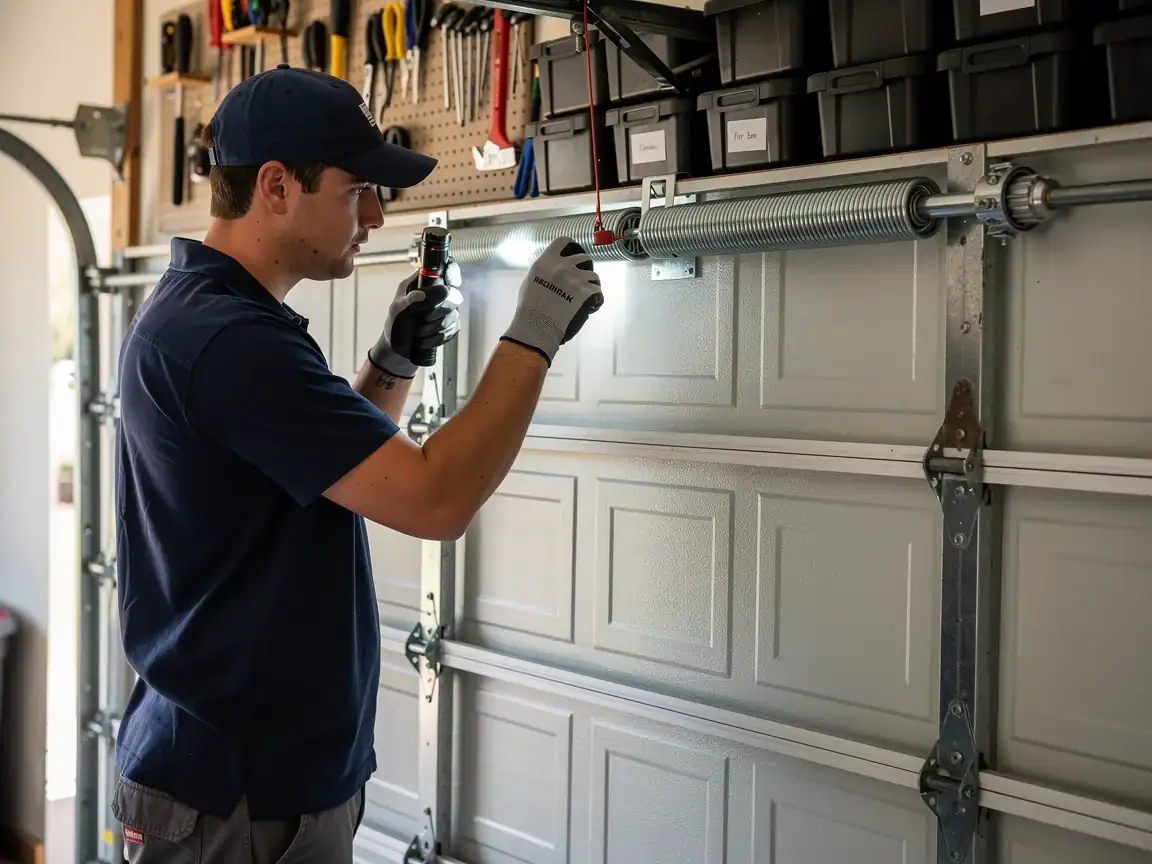
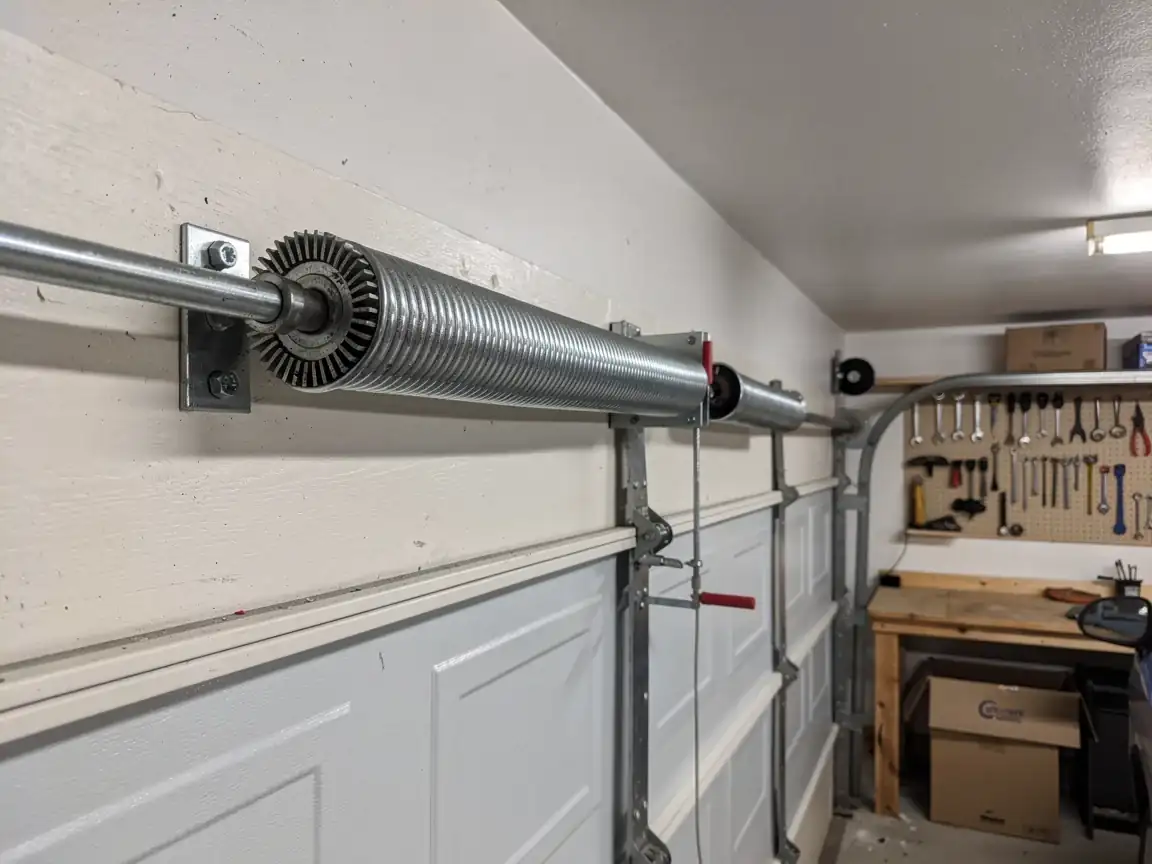
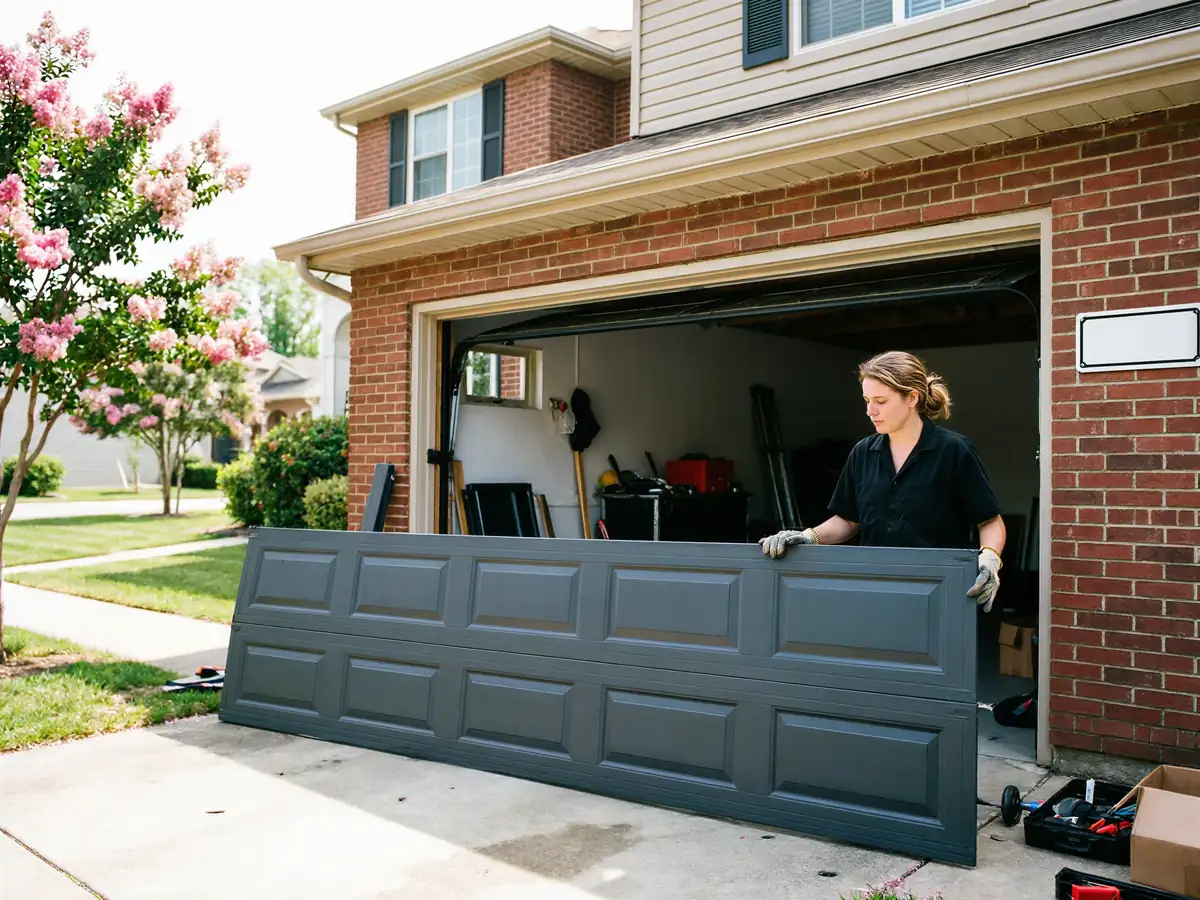
What you shouldn't touch yourself: the torsion spring. On a 2006-era door that's never been serviced, that spring is carrying the full weight of the panel under tension, and it's wound to a spec you can't eyeball. We don't do this one as a drive-out special - it's priced and scheduled like any other job, because the risk doesn't go down just because the house is newer.
If your opener is original to the house, it's nearing the point where replacement parts get harder to source. That's not an emergency, just something to plan for rather than wait on.
What the Fix Involves
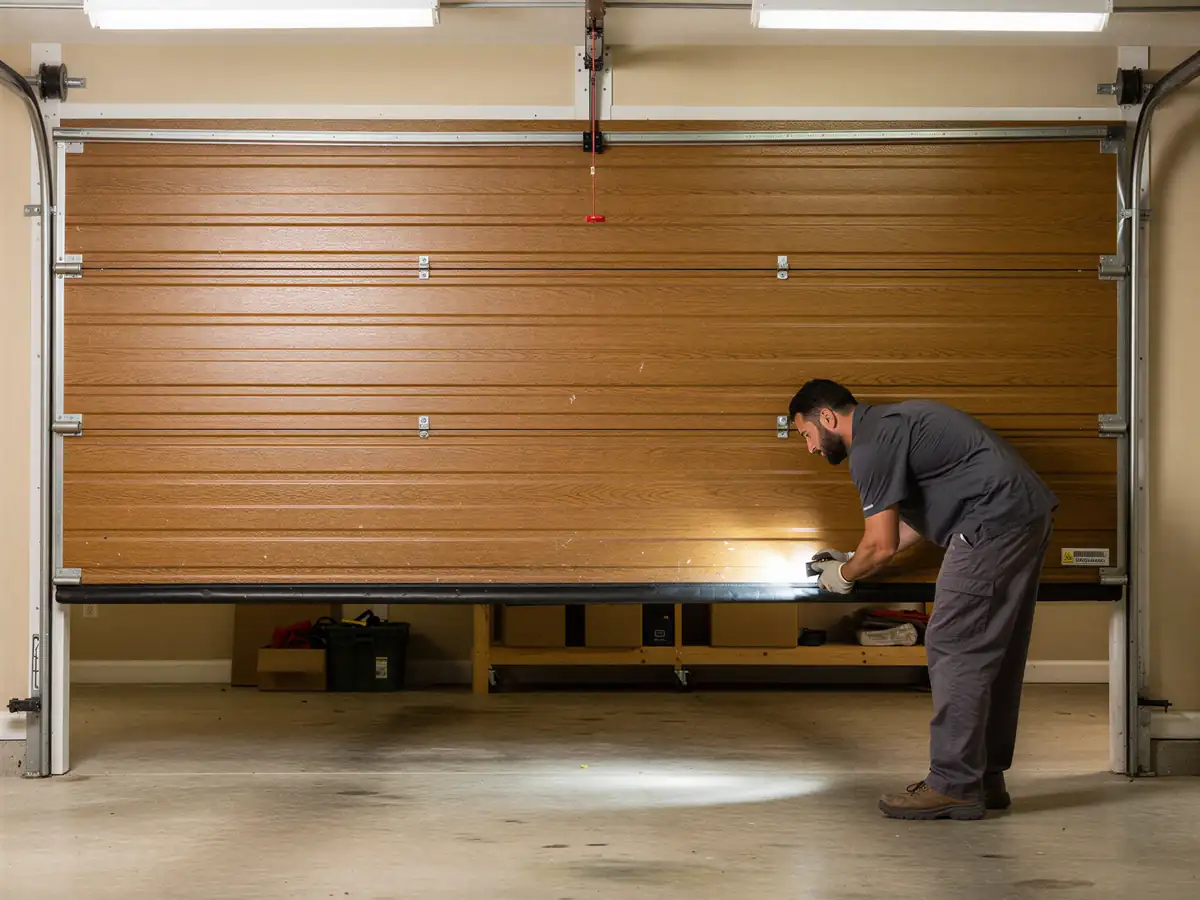
On a typical Fresno maintenance visit, we're checking balance first
Does the door hold position halfway up with the opener disconnected. If it doesn't, something in the spring tension has shifted even on a door this age, and that's worth catching before it becomes a snapped cable.
We inspect the rollers for flat spots or cracking
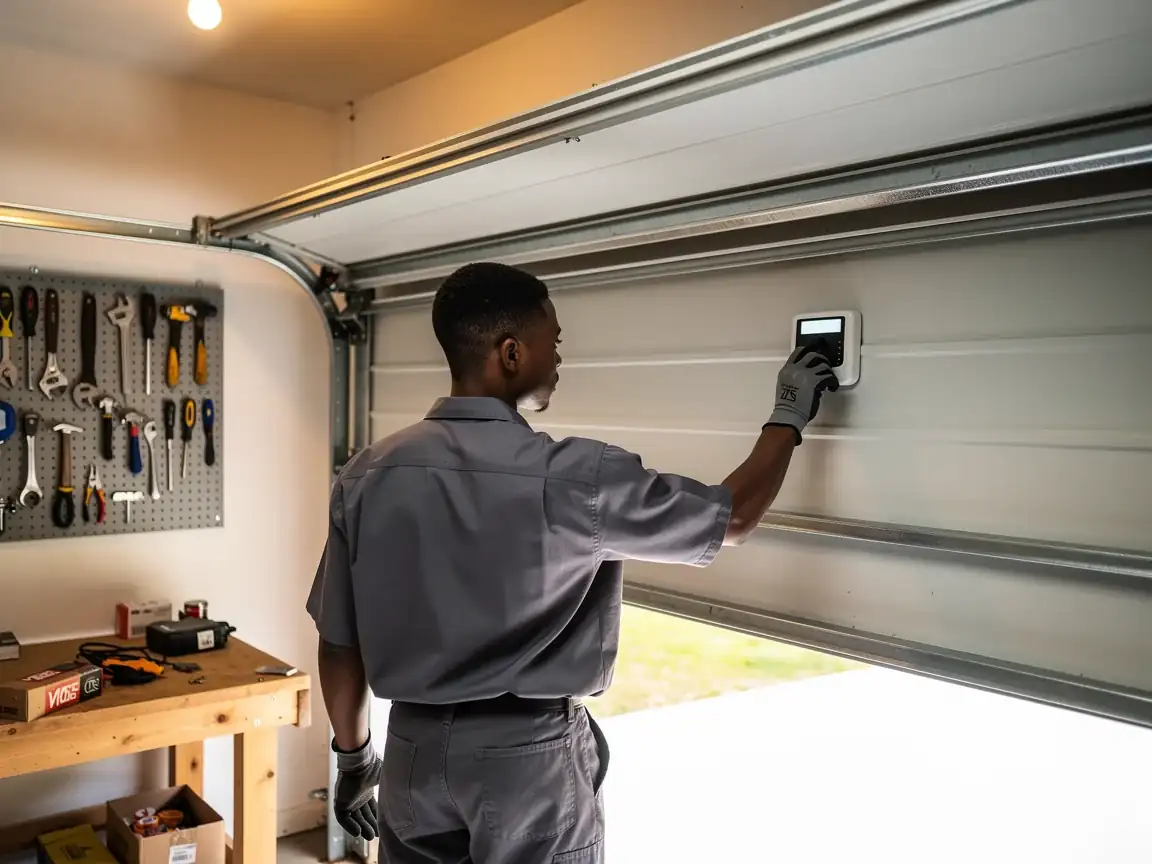
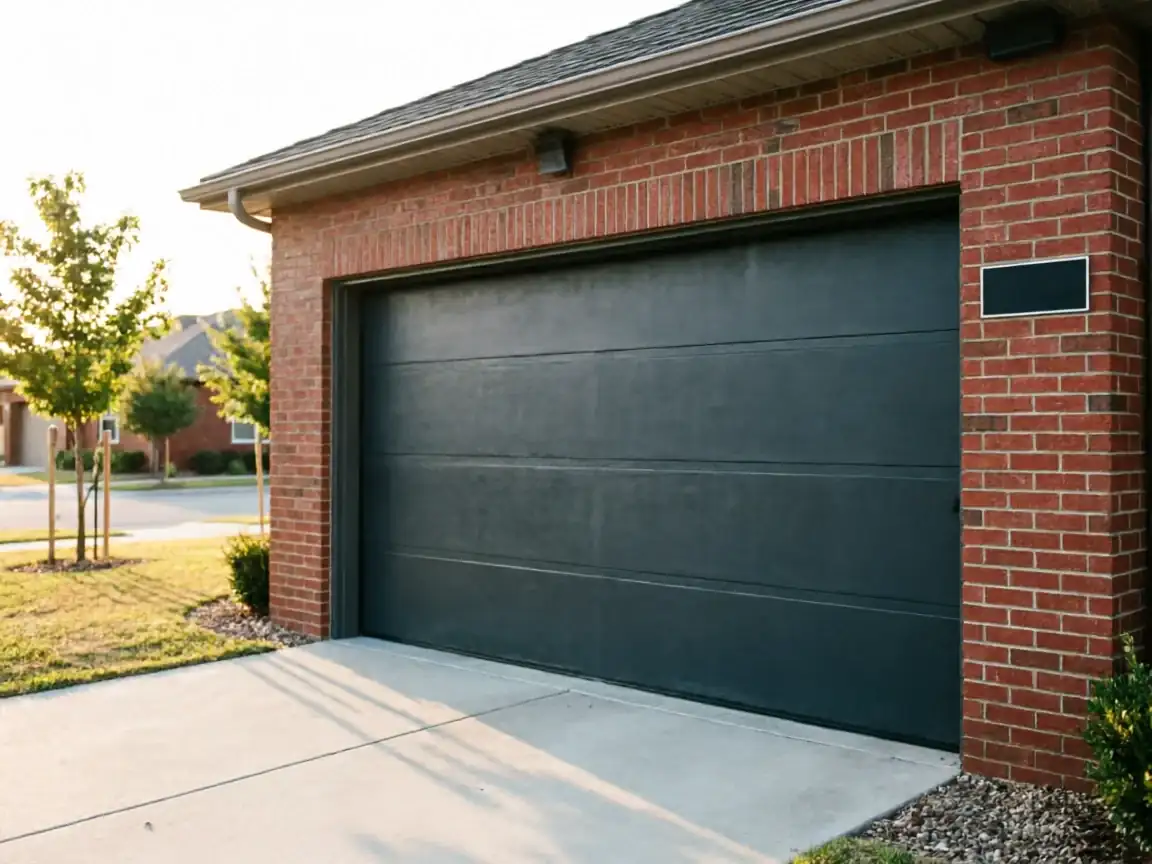
Check the track for gaps against the rollers, and look at the bottom seal, which on 2006-era doors is usually original and starting to crack from UV and heat rather than from age in years. We test the opener's force settings, since factory defaults loosen over time and a door that closes too hard on an obstruction is a liability, not a convenience.
We don't replace parts that are still within spec just because they're old
If a roller's fine, it stays. The honest version of maintenance here is tightening, lubricating, and adjusting - not selling a full hardware swap on a door that doesn't need one yet.
Time on the Job
Once we're on-site in Fresno, a standard maintenance visit runs about the same as anywhere else in the area - the distance affects when we can get there, not how long the work takes once we start. Balance check, lubrication, hardware inspection, and opener testing on a door this age usually wrap inside an hour unless we find something that needs a part we don't carry on the truck.
Because Fresno is far enough out that we're not swinging back the same afternoon, if a part is needed, we're more likely to schedule the return visit for a day we're already routing through the area rather than making a special trip. That's a trade-off of the distance, and we'd rather tell you that upfront than have you wait by the window.
Why It Happens Here
Fresno's garage doors are mostly original to construction, and a 2006 median build year means a lot of these doors and openers are now 15-20 years in without ever having had a tune-up. That's the window where steel springs start losing a measurable amount of tension even without a dramatic failure, where nylon rollers get brittle, and where opener drive gears wear down from years of unlubricated cycling.
This is a different failure pattern than you'd see in an older part of the service area with pre-1990s doors and original hardware nobody stocks anymore - here the parts are still available, the doors just haven't been touched. Household income in the broader service area runs a median of $82,018, and Fresno's own median sits higher at $89,442, which tracks with the newer construction - these are houses built to a more recent code with heavier doors and stronger openers than a lot of older housing in the area, which also means the hardware carrying that weight needs attention on a schedule, not just when something breaks.
What You Pay
We don't have a Fresno-specific price list to quote here, and we're not going to invent one
What we can tell you is that because Fresno is a 16-mile trip from Friendswood, the maintenance visit itself is priced the same as any other visit in our service area - the distance affects scheduling, not what the work costs once we're there. If you want a number before you commit, call and we'll quote the visit against what you're describing.
The one place cost can move is if a tune-up turns up a part that's failing
A spring that's lost measurable tension, an opener gear that's stripped. That's a separate conversation from the maintenance visit, and we'll tell you before we do anything, not after.